패하 (시든 연잎) Withered Lotus
Concept
敗 · 荷 · 反 · 影 · 輪 · 廻
敗荷 패하 Withered Lotus Leaf
시들어 마르거나 찢어진 연잎
反影 반영 Reflection
물에 비친 그림자
輪廻 윤회 Samsara / Cycle of Life
수레바퀴가 돌듯 끊임없이 돌고 도는 생명의 순환
敗 시들 패 · 荷 연 하 · 反 되돌릴 반 · 影 그림자 영 · 輪 바퀴 륜 · 廻 돌 회
敗 Decay · 荷 Lotus · 反 Reflection · 影 Shadow · 輪 Cycle · 廻 Revolve















Note
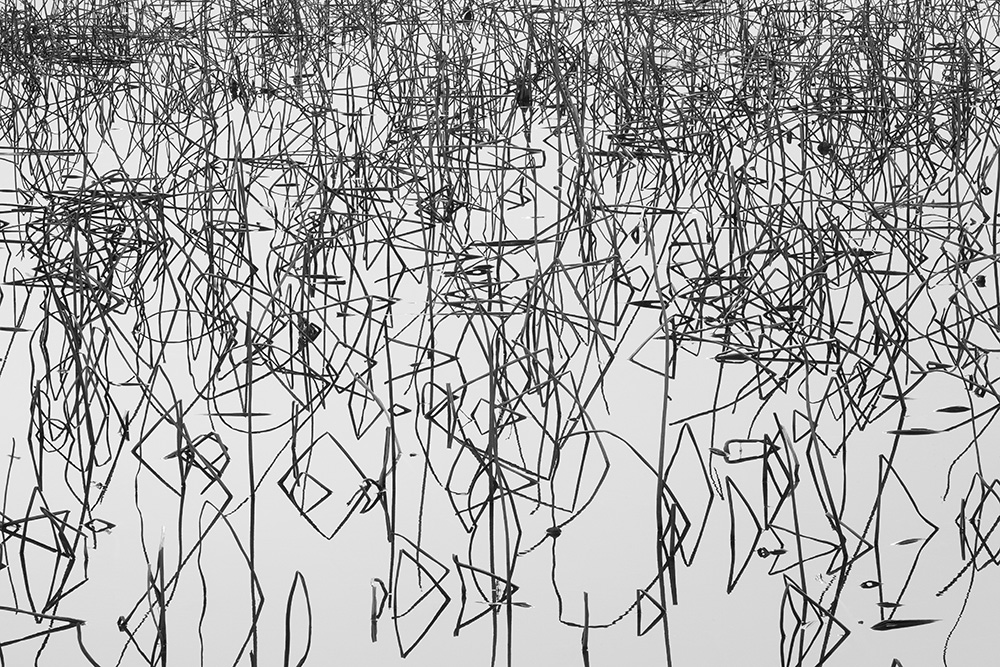
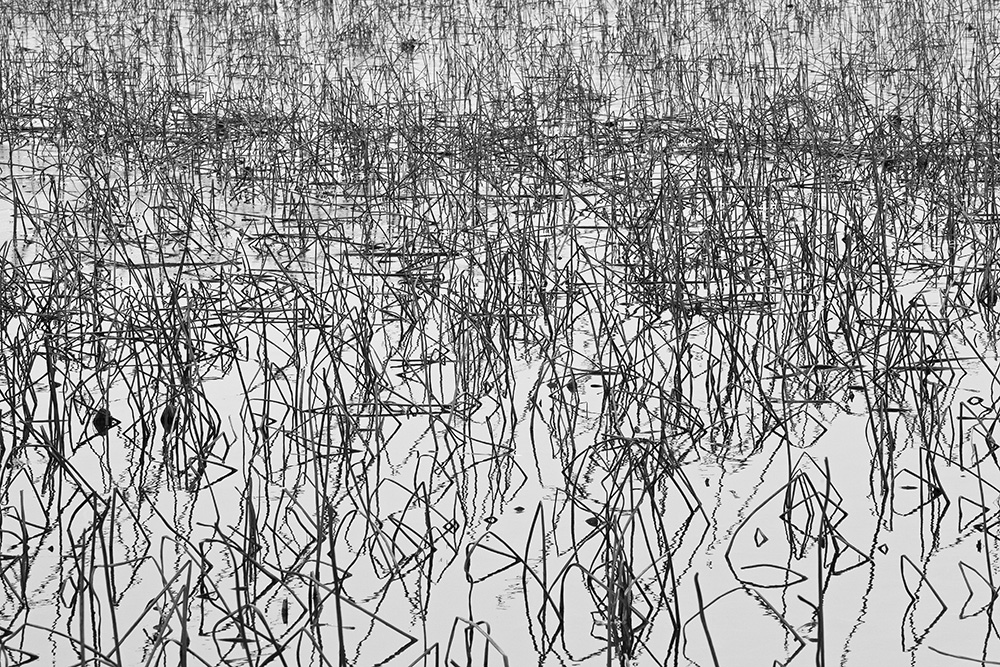
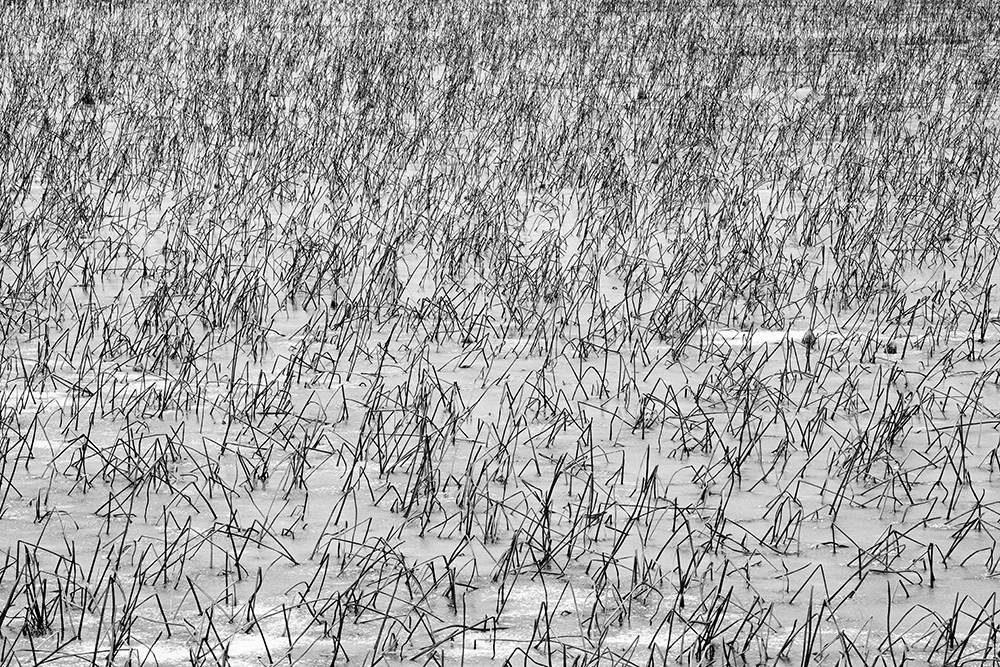
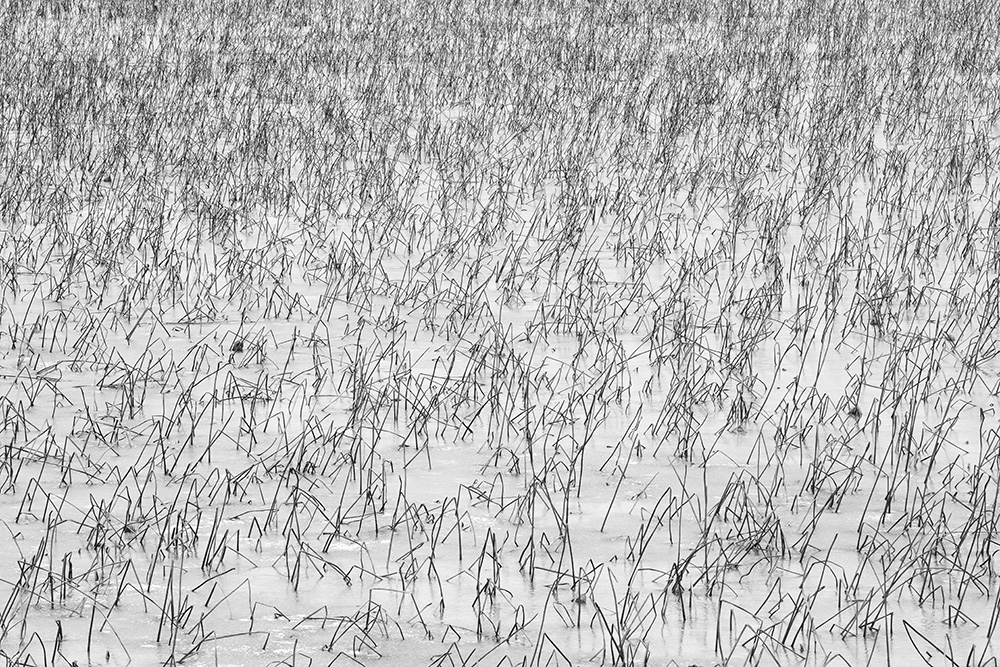
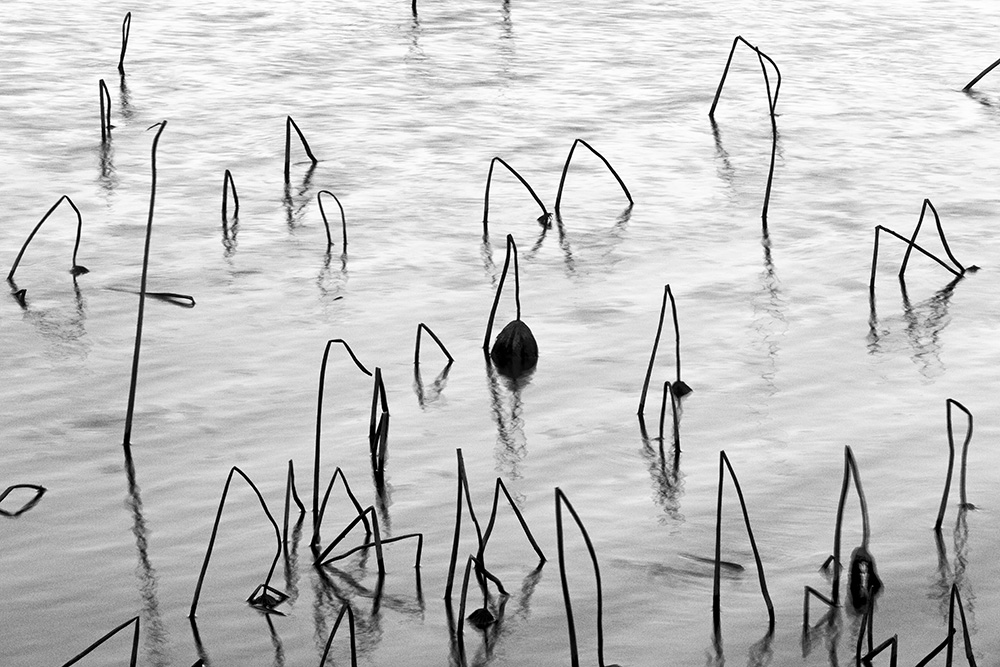
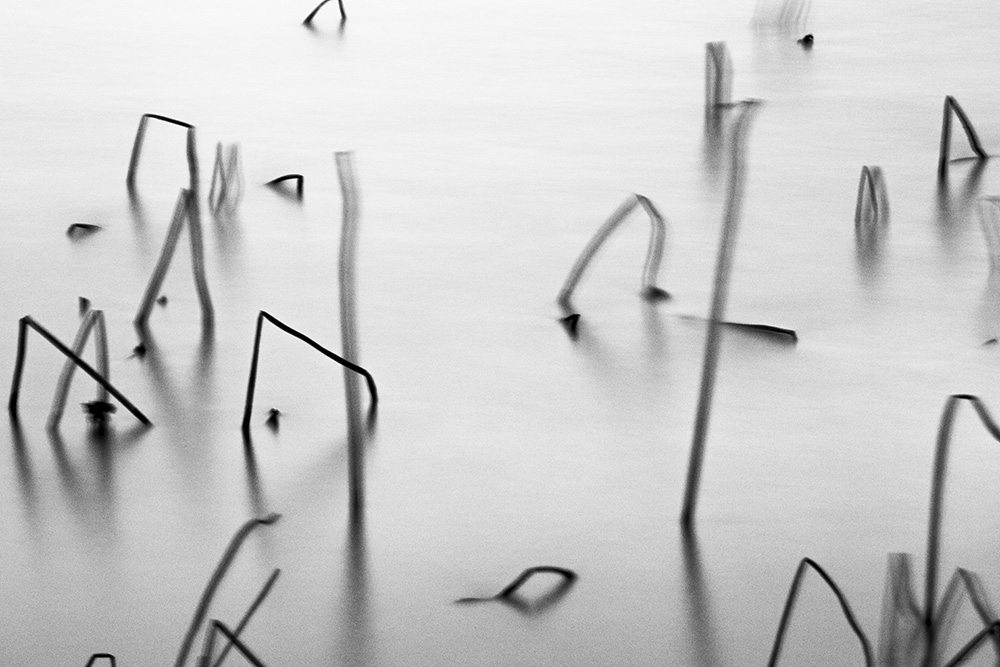
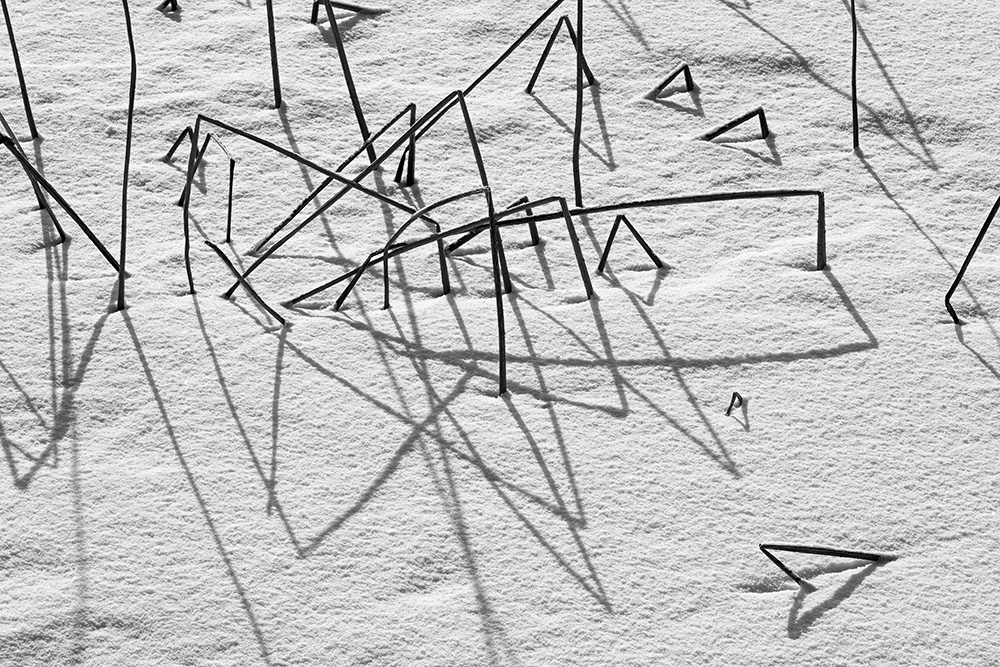
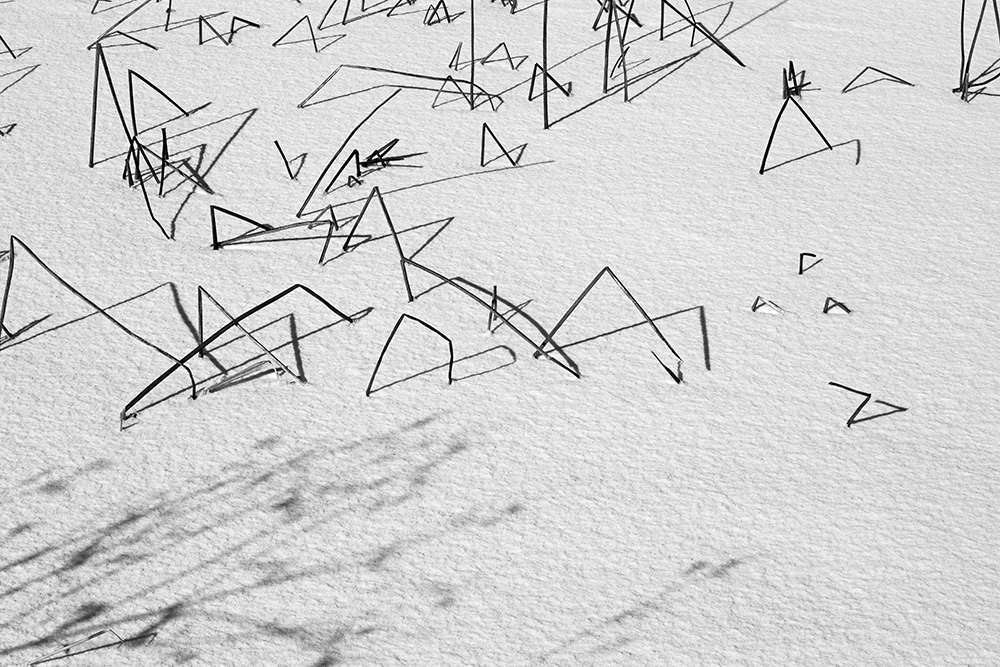
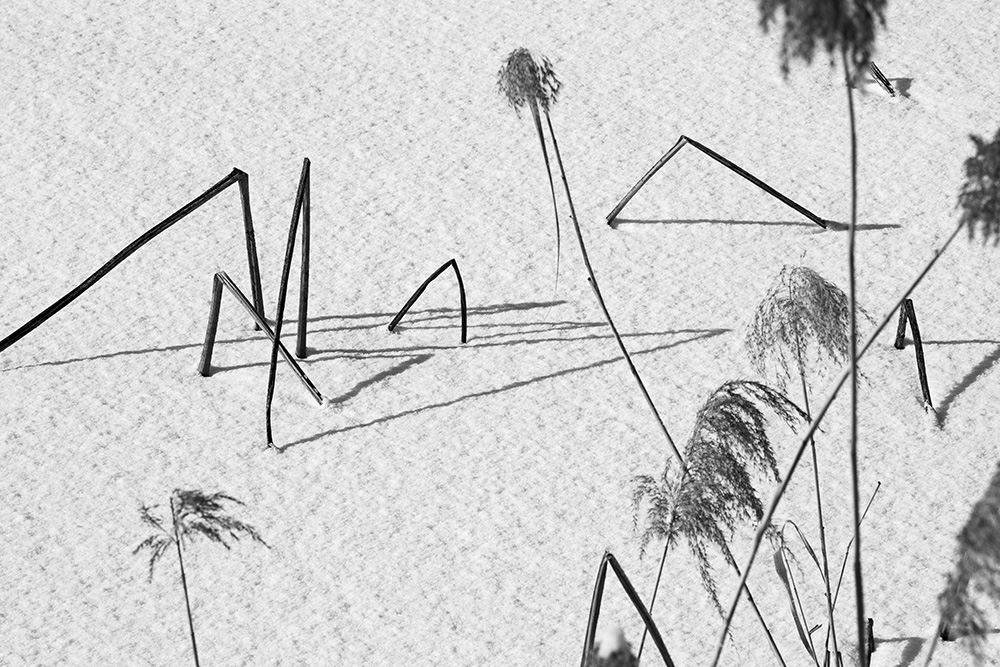
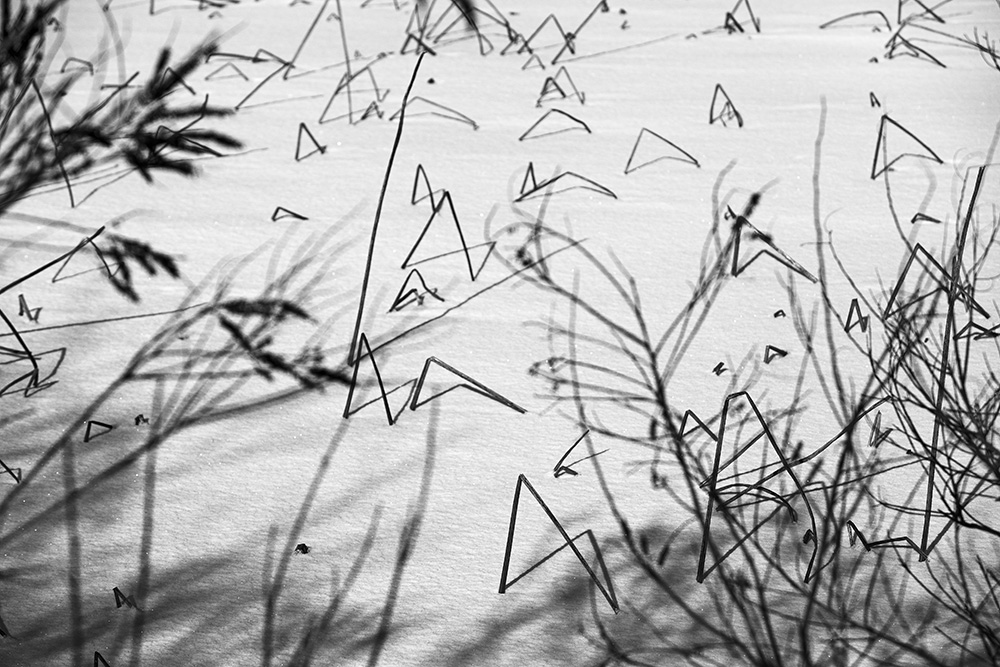
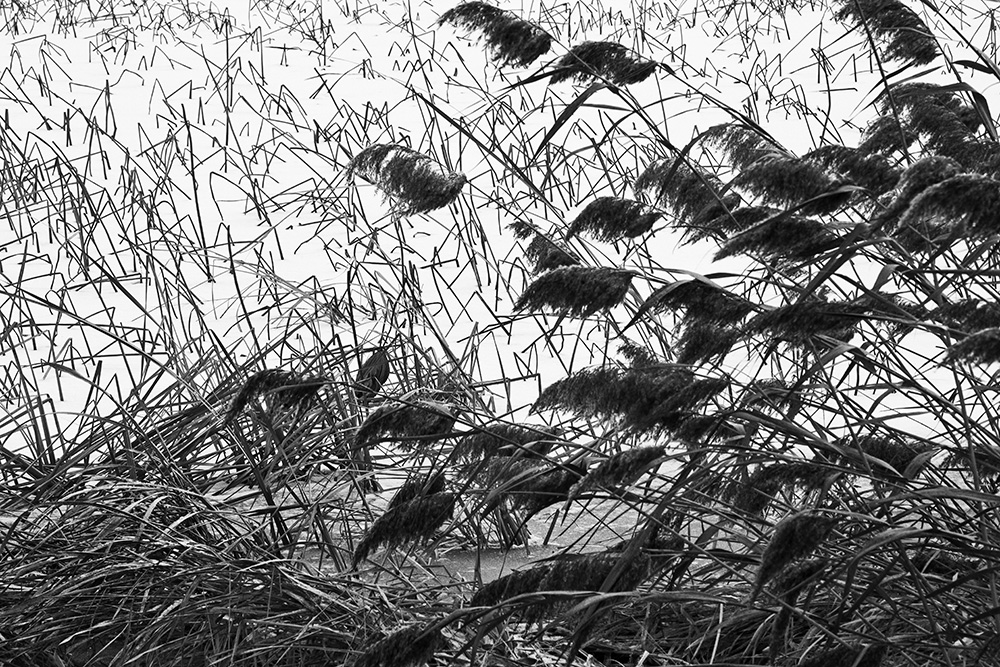
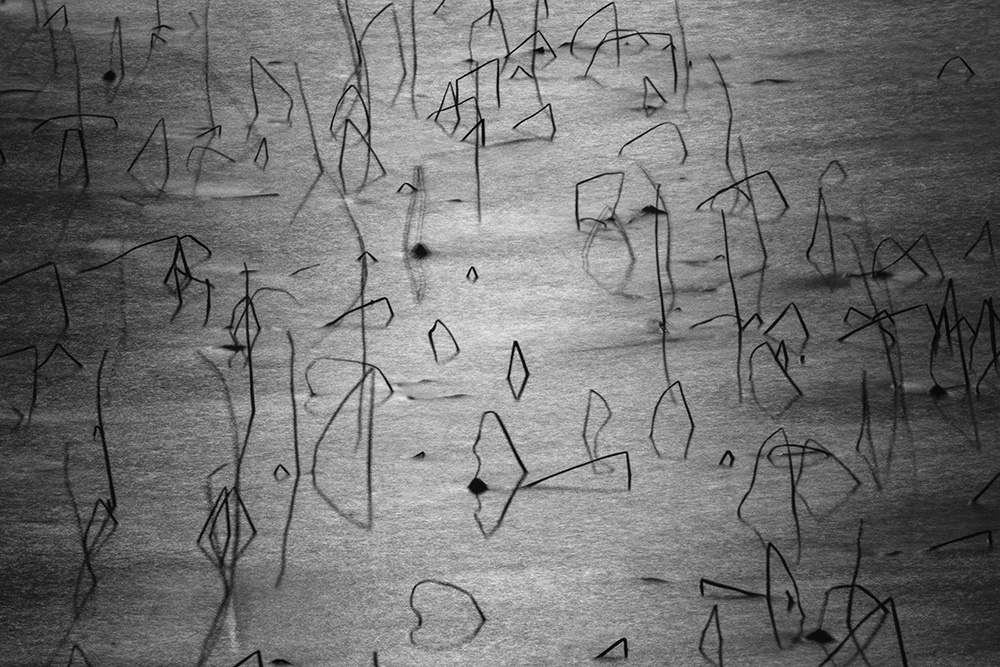
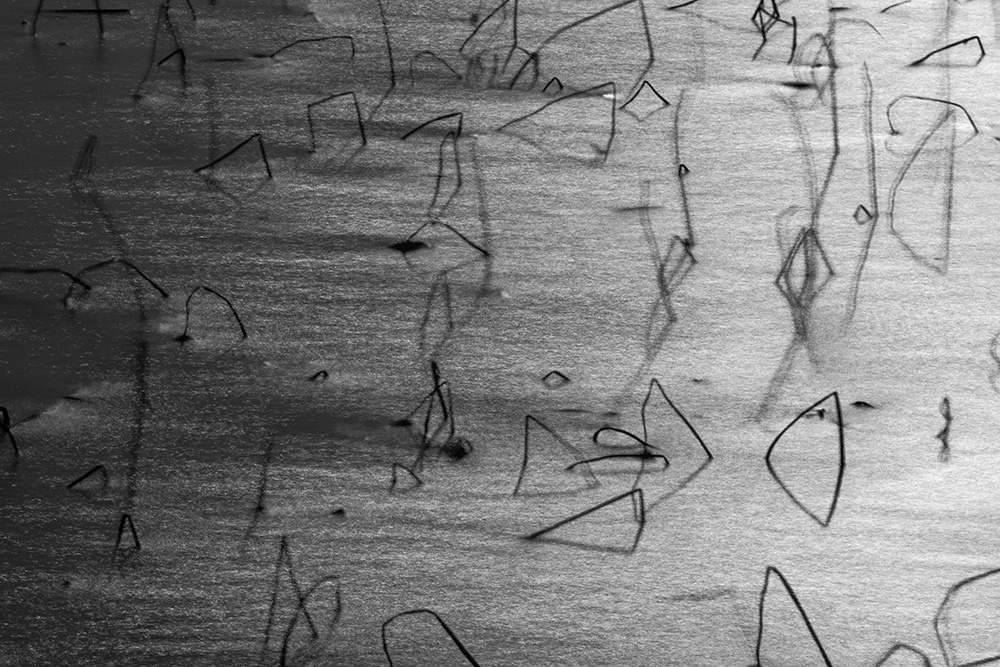
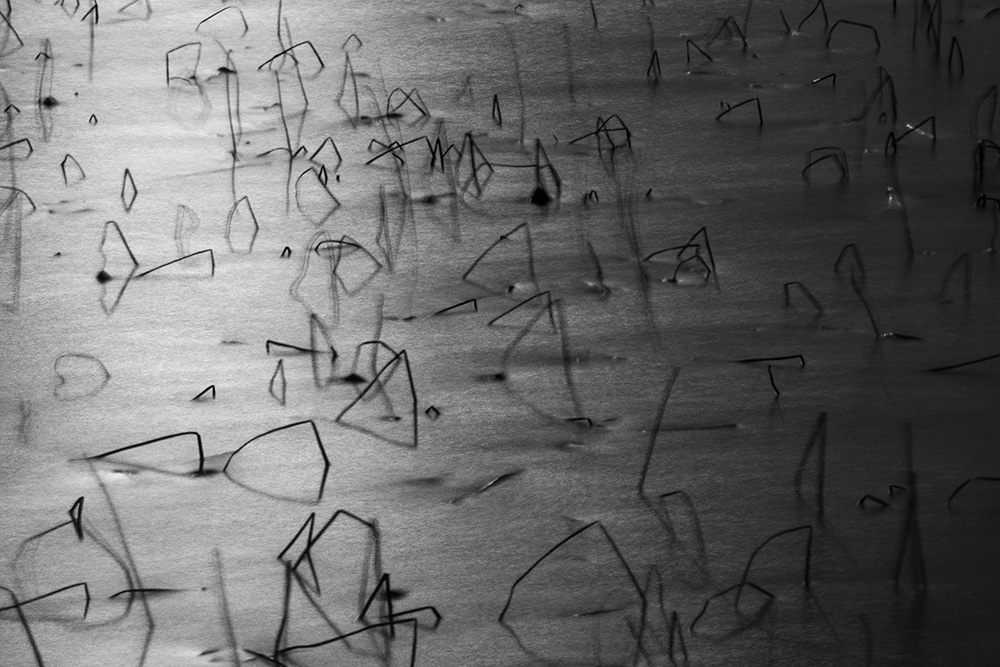
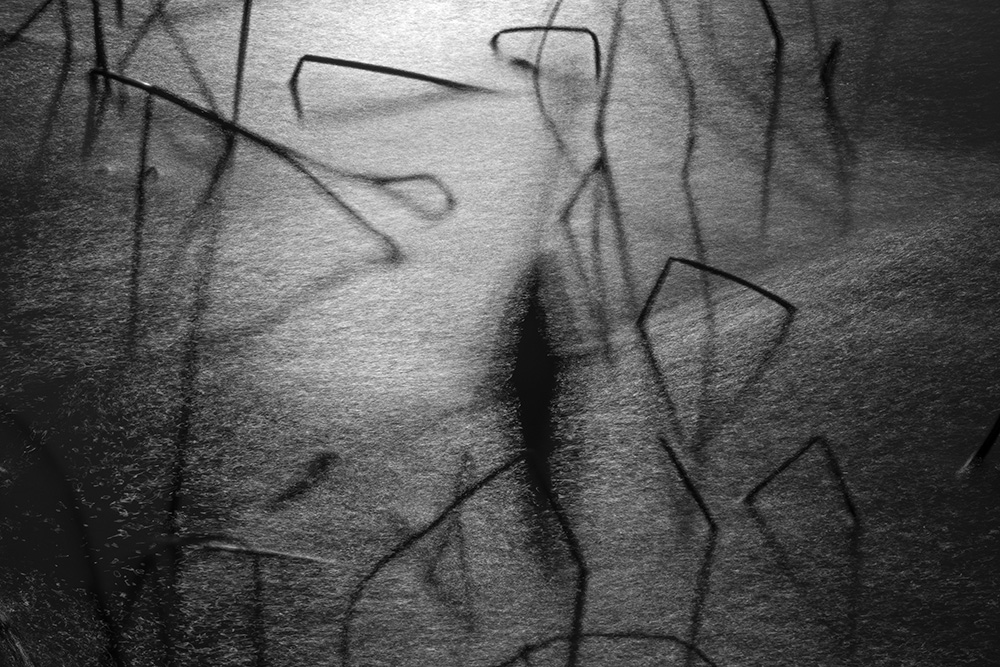
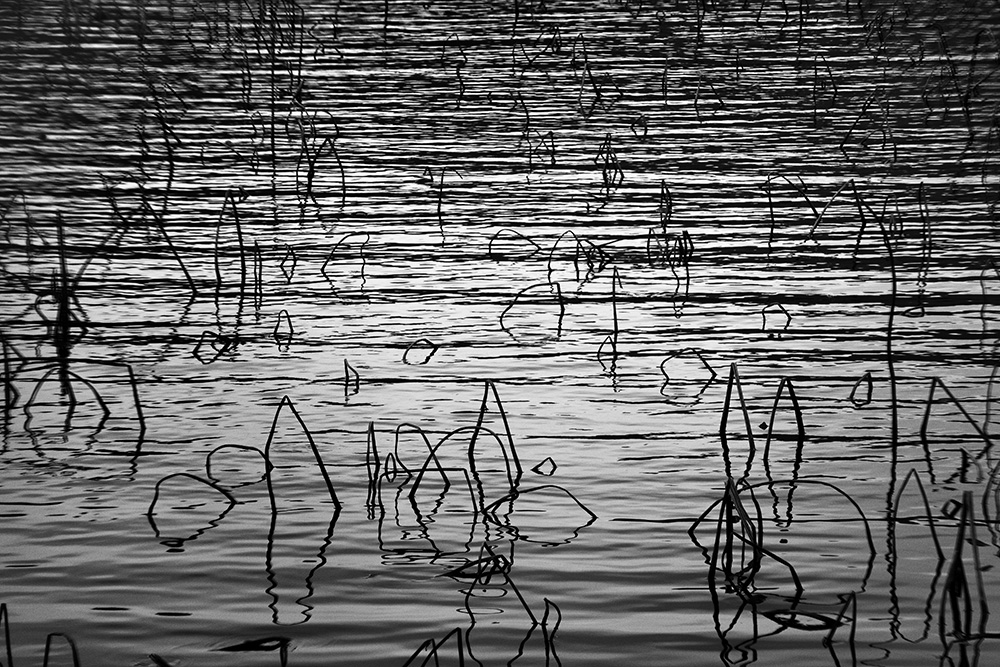
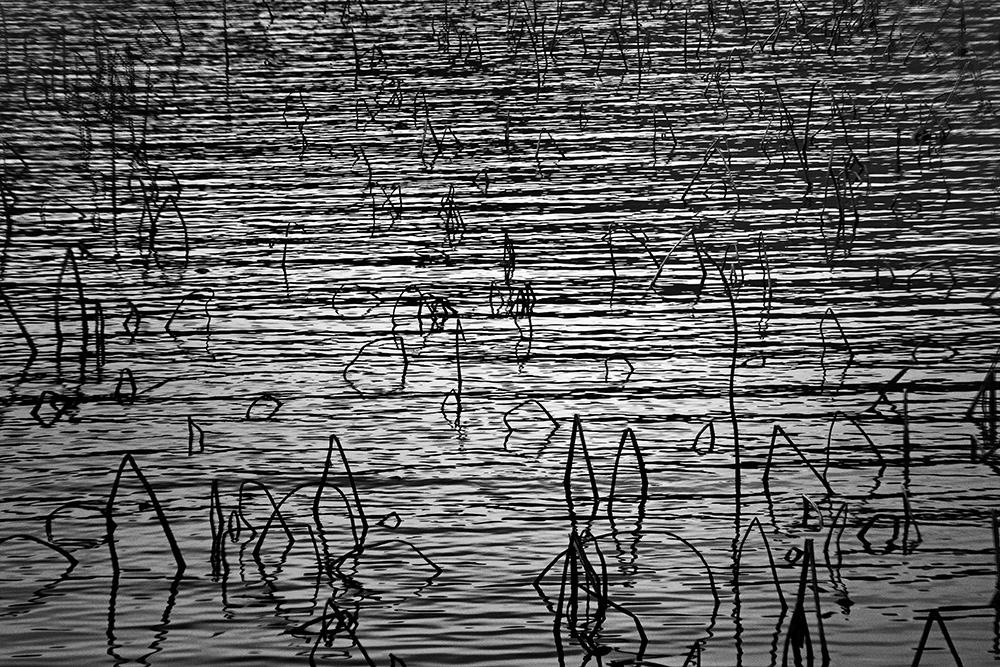
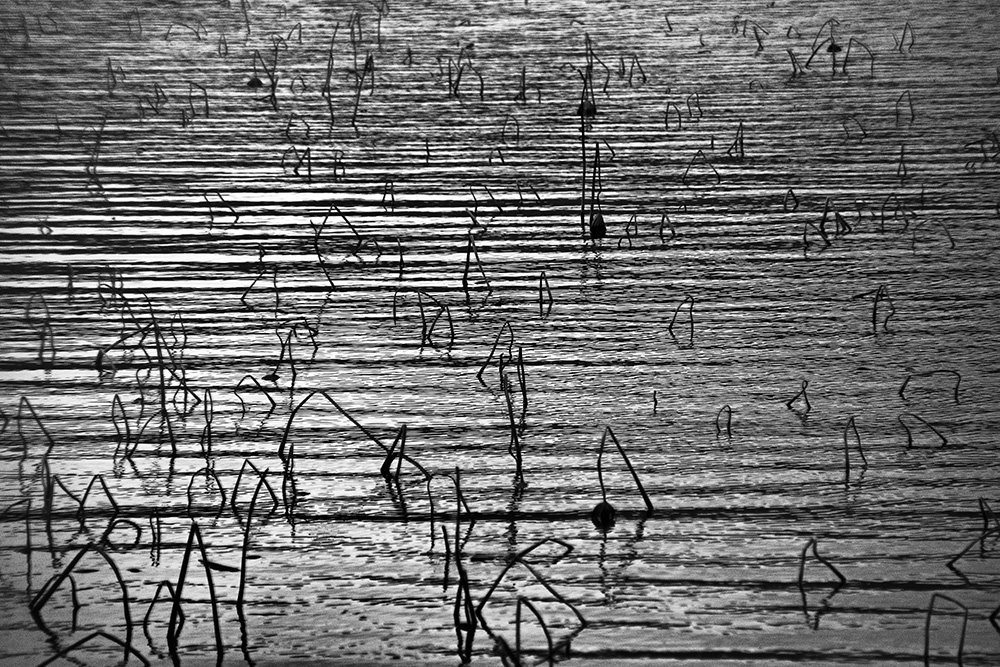
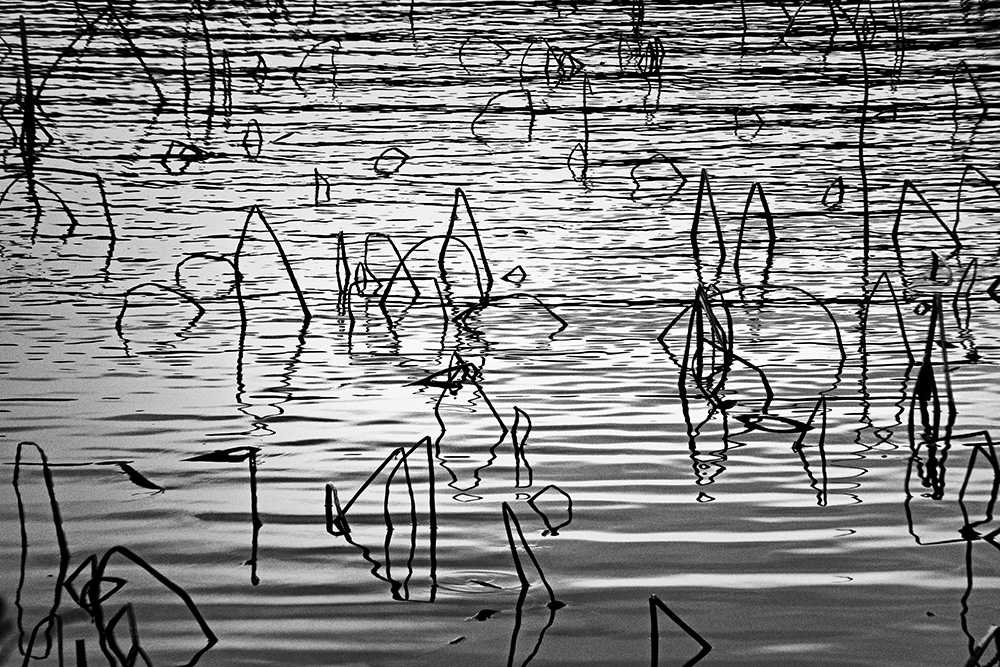
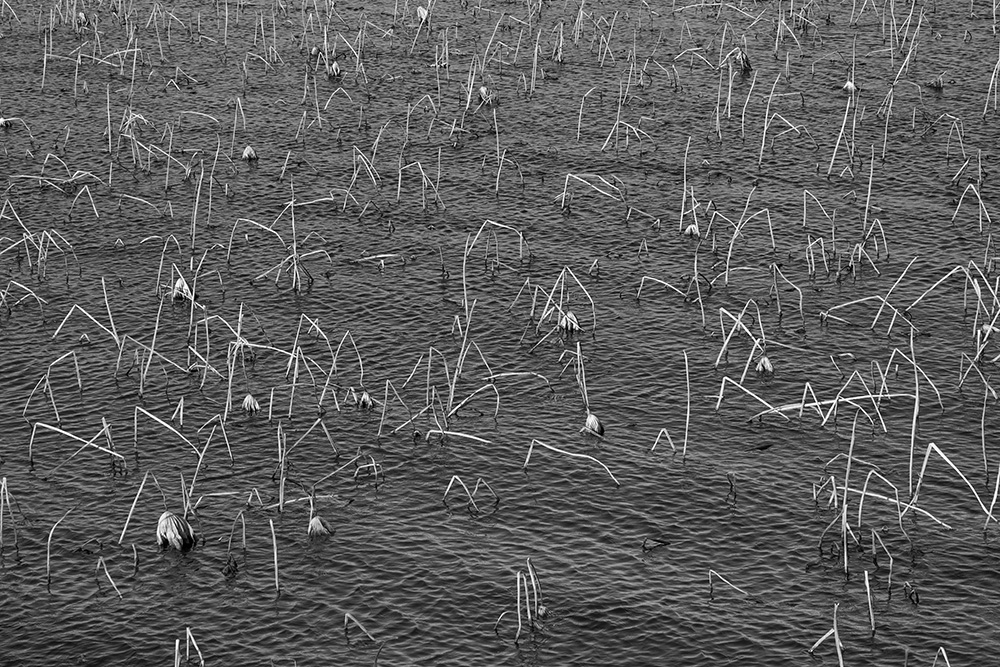
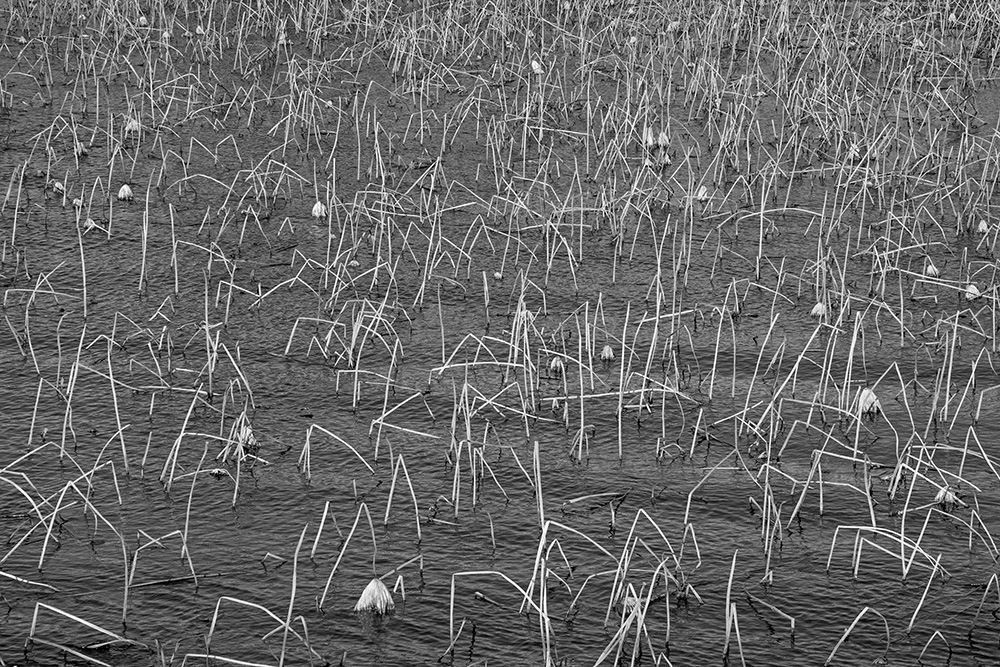
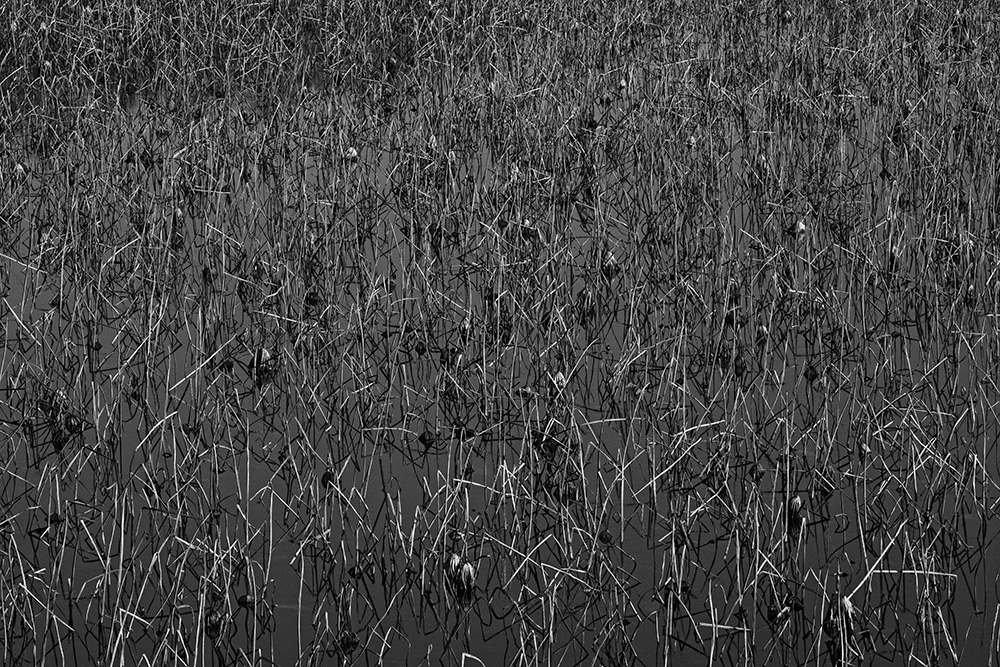
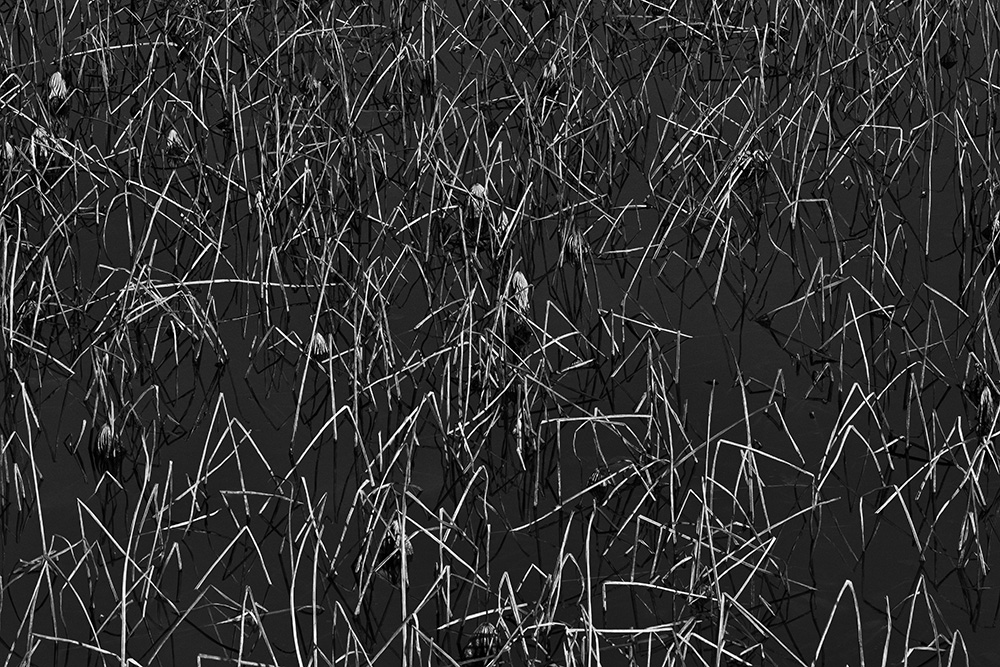
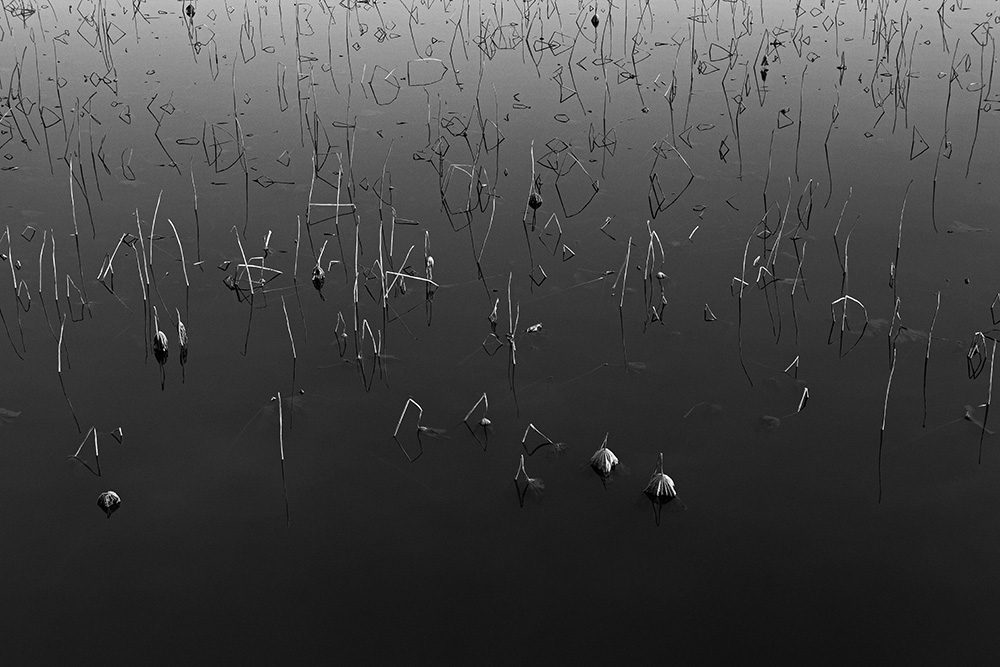
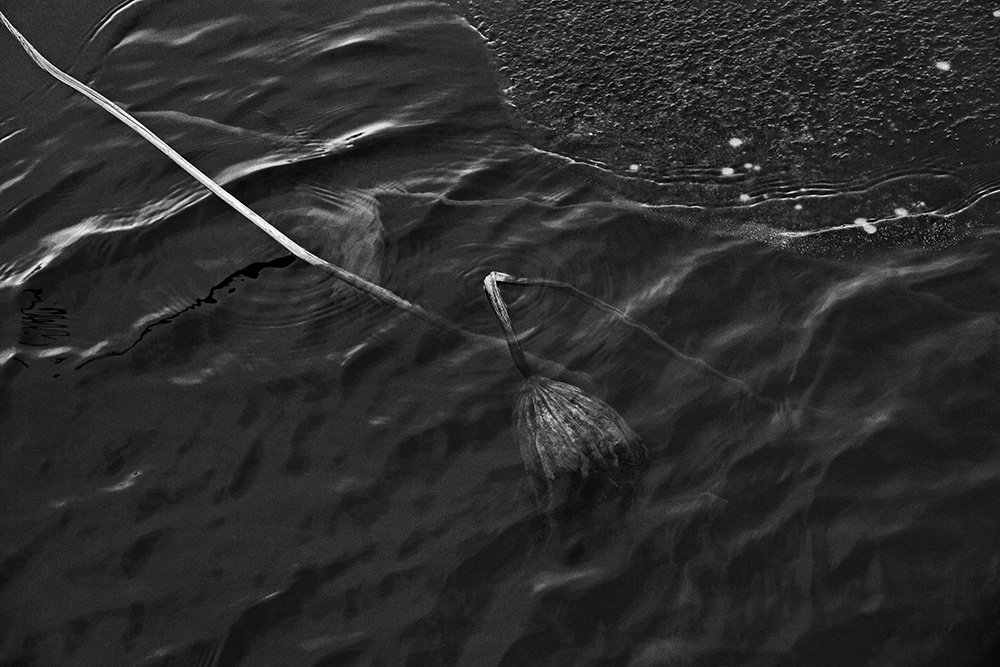
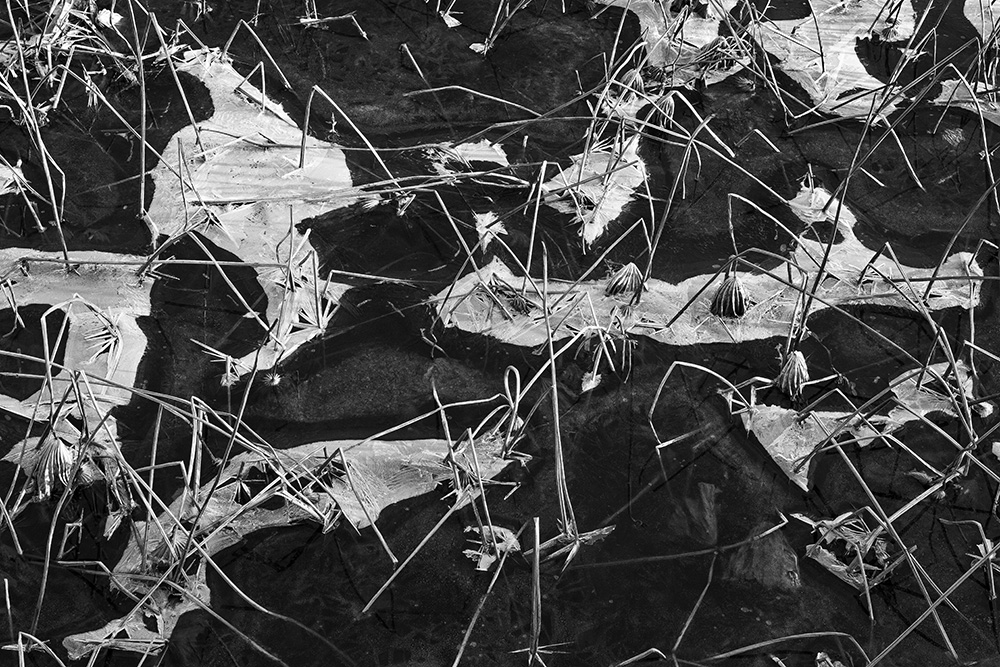
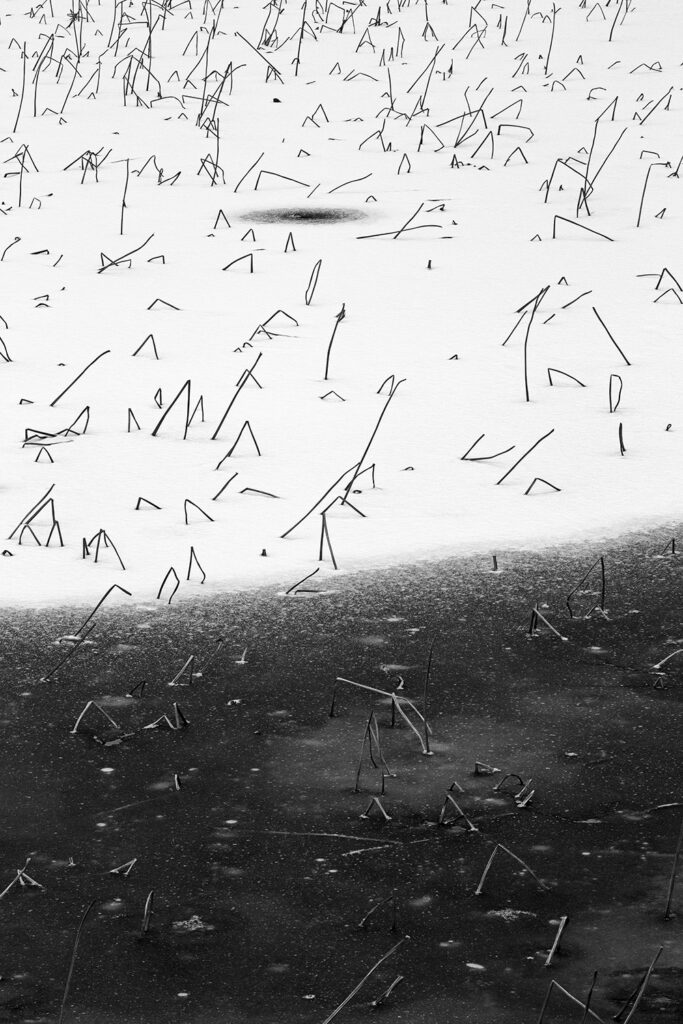
도심을 벗어나 한강 상류로 조금만 거슬러 올라가면, 콘크리트 제방이 사라지고 고즈넉한 자연의 품에 닿게 된다. 남한강과 북한강이 만나 수도 서울로 진입하는 마지막 관문이자 댐인 팔당. 철저히 상수원 보호구역으로 관리되어 개발이 제한된 이곳 수변에는, 겨울이 되면 줄기만 남은 연잎들이 물 위에 고요히 서 있다. 여름 동안 수면을 가득 덮었던 넓은 잎과 화려한 꽃은 사라지고, 마른 줄기만이 차가운 공기 속에서 물결을 따라 흔들린다.
과거 한강의 풍경은 지금과 사뭇 달랐다. 조선 후기의 지리서인 『택리지』를 비롯한 옛 문헌을 보면, 현재의 용산 일대인 ‘남호(南湖)’는 물결이 잔잔해 연꽃이 무성했고 고려시대에는 임금이 직접 꽃구경을 나설 정도였다고 한다. 하지만 도시 개발이 진행되면서 도심의 연꽃 풍경은 대부분 사라졌고, 이제 그 흔적은 상류인 팔당 부근에서나 찾아볼 수 있게 되었다. 마치 도시 사람들의 식수를 맑게 정화하려는 듯 강물이 품어 키워내는 이 수변의 연꽃 군락은 사라진 옛 한강의 모습을 조금이나마 되찾아준다.
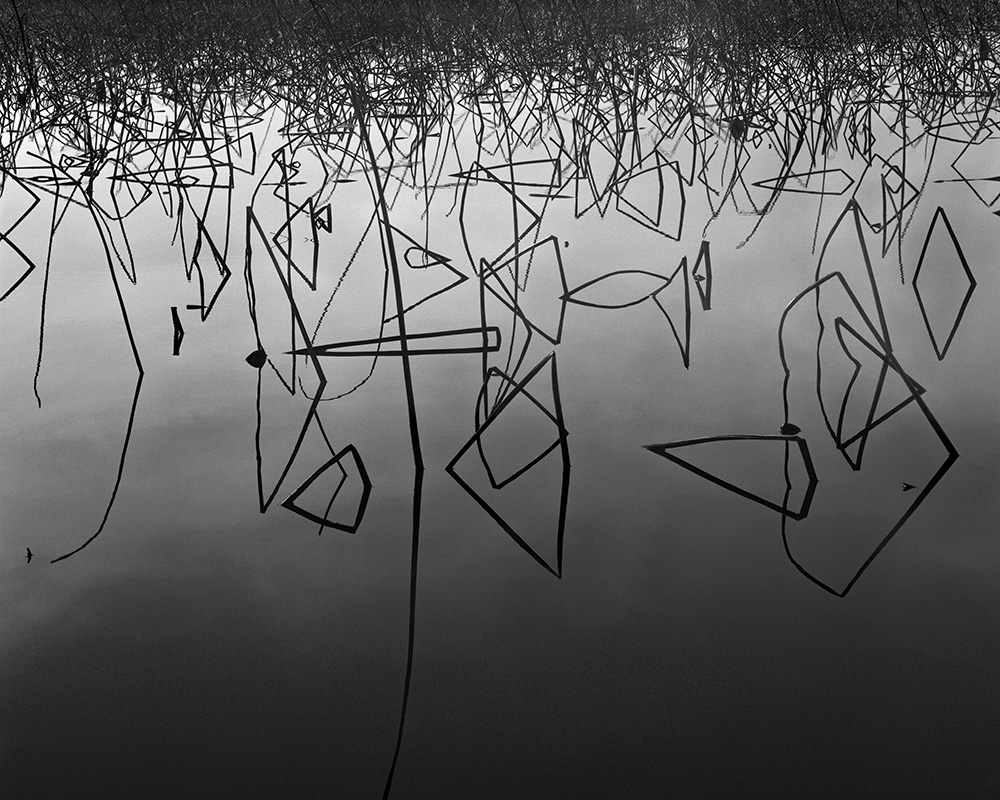
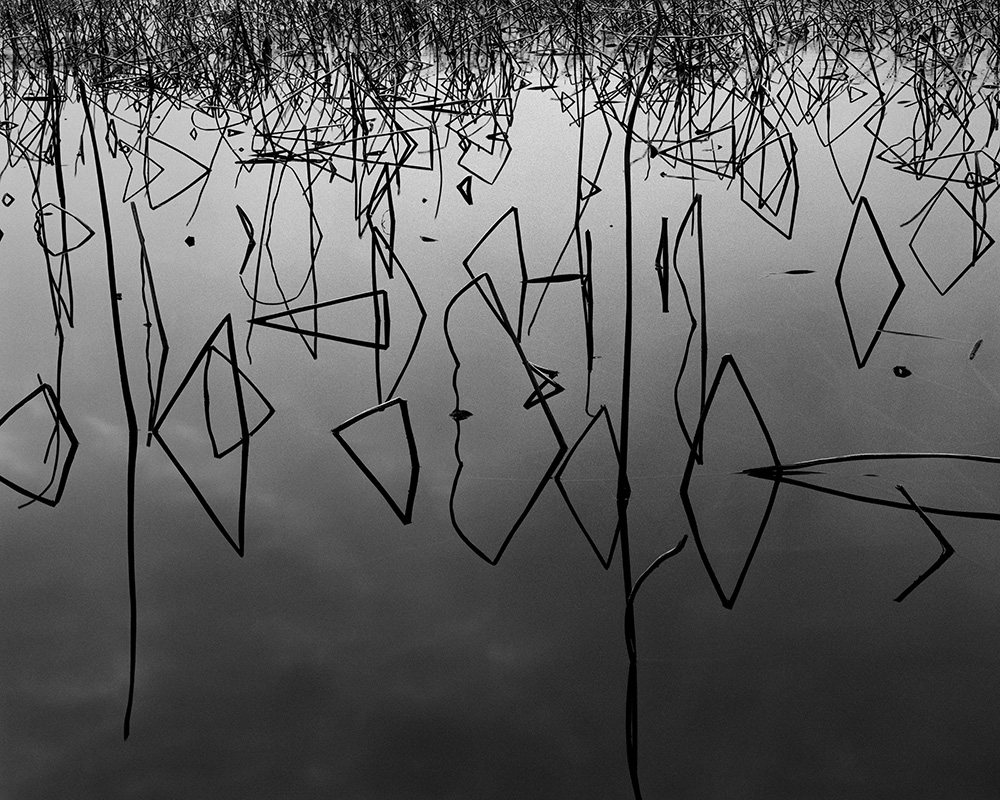
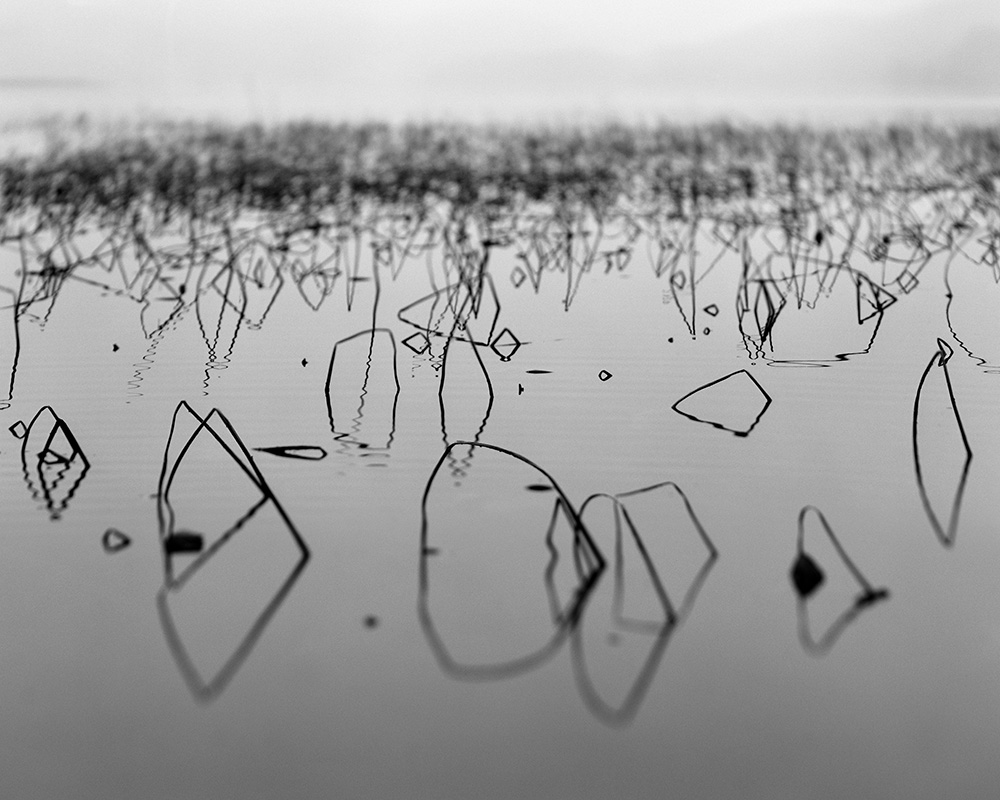
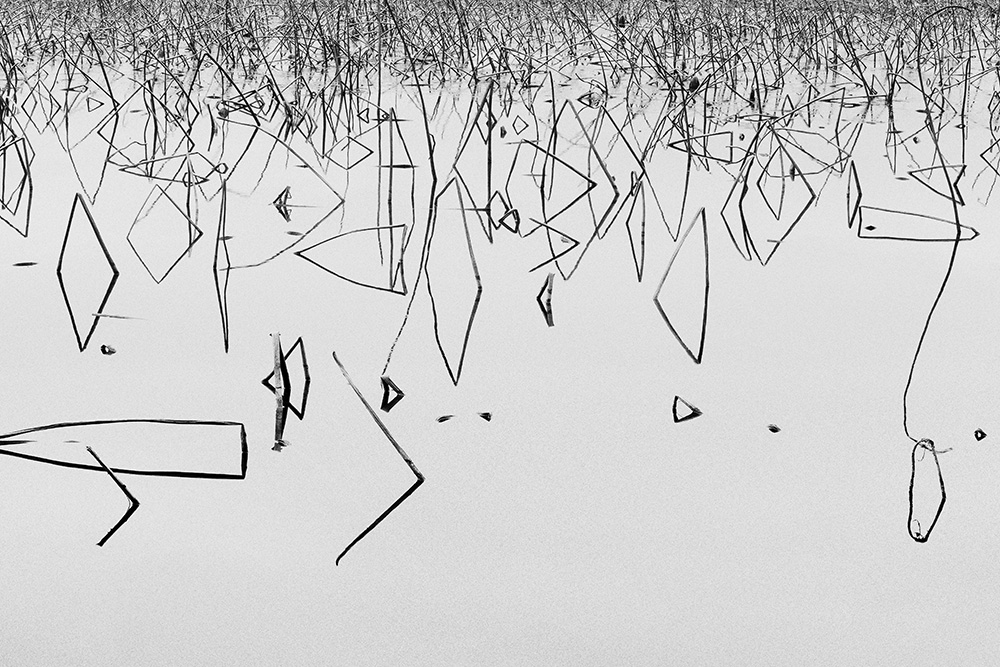
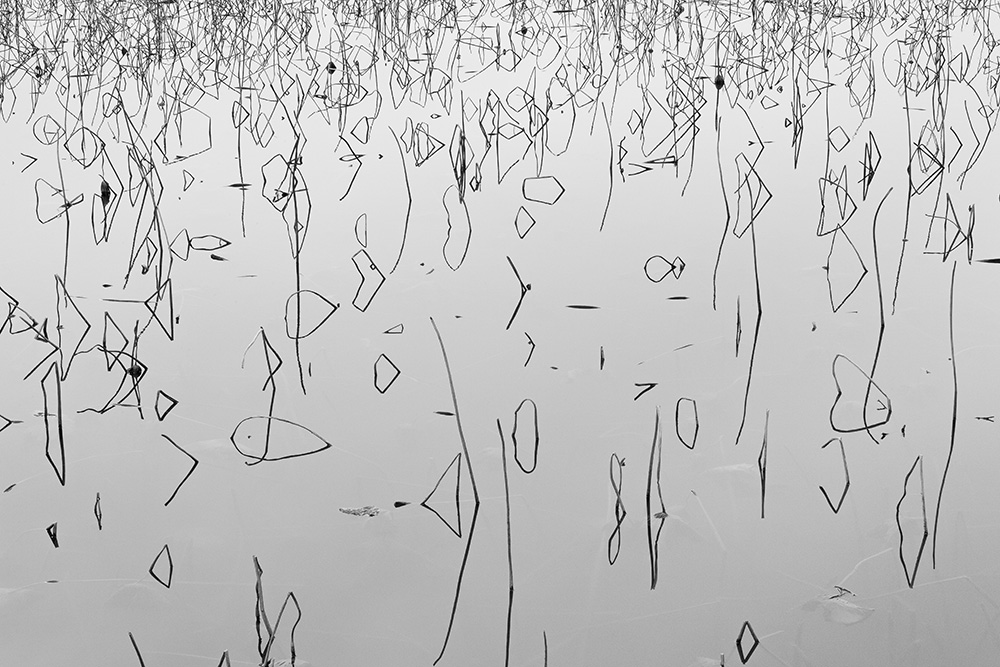
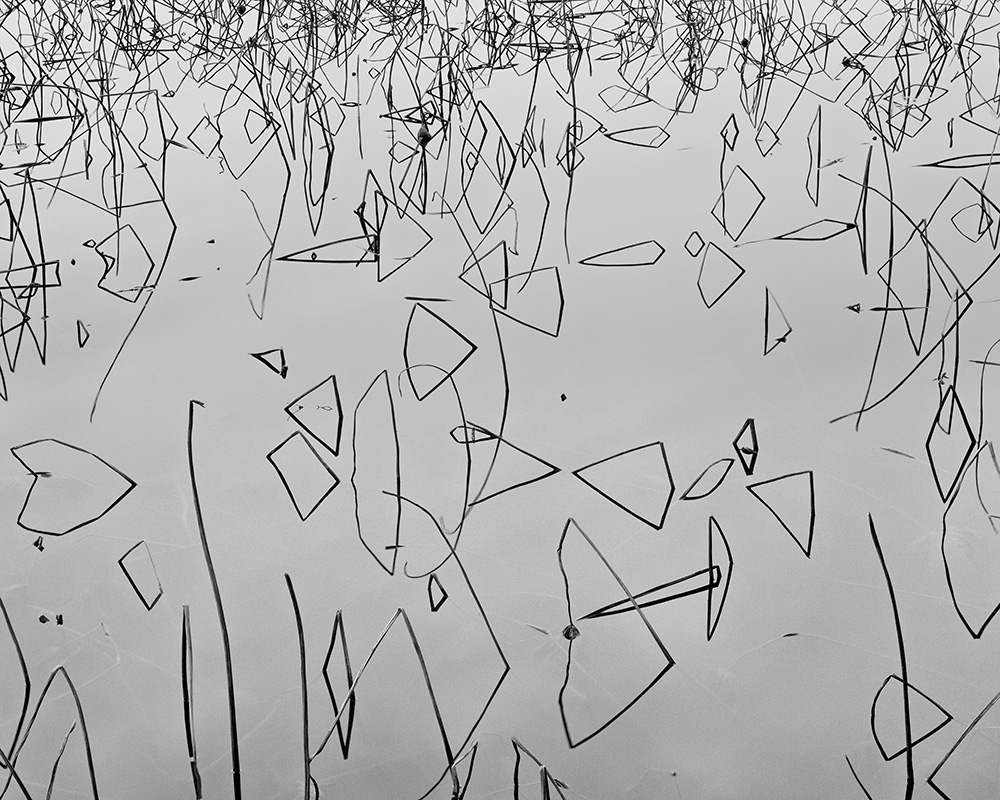
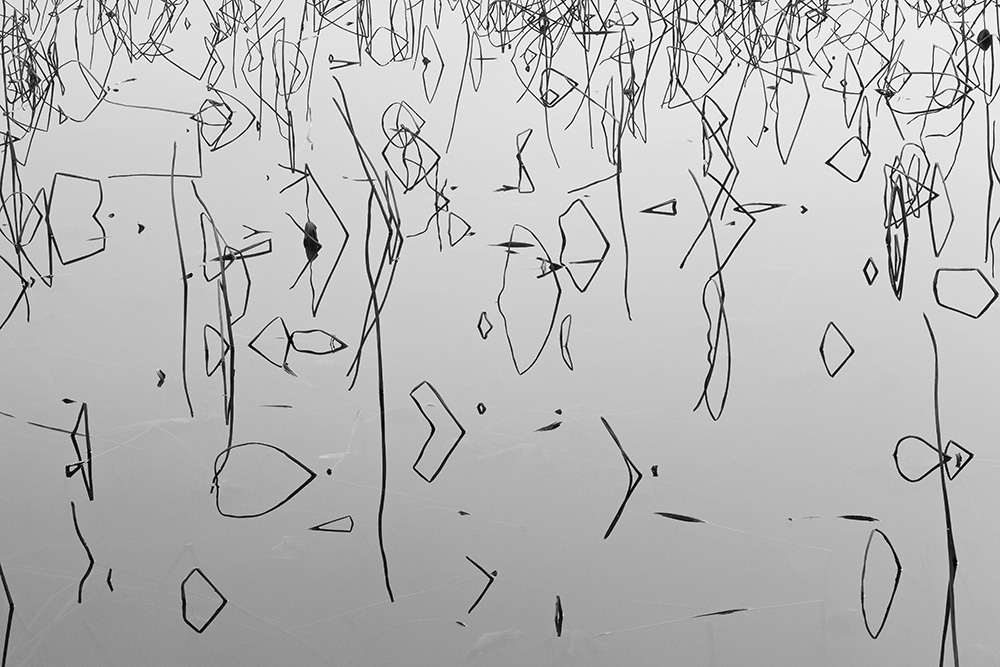
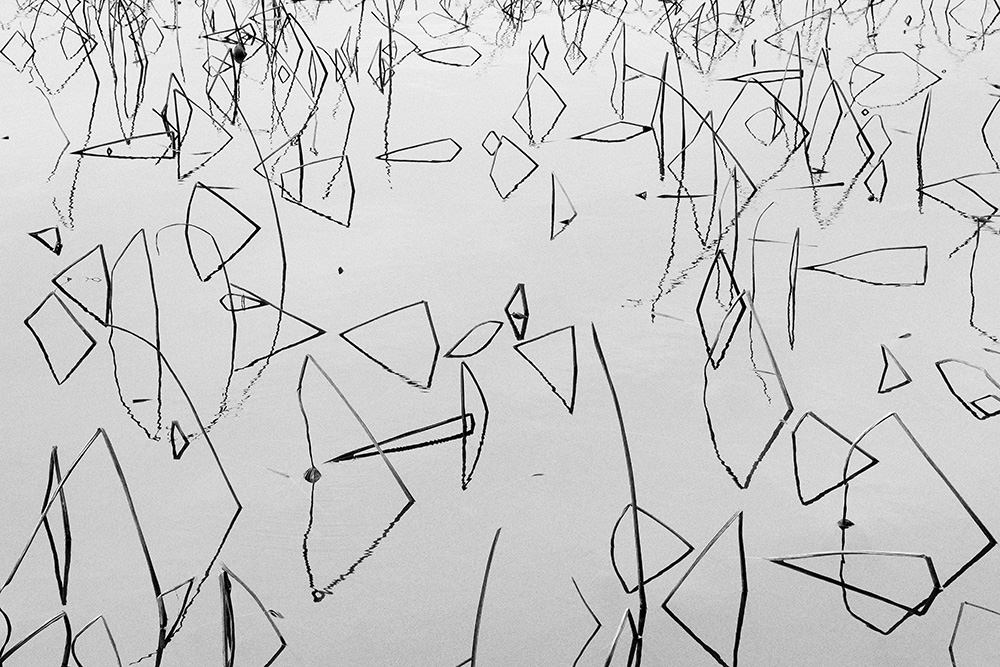
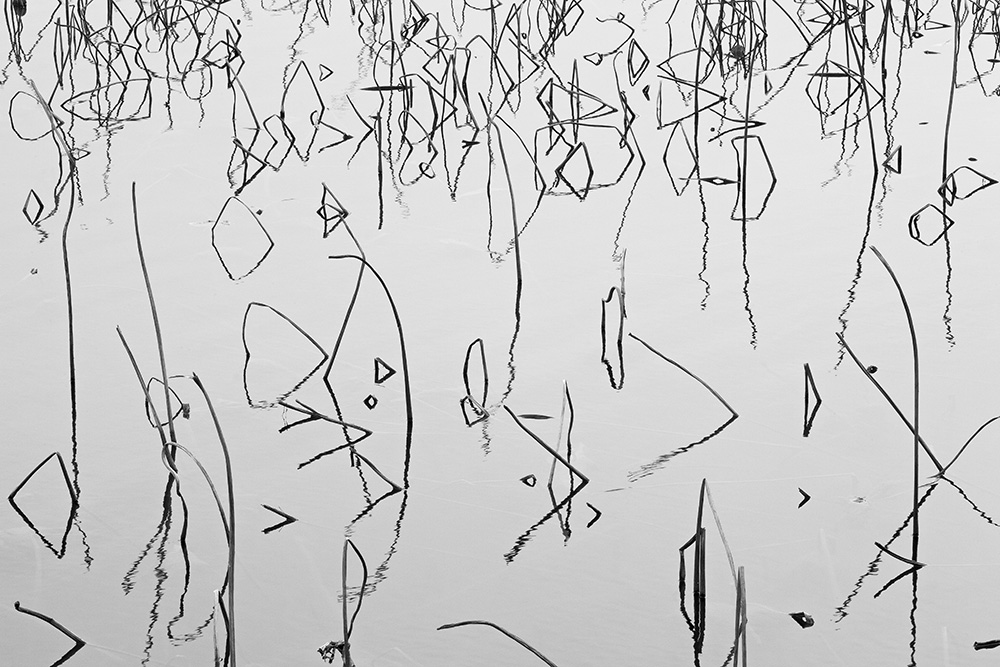
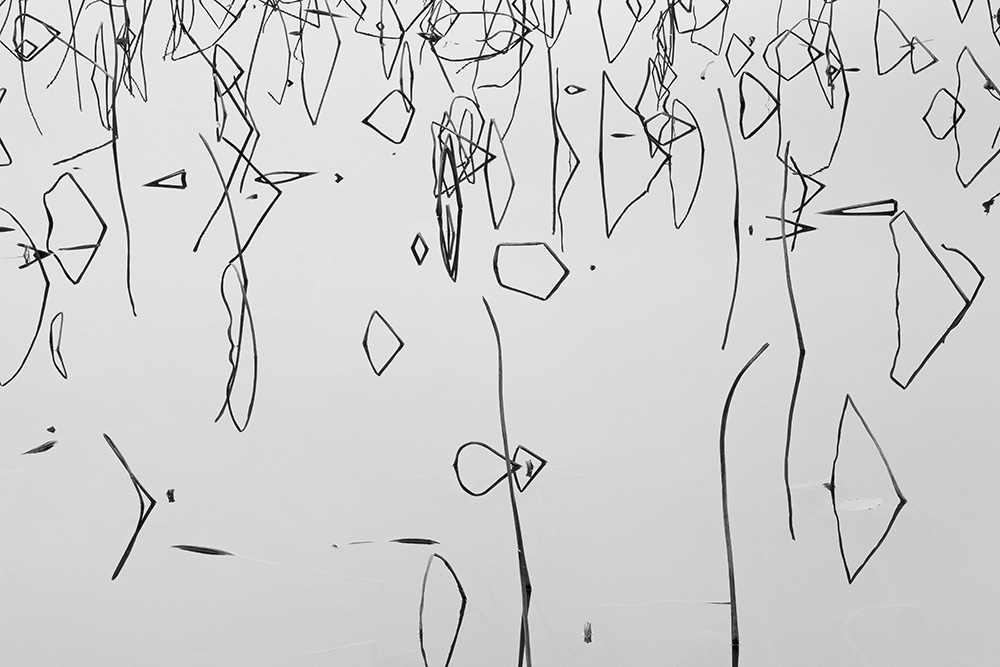
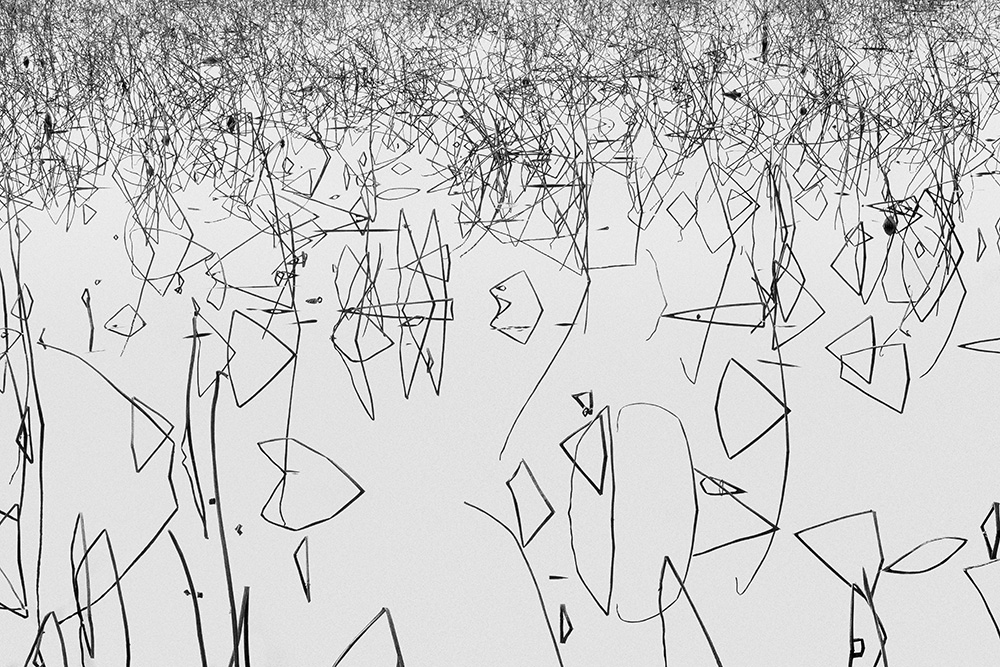
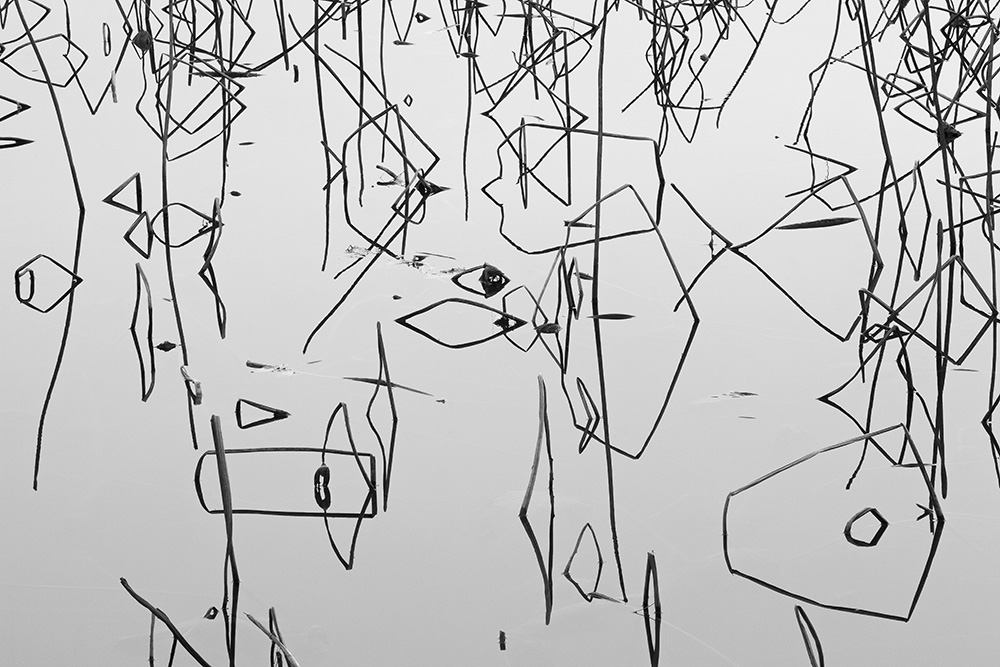
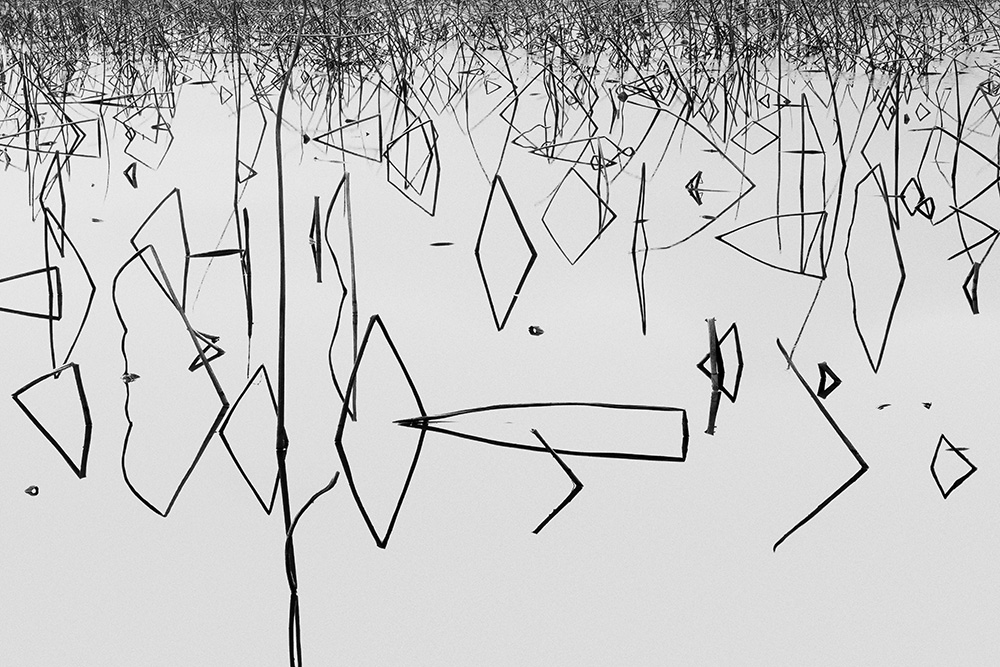
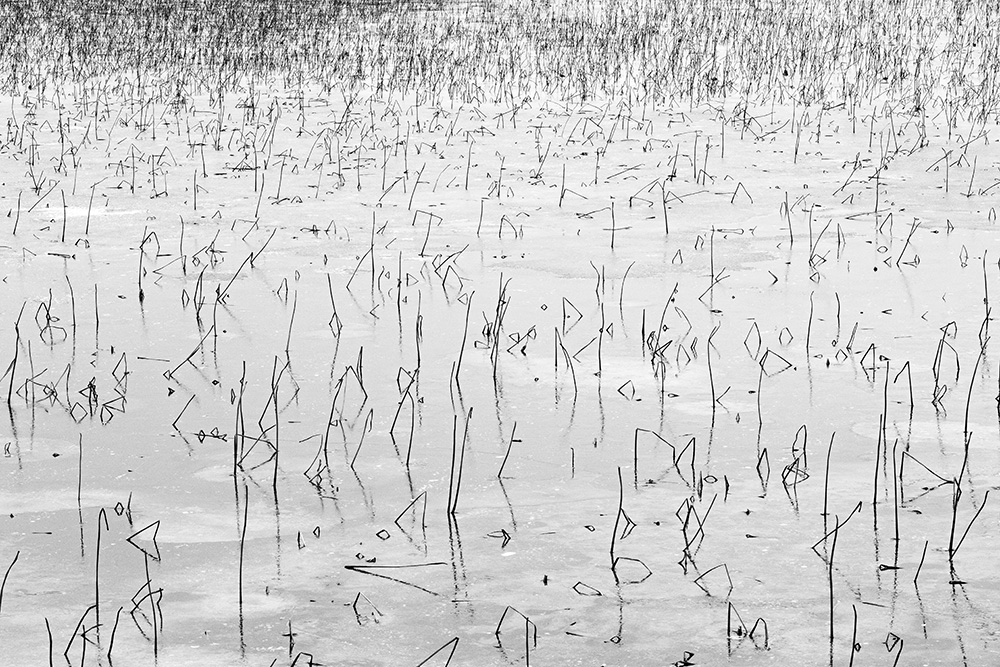
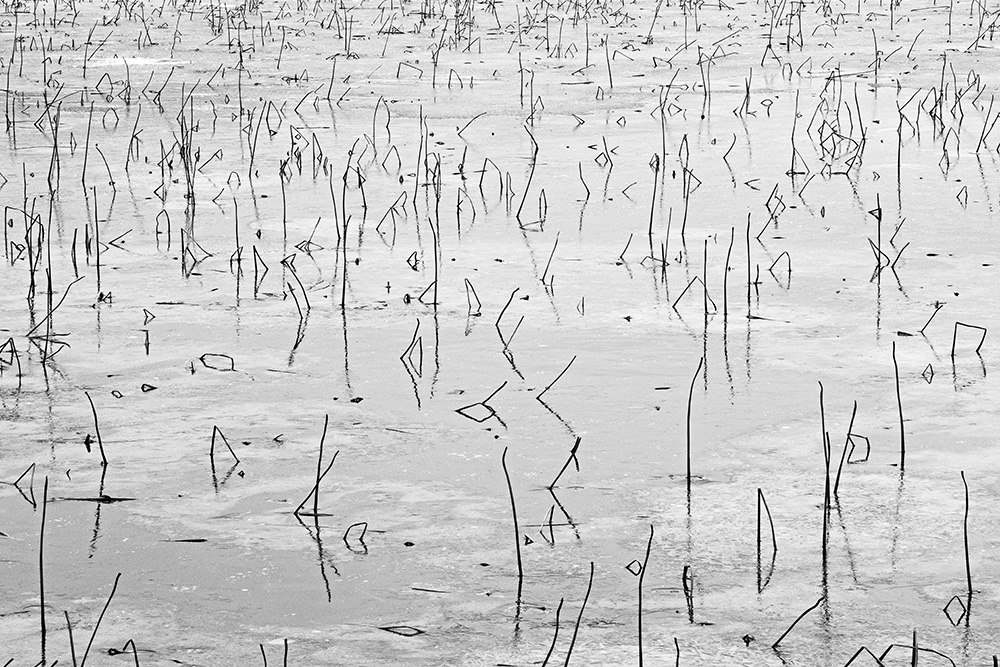
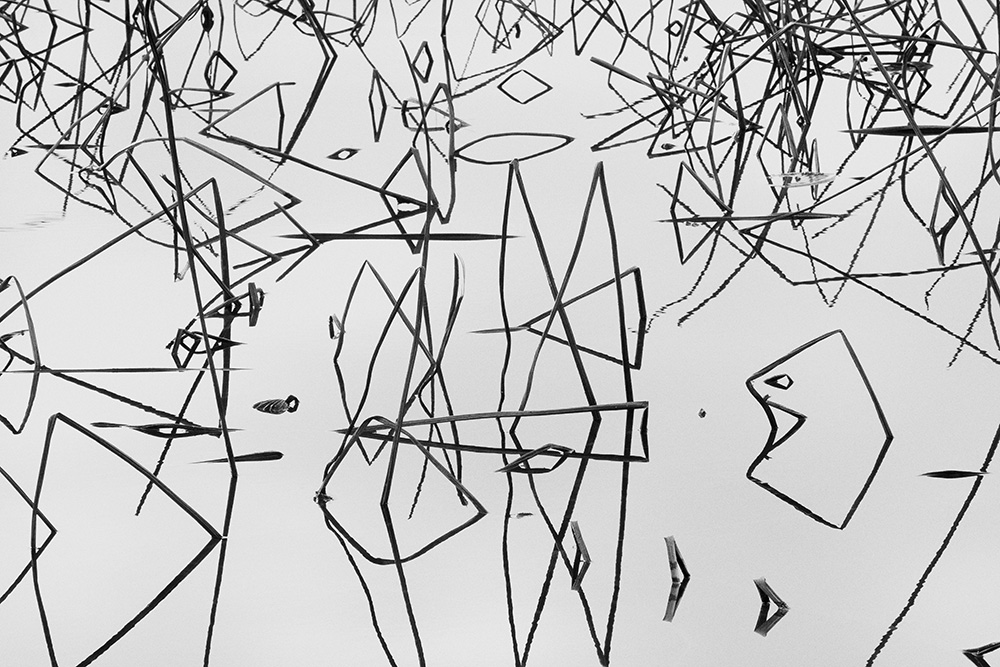
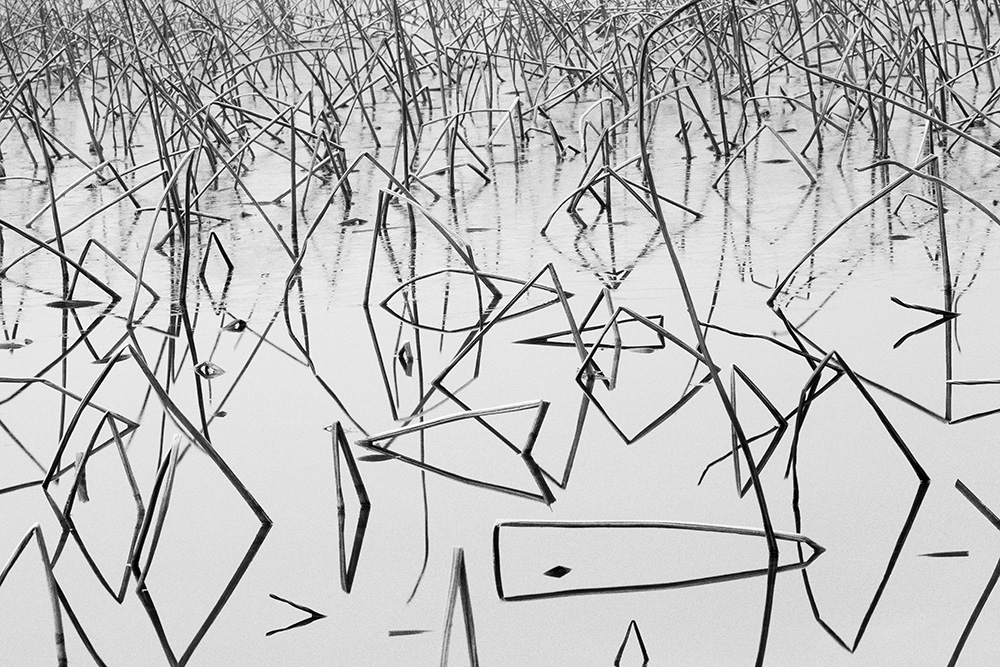
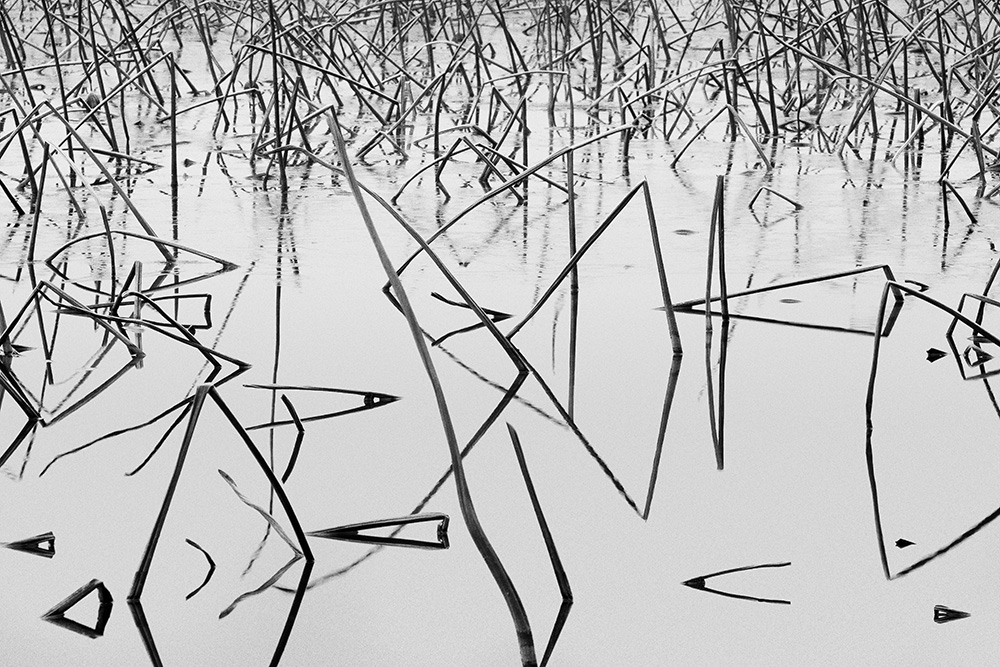
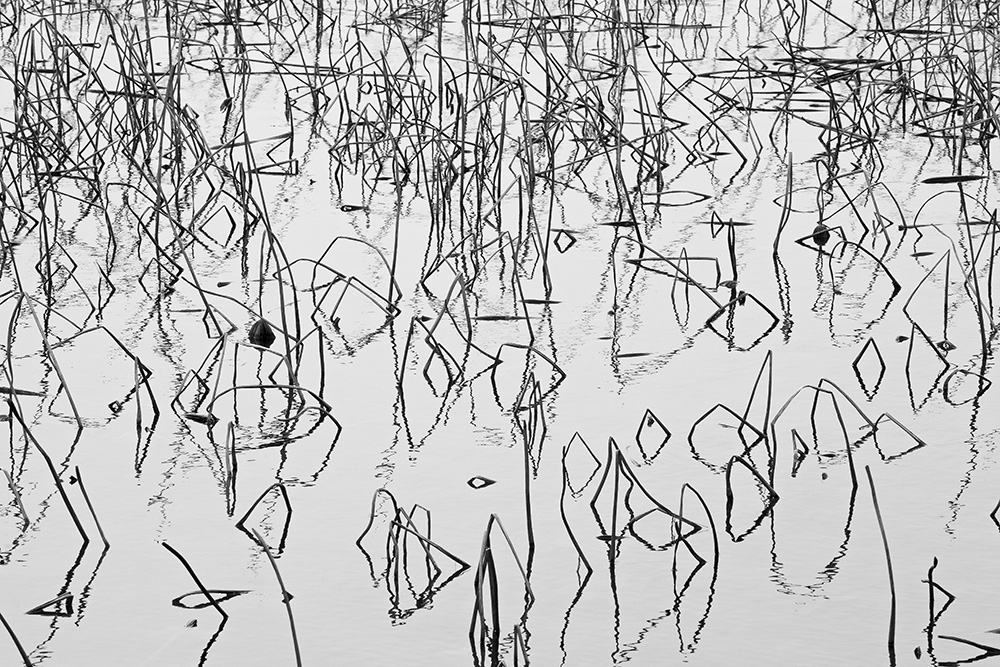
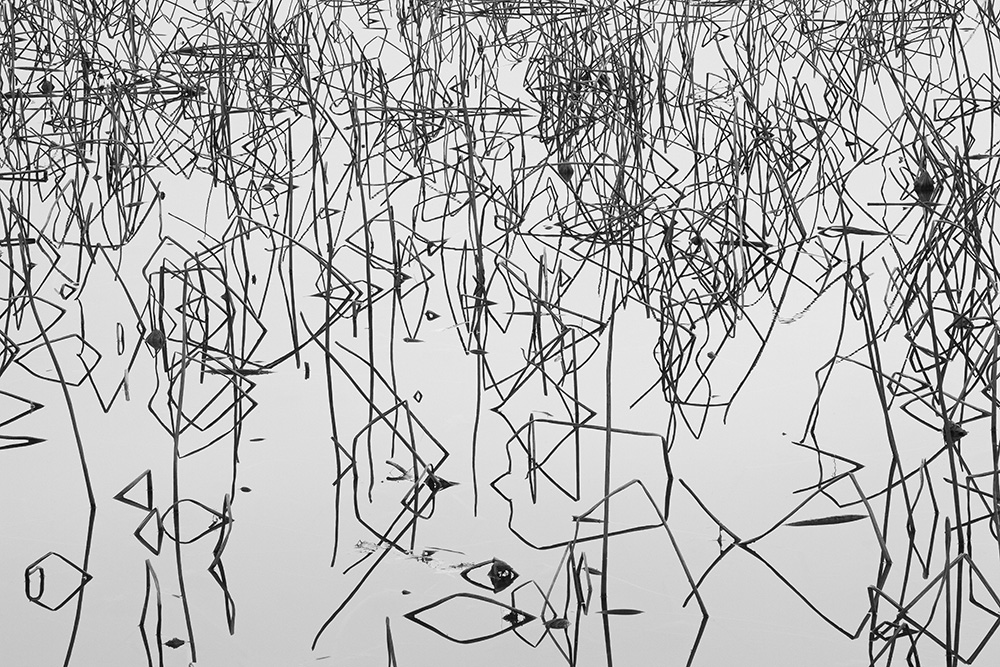
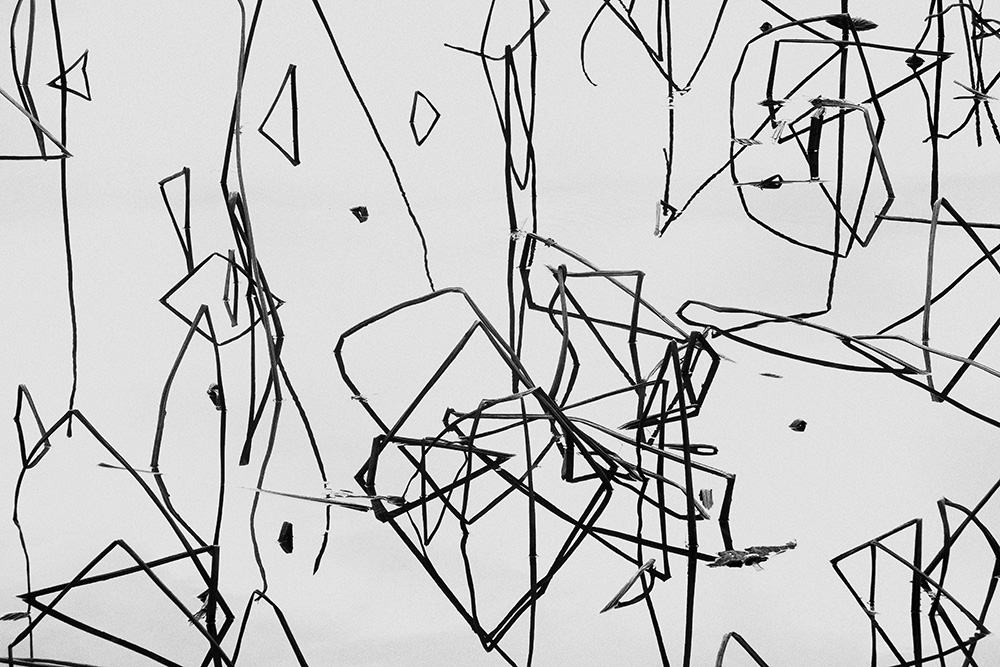
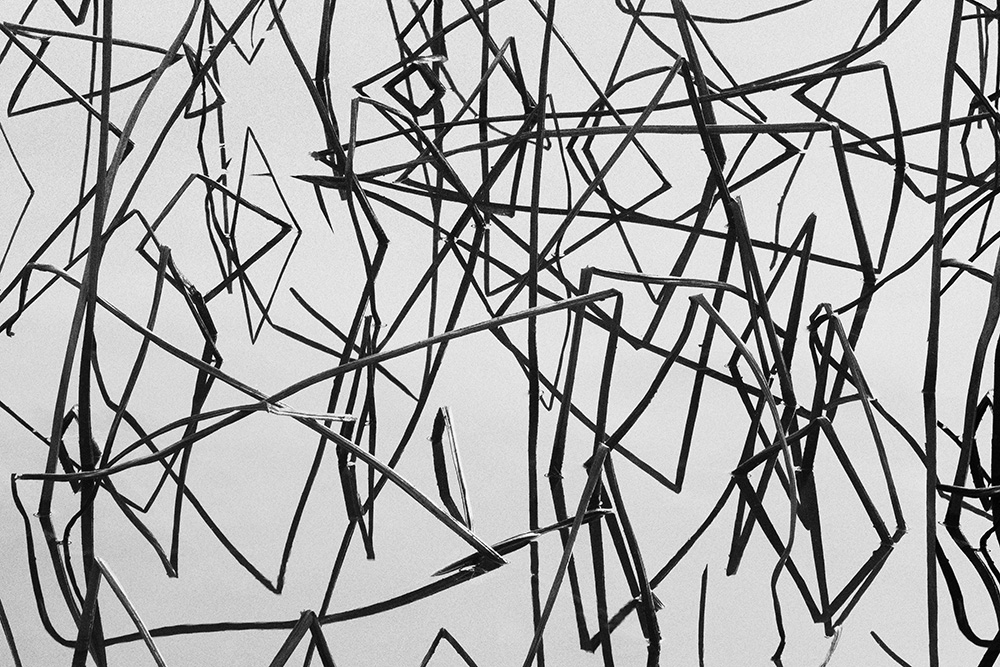
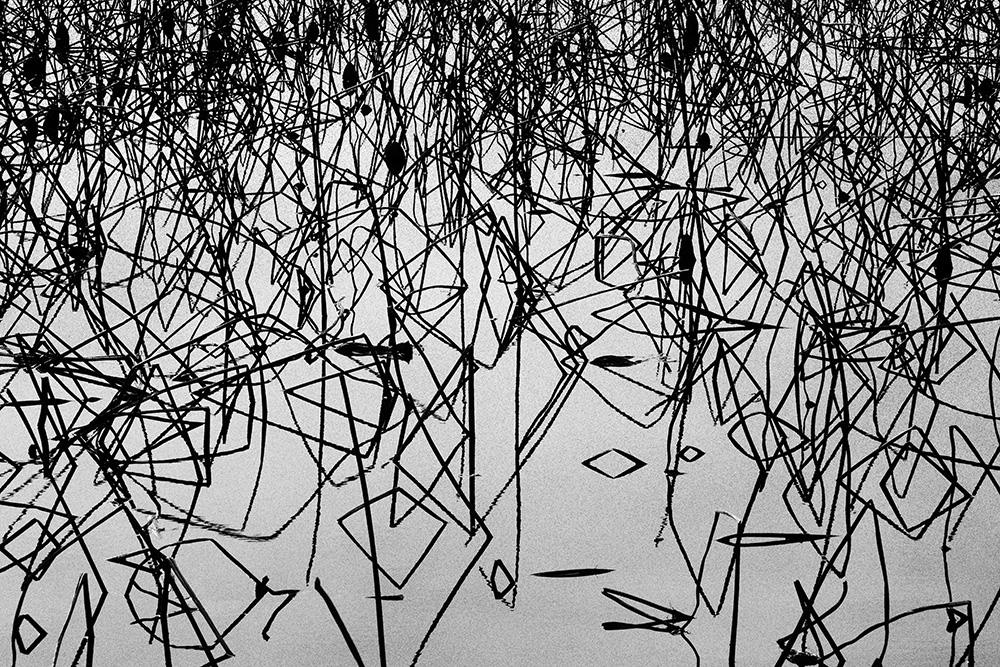
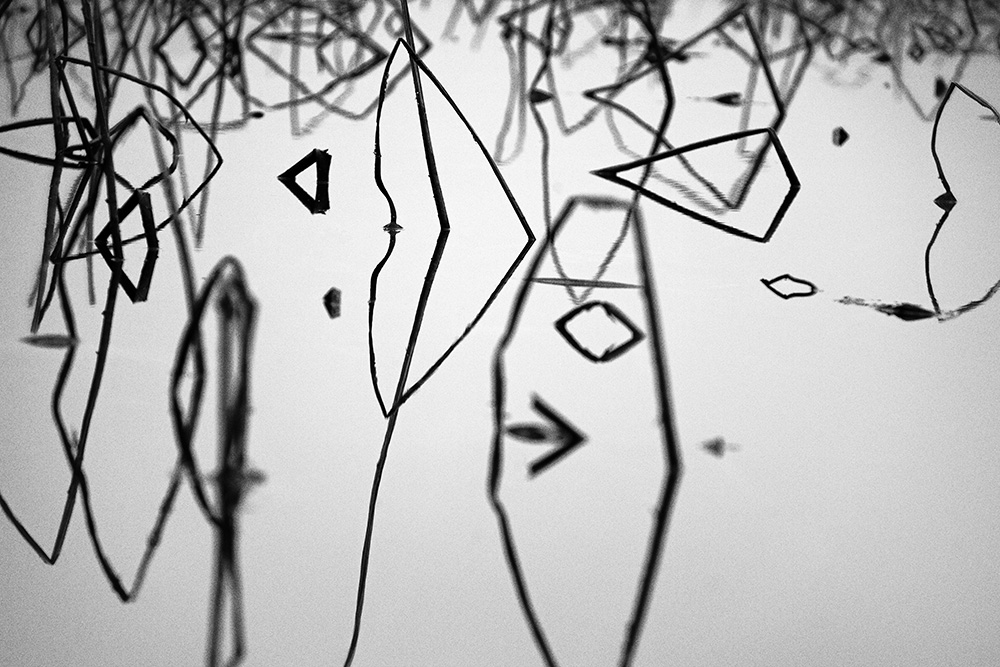
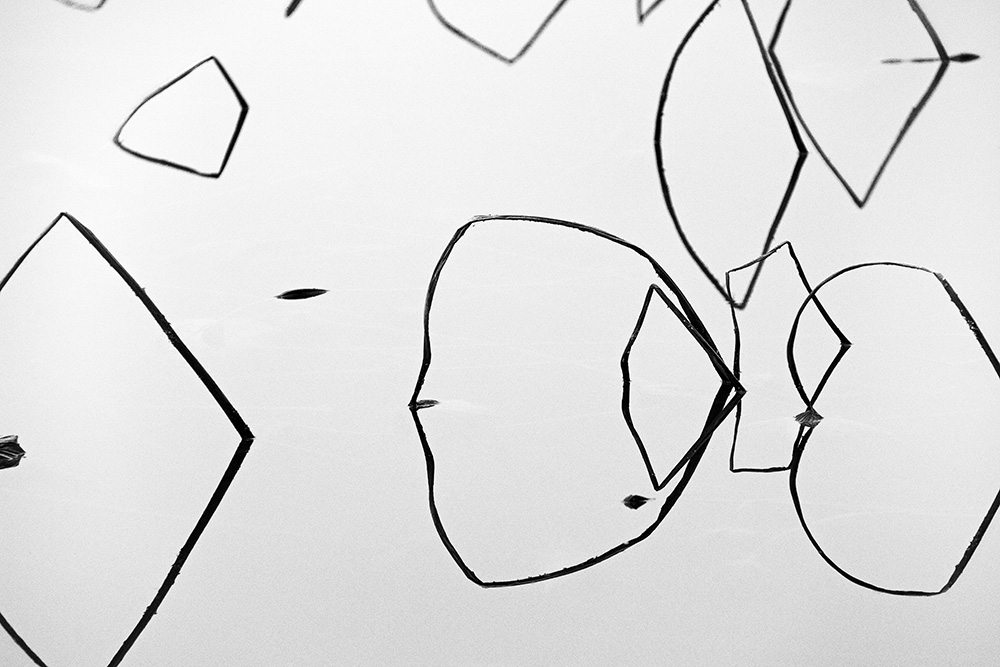
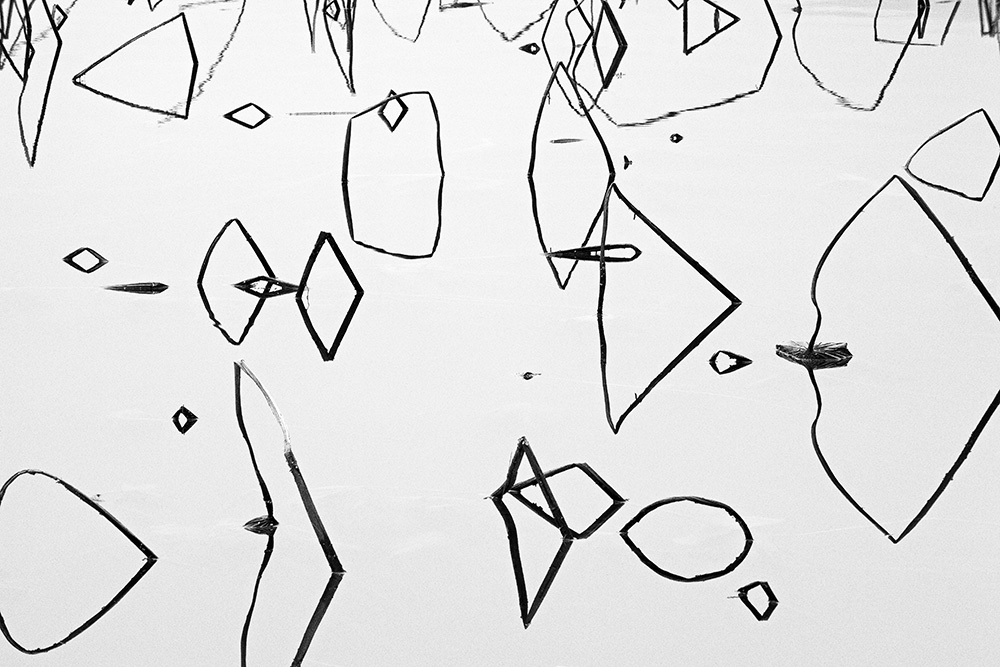
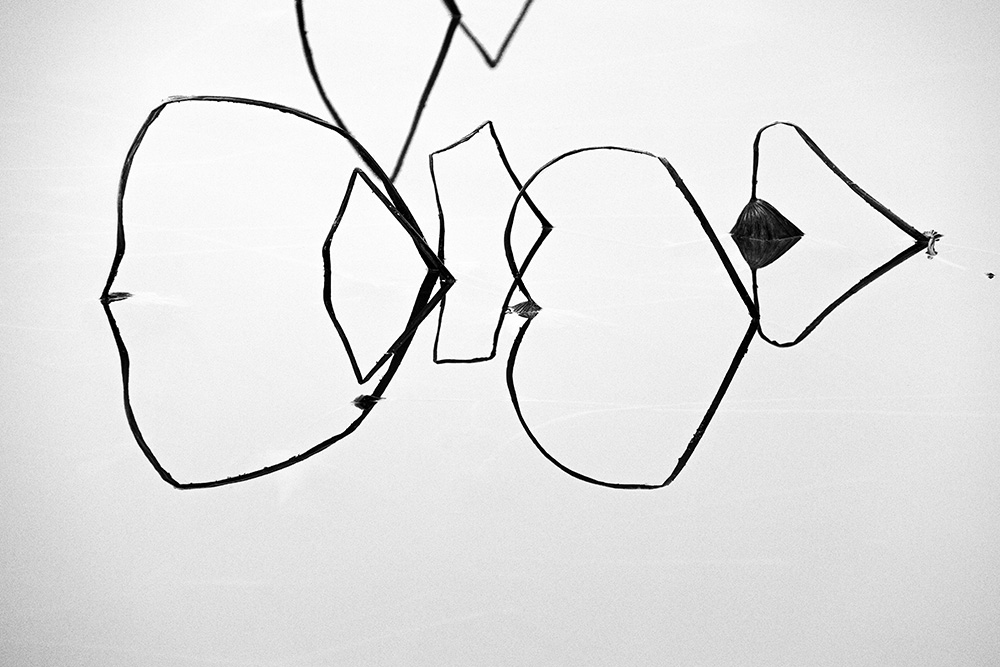
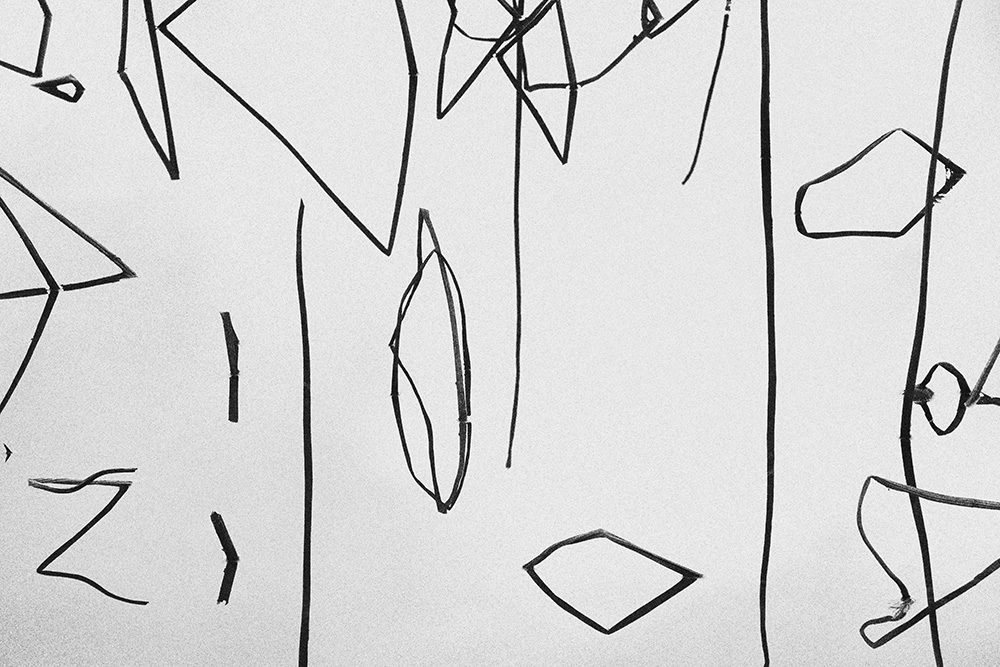
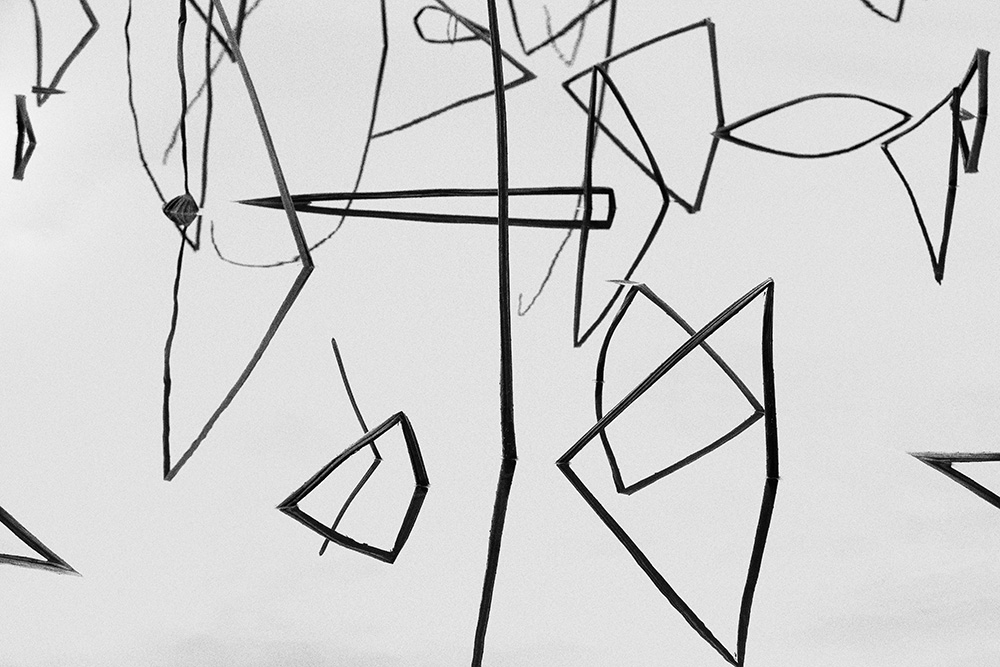
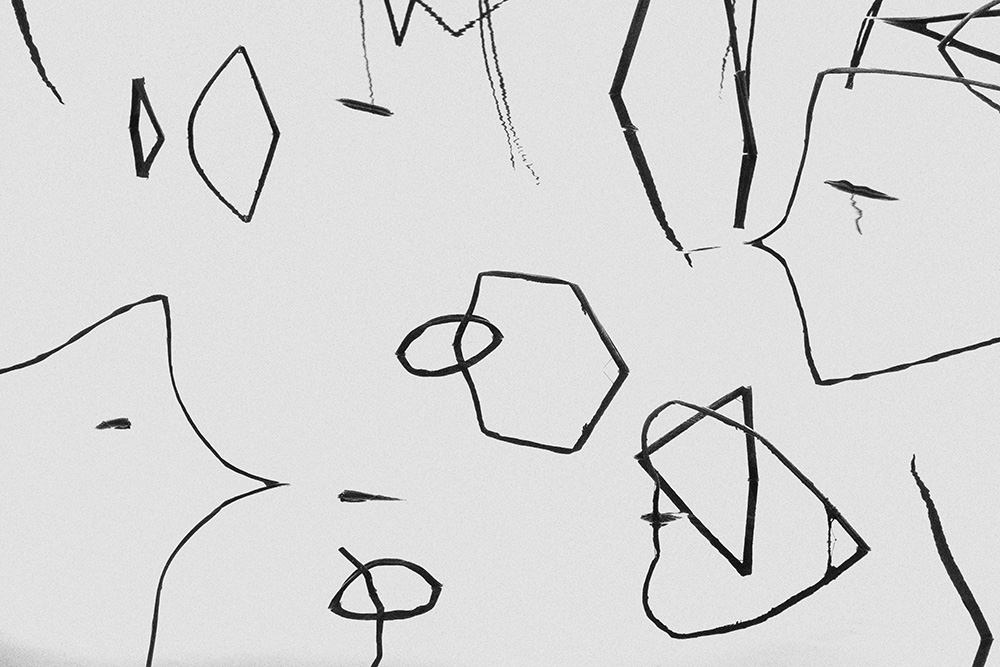
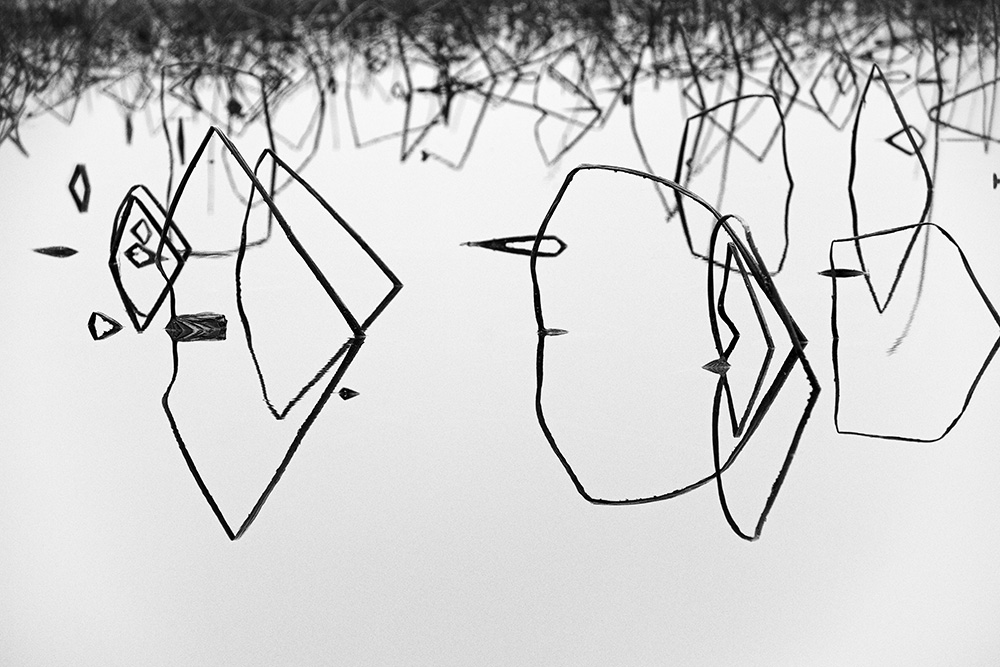
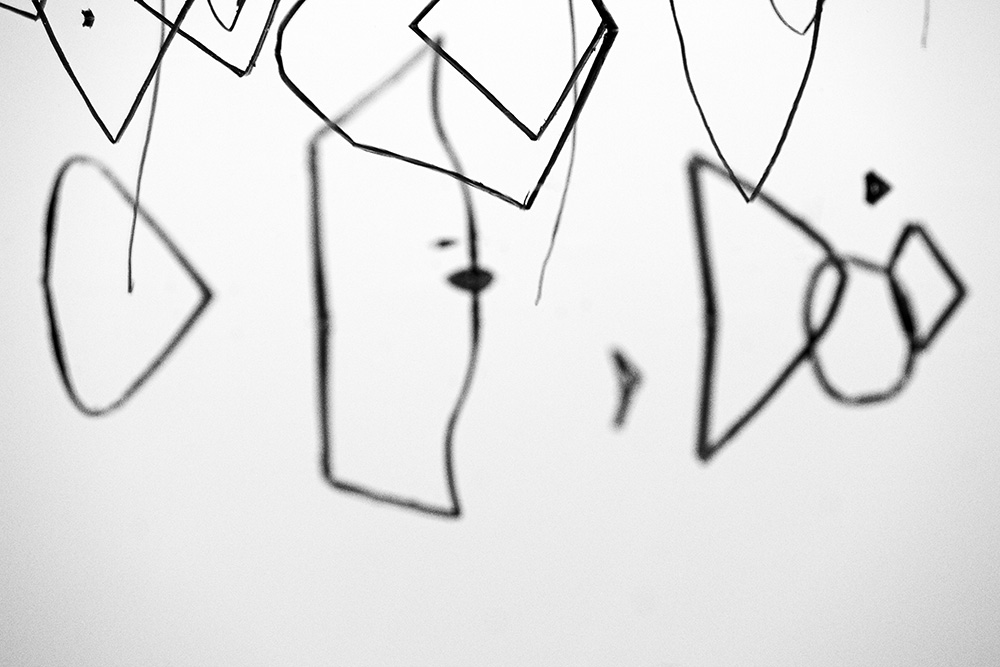
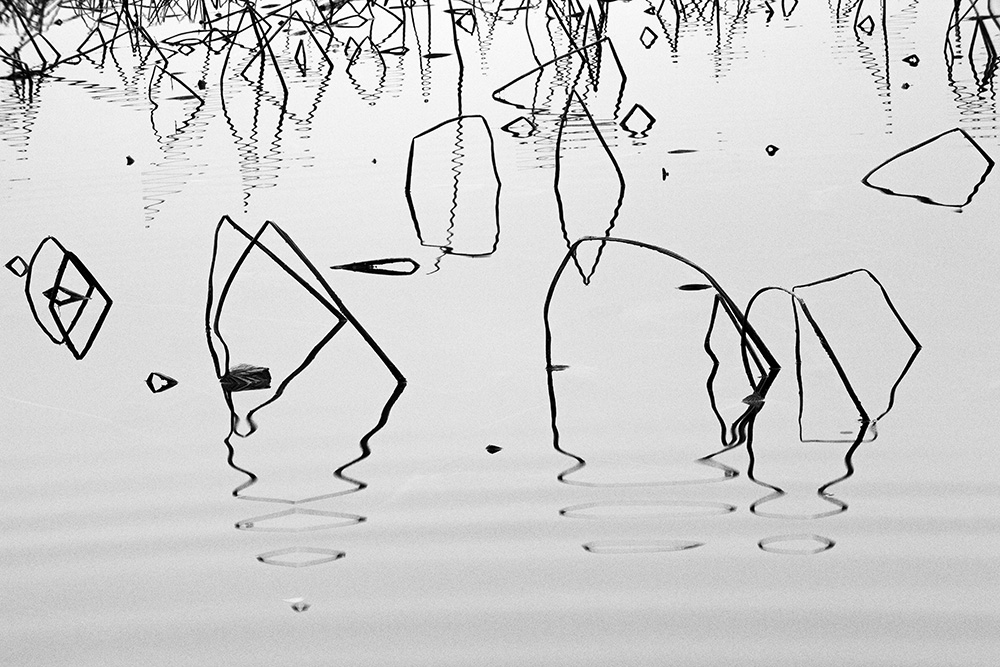
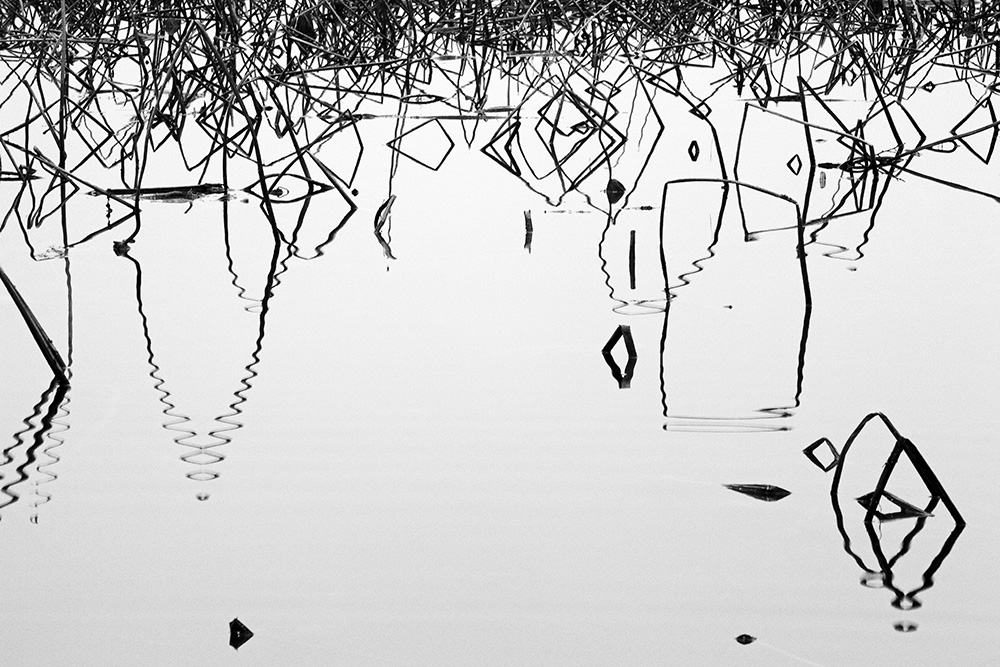
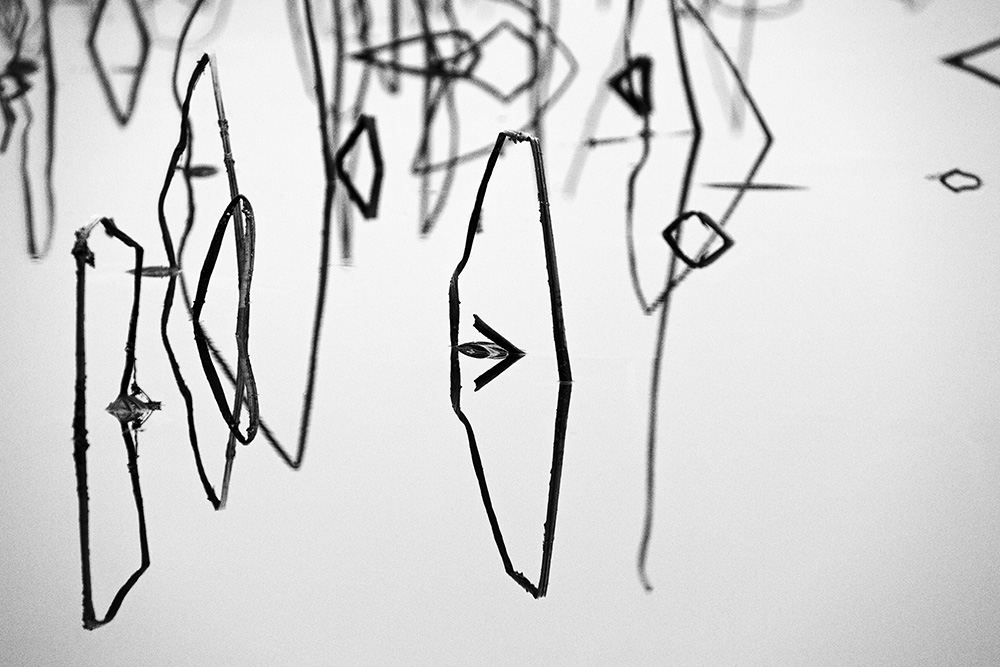
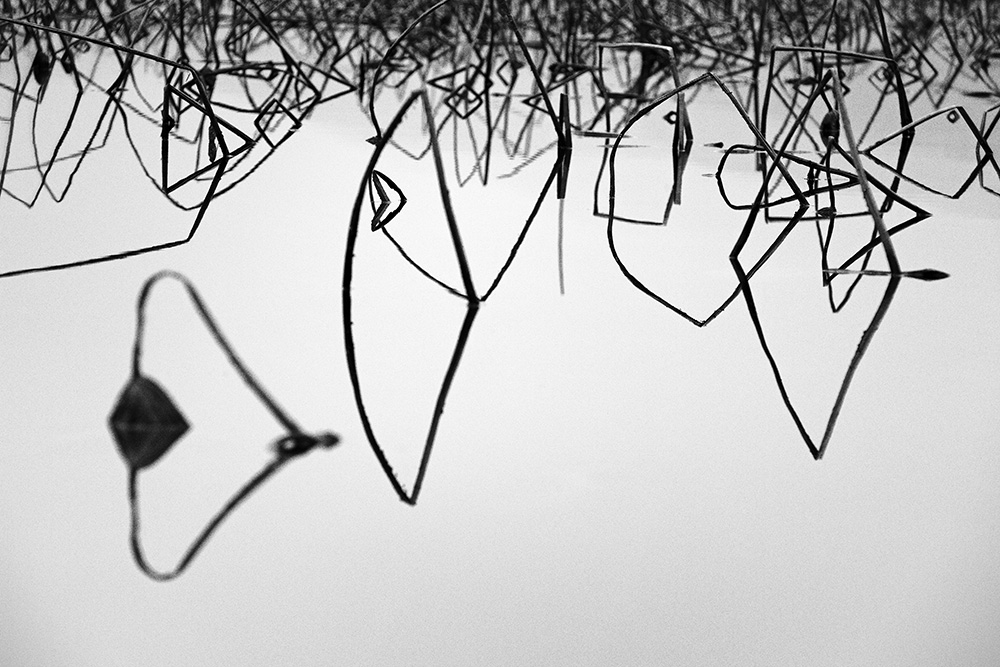
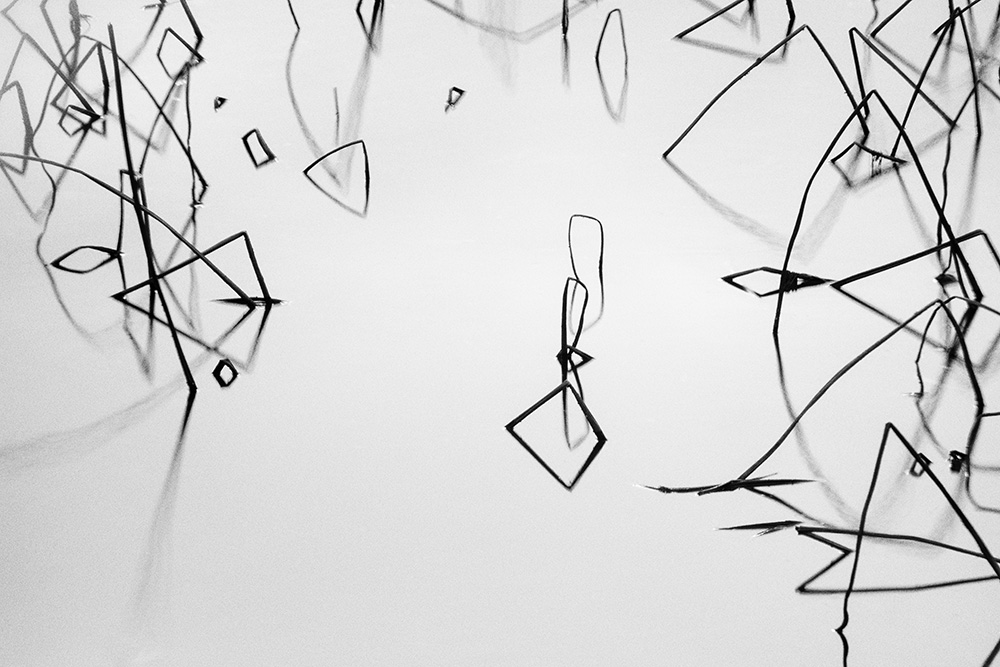
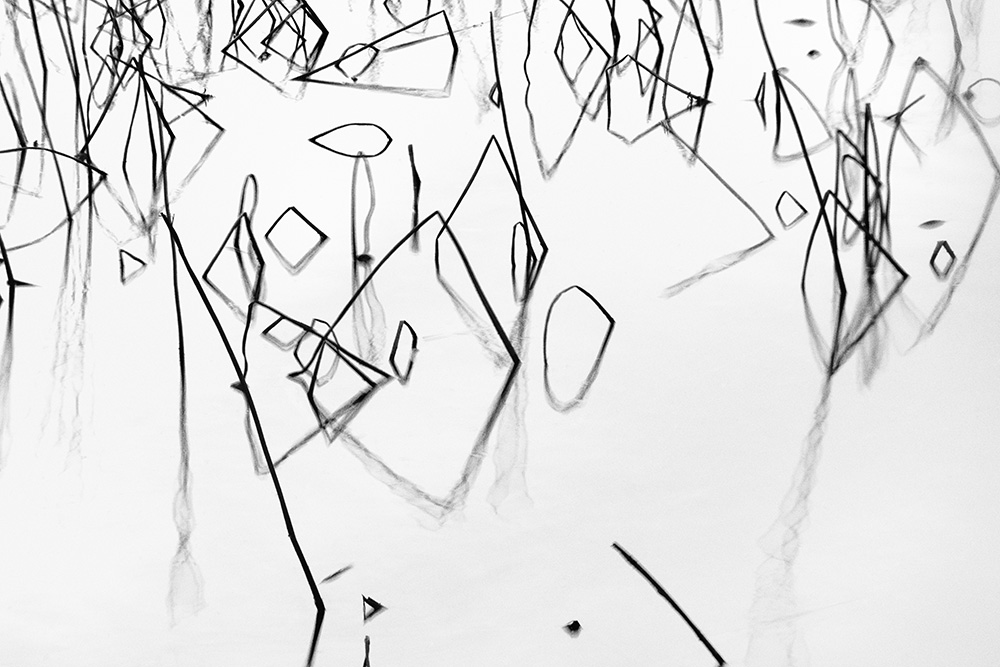
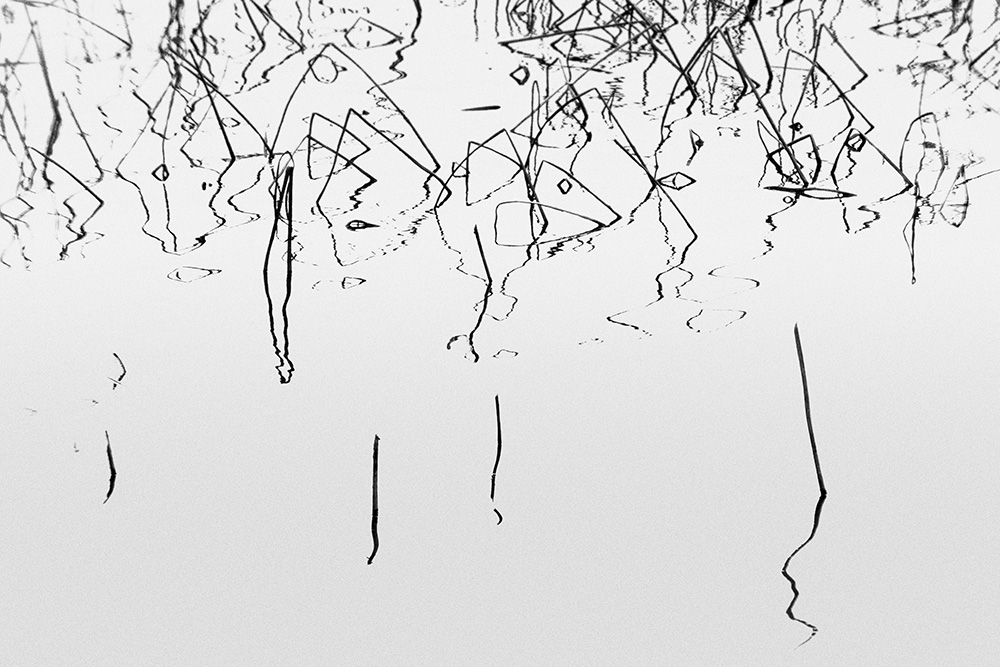
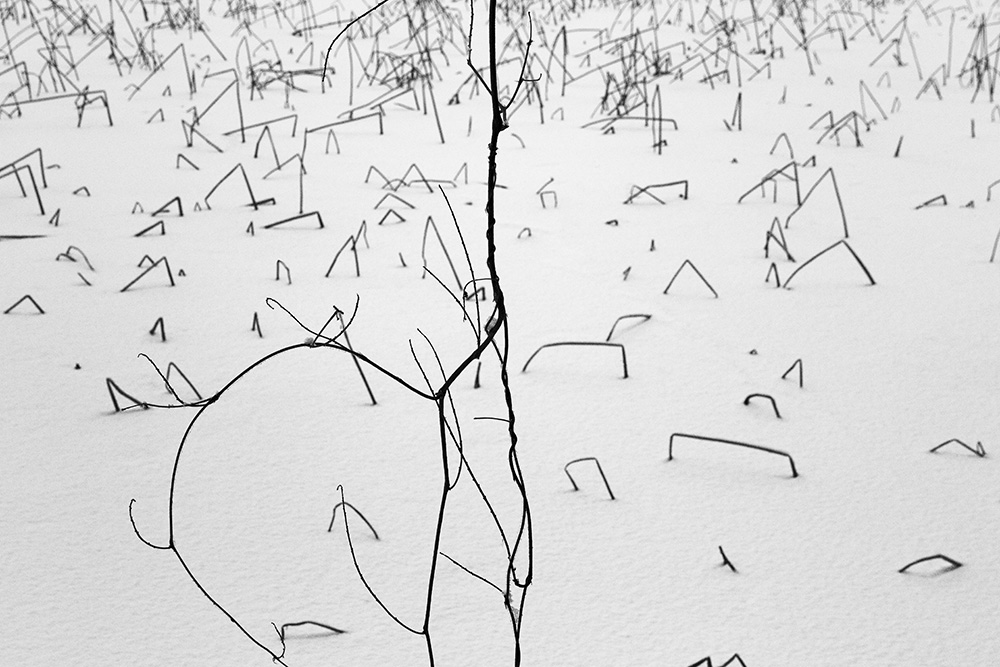
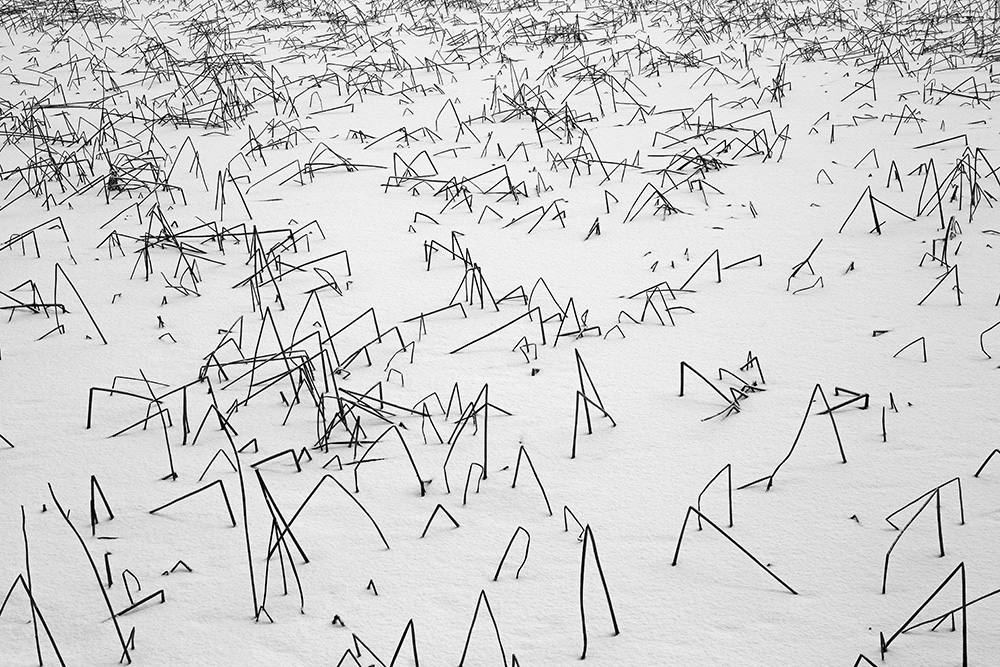
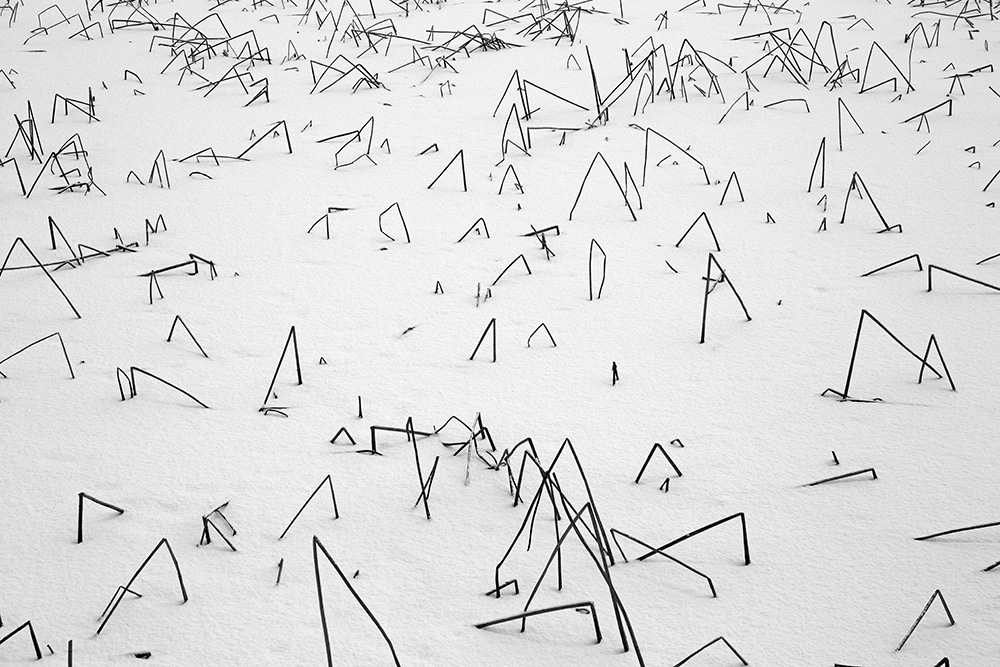
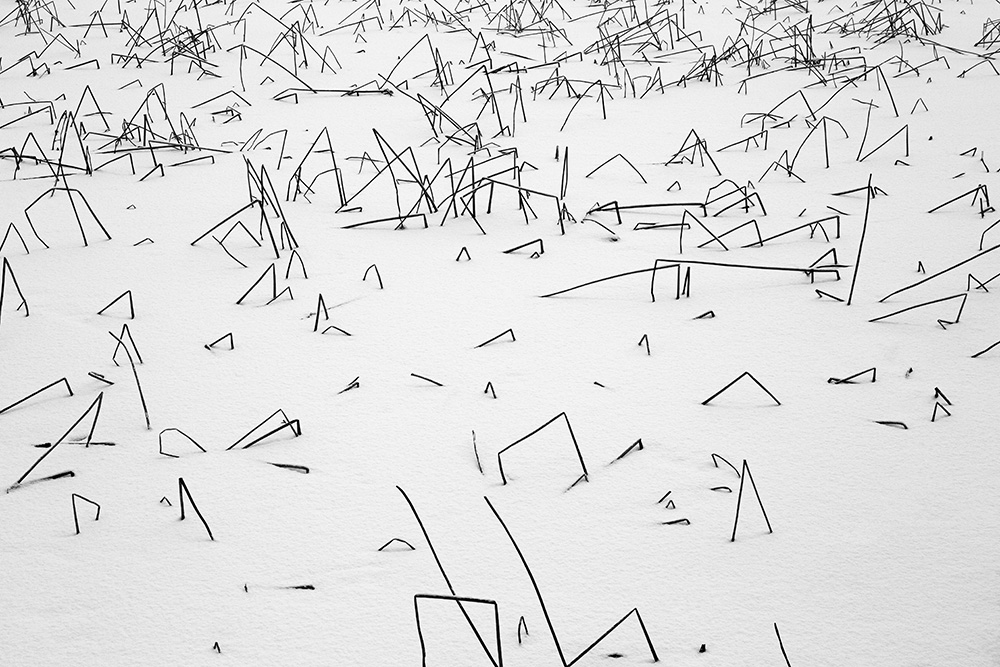
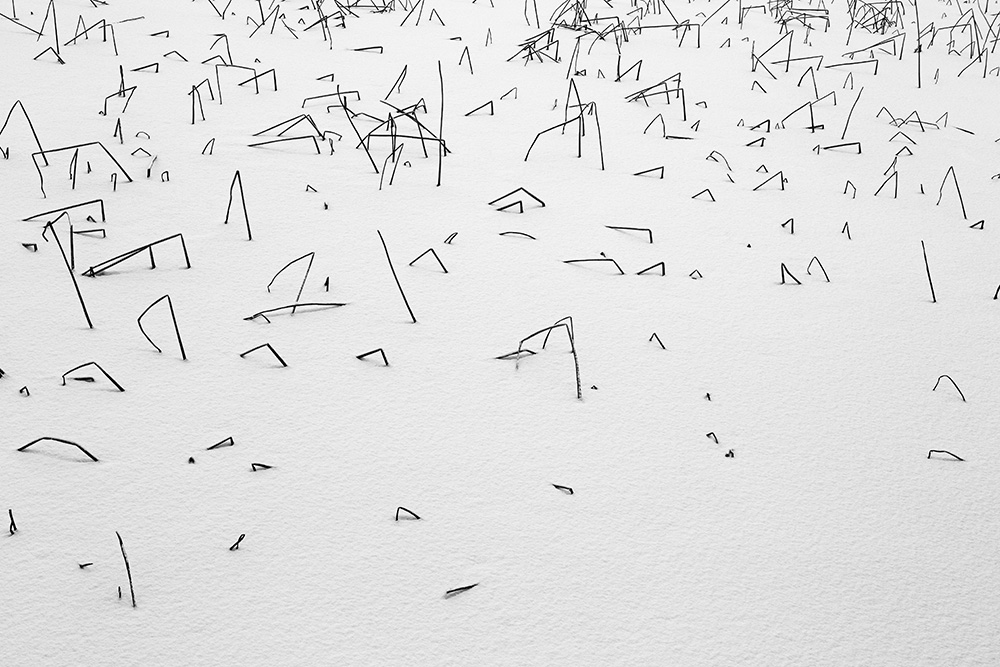
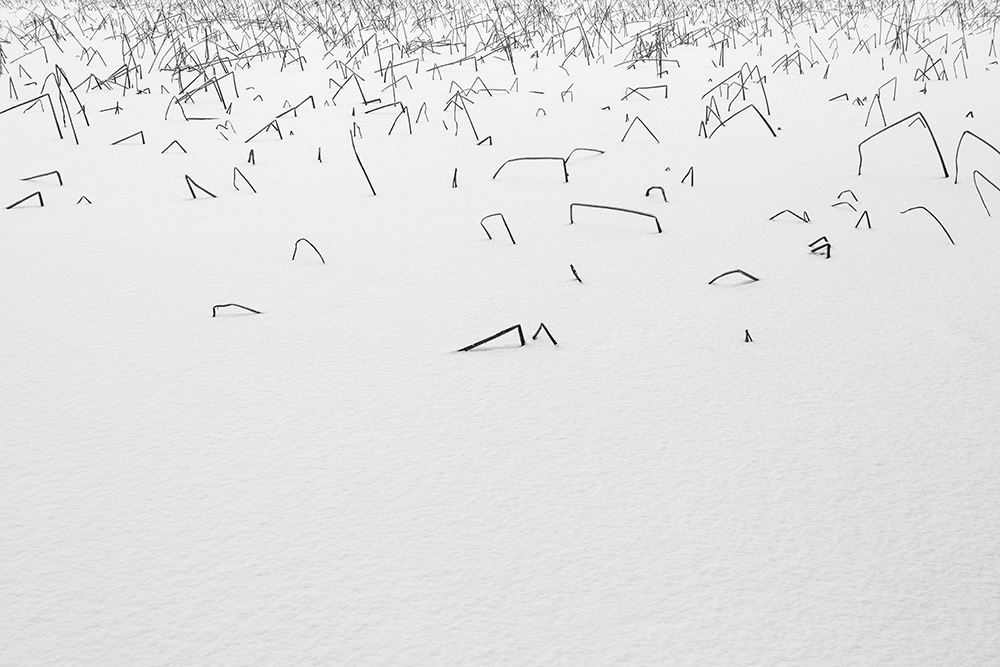
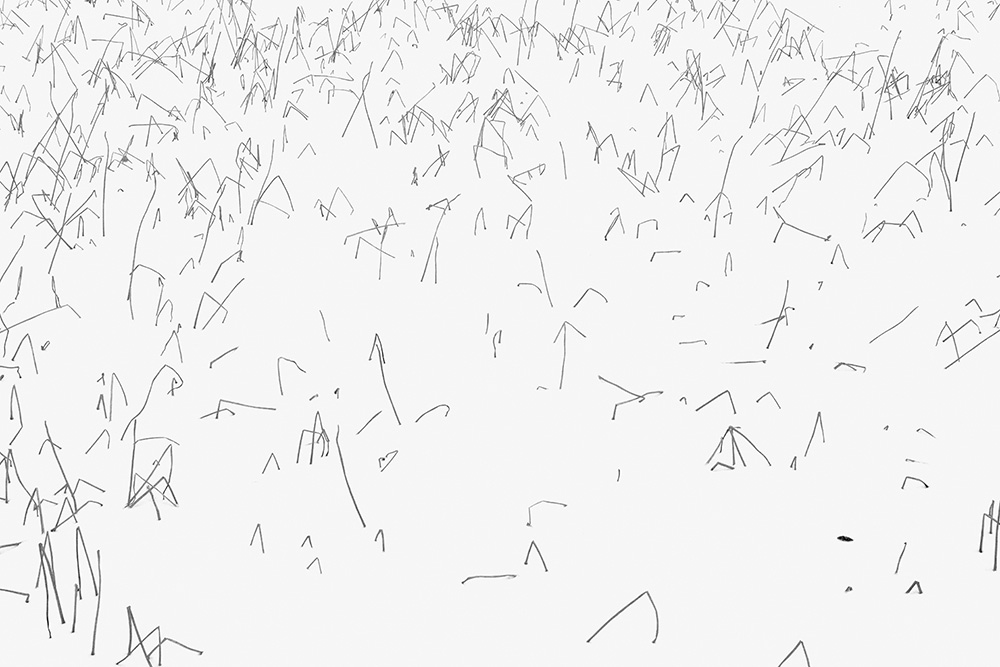
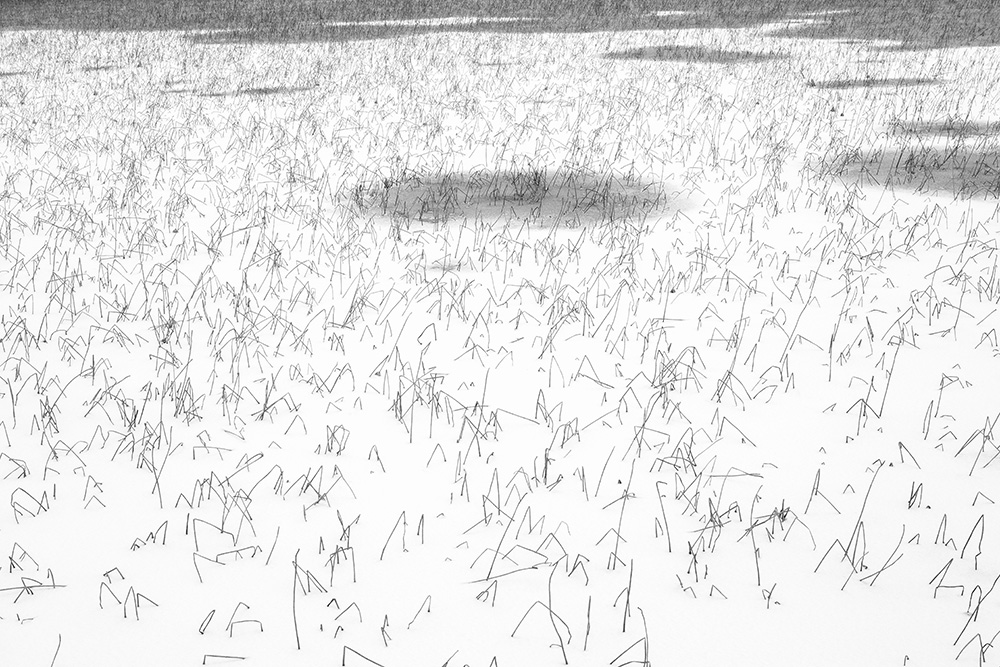
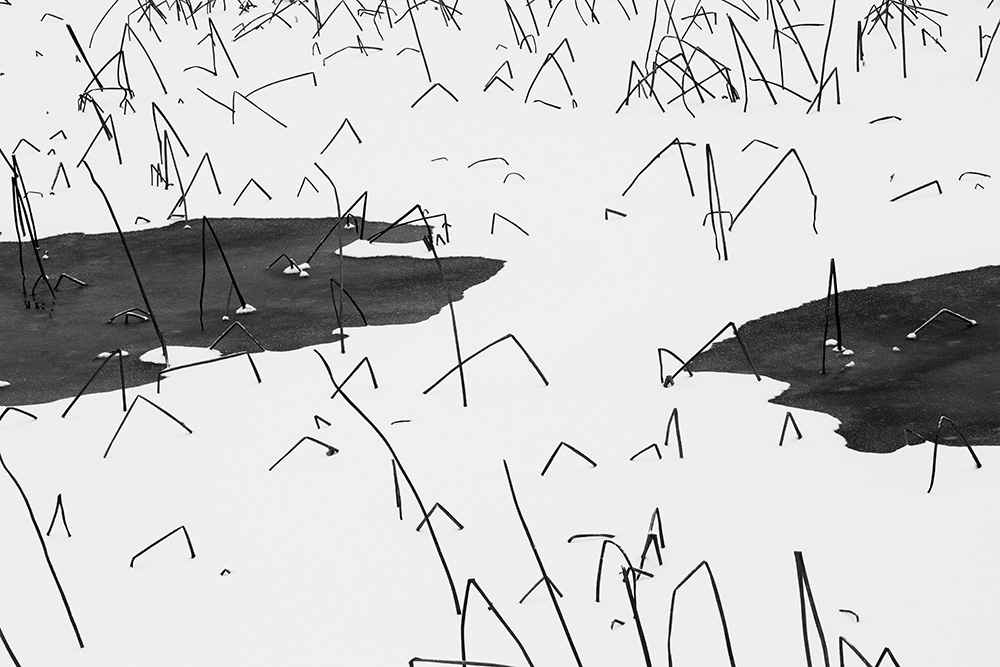
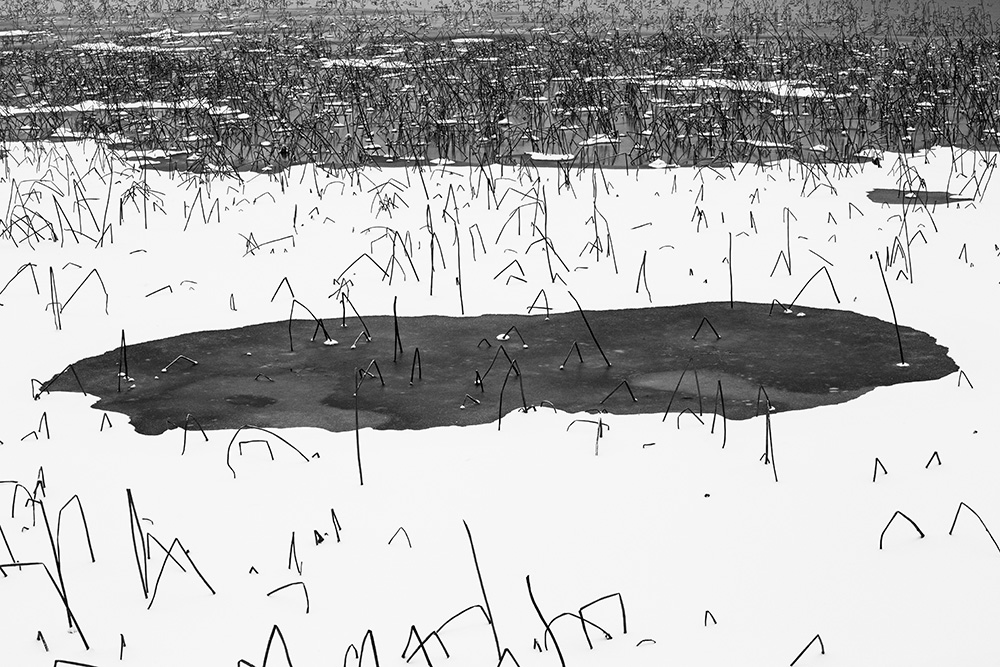
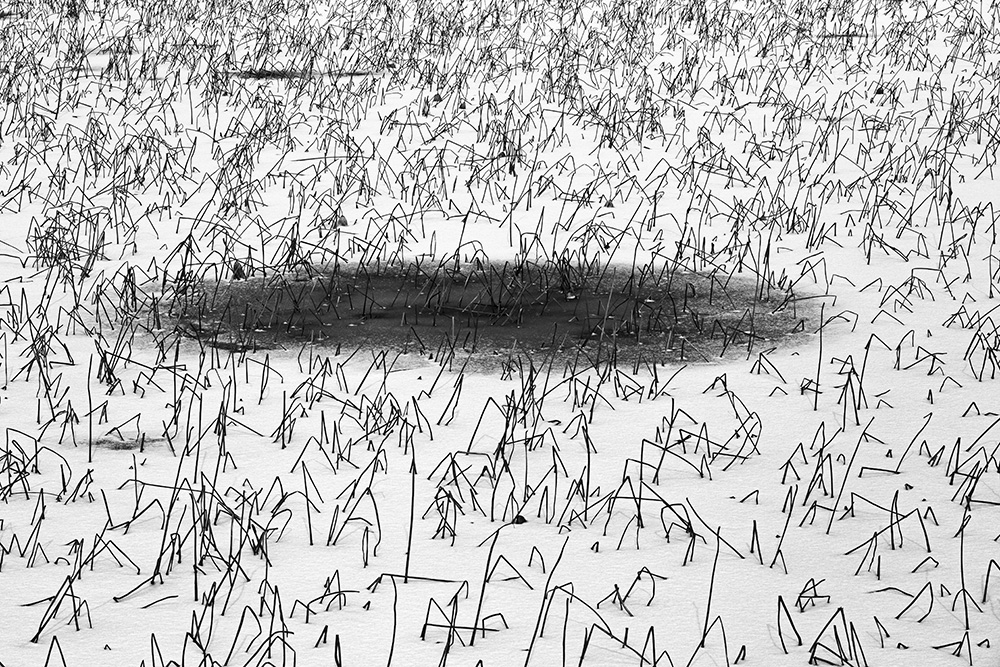
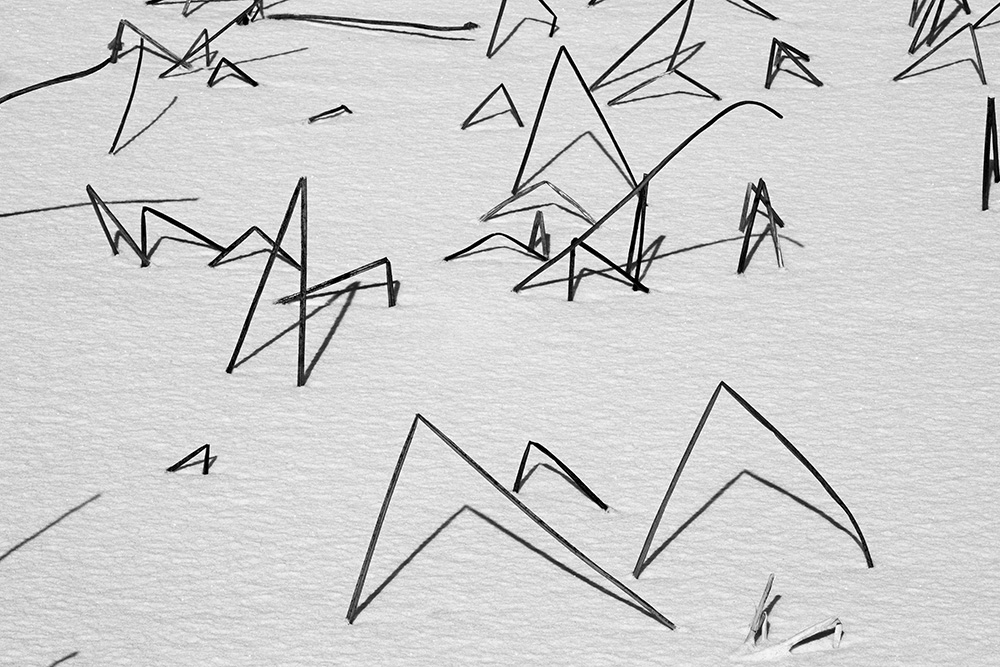
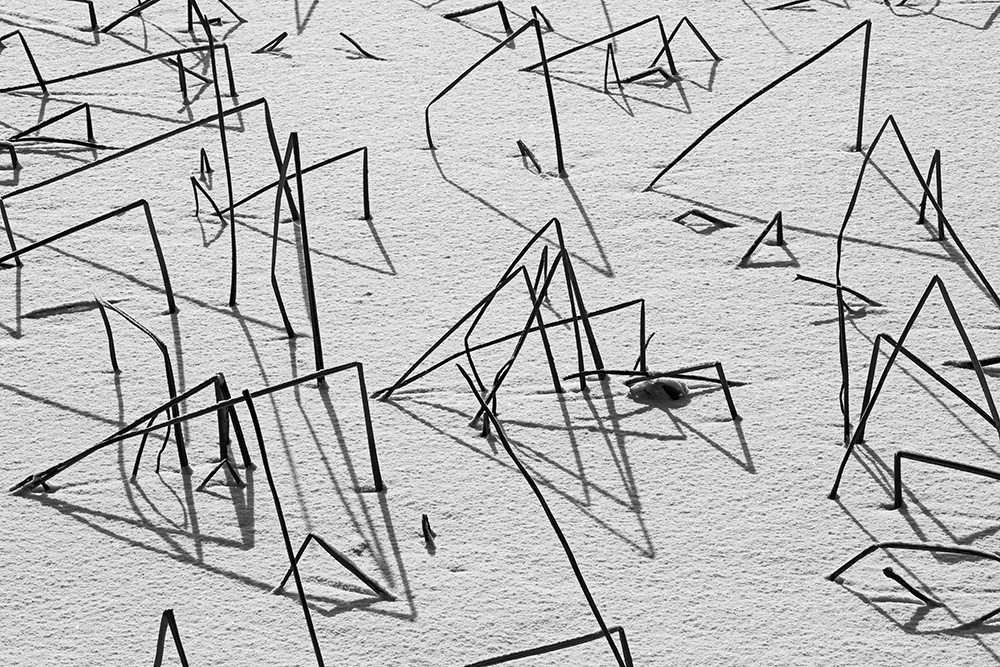
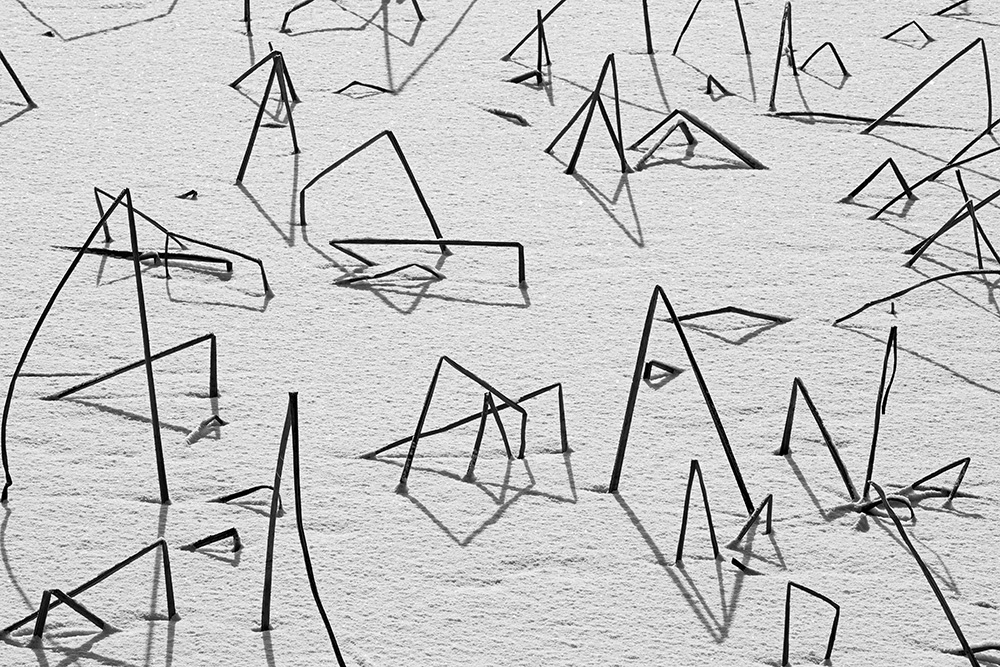
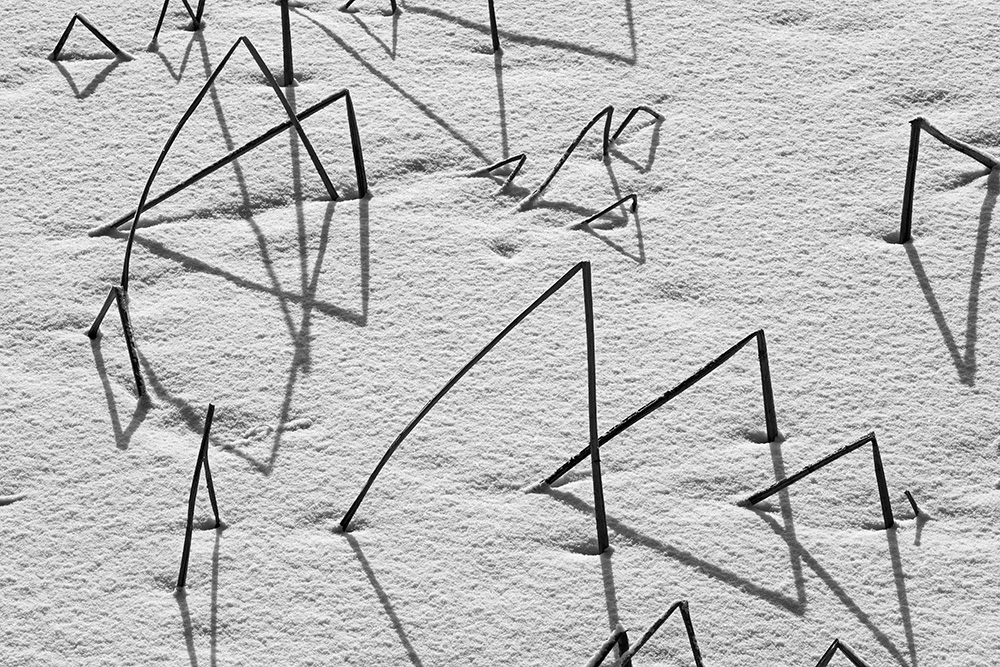
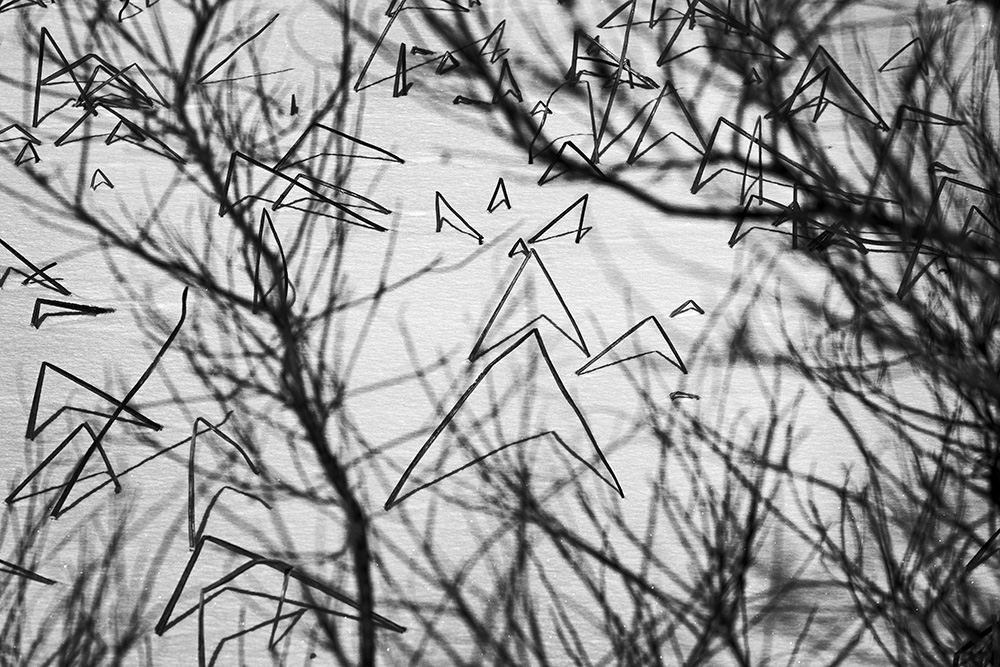
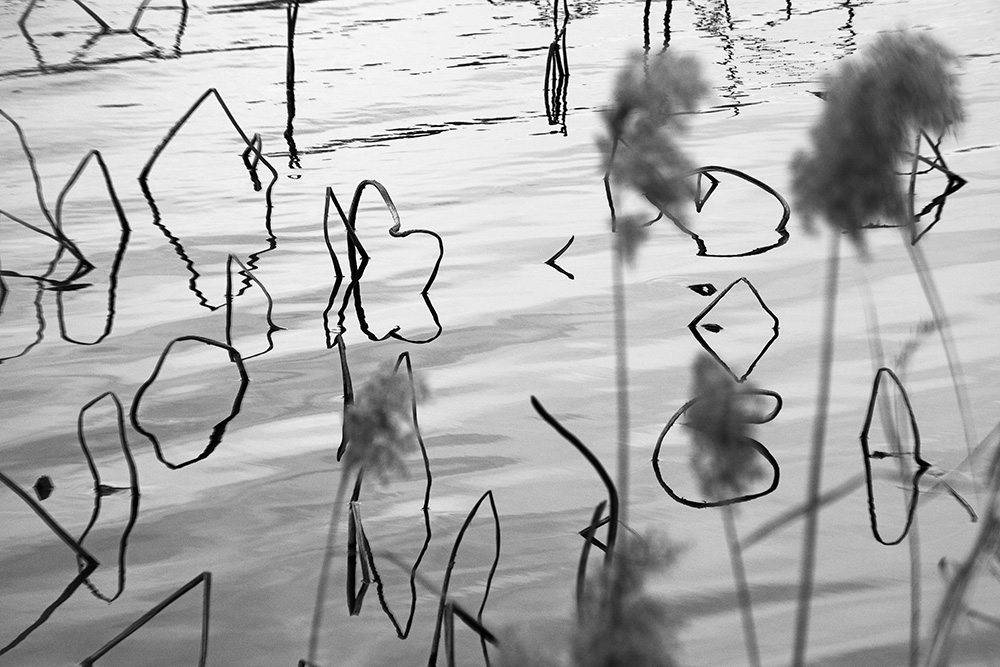
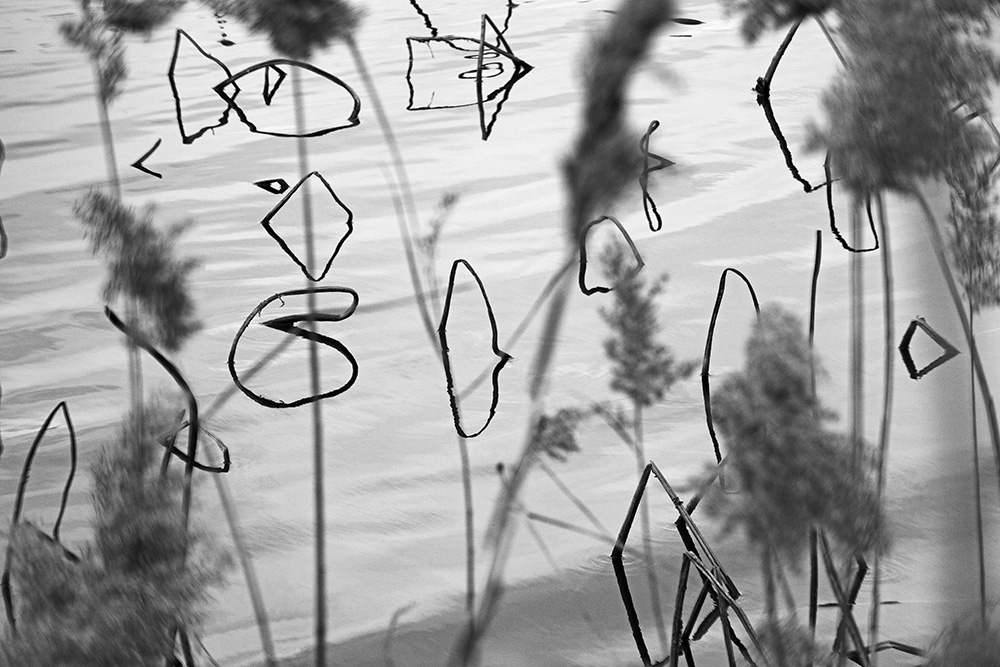
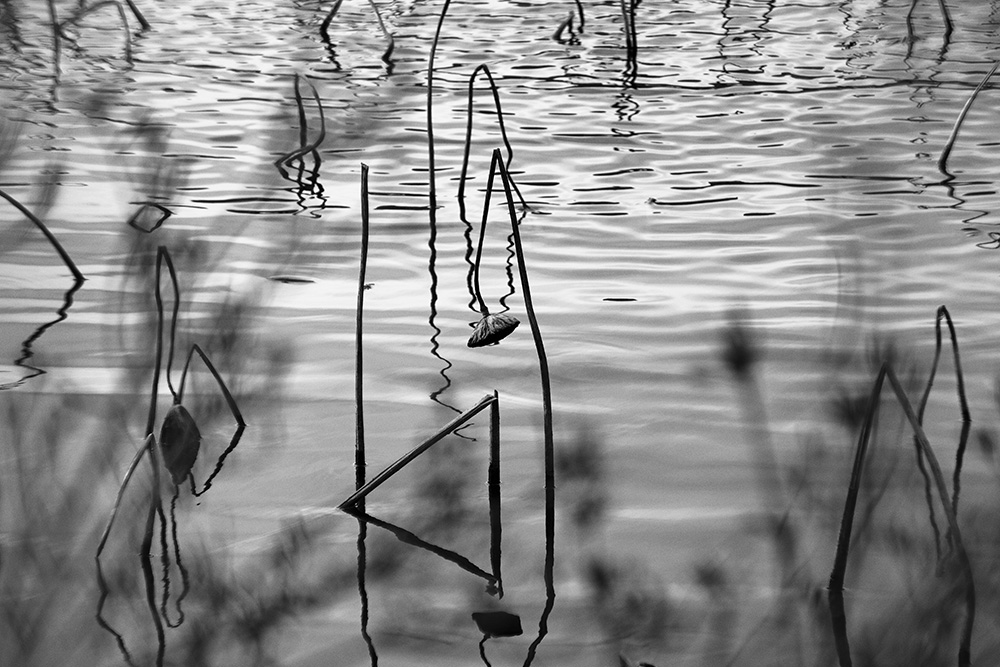
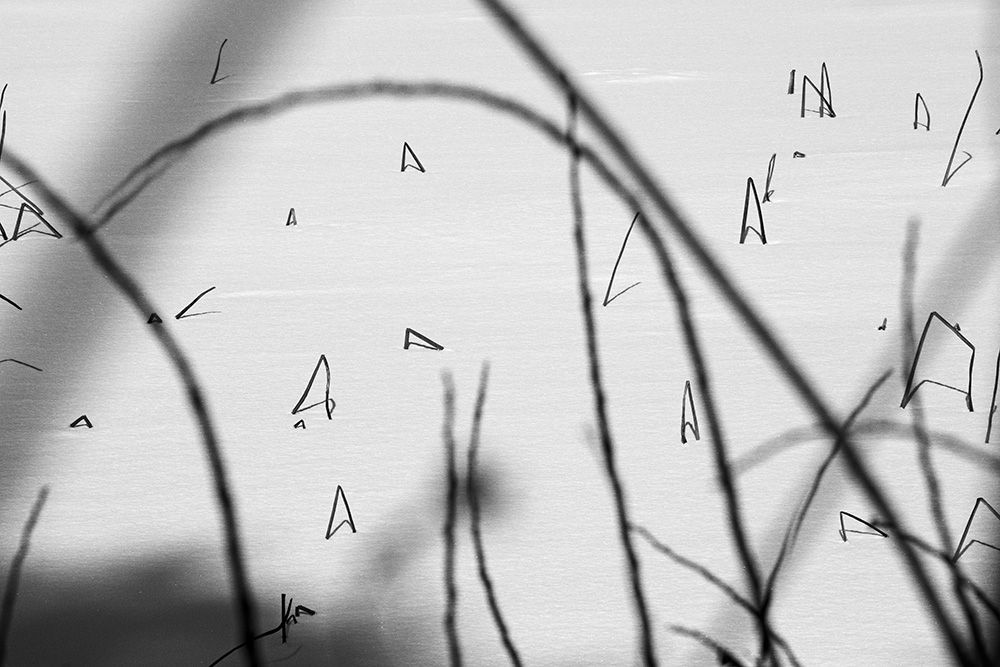
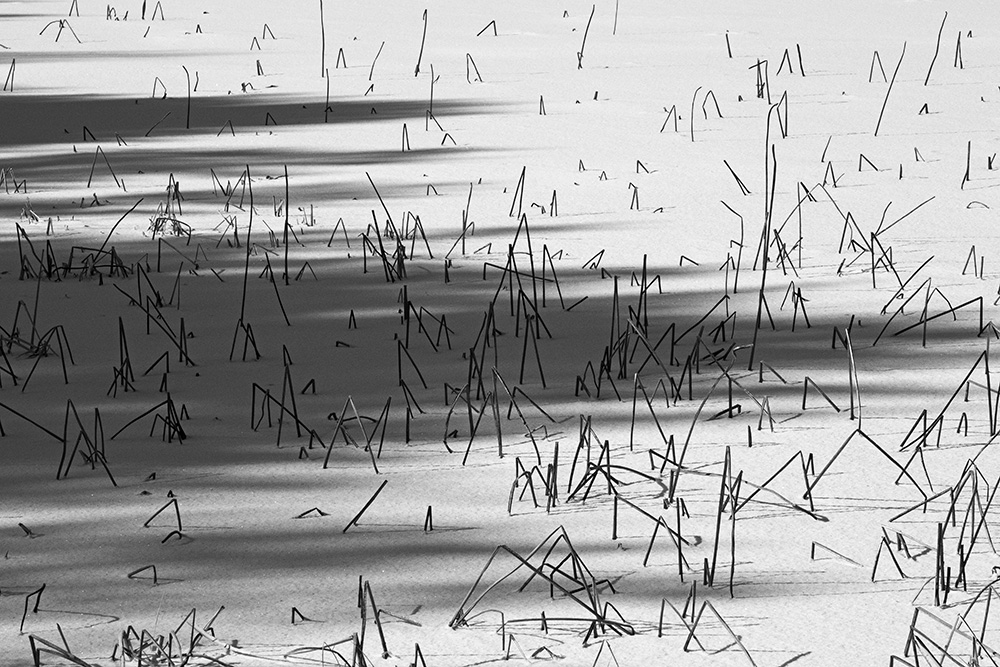
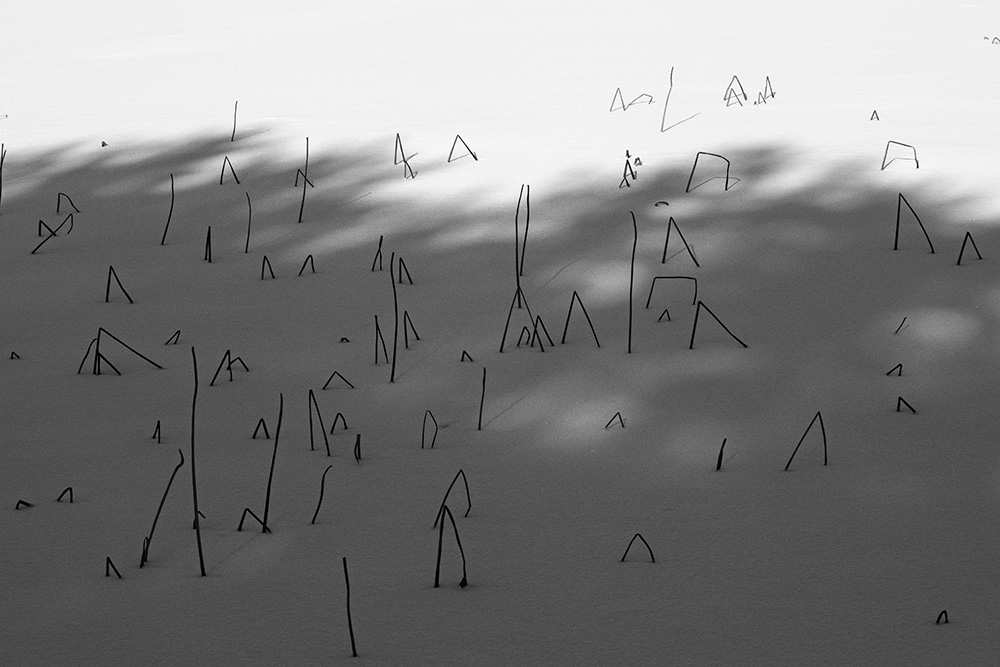
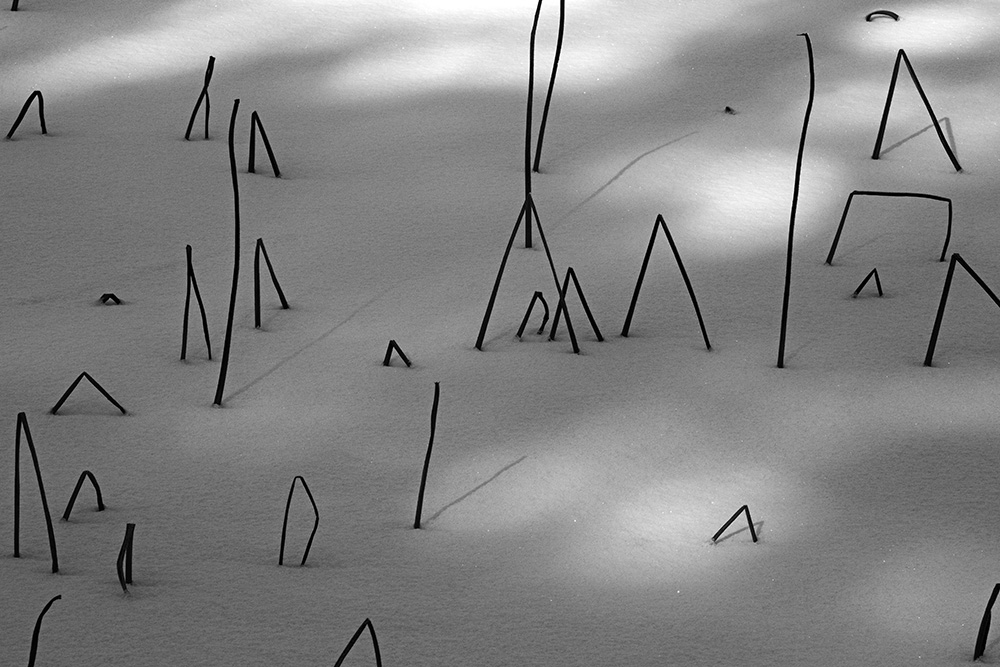
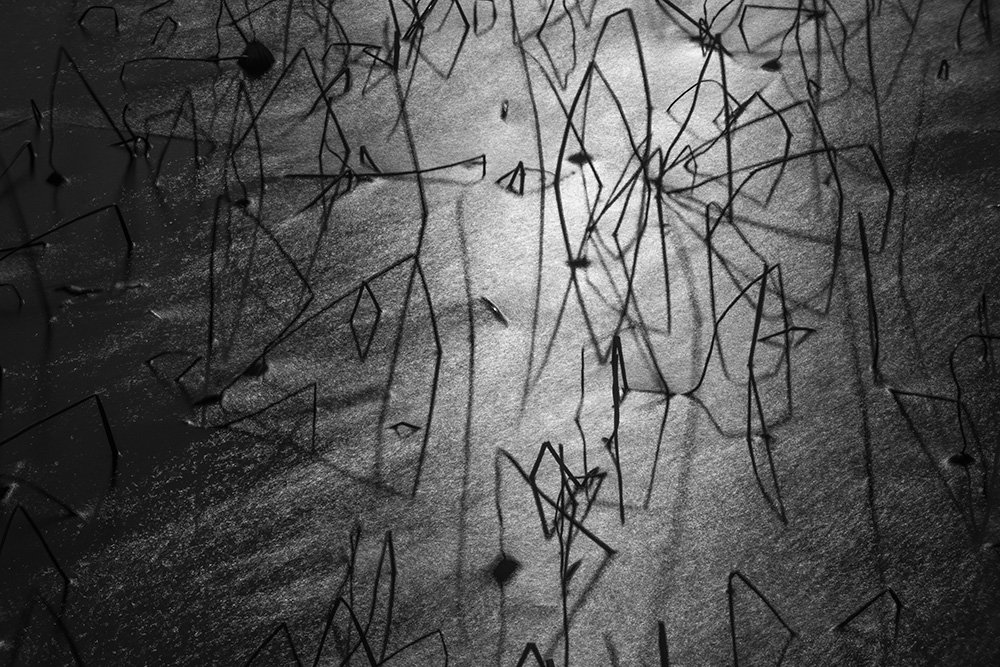
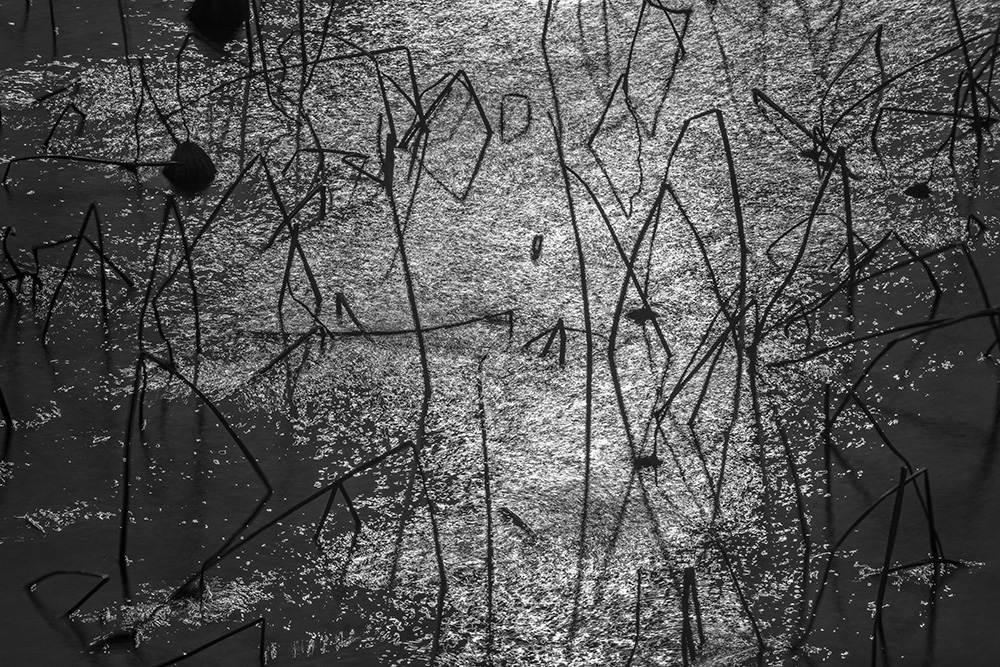
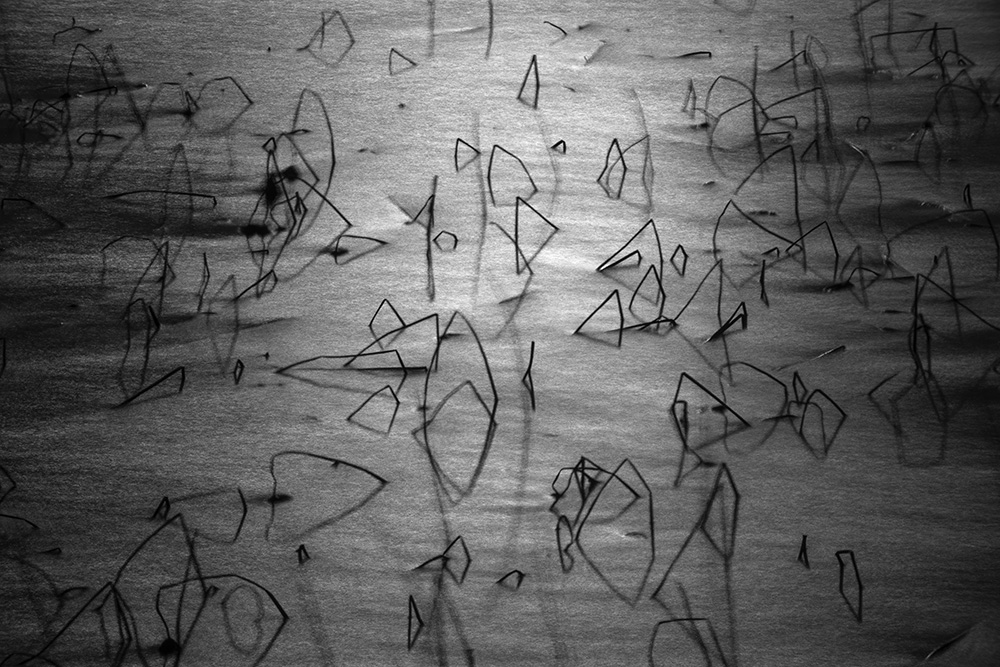
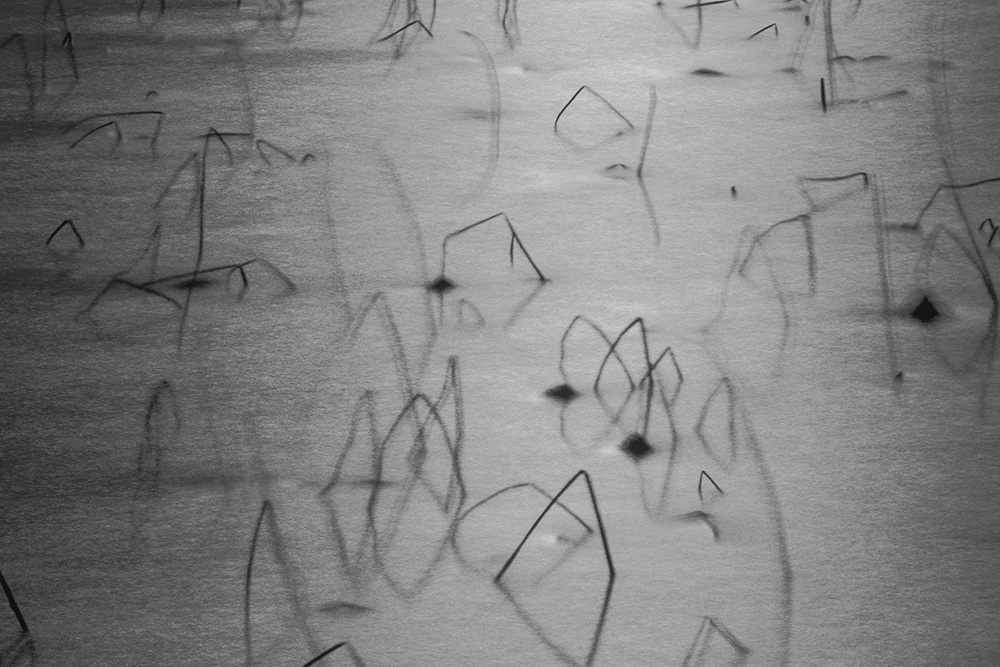
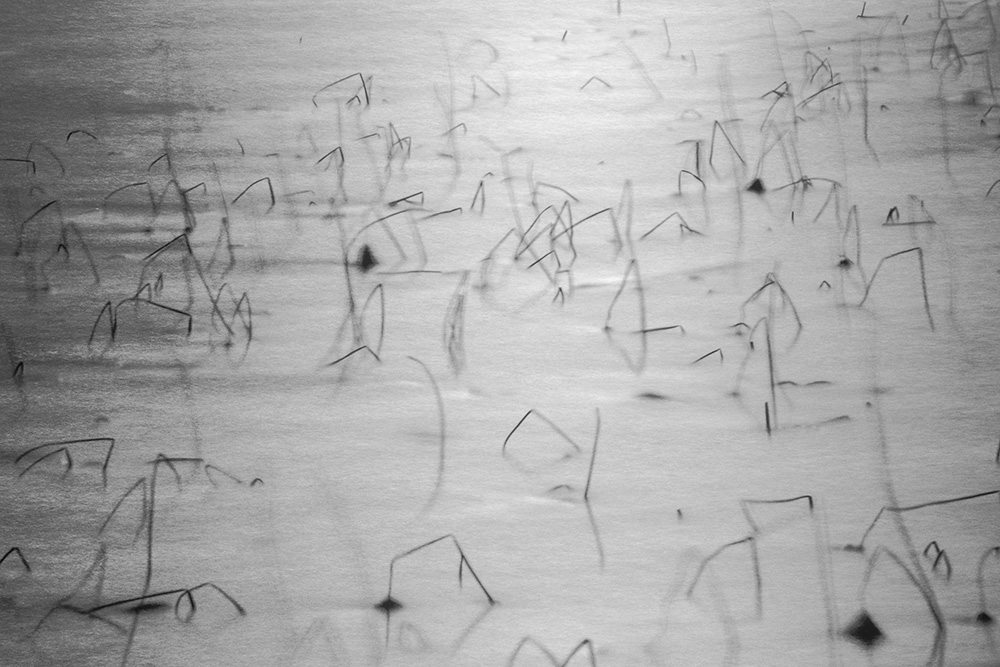
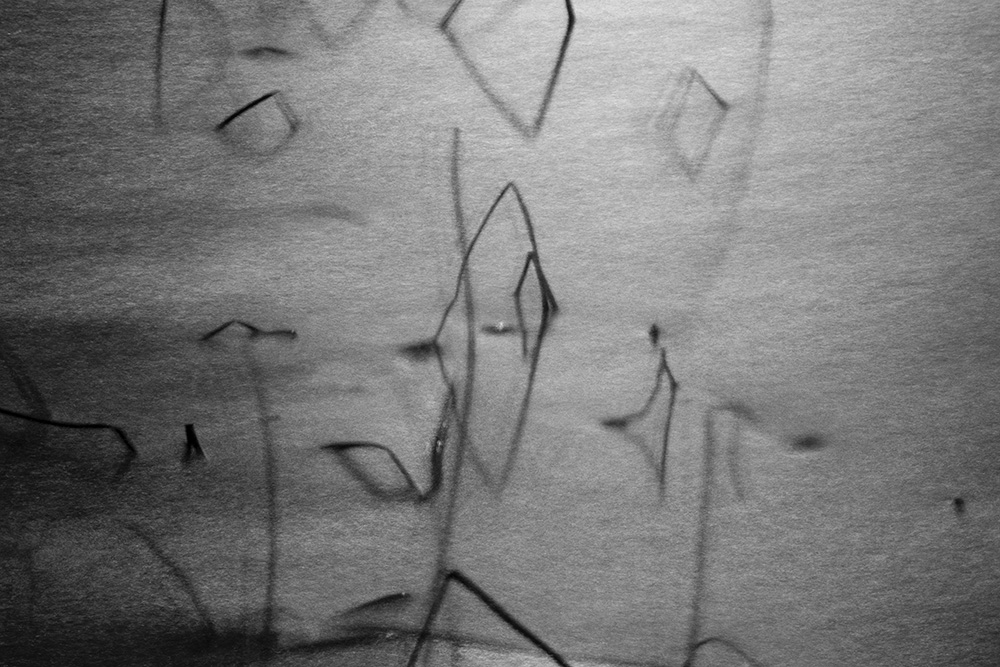
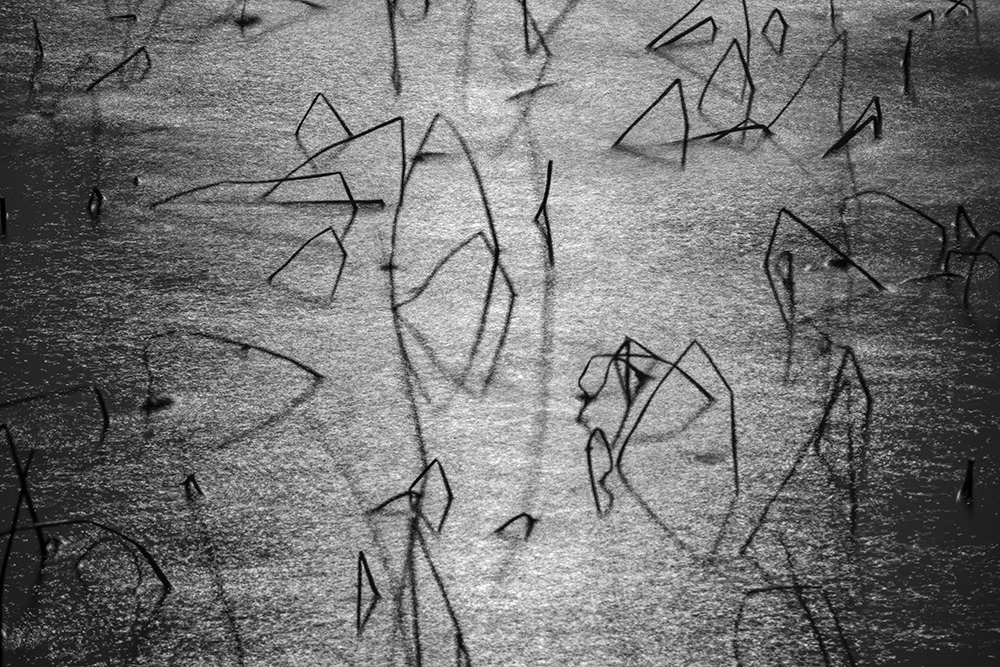
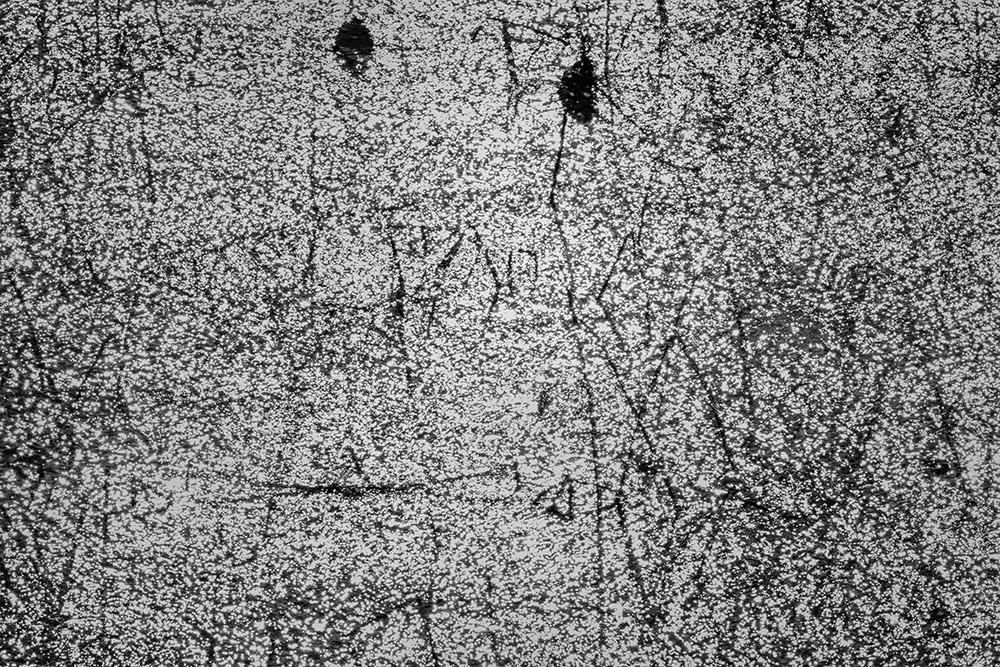
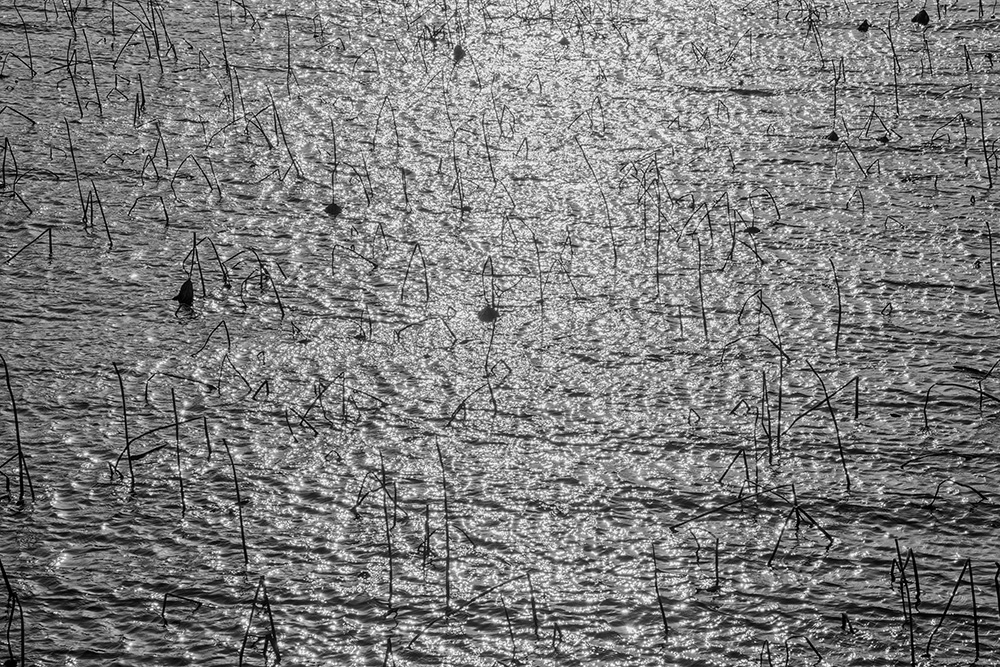
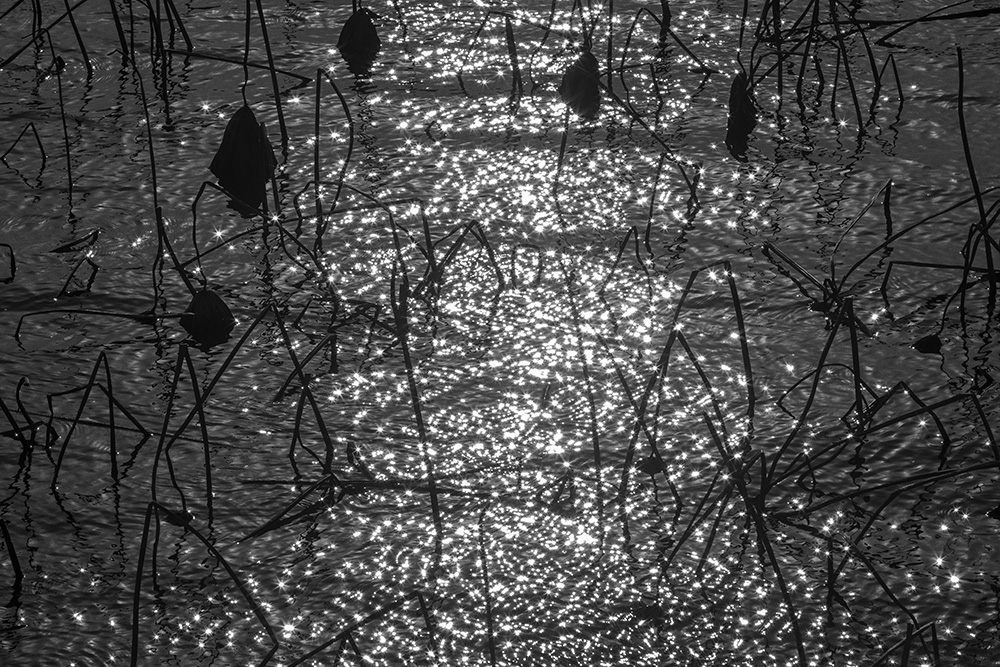
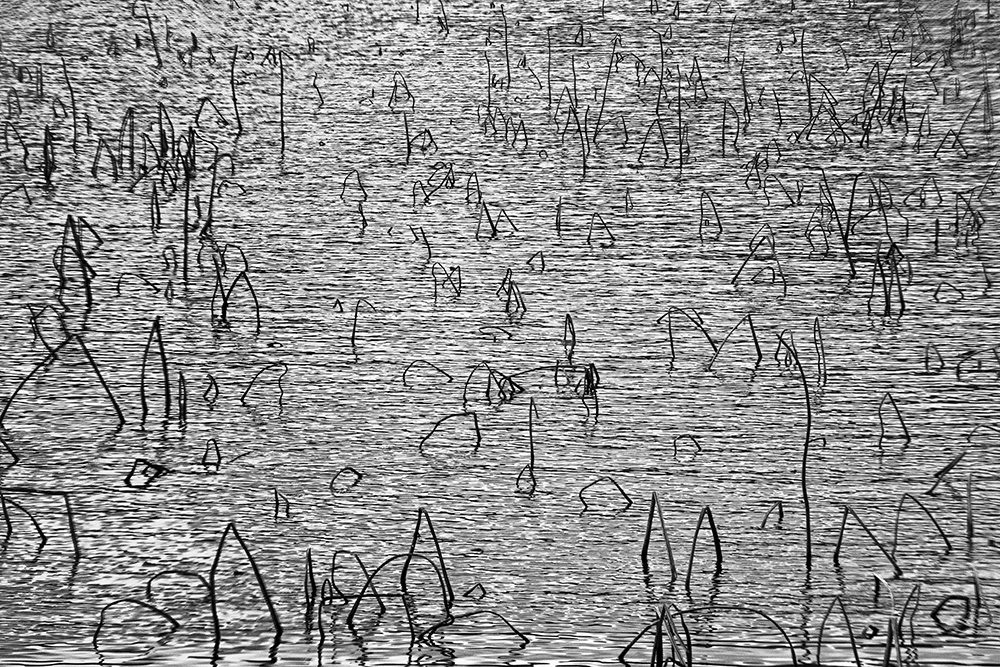
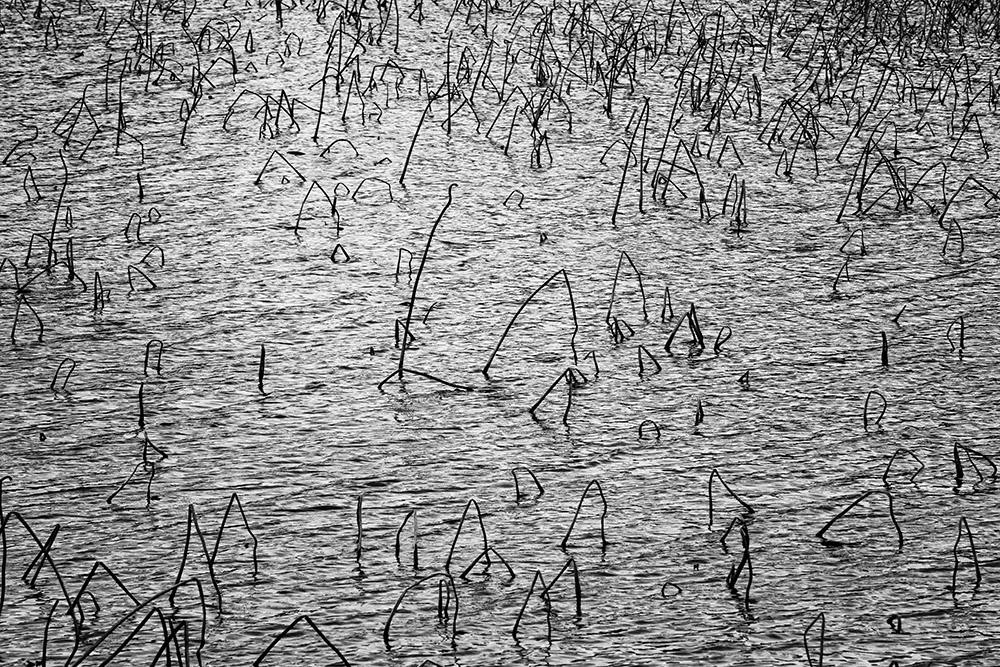
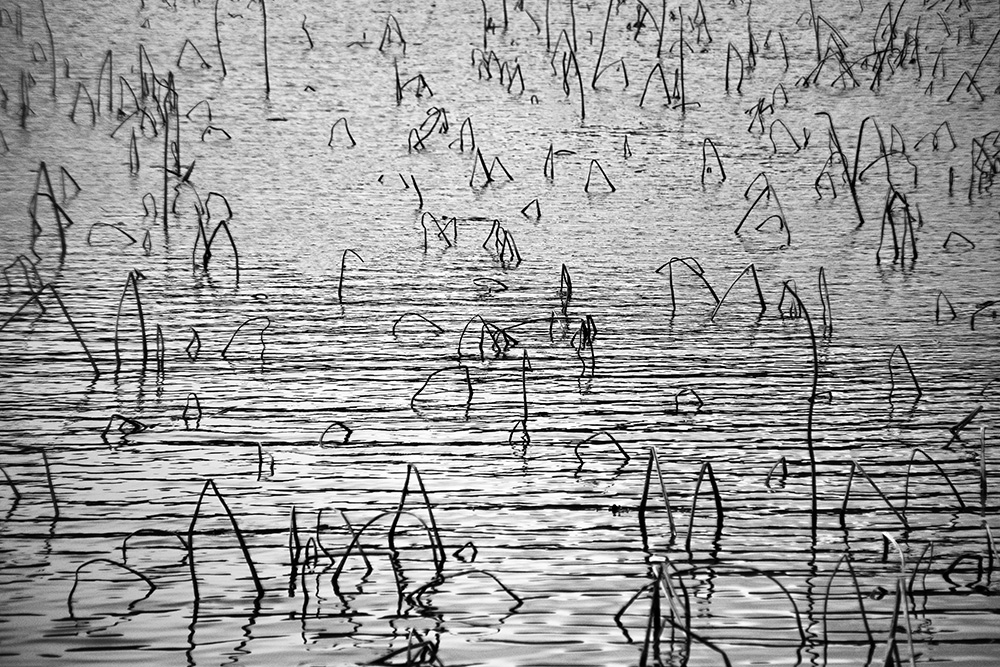
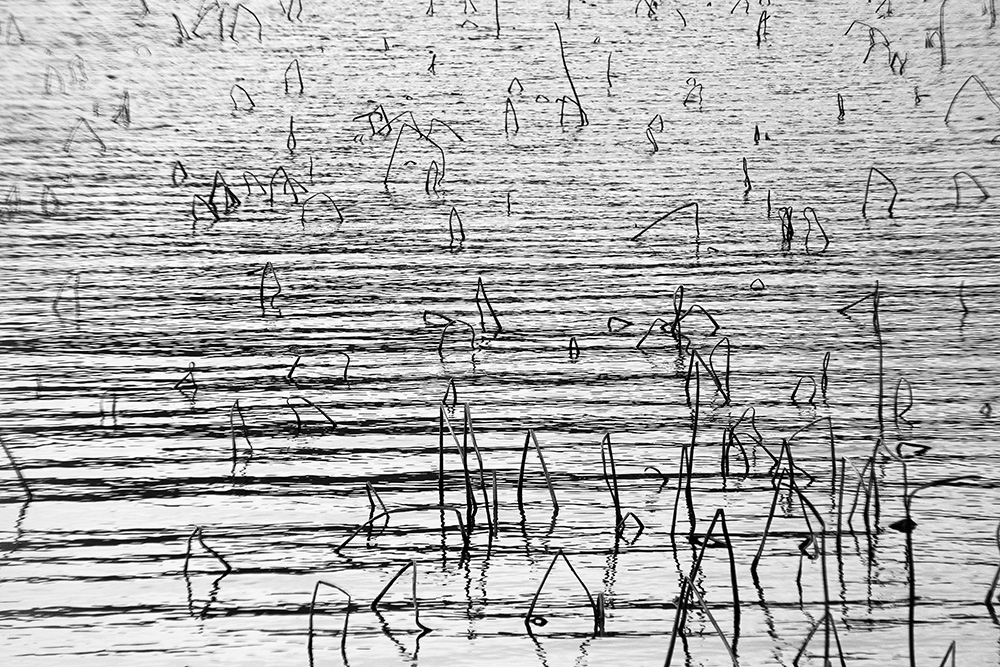
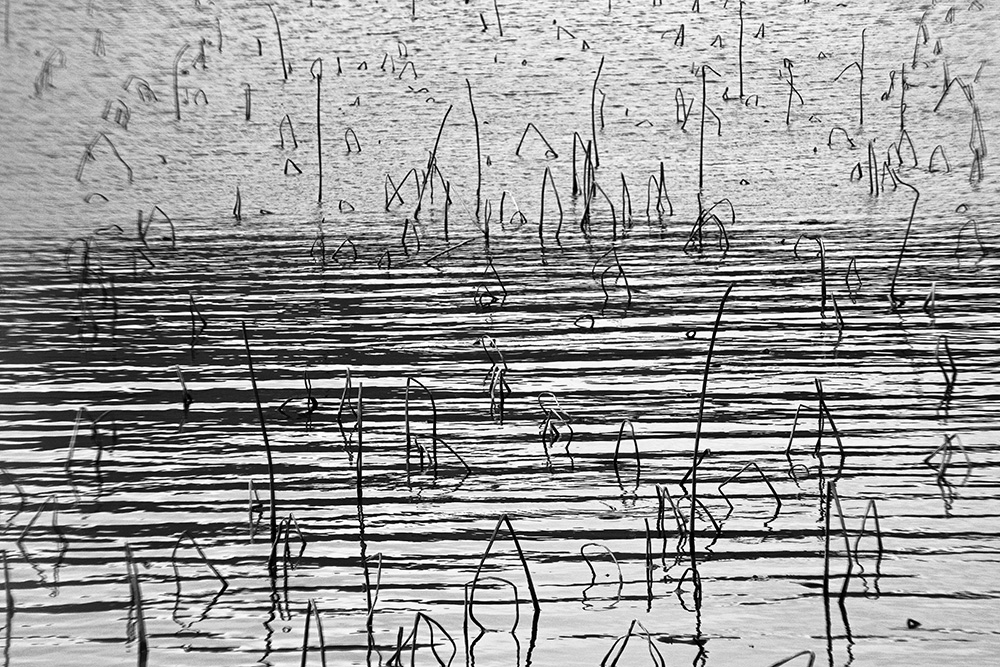
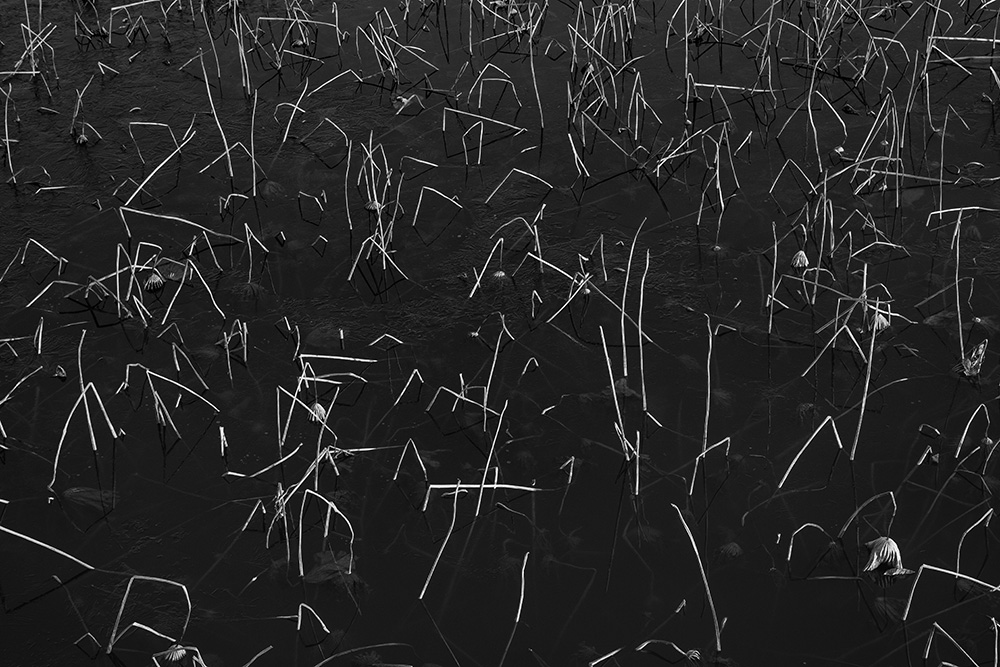
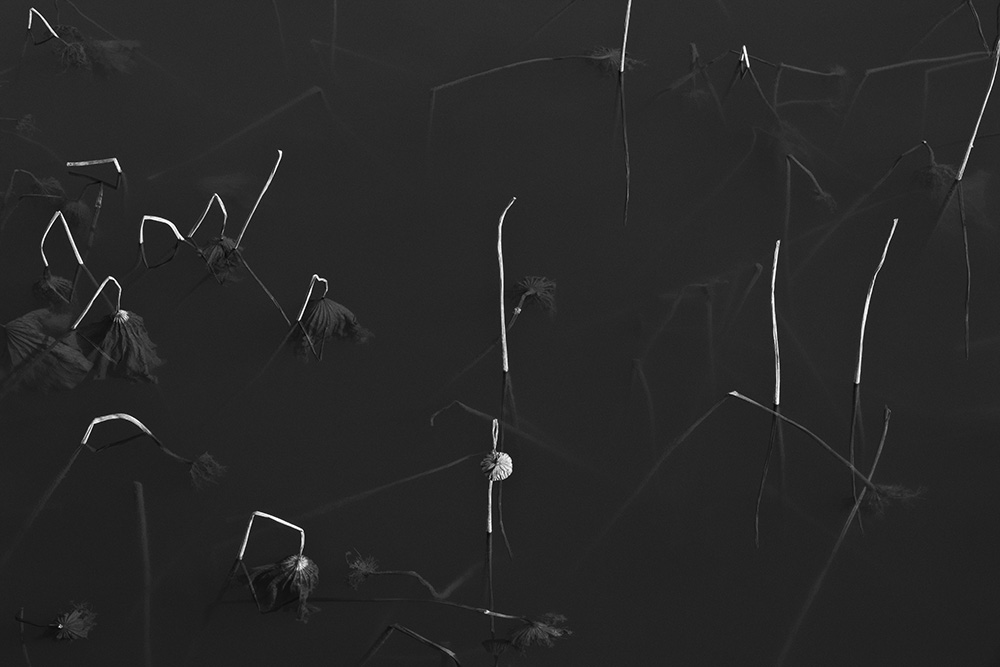
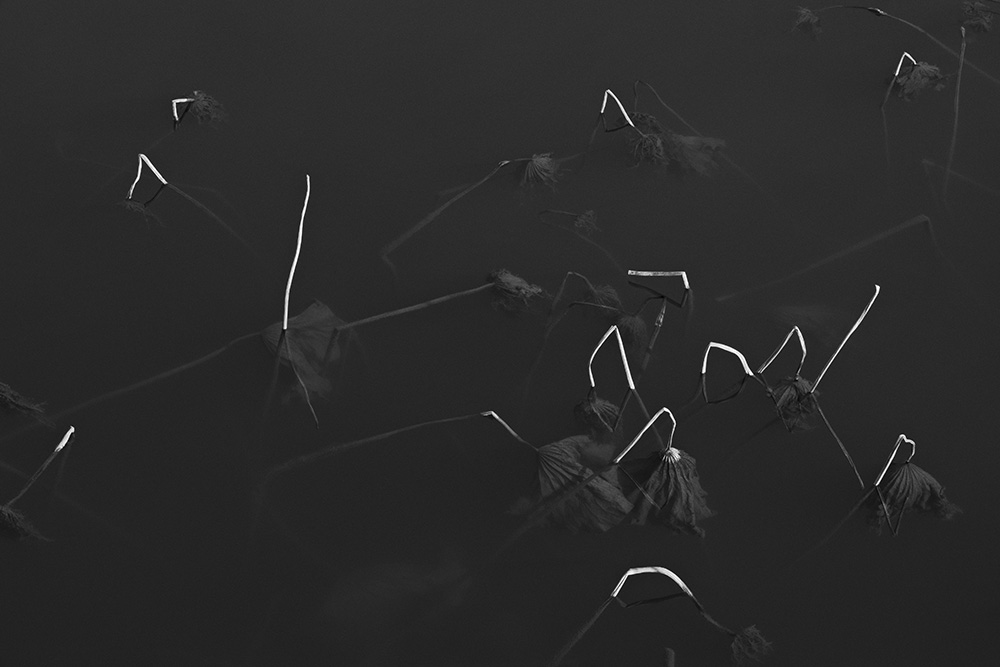
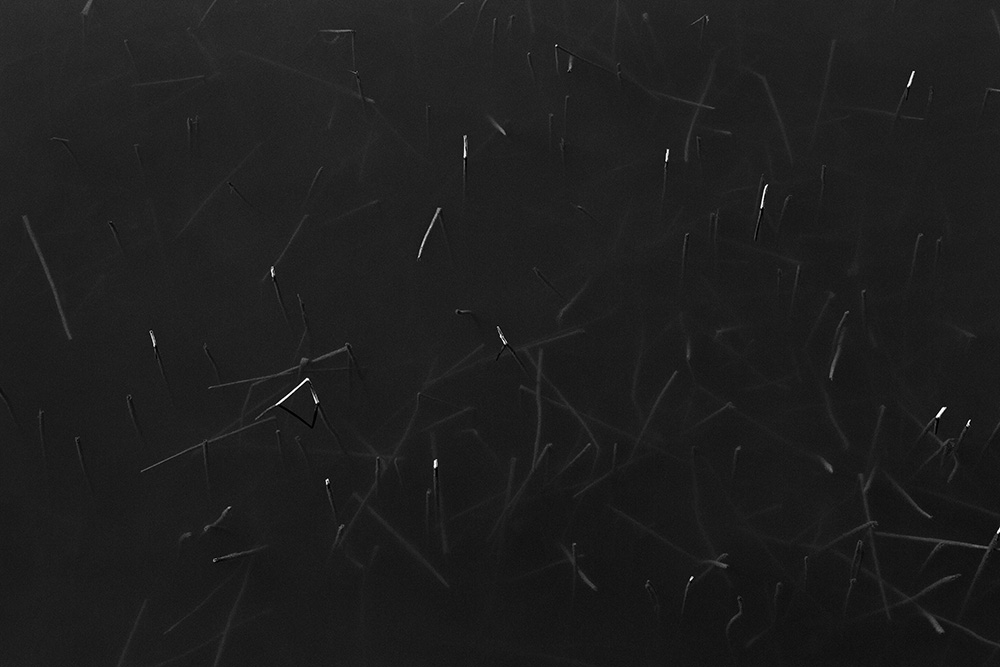
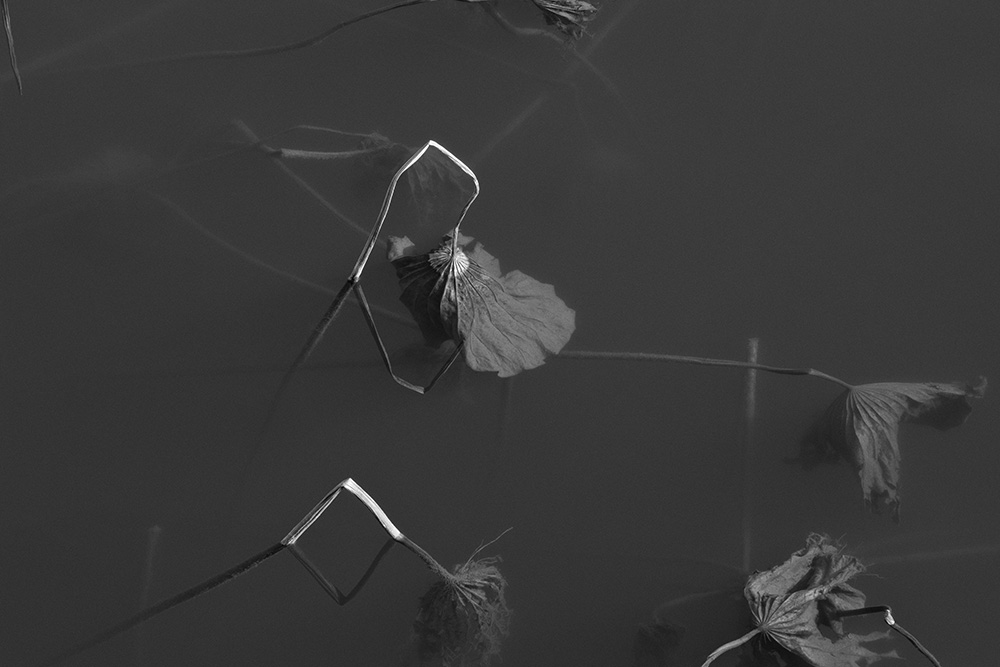
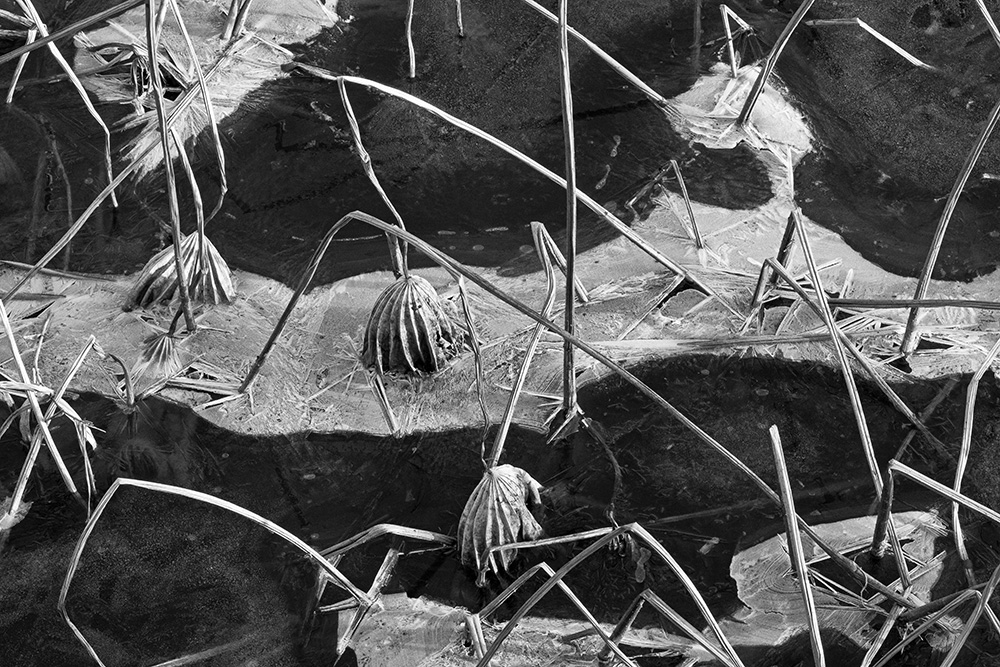
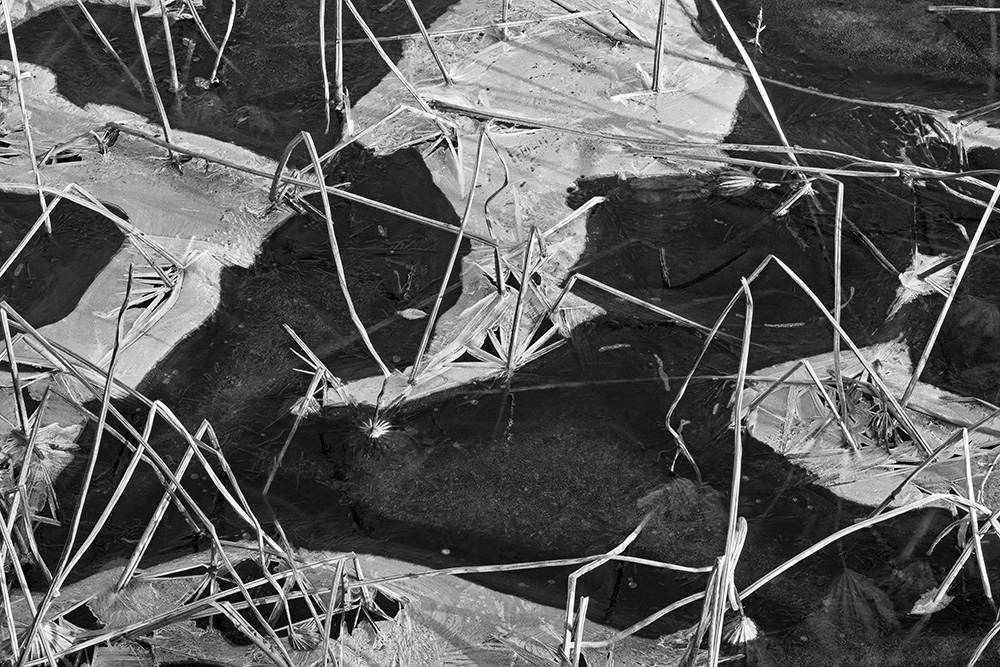
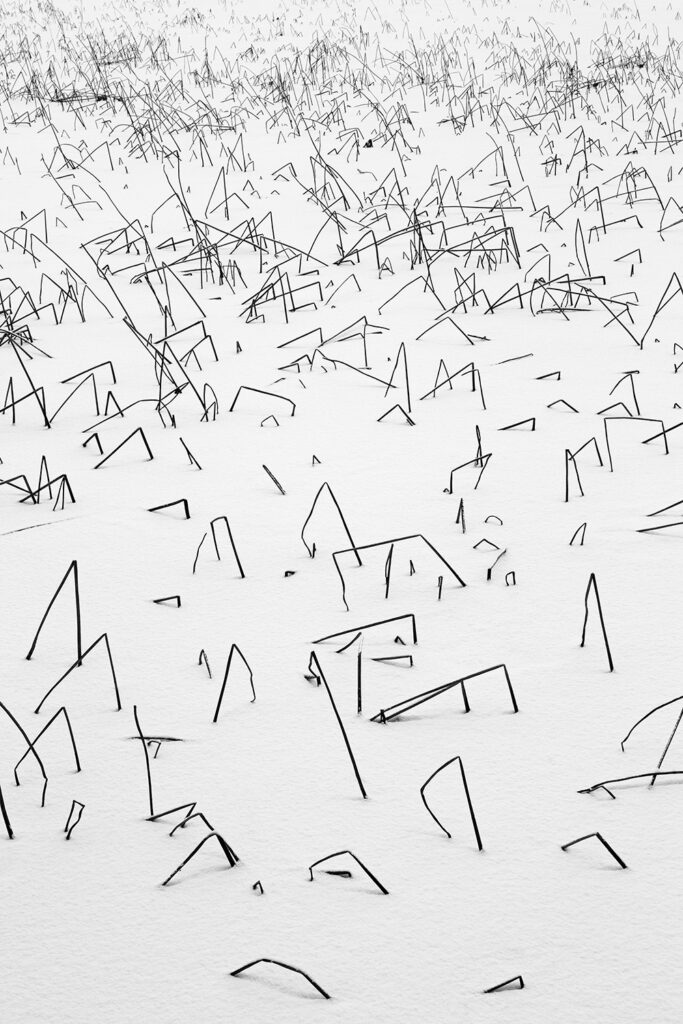
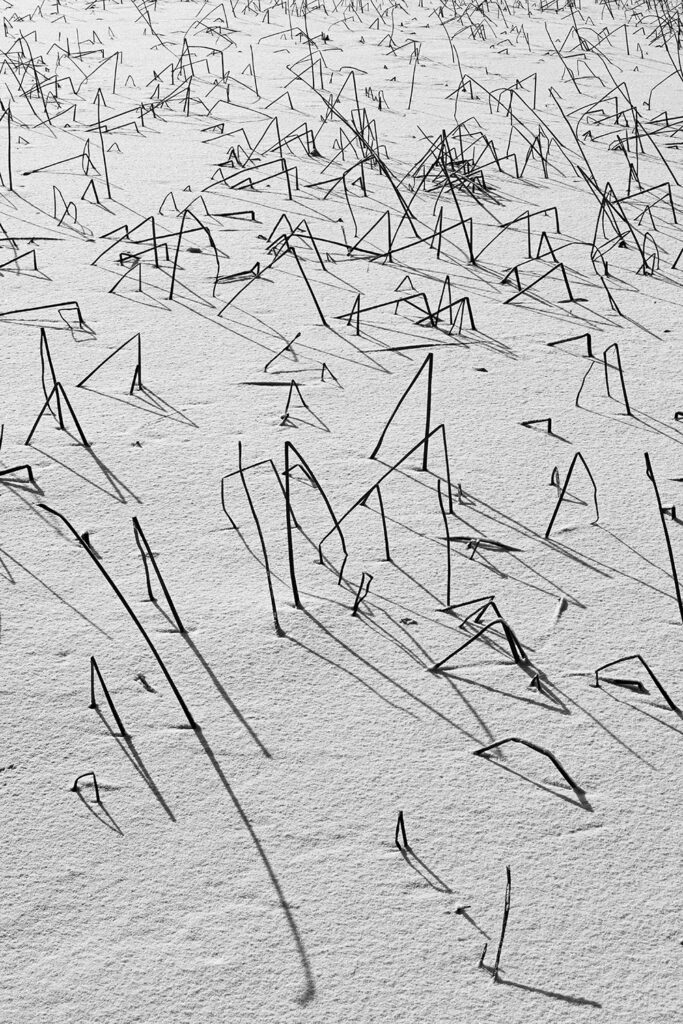
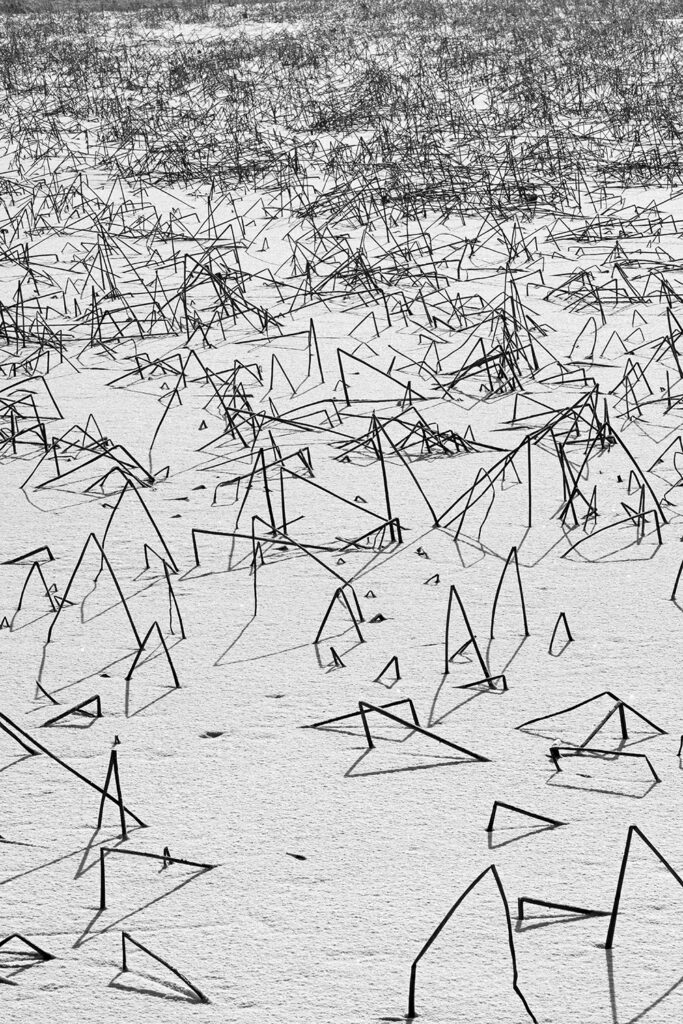
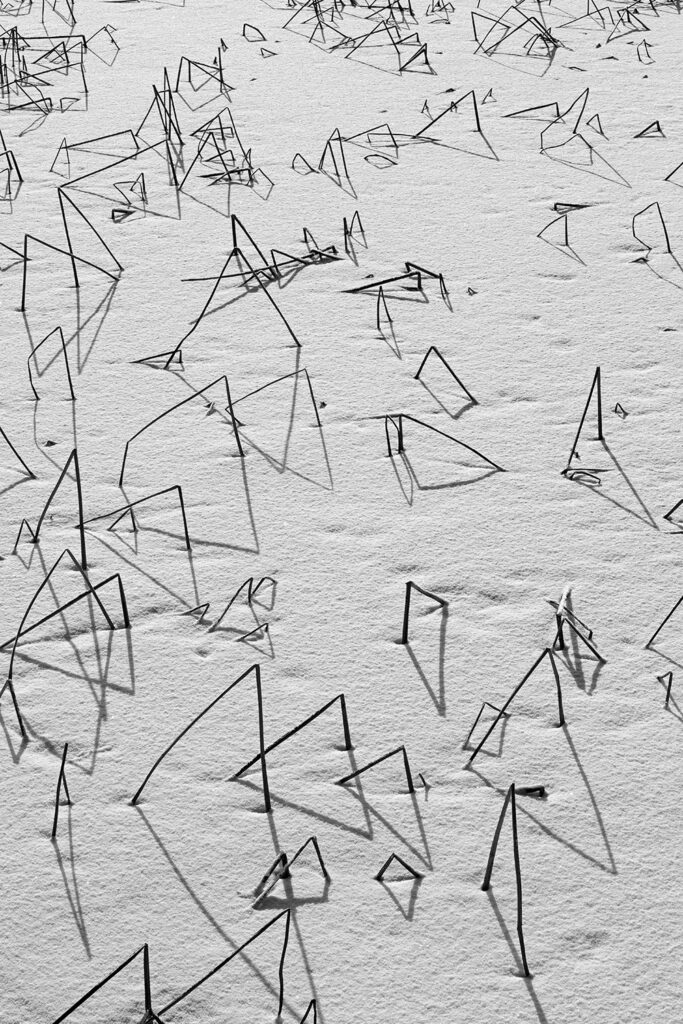
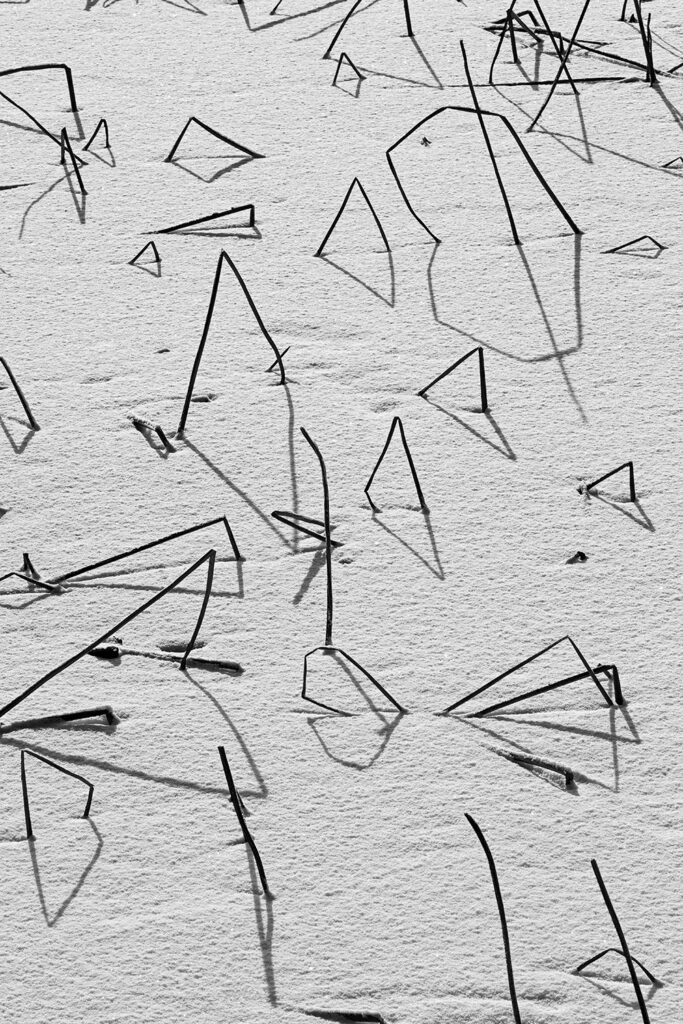
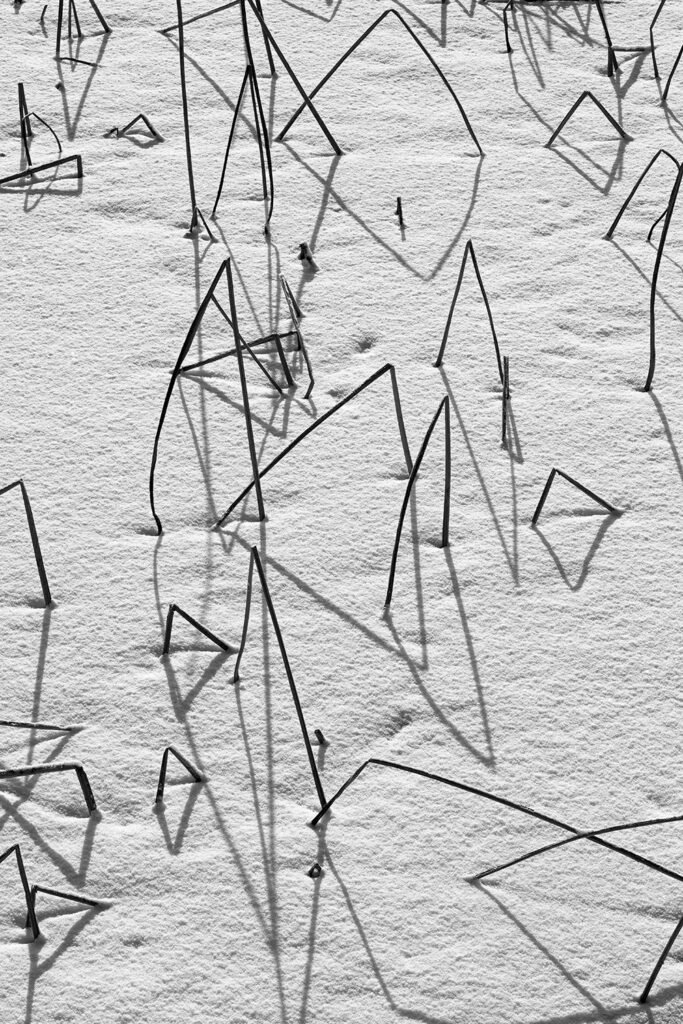
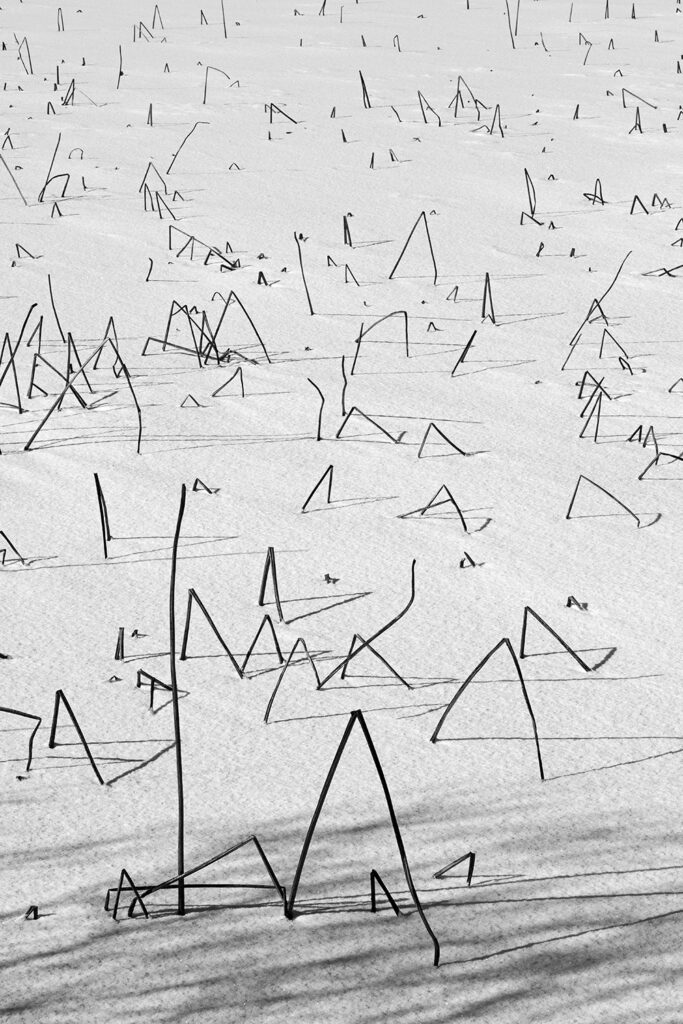
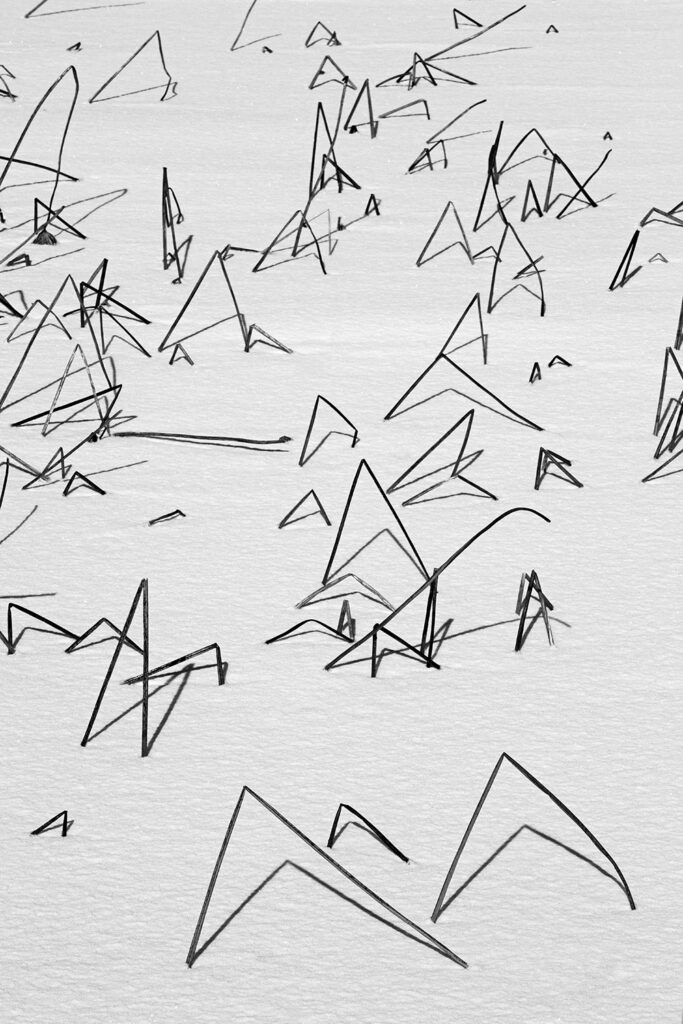
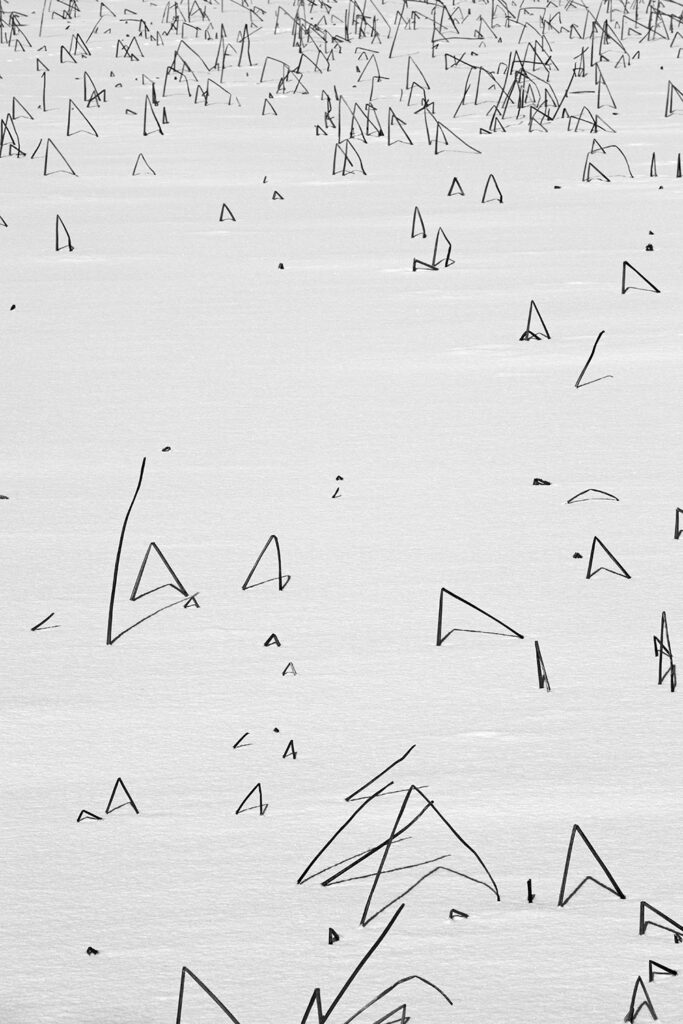
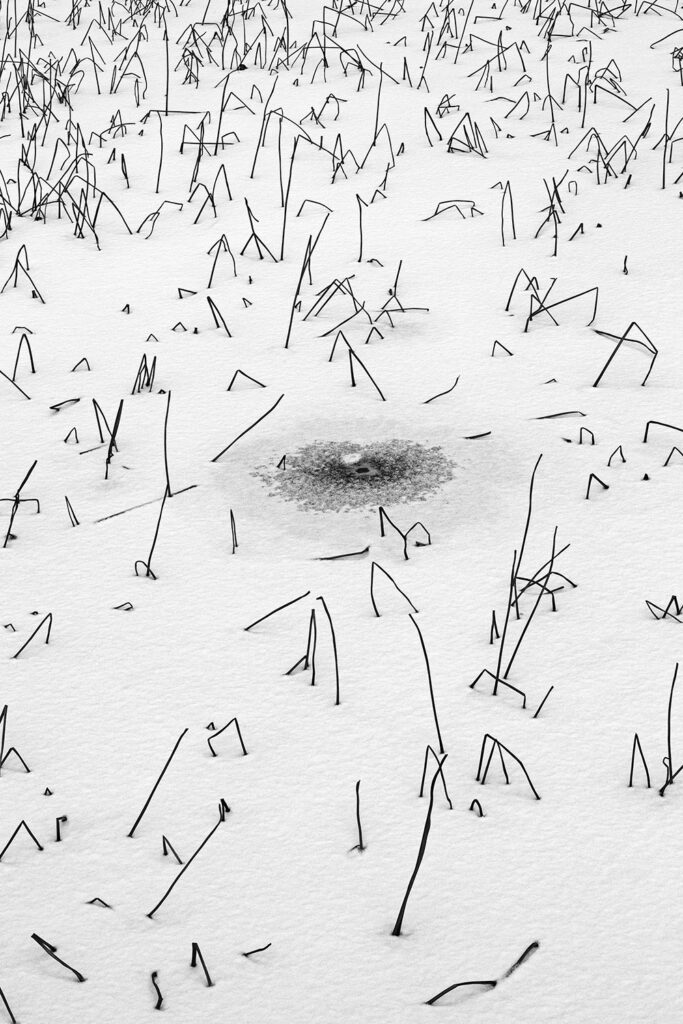
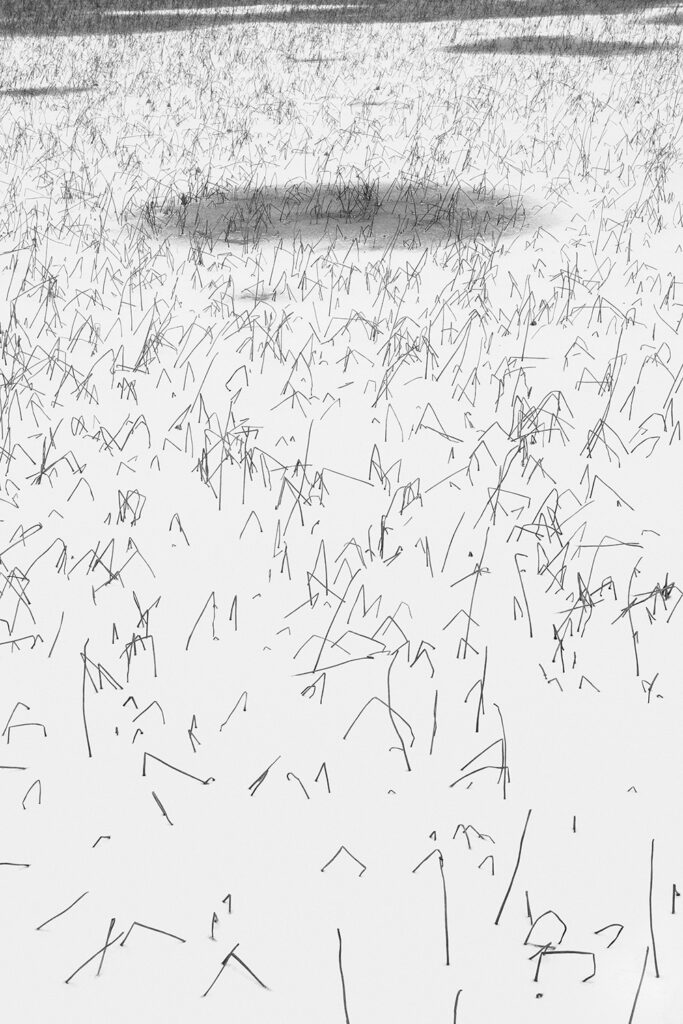
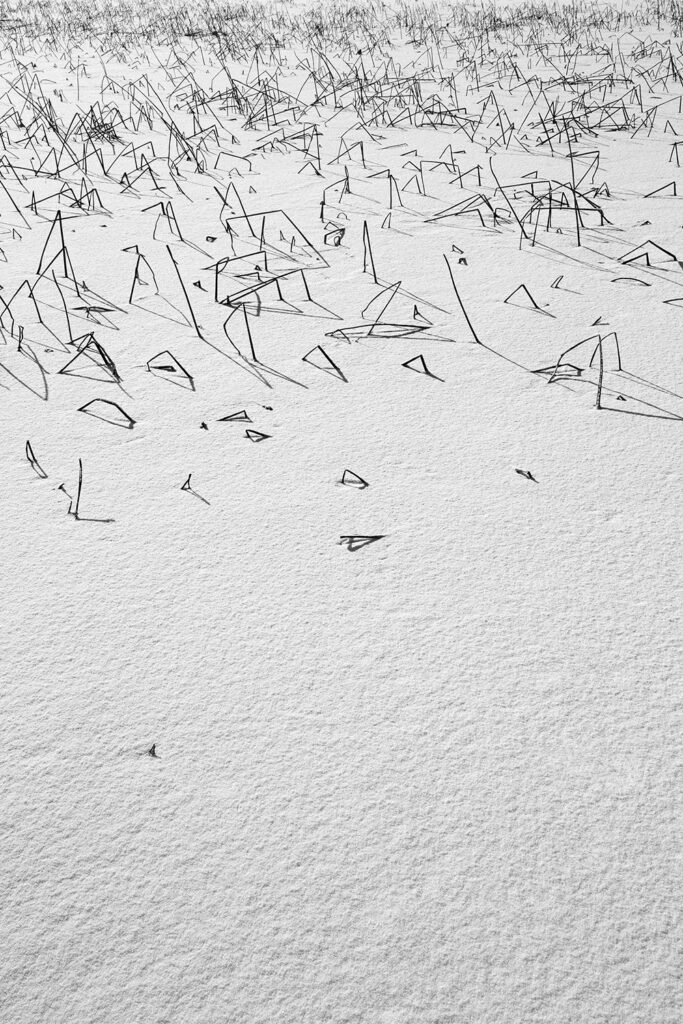
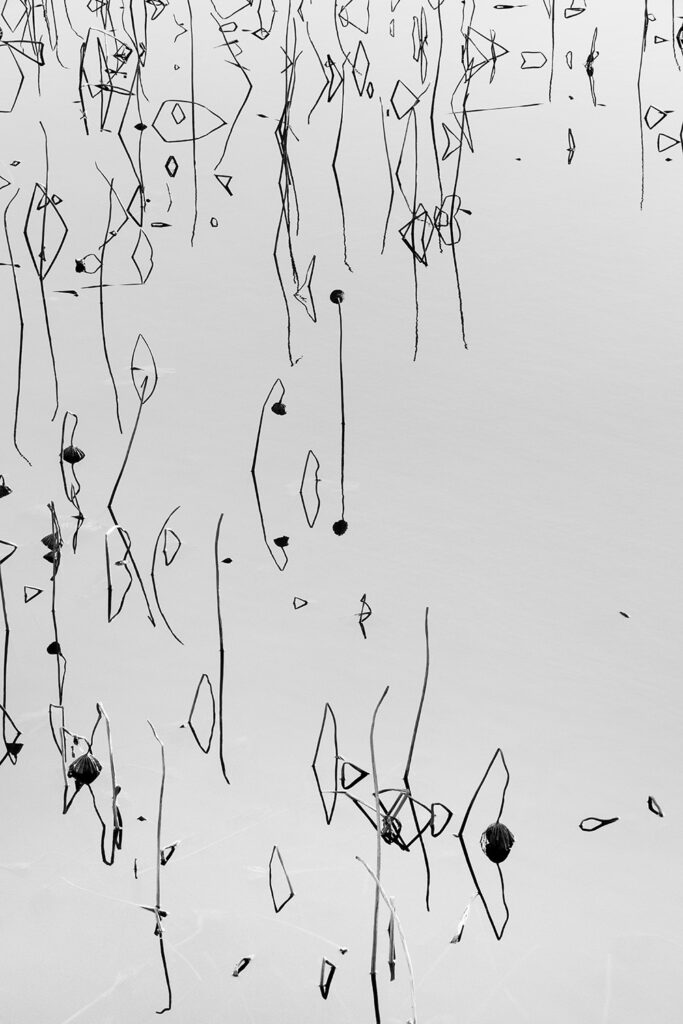
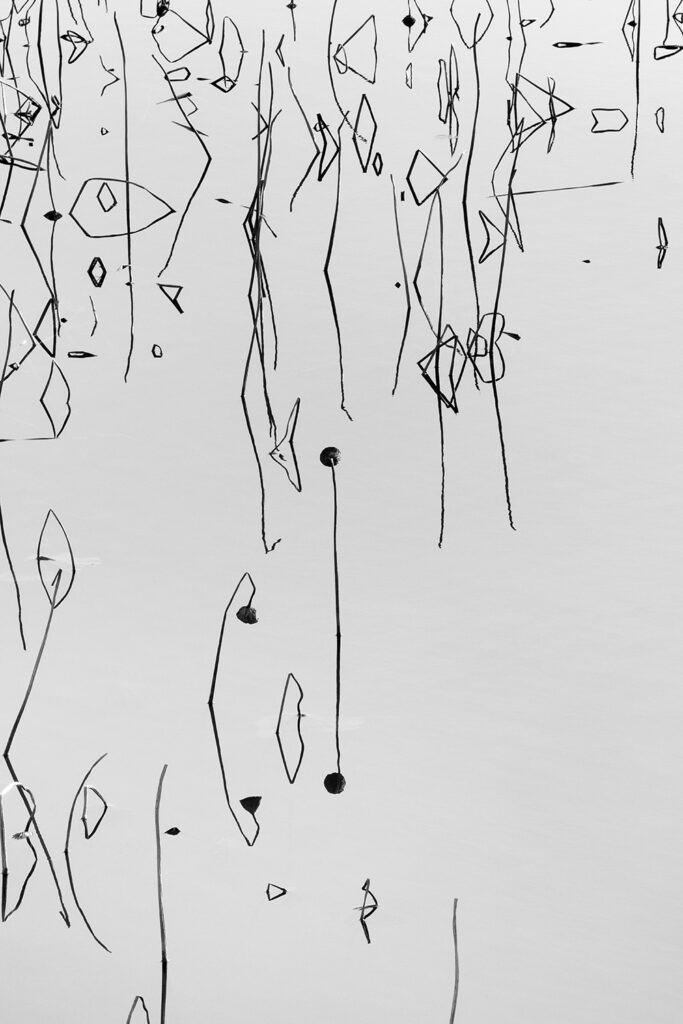
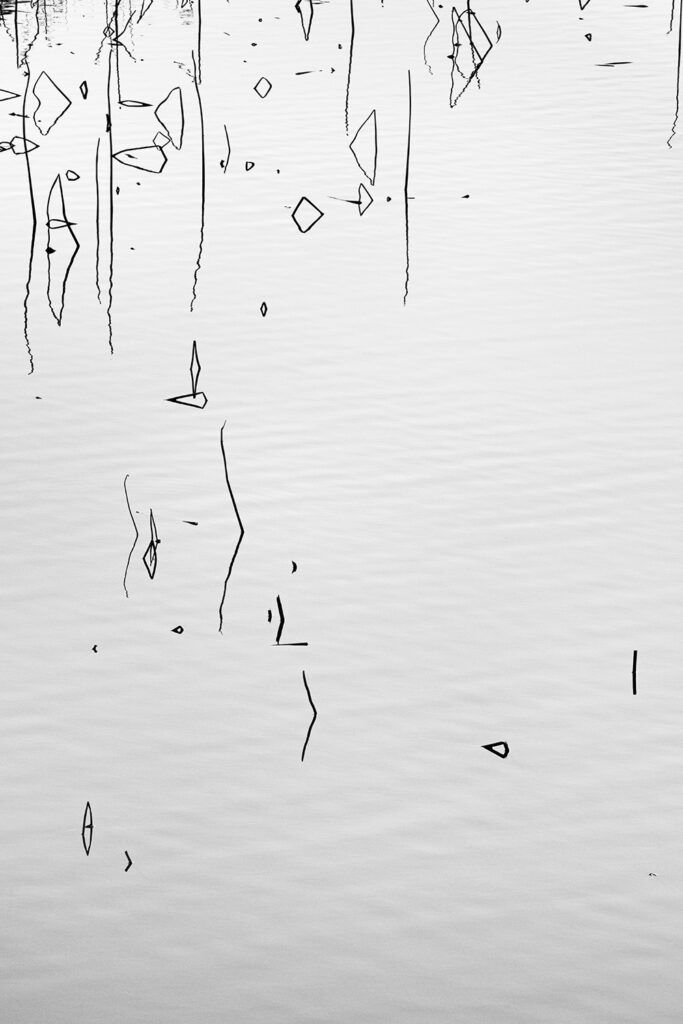
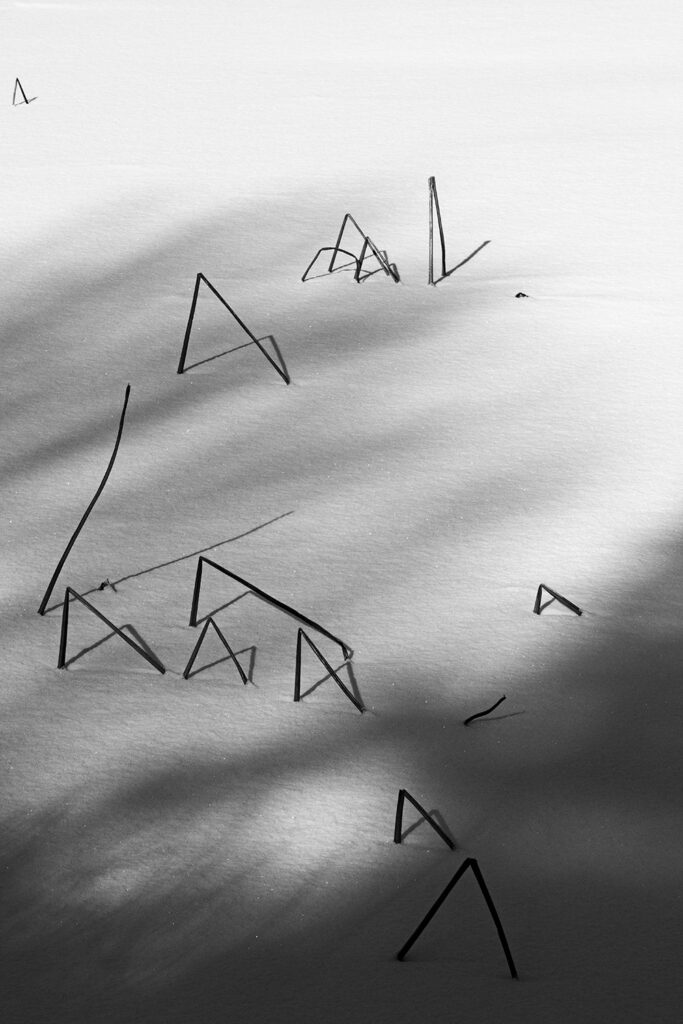
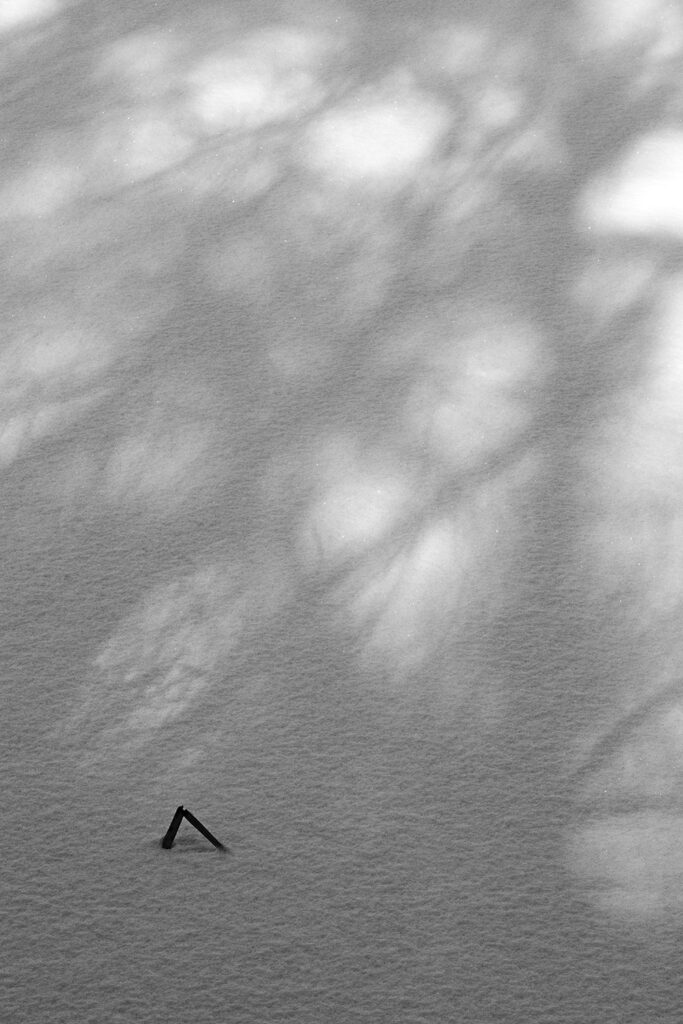
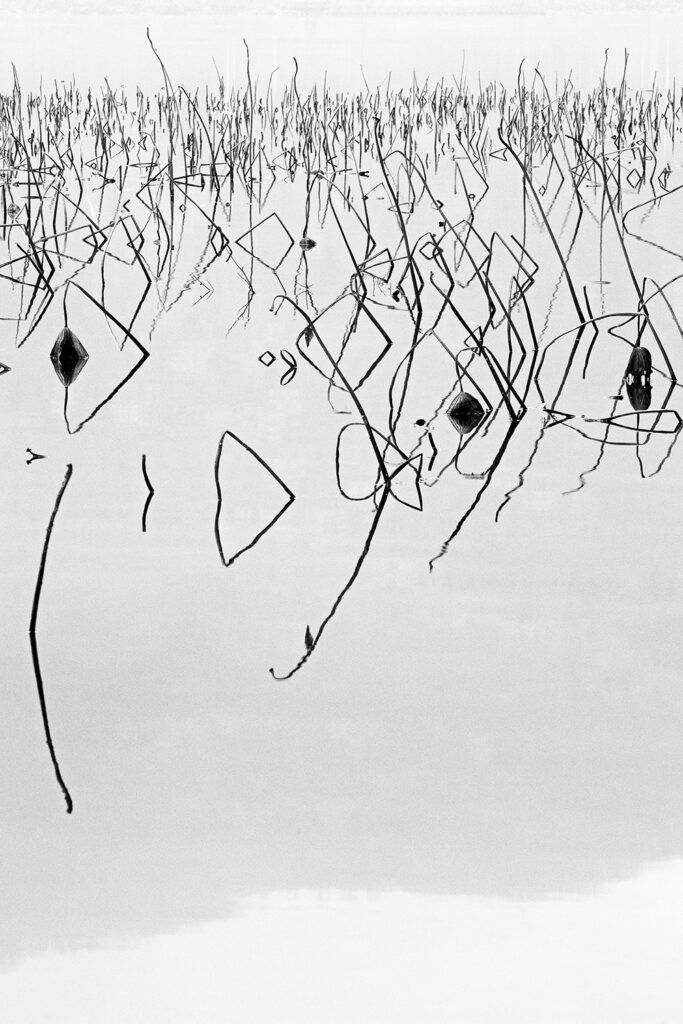
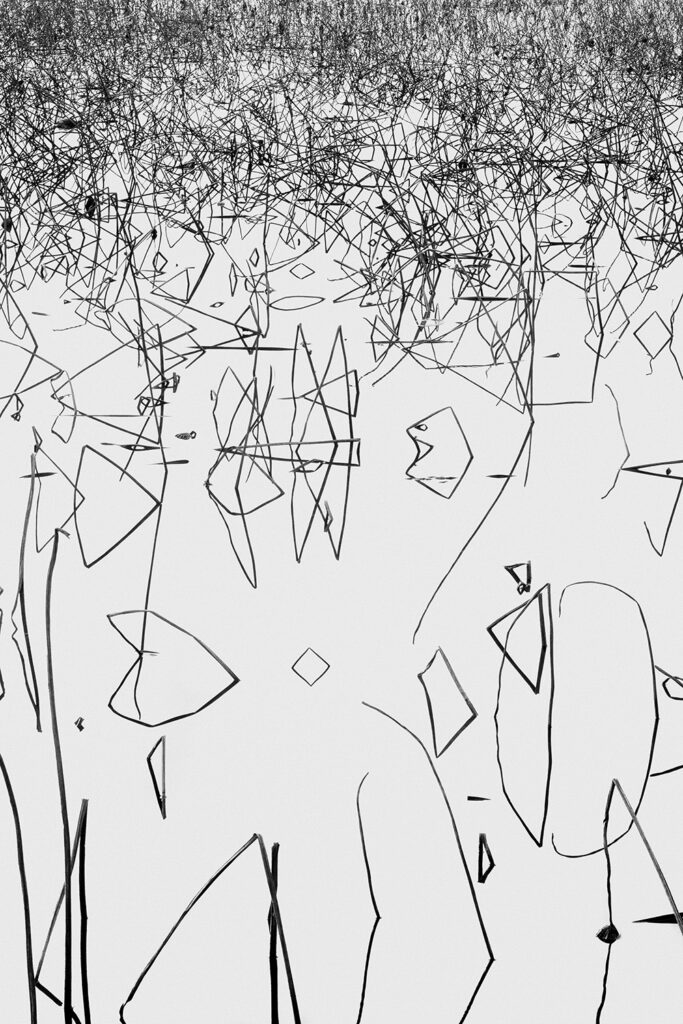
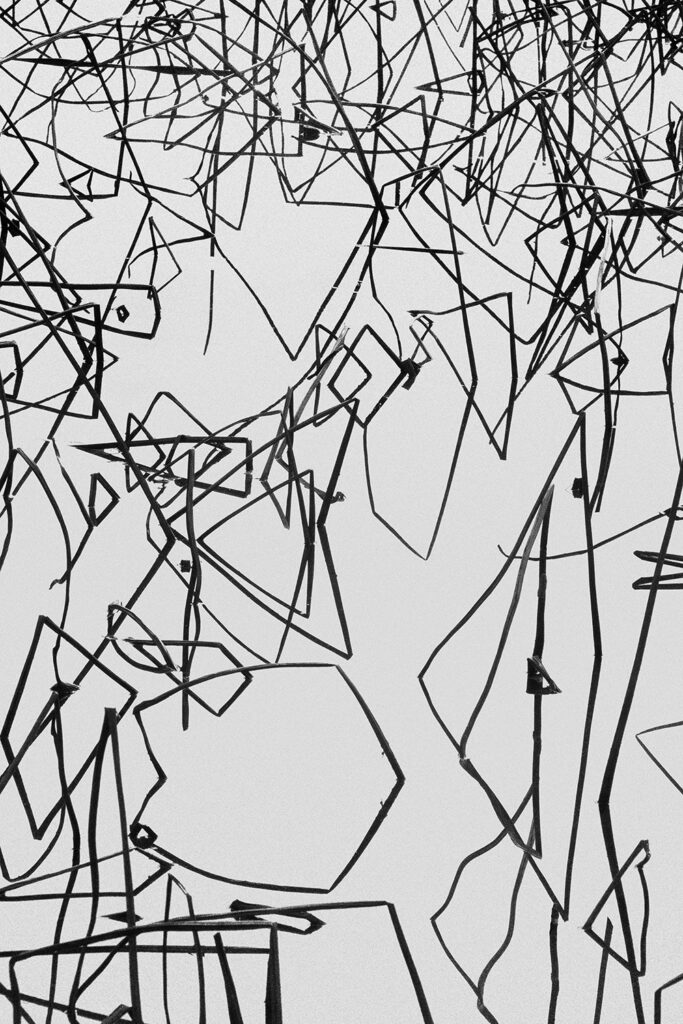
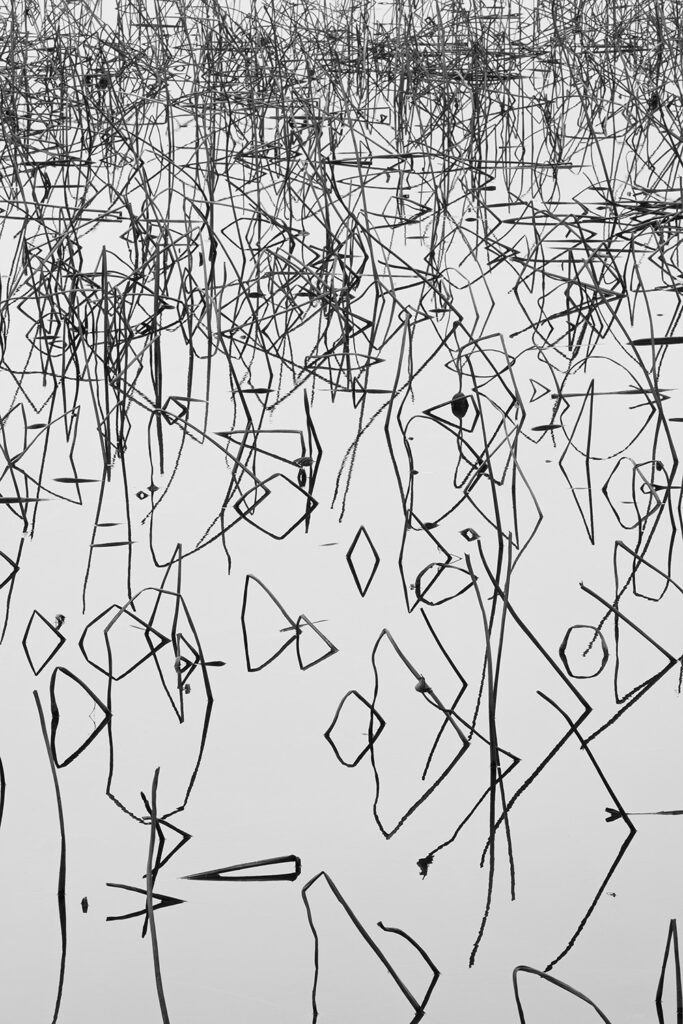
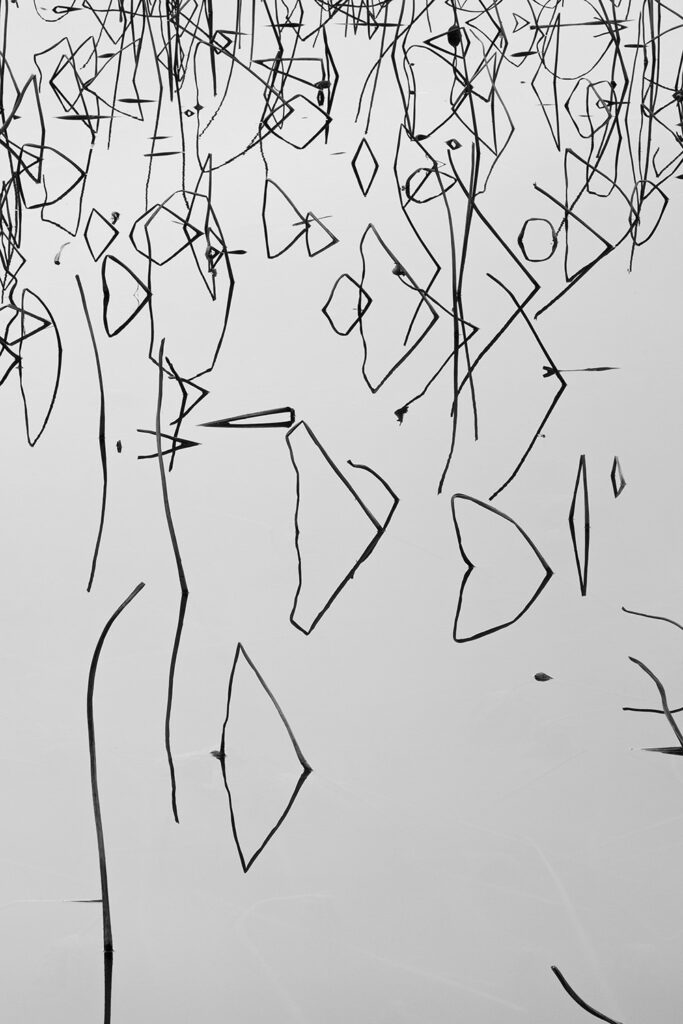
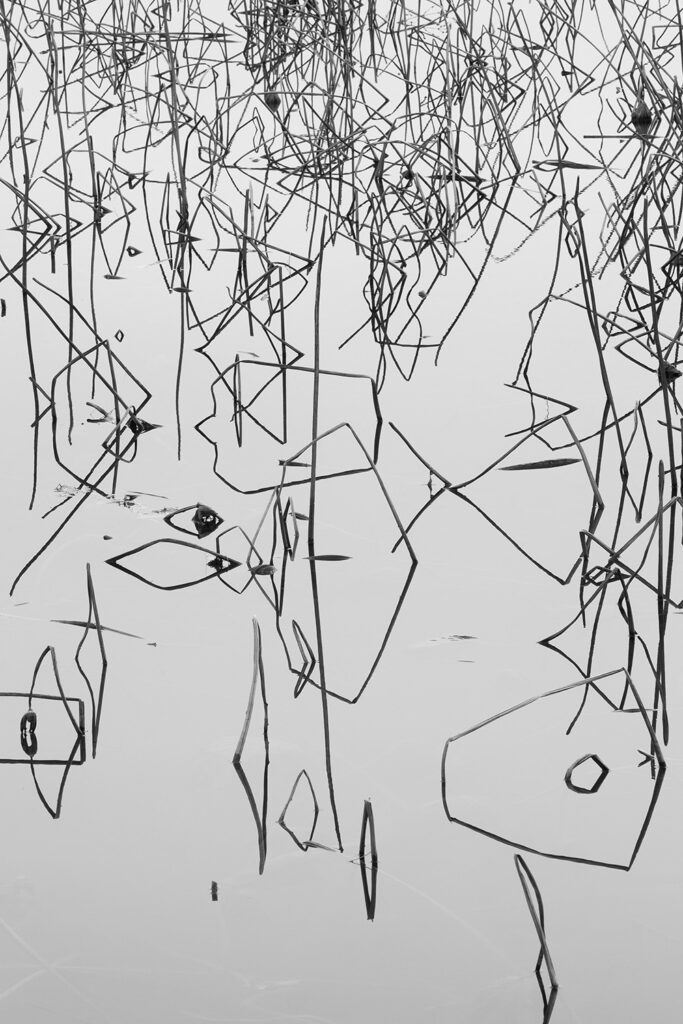
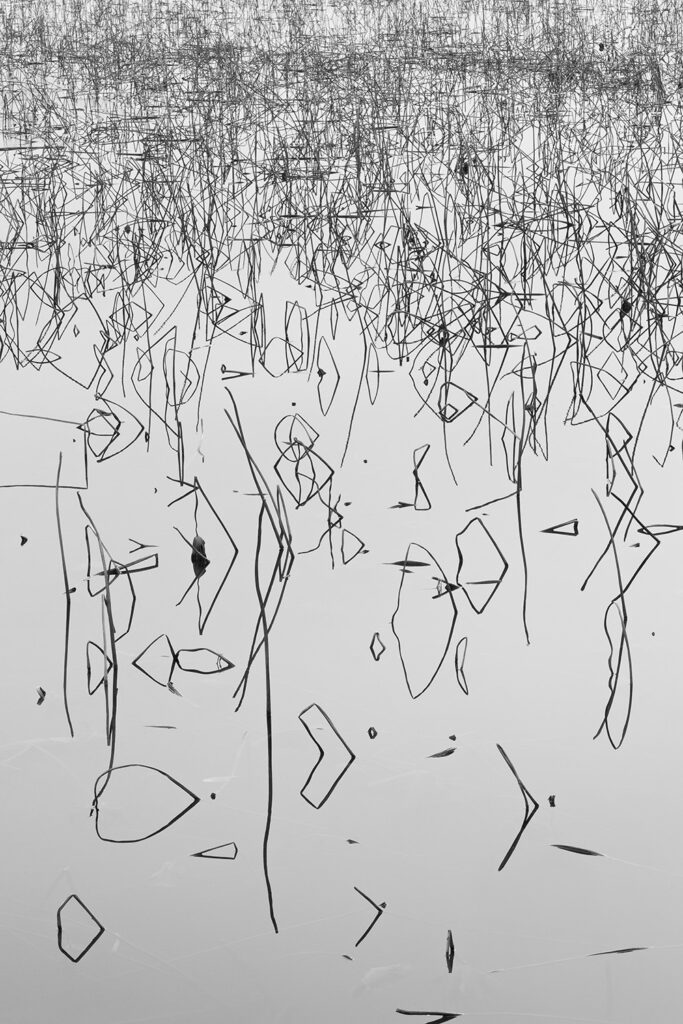
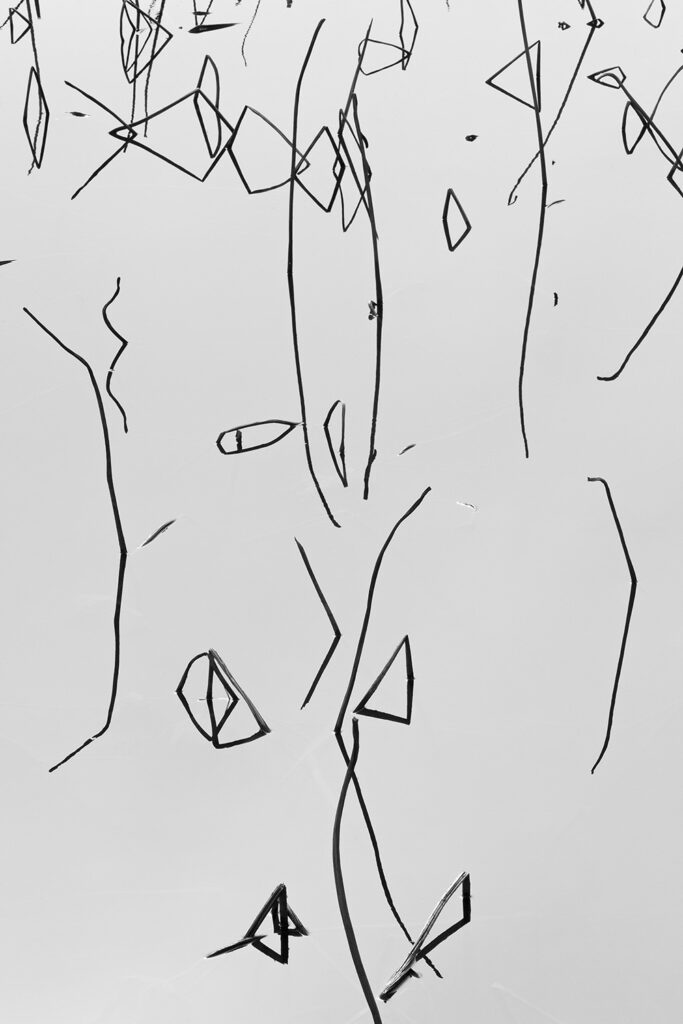
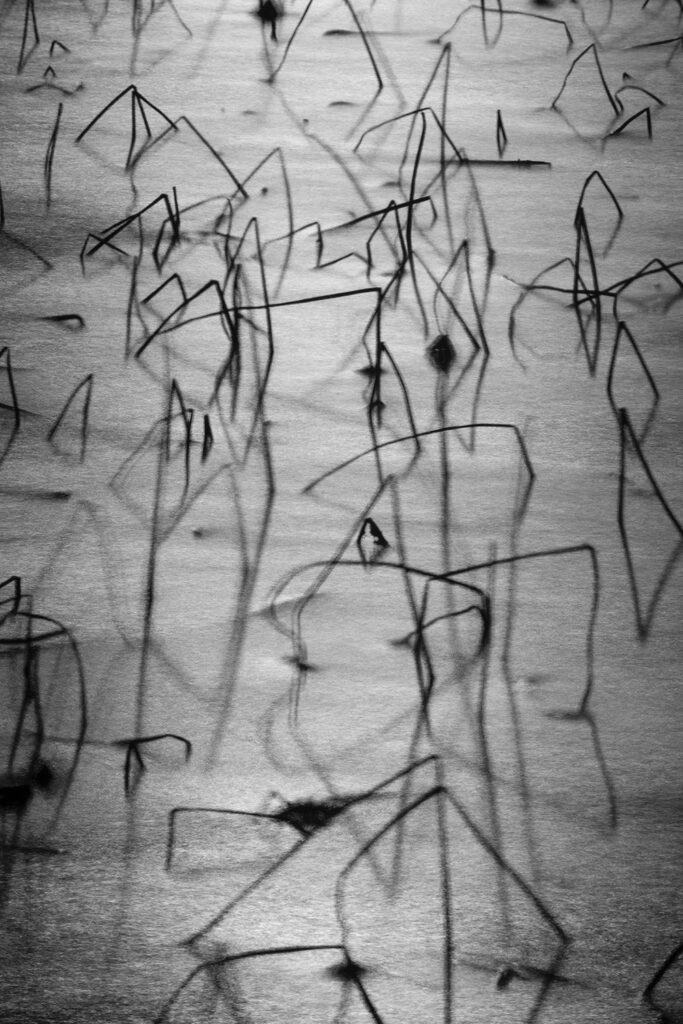
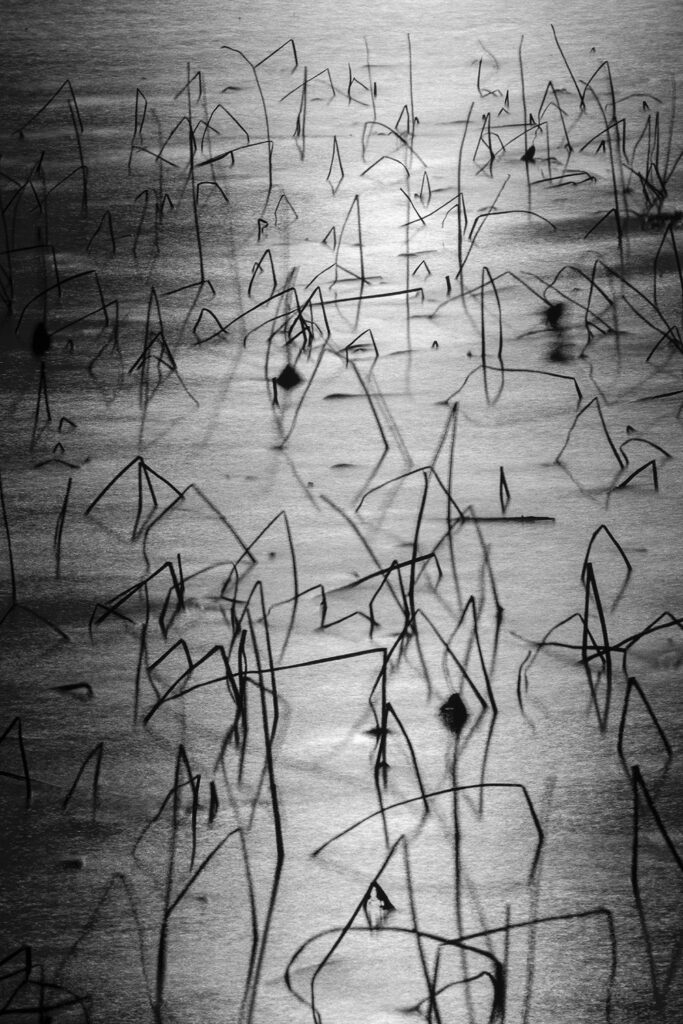
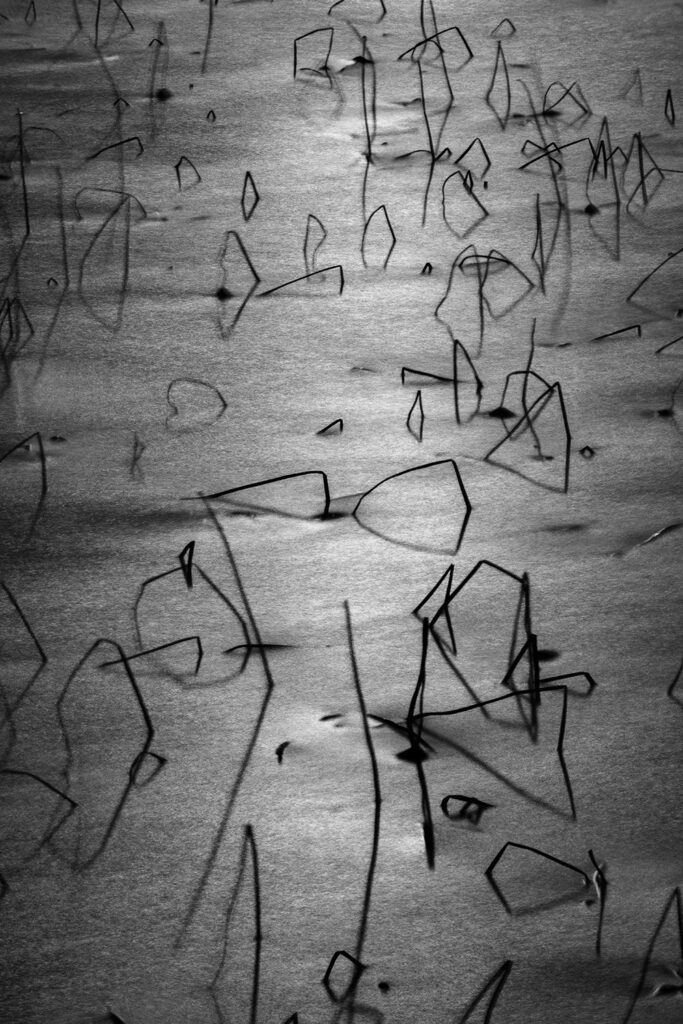
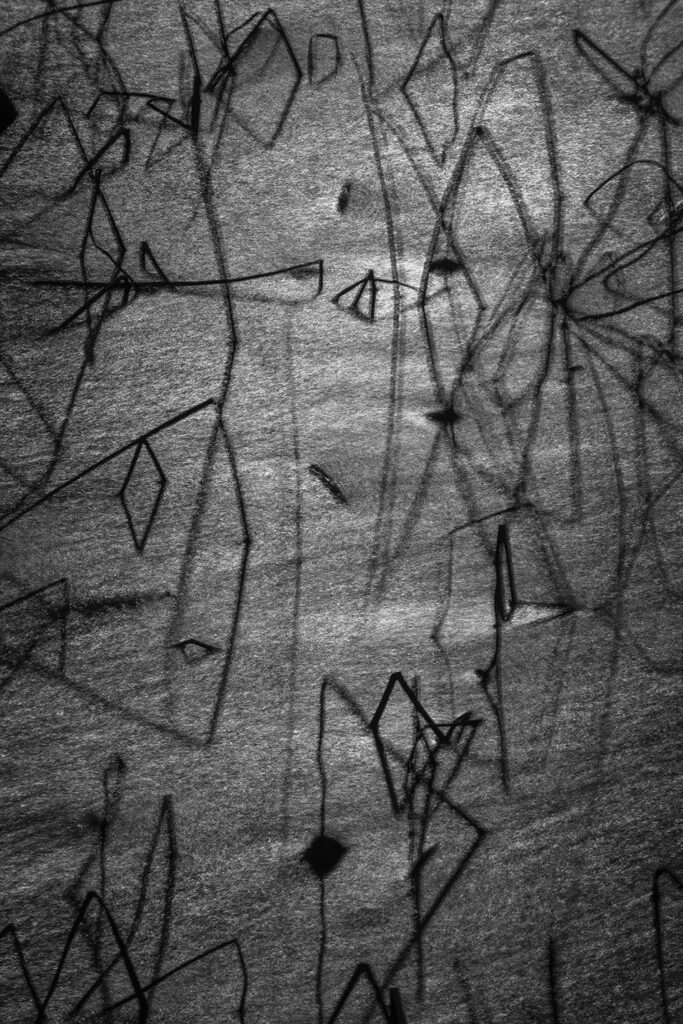
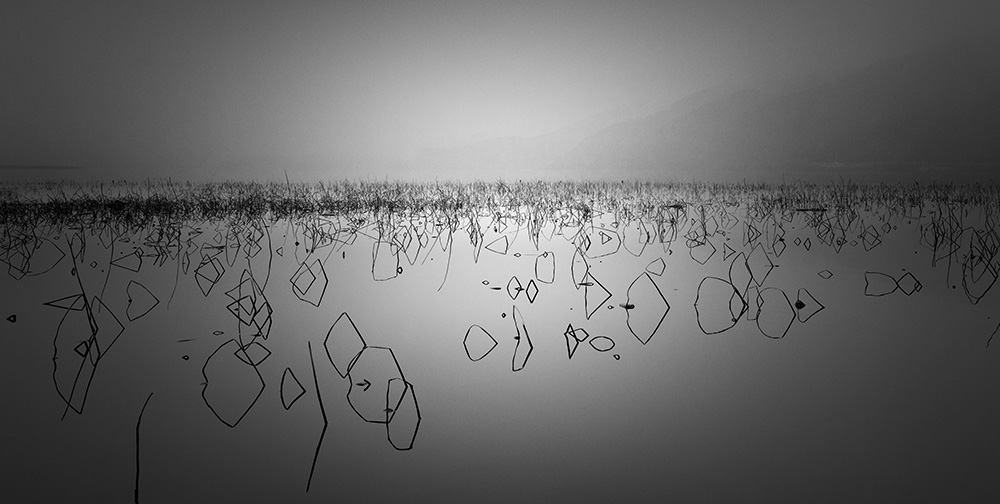
연꽃은 진흙 속에서 자라지만 맑은 꽃을 피워내어 동아시아 문화권에서 예로부터 청정함과 깨달음의 상징으로 여겨져 왔다. 완숙한 여름의 아름다움도 깊은 인상을 남기지만, 나는 겨울 강물 위에 뼈대만 앙상하게 남은 시든 연잎, 즉 패하(敗荷)가 보여주는 또 다른 형태의 미감에 마음이 끌린다. 시간이 지나 잎이 사라진 뒤에도 물 위에 남은 기하학적인 선들은 바람이 지나갈 때마다 서로 부딪히며 작은 리듬을 만든다. 그것은 한 편의 간결한 시의 행 같기도 하고, 고요한 악보 위의 음표 같기도 하다. 나는 매년 겨울, 같은 장소를 찾아 서로 다른 빛과 배경 속에서 실재와 그림자가 겹쳐지는 이 경이로운 순간을 흑백 사진으로 기록하며 형태와 리듬을 강조해 오고 있다.
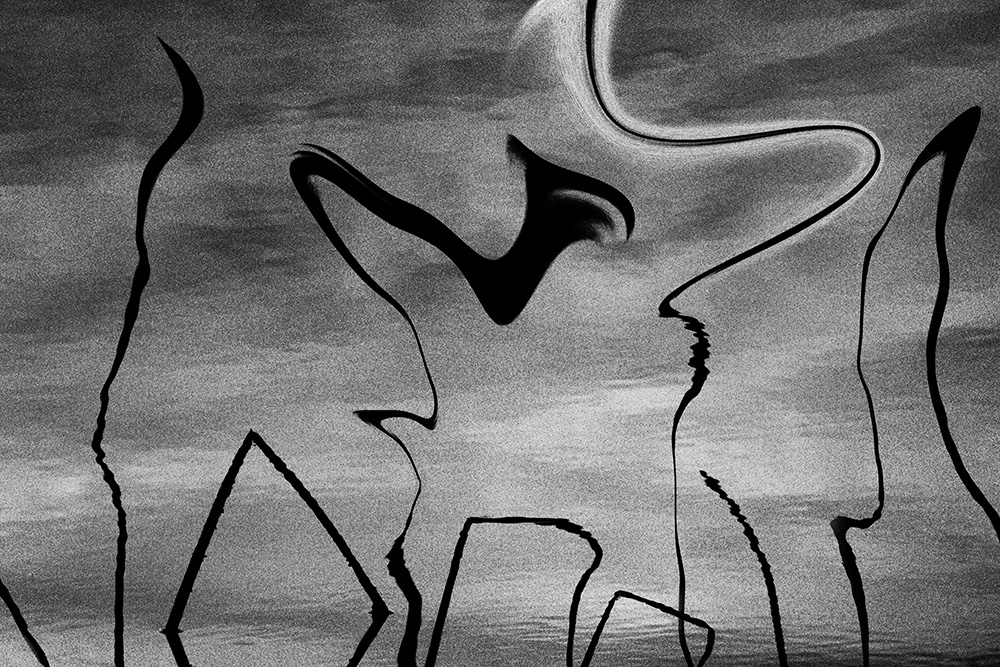
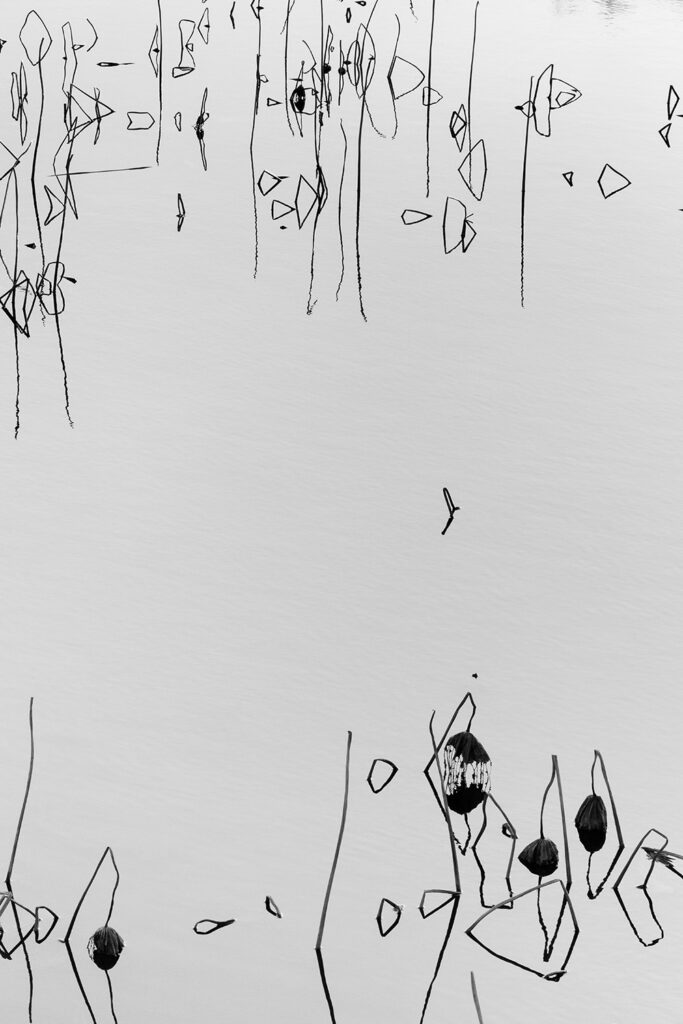
이 ‘패하’ 연작은 겨울의 시든 연잎을 통해 자연의 순환과 시간의 흐름을 바라본 기록이다. 진흙에서 피어나 다시 흙과 물로 돌아가는 과정은 끝이 아니라 또 다른 시작을 향한 묵묵한 준비다. 물에 비친 반영 속에서 실재와 환영은 하나가 되고, 허물어진 식물의 흔적들은 조용히 진흙의 일부가 된다. 수면에 남겨진 흑백의 선과 그림자를 통해 사라지는 순간의 애틋함을 기록하는 동시에, 다음 계절을 잉태하는 자연의 시간과 생명력을 이야기하고 싶다.
Traveling just a short distance upstream along the Hangang River away from the city center, the concrete embankments disappear, leading into the tranquil embrace of nature. This is Paldang, the final gateway and dam where the North and South Hangang Rivers meet before entering the capital, Seoul. In this strictly protected water source area where development is restricted, withered lotus leaves stand quietly on the water in winter, with only their stems remaining. The broad leaves and vibrant flowers that covered the surface during the summer are gone, leaving only dry stems swaying with the ripples in the cold air.
The past landscape of the Hangang River was quite different from today. According to historical records such as the late Joseon geography book Taekriji, the water near present-day Yongsan was so calm that lotuses grew abundantly, and during the Goryeo Dynasty, kings would even go out to view them. However, as urban development progressed, most of these scenes vanished from the city, and now their traces can only be found upstream near Paldang. As if the river is nurturing them to purify the drinking water for city dwellers, this lotus colony by the water’s edge restores a glimpse of the Hangang River’s lost past.
The lotus grows in mud but blooms into a pristine flower, making it a symbol of purity and enlightenment in East Asian culture. While the mature beauty of summer leaves a deep impression, I am drawn more to another form of aesthetic found in the skeletal, withered lotus stems—Paeha—left on the winter river. Even after time passes and the leaves disappear, the geometric lines remaining on the water bump into each other whenever the wind passes, creating a subtle rhythm. They look like lines of a concise poem or musical notes on a quiet score. Every winter, I return to this same place to record these wondrous moments in black and white photography, emphasizing the form and rhythm where reality and shadows intersect against different lights and backgrounds.
The “Withered Lotus” series is a record of observing the cycle of nature and the flow of time through dying winter leaves. The process of blooming from the mud and returning to the earth and water is not an end, but a silent preparation for another beginning. In the reflection on the water, reality and illusion become one, and the crumbling traces of the plants quietly become part of the mud. Through the black and white lines and shadows left on the surface, I wish to record the poignant beauty of fading moments while showcasing the time and vitality of nature as it prepares for the next season.
Info
敗荷 패하
시든 연잎
野外新秋色 야외신추색
들 밖의 가을빛이 새로운데
蕭然上敗荷 소연상패하
쓸쓸하게 앞의 연꽃이 시드네
已收芳艷了 이수방염료
꽃다운 아름다움 이미 그치니
奈此苦心何 내차고심하
이 괴로운 마음을 어찌하나
尙有擎天柄 상유경천병
하늘을 받든 꽃자루 아직도 있고
猶餘蘸月波 유여잠월파
달을 담근 물결도 그대로 남았네
誰將小絃管 수장소현관
누가 장차 작은 현과 피리로
爲我度悲歌 위아도비가
날 위해 슬픈 가락 읊어주려나
조선 후기 정약용(丁若鏞), 여유당전서(與猶堂全書), 제1집 제5권 시문집(第一集第五卷詩文集)
敗荷 (Withered Lotus)
野外新秋色
Fresh autumn hues spread beyond the fields,
蕭然上敗荷
As the lotus before me desolately withers.
已收芳艷了
Its fragrant beauty has already faded away,
奈此苦心何
What am I to do with this aching heart?
尙有擎天柄
Yet the stem that upheld the sky still stands,
猶餘蘸月波
And the ripples that embraced the moon remain.
誰將小絃管
Who will take up a small string and flute,
爲我度悲歌
And play a song of sorrow just for me?
丁若鏞 (Jeong Yak-yong), 與猶堂全書 (Yeoyudangjeonseo), 第一集第五卷詩文集 (Collection of Poetry and Prose, Vol. 5, Book 1)