우통수(于筒水) 강원도 기념물 제88호
Utongsu Gangwon-do Monument No. 88
Concept
發 · 源 · 根 · 名 · 水 · 江 · 心
發源 발원 Origin
모든 흐름이 시작되는 지점
根源 근원 Source
물줄기가 나오기 시작하는 곳
名水 명수 Renowned Water
맛이 좋기로 이름난 뛰어난 물
江心水 강심수 Unmingled Water / Flows without losing its core
다른 물과 섞이지 않고 중심을 지키며 흐르는 무거운 물
發 필 발 · 源 근원 원 · 根 뿌리 근 · 名 이름 명 · 水 물 수 · 江 강 강 · 心 마음 심
發 Beginning · 源 Origin · 根 Root · 名 Renown · 水 Water · 江 River · 心 Core
Note
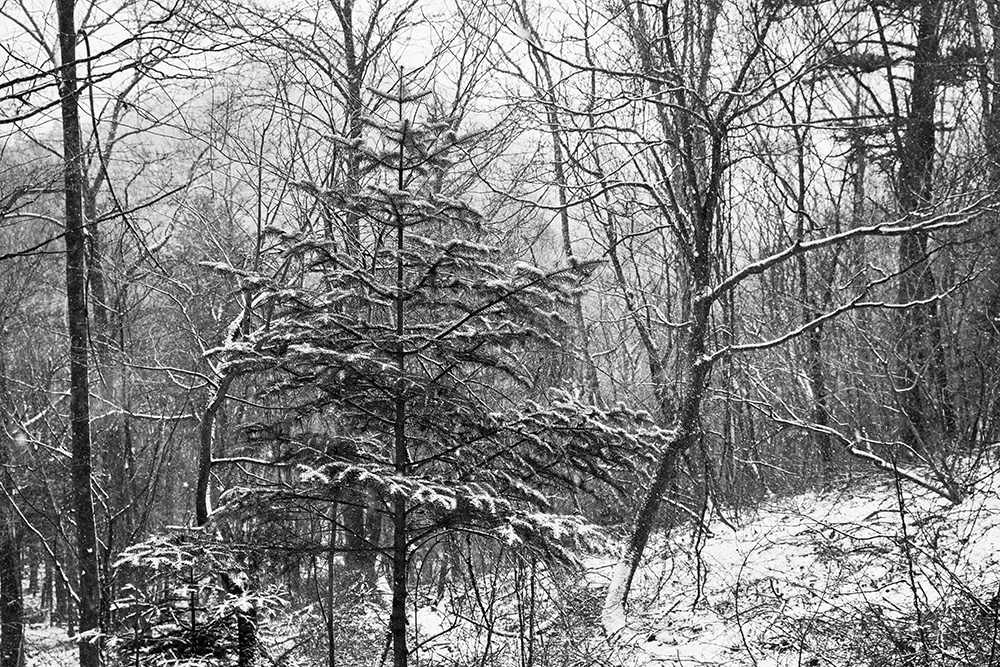
과학적 측량 기술이 없던 시절, 선조들은 직접 발로 산을 오르며 강의 시작을 찾아 기록했다. 그 오랜 역사가 가리키는 한강의 발원지는 모두 오대산 깊은 곳에 자리한 우통수였다. 고목나무샘이나 검룡소는 몇 차례 다녀왔지만 우통수는 달랐다. 정식 탐방로조차 없는 데다 오래된 암자에 머무는 스님이 있다는 이야기, 그리고 먼저 다녀온 이들의 짧은 기록이 내가 아는 전부였다. 오래전부터 마음속에 품어온 역사의 근원을 직접 눈으로 확인하고 싶어 초겨울 오대산으로 향했다.
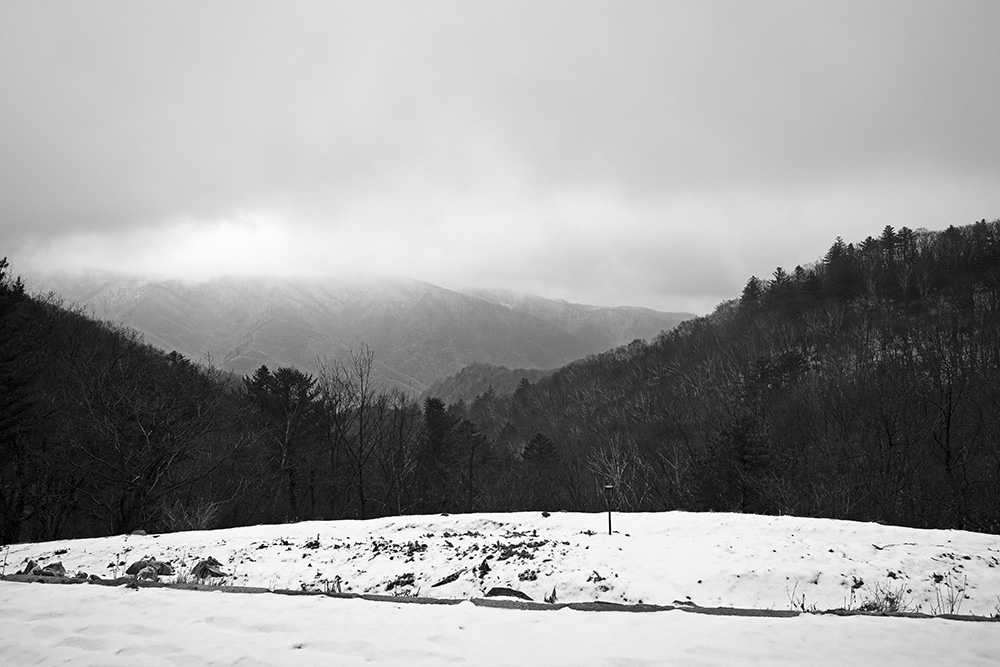
11월의 끝자락, 산에는 이미 눈이 하얗게 내려앉아 있었다. 눈은 길의 흔적을 말끔히 덮어버렸고, 막막함에 초입에서 한참을 주춤거리고 있었다. 그때 기적처럼 산 위에서 내려오는 스님을 만났다. 인적이 드문 곳에 찾아온 것을 의아해하시던 스님은 우통수를 보러 왔다는 내 말에 잠시 나를 바라보시더니 기꺼이 길을 내어주셨다. 길을 덮어버린 눈은 오히려 스님의 발자국을 선명하게 남겼고, 나는 그 흔적을 따라 이정표 하나 없는 산속에서도 한 번도 길을 잃지 않고 오를 수 있었다. 막막함은 오히려 전화위복이 되었다.
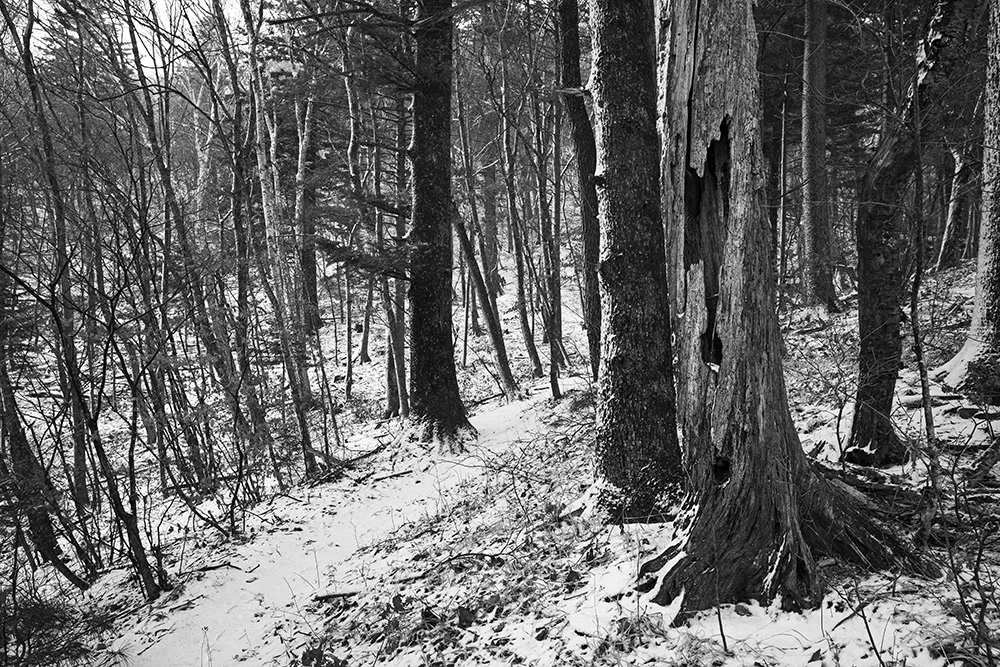
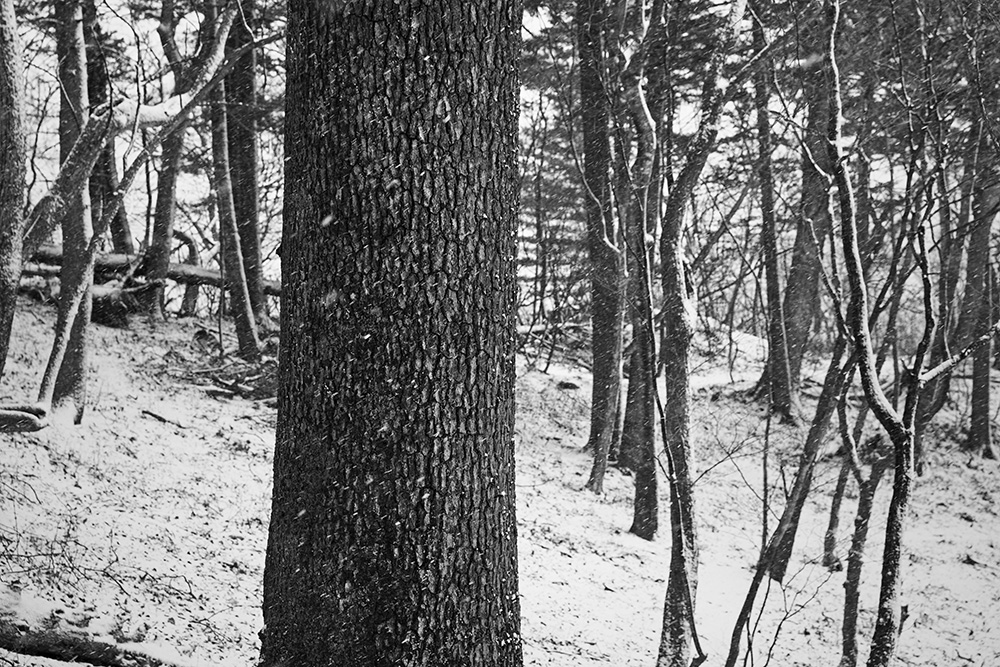
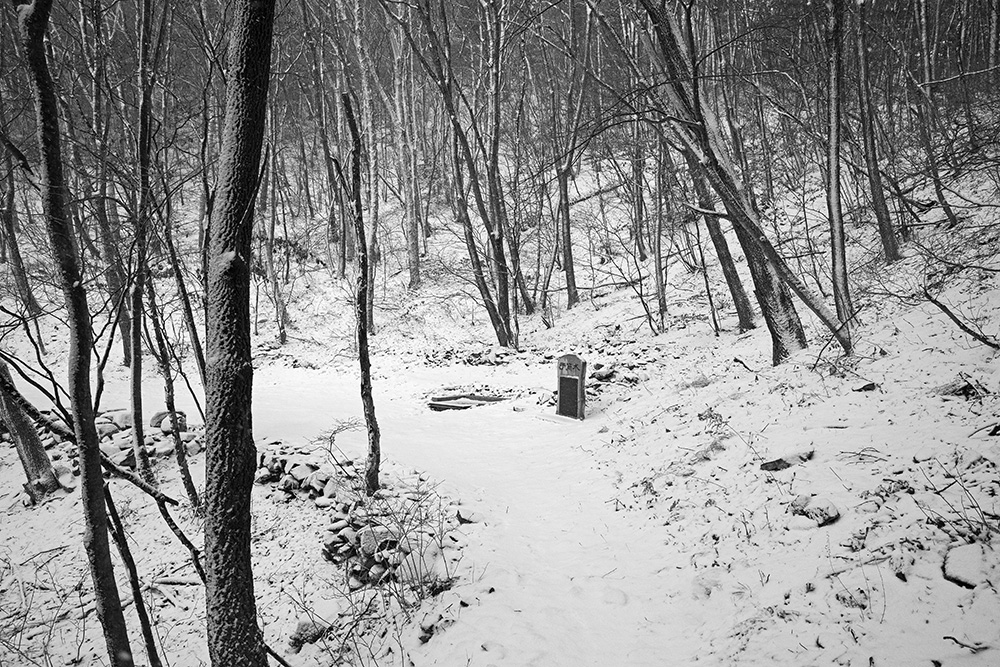
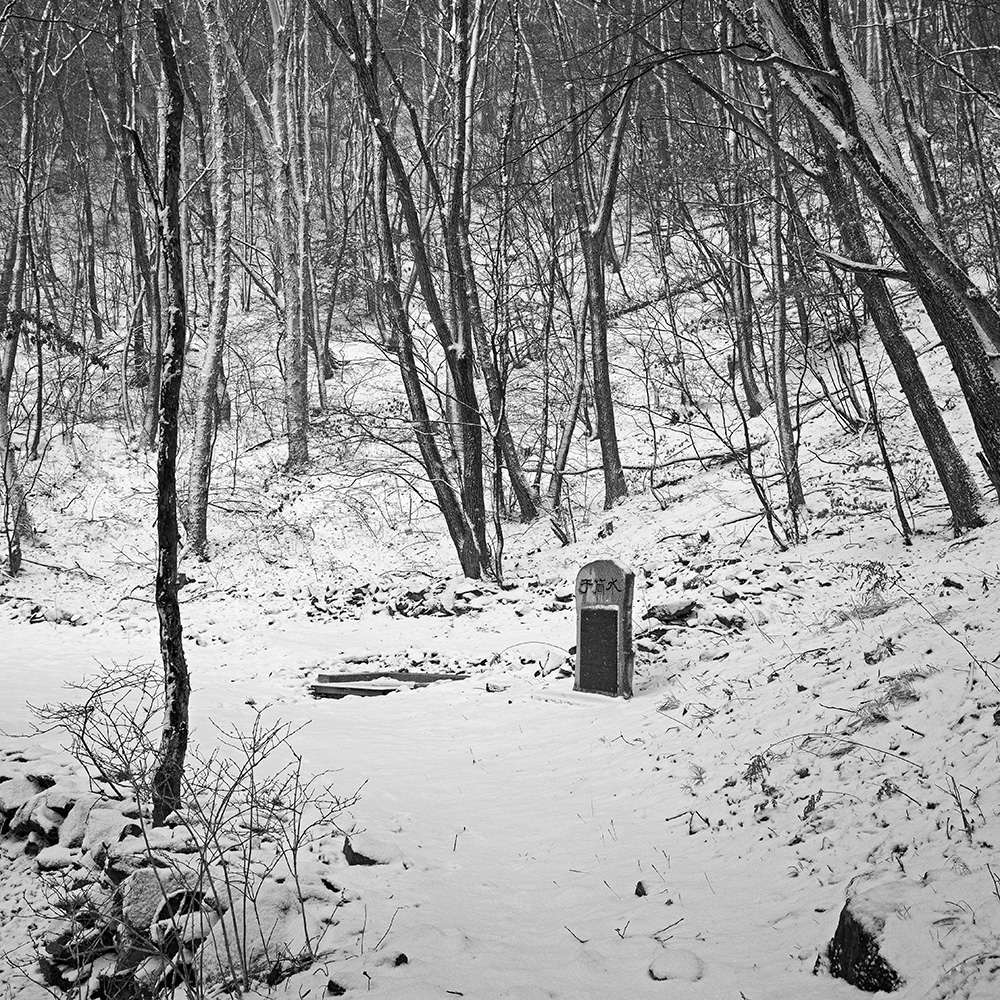
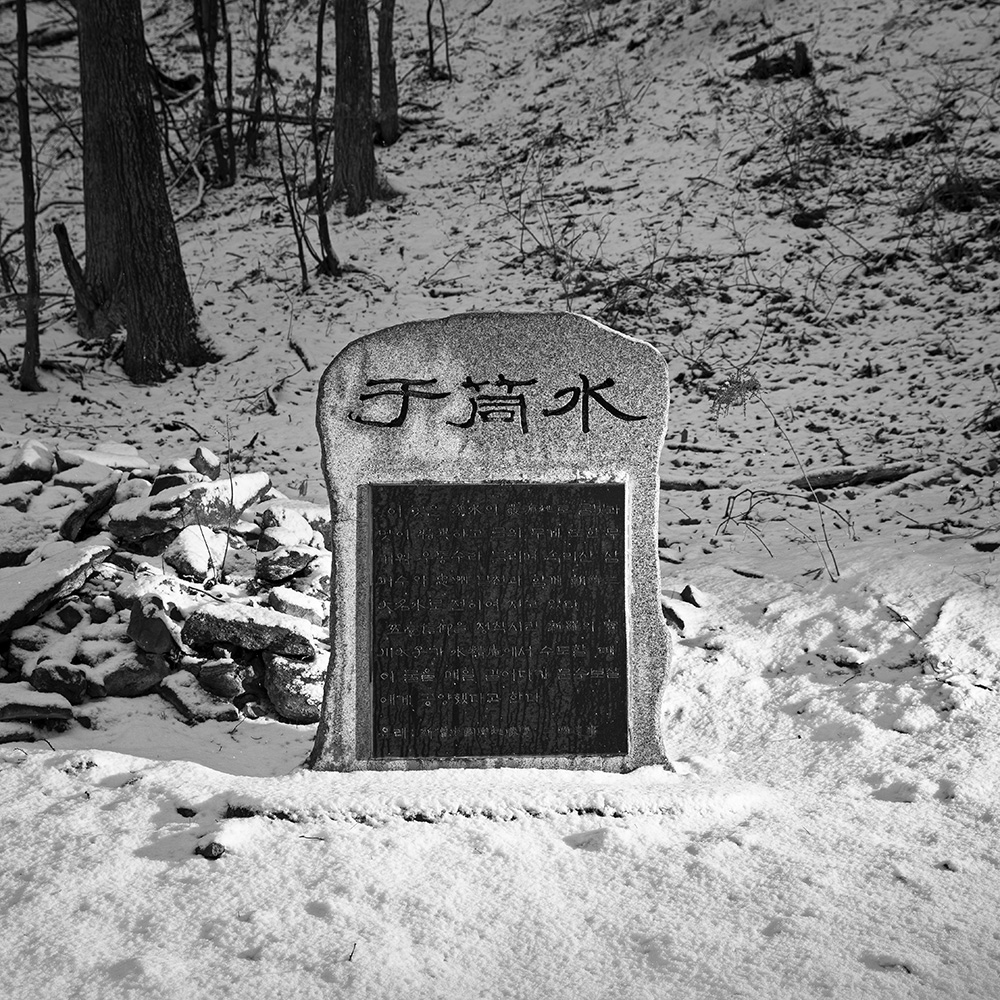
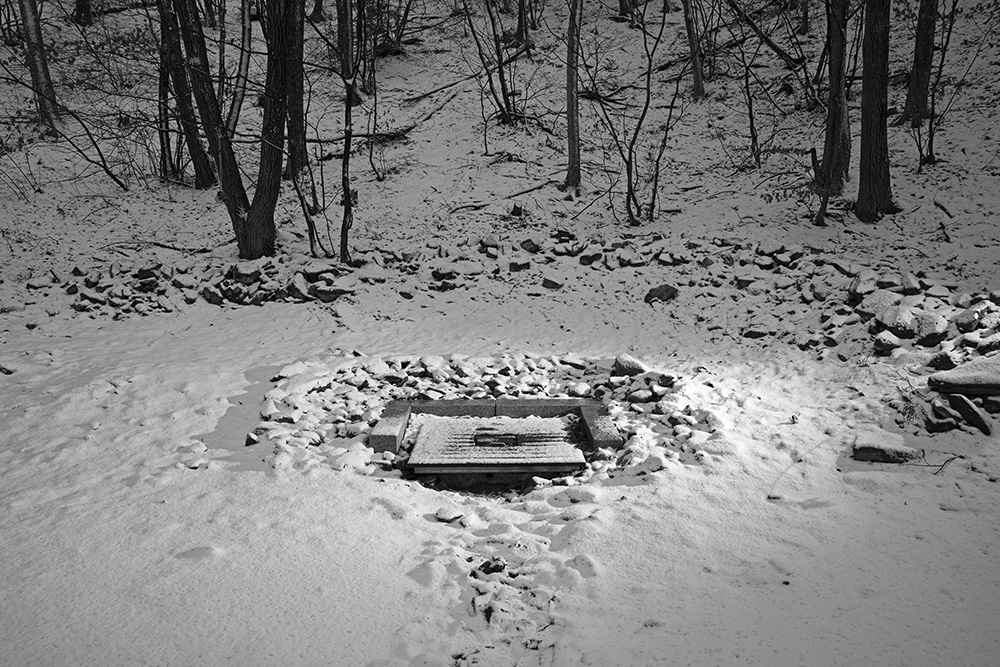
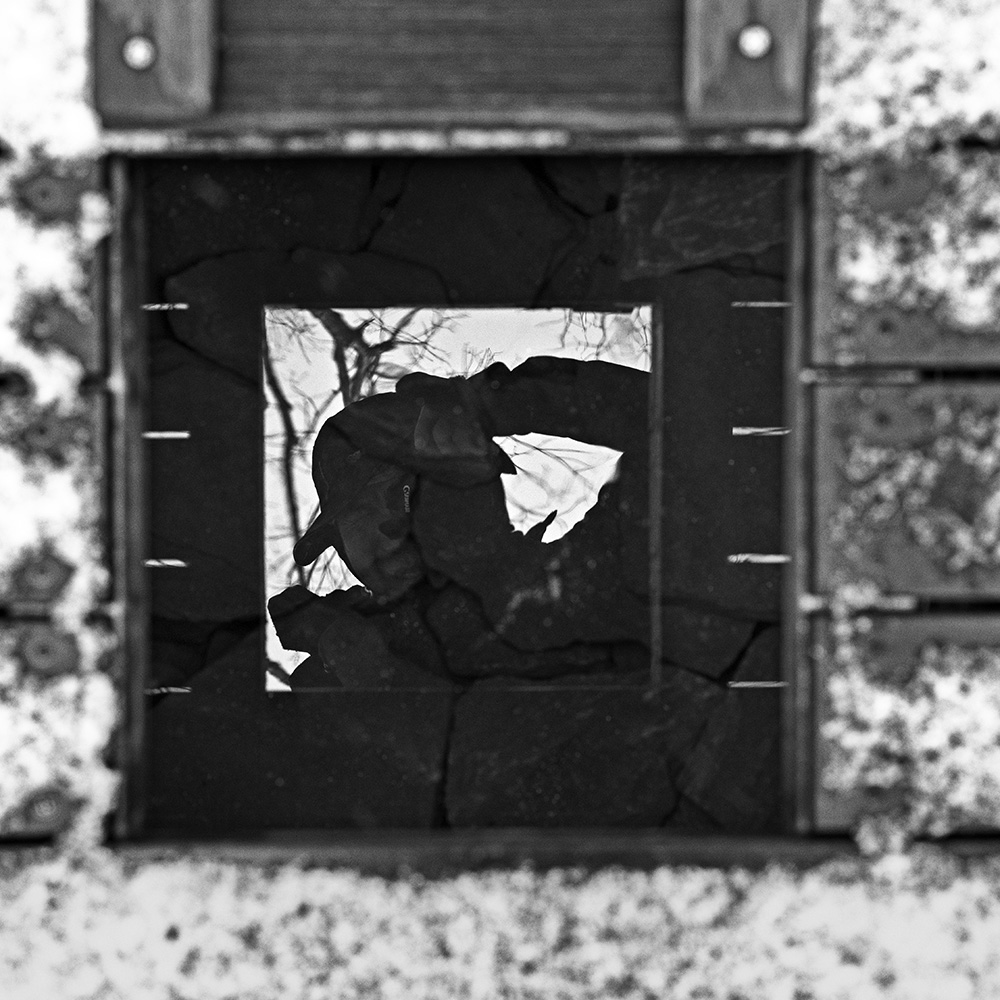
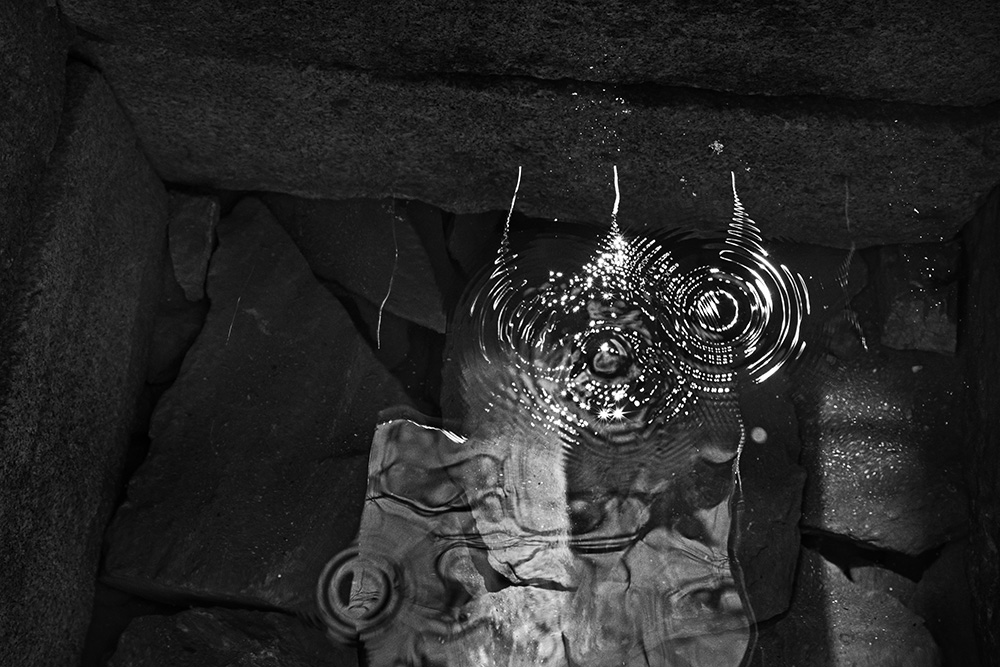
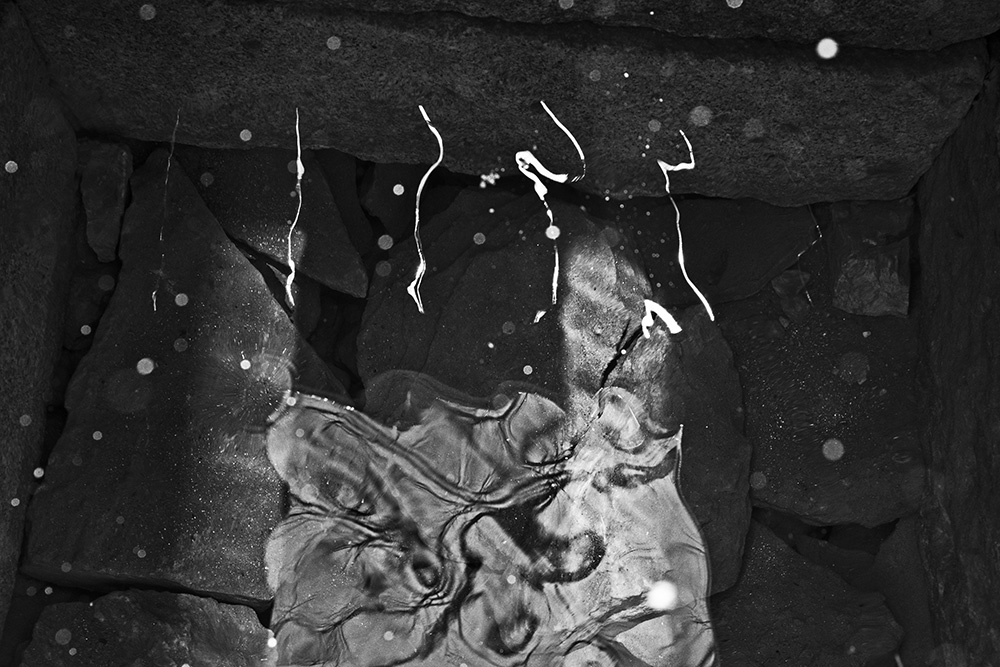
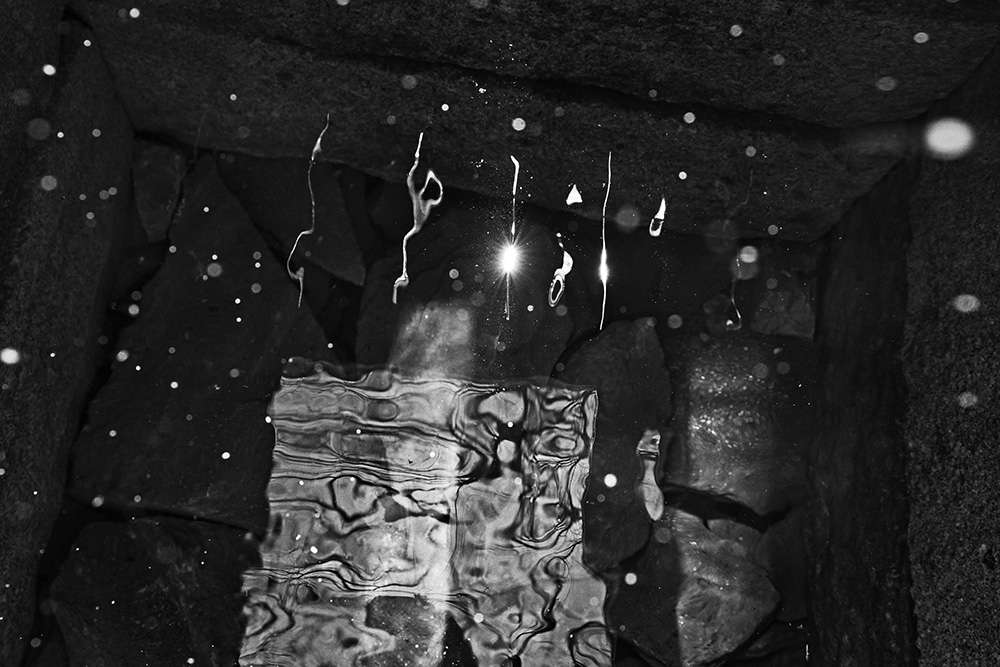
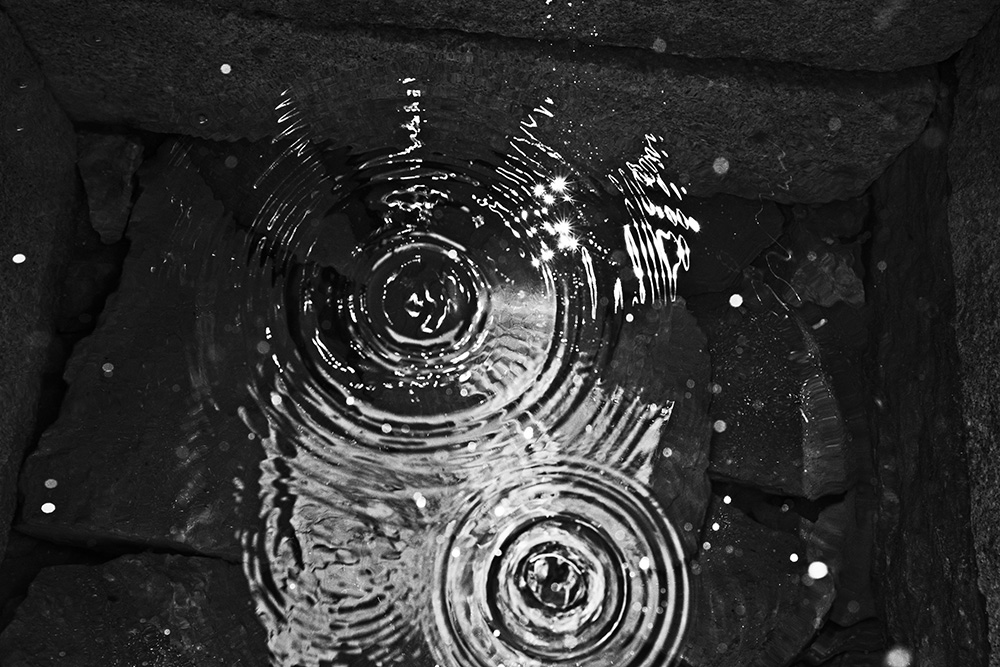
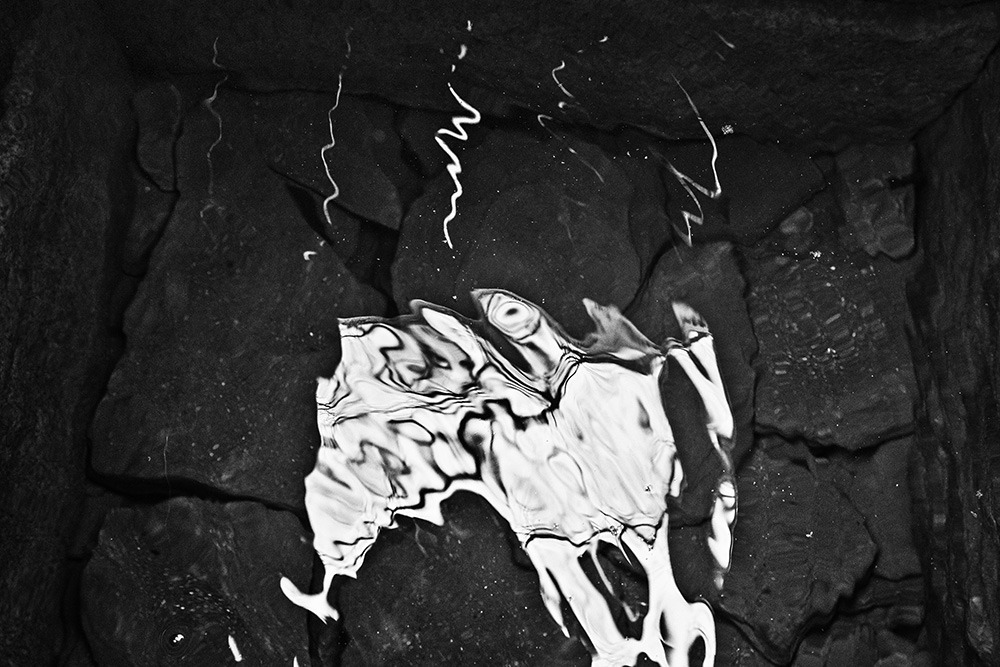
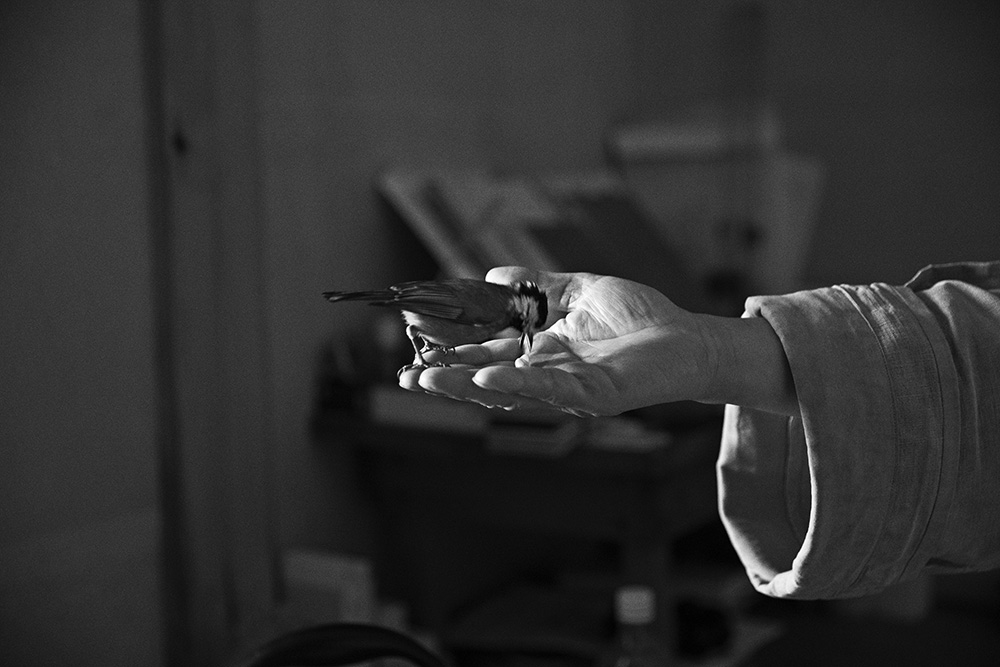
한참을 올라 거대한 고목을 지나치자 거짓말처럼 고요한 장소가 나타났다. 시간이 멈추고 소리마저 사라진 듯한 동화 같은 풍경 속에 작은 비석 하나가 서 있었다. 그 위에는 한자로 우통수라 새겨져 있었다. 조심스레 덮개가 씌워진 샘을 열자 가장 먼저 내 모습이 투명하게 비쳤다. 그 아래로 바닥의 돌과 맑은 물, 물 위로 드리운 나무의 형상이 하나로 겹쳐졌다. 흐린 하늘 아래 흩날리는 눈발과 수면의 반사는 묘하게 신비로웠다. 사람을 두려워하지 않는 산새들은 머리와 어깨 위에 스스럼없이 내려앉으며 낯선 방문자를 반겼다. 인간과 자연의 경계가 완전히 허물어진 공간이었다. 나는 한참 동안 그곳에 머물며 물을 바라보고 거대한 자연의 흐름을 온전히 느꼈다.
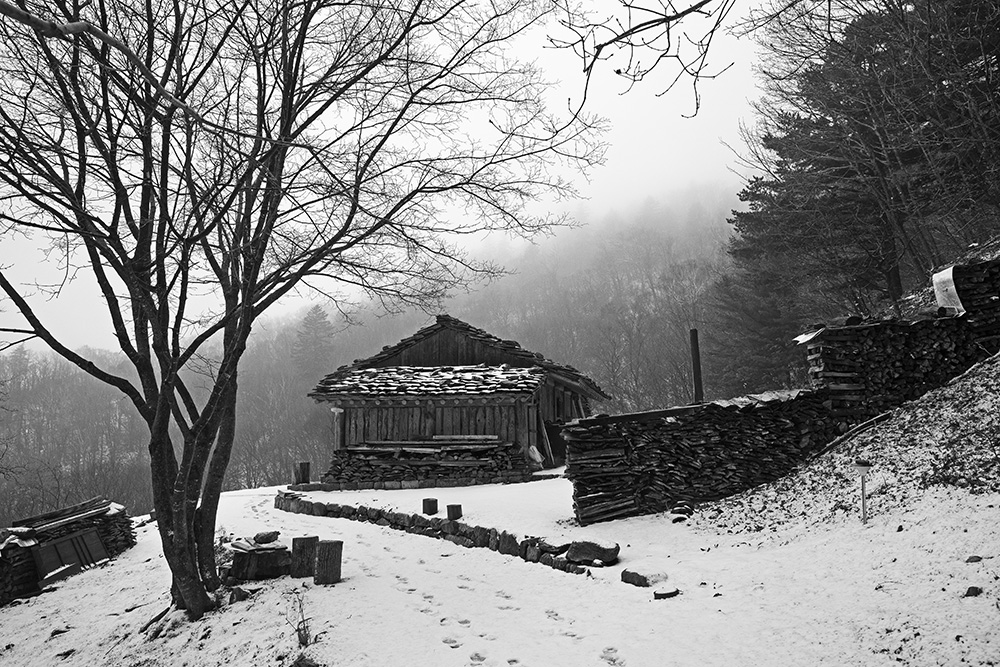
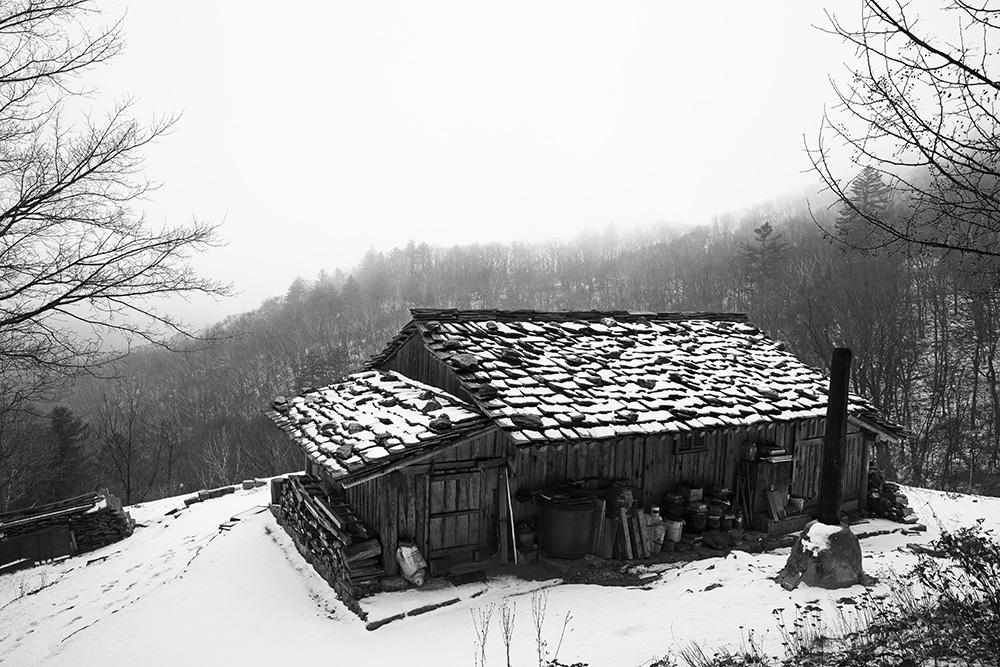
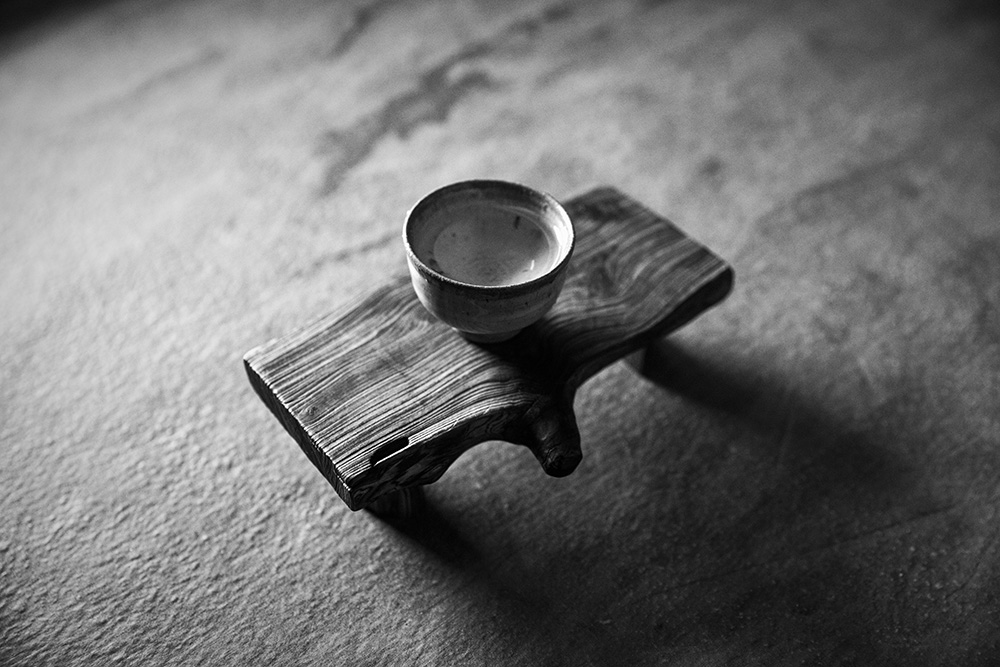
산을 거의 다 내려왔을 무렵, 일을 마치고 올라오시던 스님과 다시 마주쳤다. 인적이 끊긴 곳까지 와서 우통수 사진을 그토록 오래 찍는 이유가 신기하다며 말을 건네신 스님은, 차를 주시겠다며 기꺼이 나를 다시 암자로 이끄셨다. 너와집 지붕 아래 마주 앉아 우통수에 얽힌 옛이야기와 산중의 삶을 들으며 차를 마셨다. 조선의 3대 명수라 불리는 물로 우려낸 차를 맛보는 호사는 전혀 예상하지 못한 선물이었다. 끊임없이 방 안으로 날아드는 새들을 벗 삼아, 시간이 멈춘 듯한 고요 속에서 시간 가는 줄 모르고 대화를 나누다 보니 어느새 해가 저물어가고 있었다.
기약 없는 다음을 약속하고 산을 내려와 주차장에 도착했을 때는 이미 짙은 어둠이 깔린 밤이었다. 하루라는 짧은 시간이었지만 지나고 보니 아득한 꿈을 꾼 것만 같았다. 직접 발로 딛고 눈으로 보며 입으로 마셔본 우통수의 물은 기록으로만 접하던 것과는 전혀 다른 생생한 감각으로 남았다.
눈앞에서 마주한 역사의 발원지는 단순한 시작점이 아니었다. 세월이 지나도 변치 않는 그 무거운 물을 눈에 담고 입으로 마셨다. 우통수의 물은 이곳에서부터 바다에 이르기까지 다른 물을 받아들이되 결코 섞이지 않아 ‘강심수’라는 이름을 얻었다고 한다. 묵직하고 단단한 이 물줄기처럼, 이곳을 경험한 내 삶 또한 중심을 잃지 않고 변치 않으며 흐르길 기도하며 집으로 돌아왔다.
In an era before scientific surveying, our ancestors climbed mountains on foot to find and record the river’s origin. According to those long-standing historical records, the true source of the Hangang River was Utongsu, hidden deep within Mount Odae. While I had visited Gomoknamu Spring and Geomryongso several times, Utongsu was different. It lacked a formal trail, and all I knew was the story of a monk living in an ancient hermitage and the brief accounts of a few who had ventured there before me. Driven by a desire to see this historical root with my own eyes, I headed toward Mount Odae in early winter.
By late November, the mountain was already blanketed in white. With no existing trail to follow, the deep snow made the trackless woods appear even more daunting and impenetrable. I stood hesitating at the entrance, overwhelmed by the vast uncertainty. Then, like a miracle, I encountered a monk descending from the mountain. Surprised to see a visitor in such a desolate place, he looked at me for a moment after I told him I had come for Utongsu, and then kindly opened the way. The snow, which could have made the journey impossible, instead held the monk’s footprints clearly. Following those traces, I was able to climb through the pathless wilderness without losing my way even once. My initial uncertainty had turned out to be a blessing in disguise.
After a long climb past a massive ancient tree, a place of unbelievable tranquility appeared. In a fairytale-like landscape where time seemed to stand still and even sound had vanished, a small stone monument stood. Engraved upon it in Hanja was the name ‘Utongsu’. As I carefully opened the covered spring, the first thing I saw was my own reflection. Beneath it, the stones on the bottom, the clear water, and the silhouettes of the trees draped over the surface overlapped as one. The reflection of the water amidst the light snow under a cloudy sky was strangely mystical. Wild birds, unafraid of humans, landed freely on my head and shoulders, welcoming the stranger. It was a space where the boundary between man and nature had completely dissolved. I lingered there for a long time, gazing at the water and fully sensing the vast flow of nature.
As I had almost finished my descent, I met the monk again as he was making his way back to the hermitage. Finding it remarkable that someone would stay so long to photograph Utongsu in such a secluded place, he kindly invited me back for tea. Sitting together under the shingle roof of the traditional hut, I drank tea while listening to old tales of Utongsu and stories of life in the mountains. Tasting tea brewed with water once heralded as one of the three most celebrated springs of the Joseon Dynasty was an entirely unexpected gift. Surrounded by birds that kept flying into the room, we lost track of time talking in a silence where time itself seemed to have paused. Before I knew it, the sun was setting.
By the time I promised an uncertain next visit and reached the parking lot, the night was already draped in deep darkness. It was a short day, but looking back, it felt like a distant dream. Seeing, touching, and tasting the water of Utongsu with my own feet, eyes, and mouth left a vivid sensation entirely different from what I had only known through records.
The historical origin I faced was not merely a starting point. I took into my eyes and drank with my lips that heavy water which remains unchanged through the ages. It is said that the water of Utongsu accepts other waters as it travels from here to the sea but never truly mixes with them, earning it the name ‘Gangsimsu’—the heart of the river. Like this heavy and solid stream, I returned home praying that my life, having experienced this place, would also flow without losing its center or changing its essence.
Info
우통수(于筒水) 강원도 기념물 제88호
Utongsu Gangwon-do Monument No. 88
우통수
한강의 역사적 발원지로 알려진 오대산 우통수에서 발원한 샘물은 지하로 스며들었다가 금강연(金剛淵)에서 나오는 용출수와 만나 오대천이 되어 흐른다. 우통수에 관한 기록은 고려 충렬왕 7년(1281) 삼국유사(三國遺事)에 의해 처음 등장하며, 조선왕조실록(朝鮮王朝實錄), 신증동국여지승람(新增東國輿地勝覽), 택리지(擇里志), 대동지지(大東地志), 세종실록지리지(世宗實錄地理志) 등 조선시대 대표적 지리지(地理誌)들은 모두 한강의 발원지를 우통수라고 기록하였다.
삼국유사에서도 신라 태자들이 머물며 문수보살에게 매일 차를 달여 공양을 올렸다는 신령스러운 물로 기록이 되어 있다. 조선 초기 학자 권근은 기문(記文)에 우통수는 빛과 맛이 특이하고 물의 무게 또한 다른 샘물보다 무거워 다른 물과 섞이지 않고 그 색과 맛이 변하지 않아서 중국 양쯔강의 중령(中泠)이라고 불렀다고 기록한다.
우통수(于筒水)는 속리산 삼타수(三陀水), 충주 달천(達川水)과 함께 조선삼대명수(朝鮮三大名水)로 전해진다.
강심수(江心水), 한중수(漢中水)
오대산 서대에서 흘러내리는 우통수는 물 맛이 빼어났다고 한다. 다른 물과 섞이지 않는 성질이 있어서 그 맑은 빛깔을 유지한 채 한강까지 중심에서 흘렀다고 한다.
또한 강심수(江心水)는 조선시대에 임금이 사용할 물을 가리키던 말로, 한강 한가운데에서 길어 올린 물을 의미했다.
선비들이 차를 끓이기 위해 배를 타고 강 가운데로 나가 강심수 물을 길었다는 이야기도 전해진다.
조선시대 지리서 신증동국여지승람(新增東國輿地勝覽)에는 오대산에서 시작된 우통수라는 샘물이 한강의 중심을 따라 흐른다고 기록되어 있다.
Utongsu Spring
The spring known as Utongsu, located on Mount Odae, has long been regarded as the historical source of the Hangang River. Water emerging from the spring seeps underground and later resurfaces at Geumgangyeon, where it joins the outflowing water to form the Odaecheon stream.
Historical references to Utongsu date back to the 13th century. One of the earliest records appears in Samguk Yusa (Memorabilia of the Three Kingdoms) from 1281. Many geographical texts and official records from the Joseon Dynasty also described Utongsu as the source of the Hangang River.
In Samguk Yusa, the spring is described as sacred water where princes of the Silla Kingdom once stayed and prepared tea as an offering to the Bodhisattva Manjusri.
A scholar of the early Joseon period also wrote that the water of Utongsu was remarkable in both clarity and taste. It was said to be unusually dense, not easily mixing with other waters, preserving its color and flavor. Because of this quality, it was compared to the famous Zhongling Spring of the Yangtze River in China, renowned for its exceptional water.
Together with Samtasu Spring of Mount Songni and Dalcheon in Chungju, Utongsu has traditionally been regarded as one of the three most celebrated waters of Joseon.
Gangsimsu , Hanjungsu (Unmingled Water)
Utongsu, which flows down from Seodae of Mount Odae, is known for its exceptional taste. Because of its property of not mixing with other waters, it is said to have flowed through the very center of the Hangang River while maintaining its clear color.
Additionally, Gangsimsu was a term used during the Joseon Dynasty to refer to the water reserved for the king, meaning water drawn from the very middle of the Hangang River.
There are also tales passed down of Confucian scholars taking boats out to the middle of the river to draw Gangsimsu for brewing tea.
Geography texts from the Joseon Dynasty record that the spring water called Utongsu, originating from Mount Odae, flows along the center of the Hangang River.