새 Bird
Concept
空 · 中 · 水 · 鳥 · 類 · 助 · 演
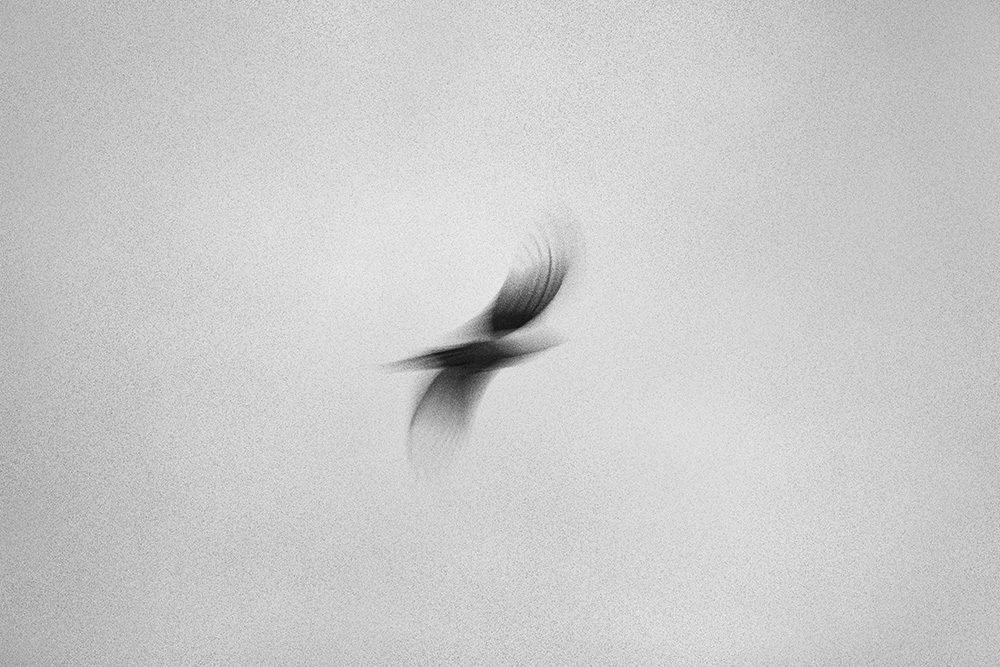
空中 공중 Midair
하늘과 땅 사이의 빈 공간
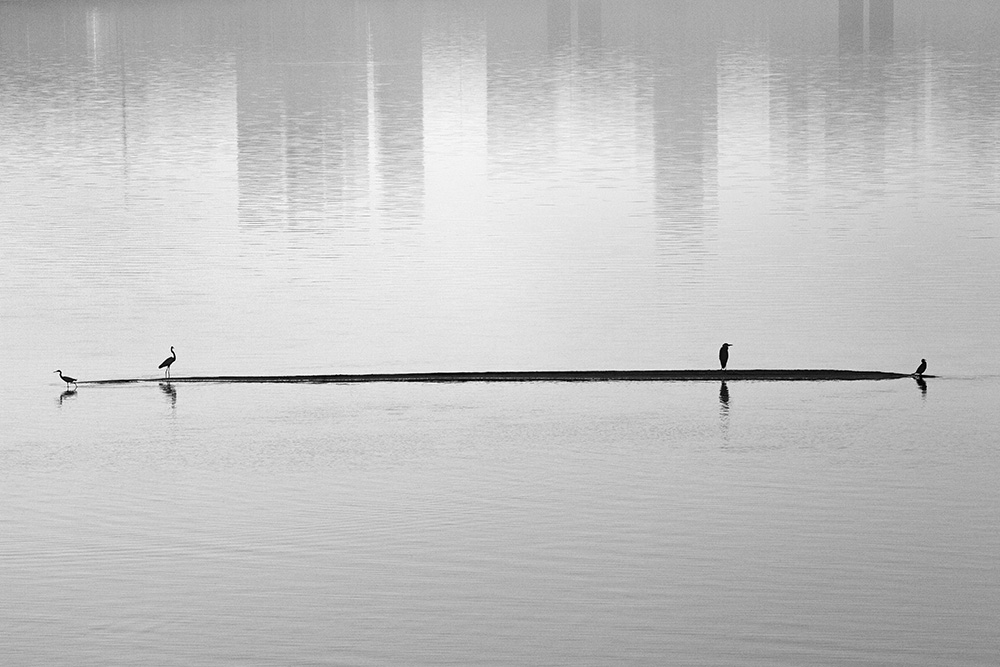
水鳥類 수조류 Waterbirds
물에 의존하며 살아가는 새
助演 조연 Supporting Role
주인공을 돋보이게 함
空 빌 공 · 하늘 · 中 가운데 중 · 사이, 속 · 水 물 수 · 鳥 새 조 · 類 무리 류 · 助 도울 조 · 演 펼 연
空 Emptiness · 中 Middle · 水 Water · 鳥 Bird · 類 Category · 助 Support · 演 Expression






Note
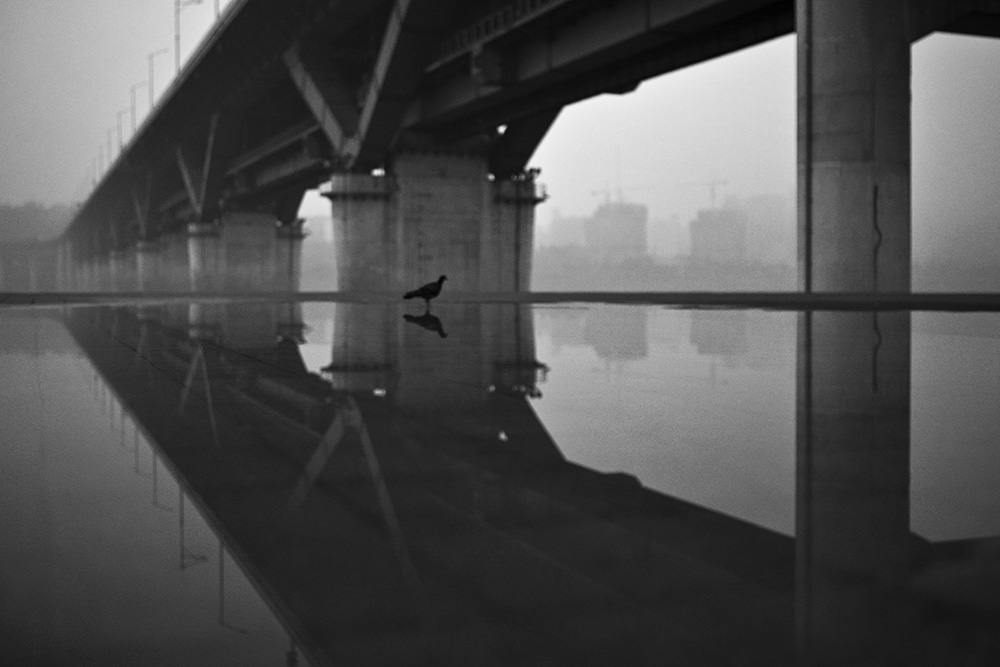
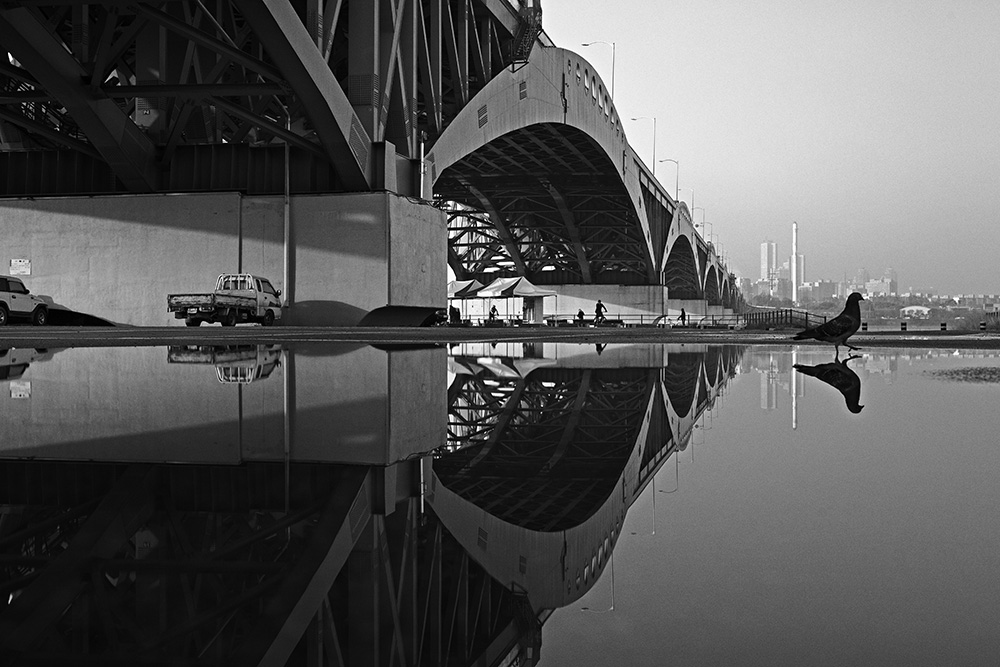
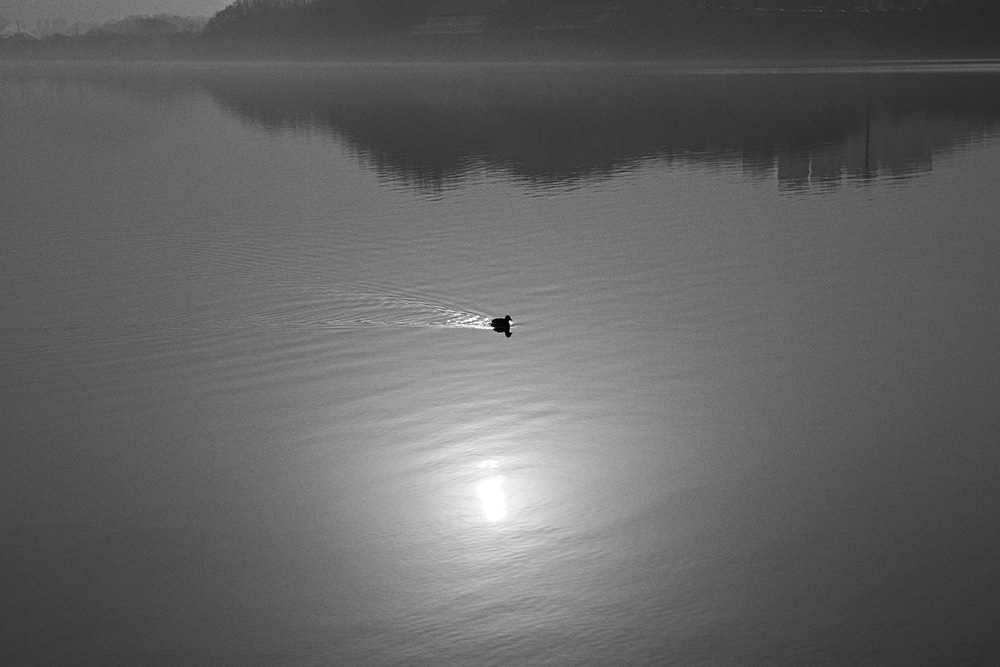
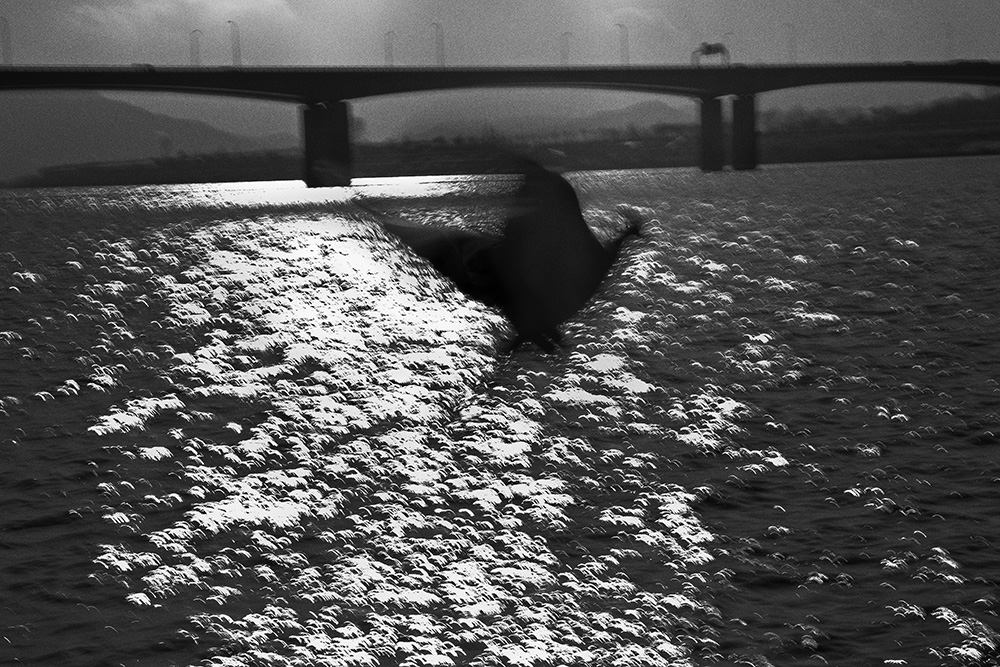
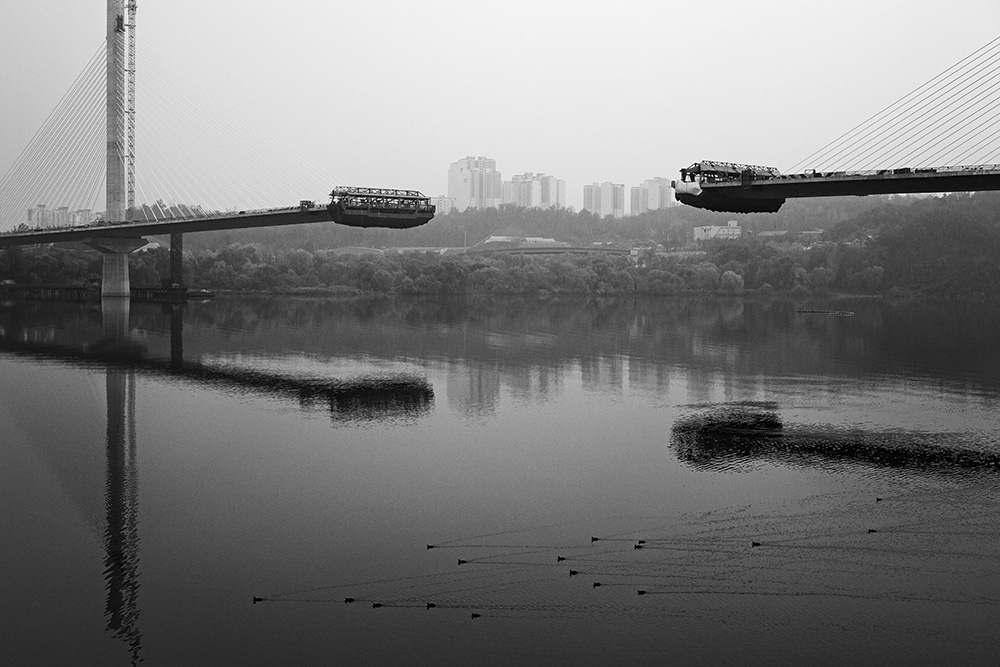
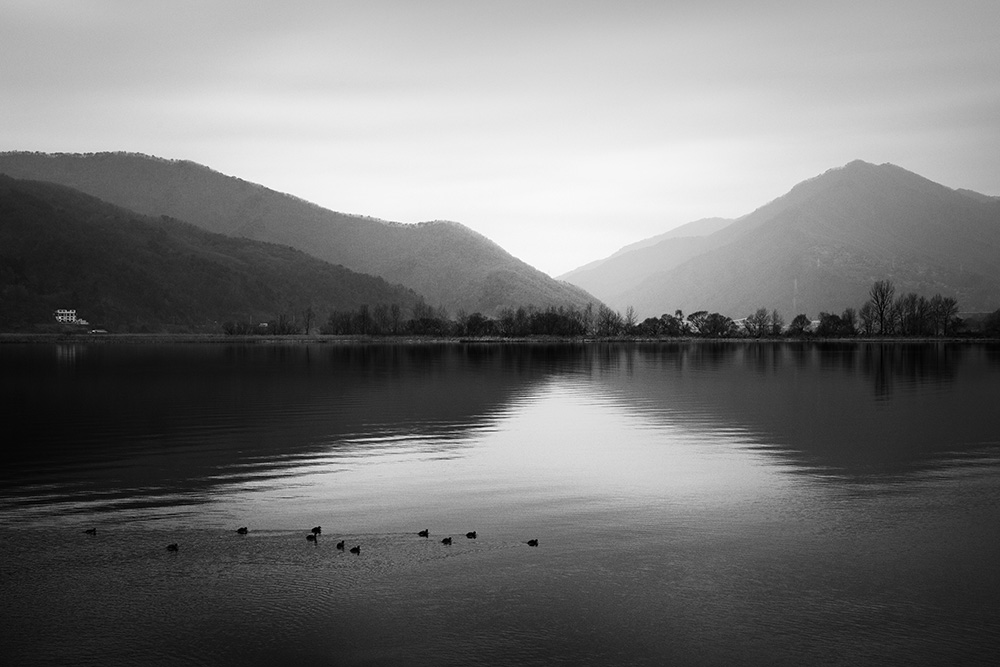
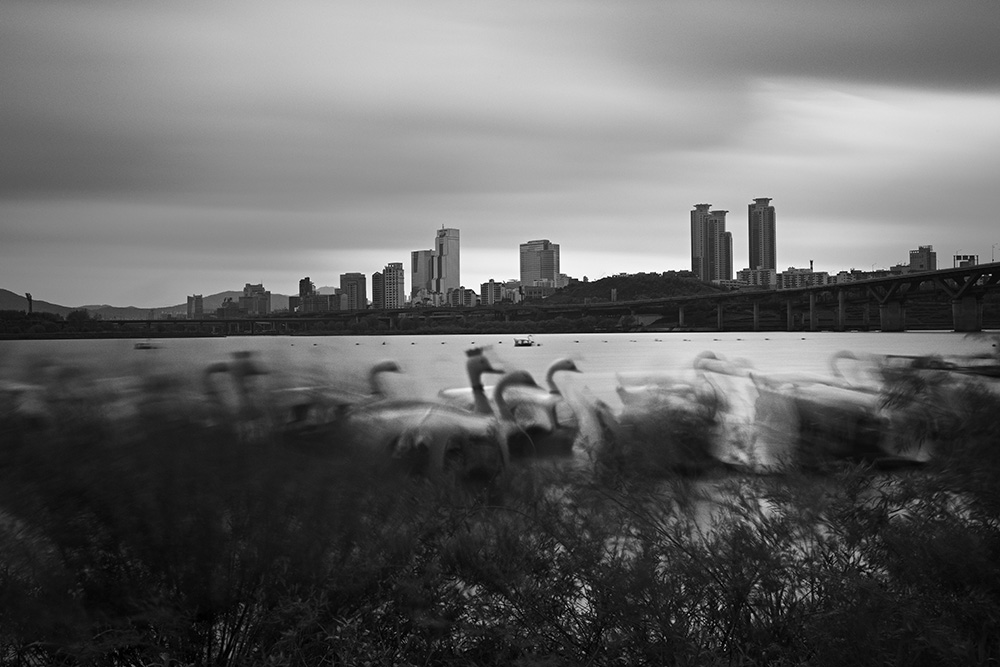
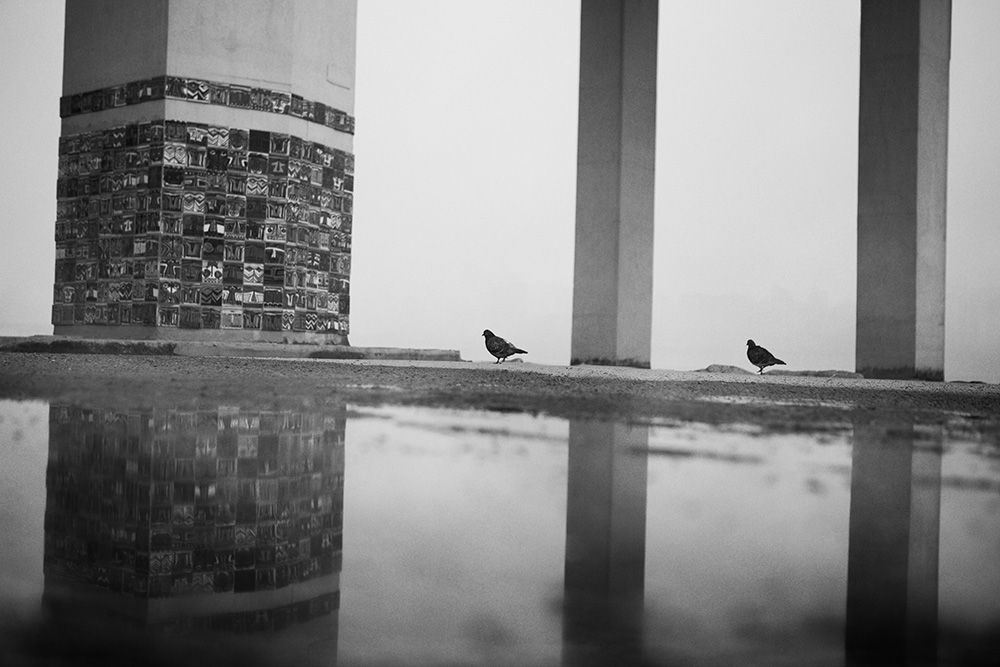
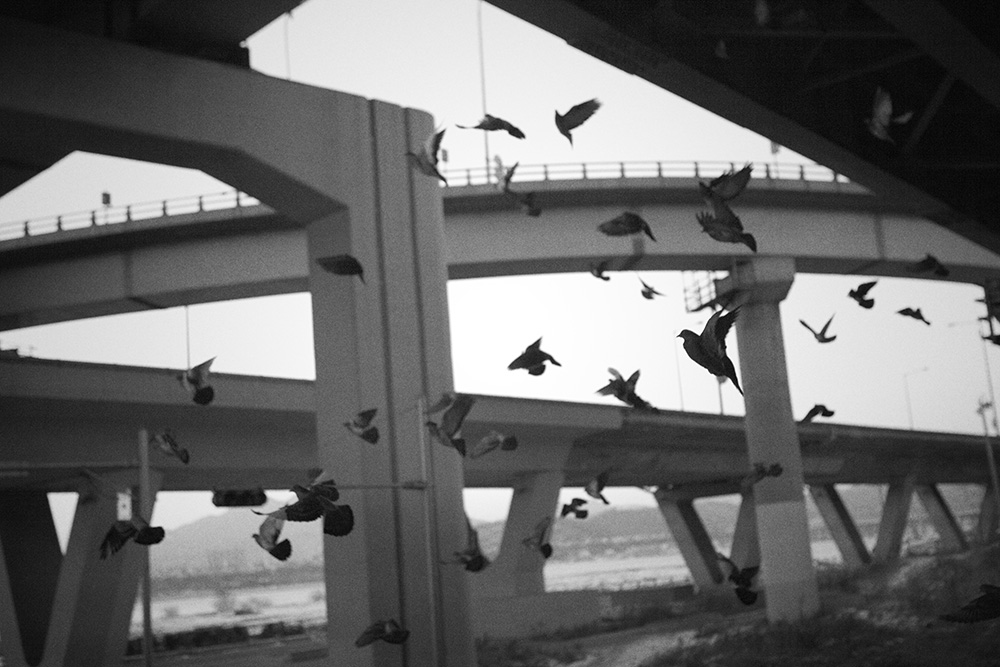
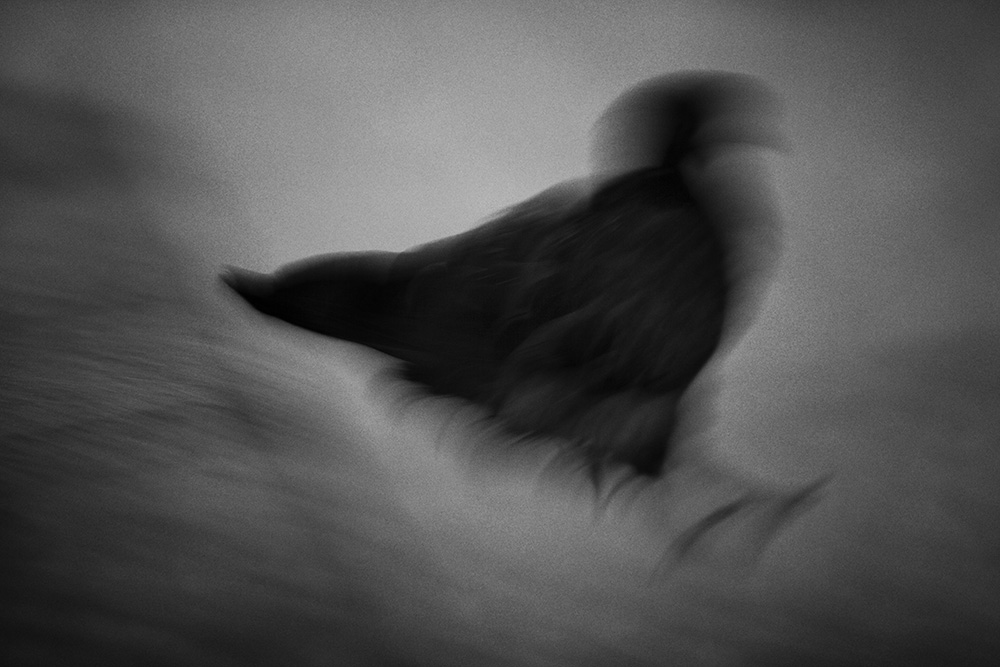
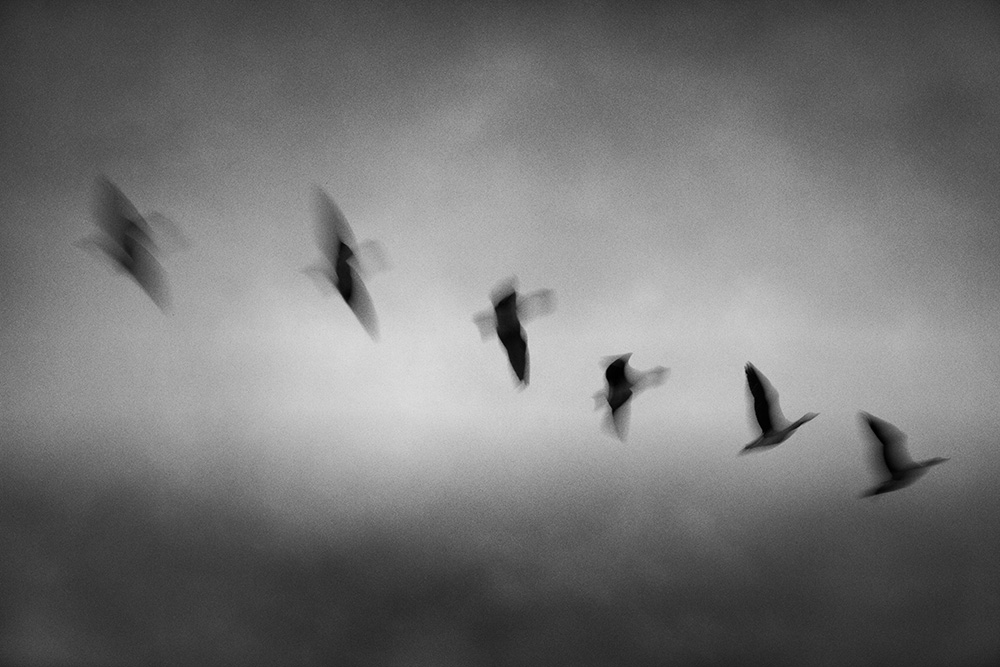
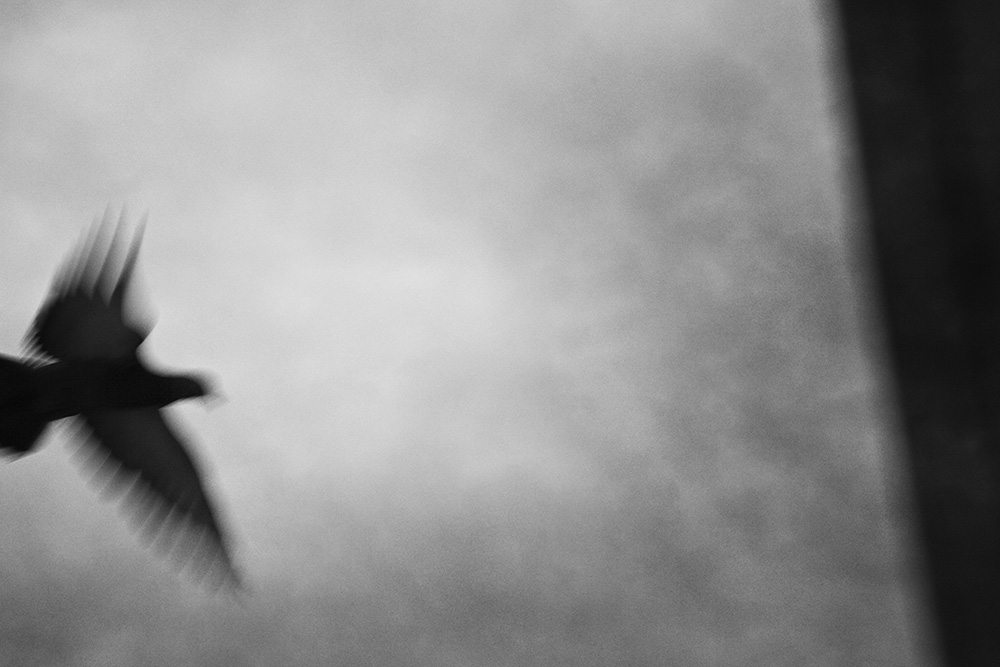
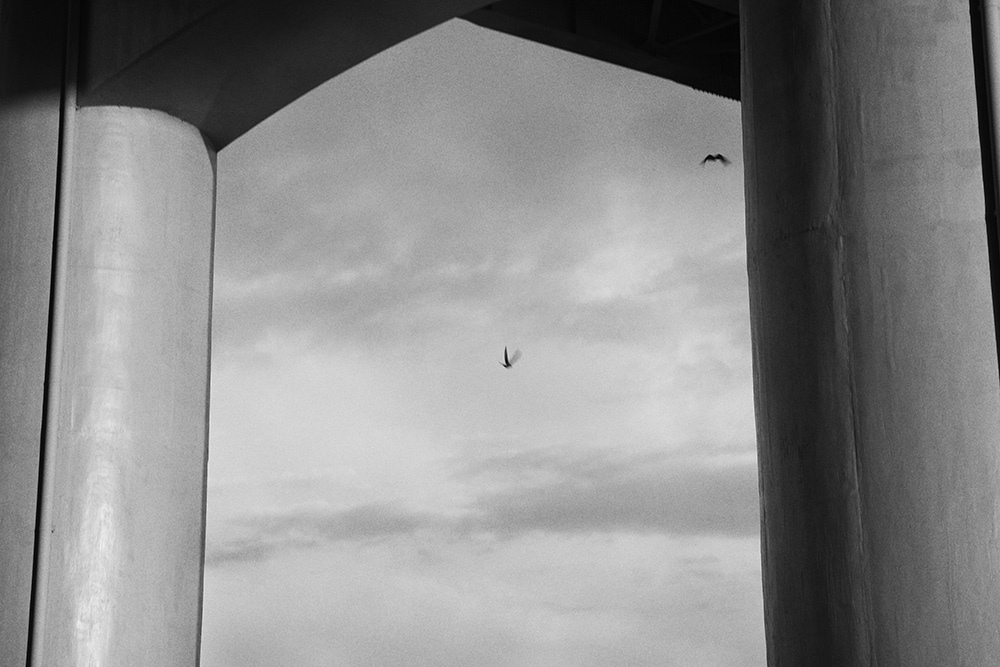
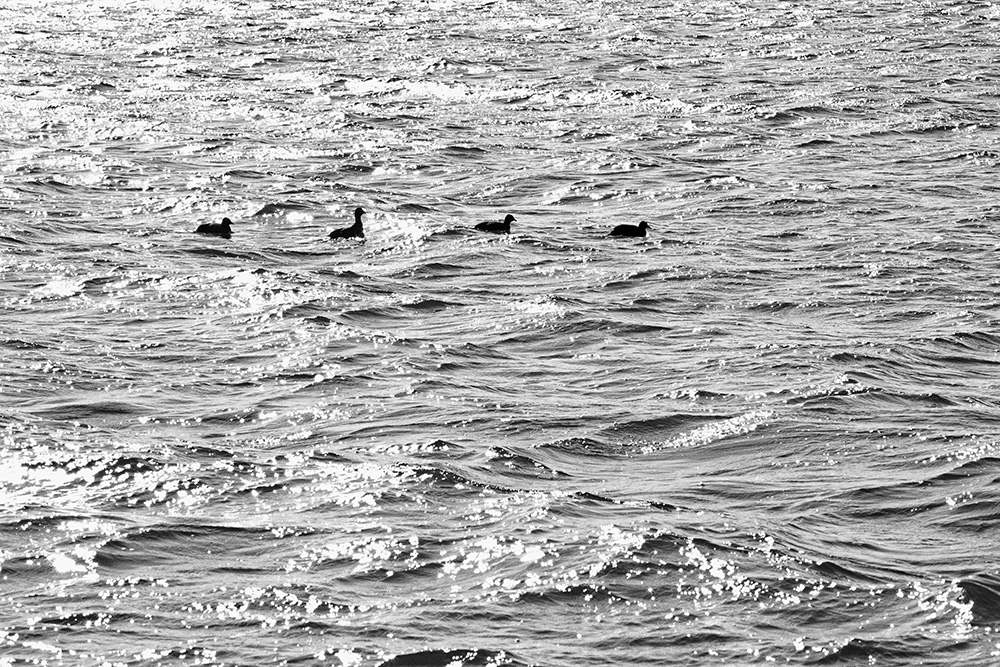
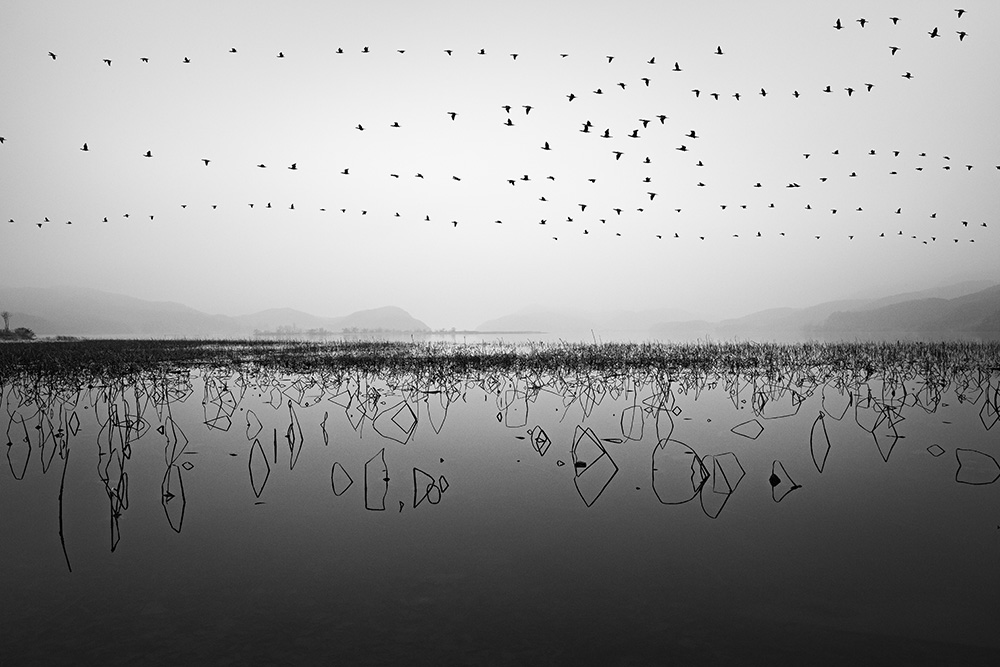
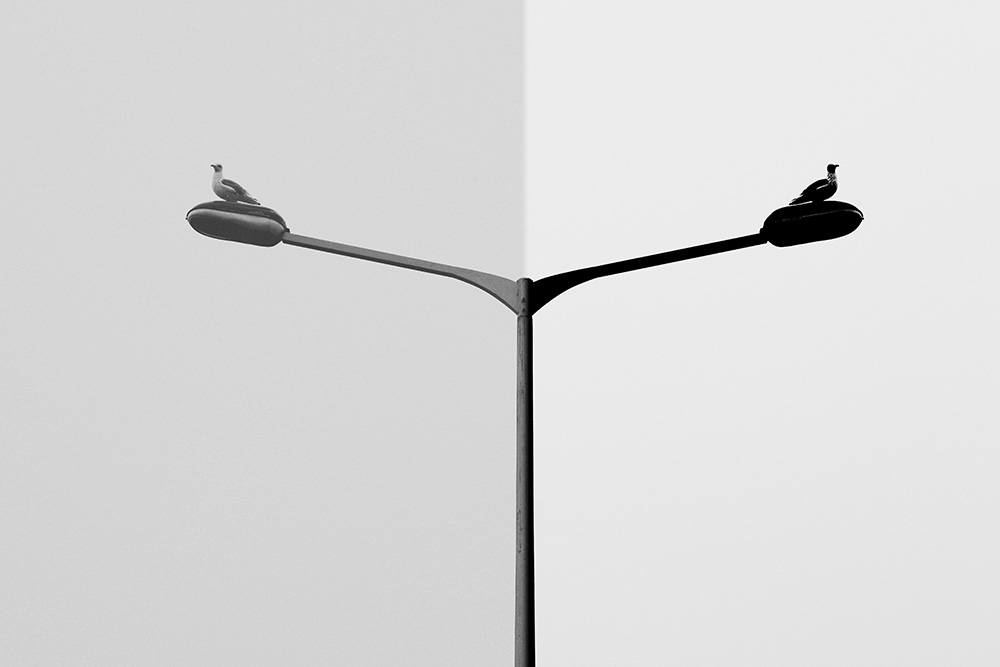
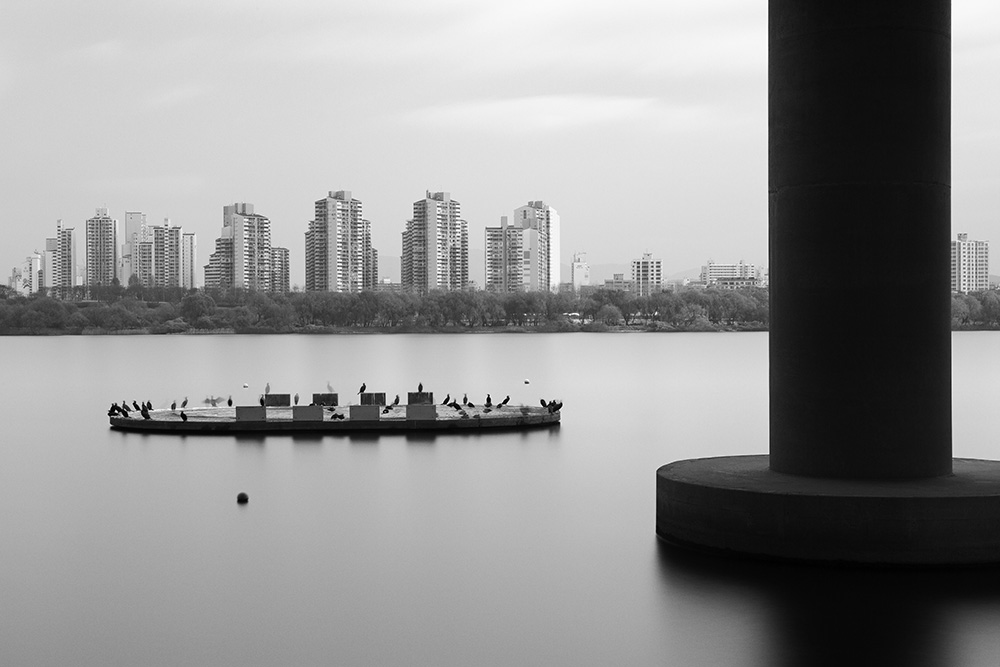
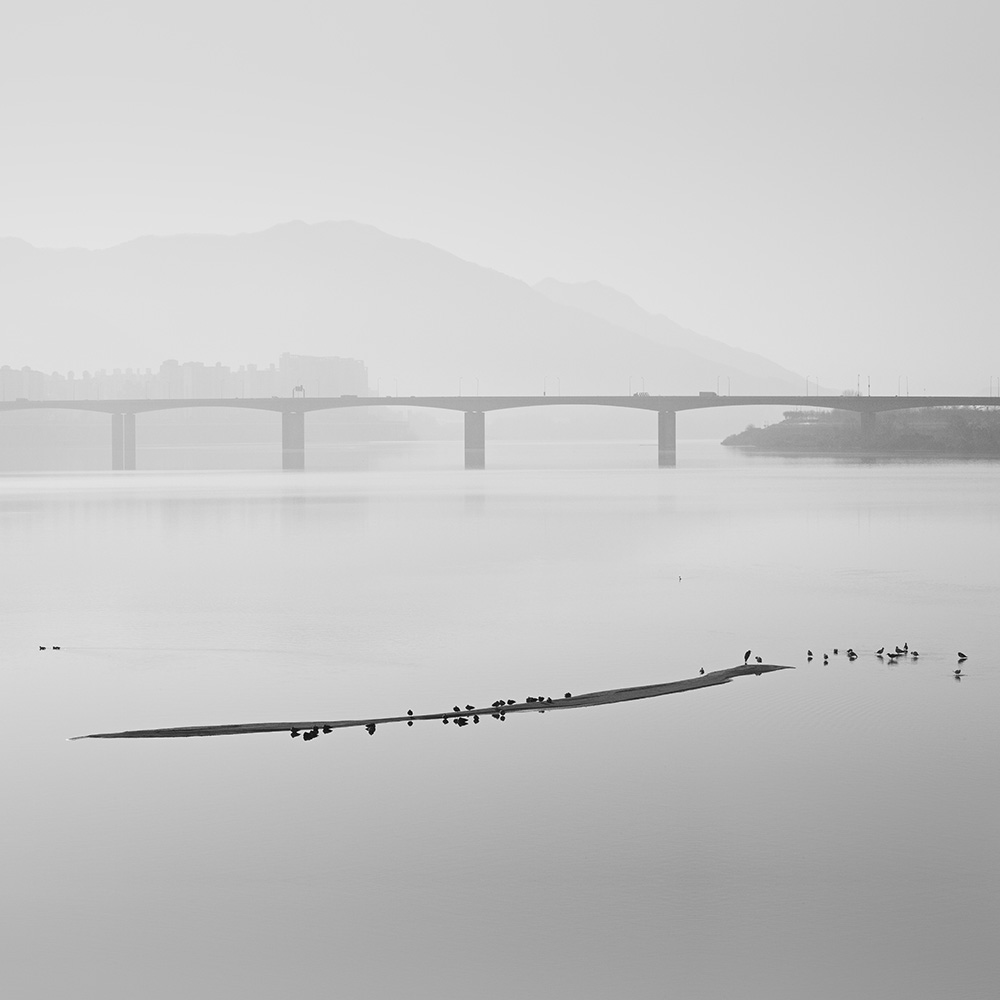
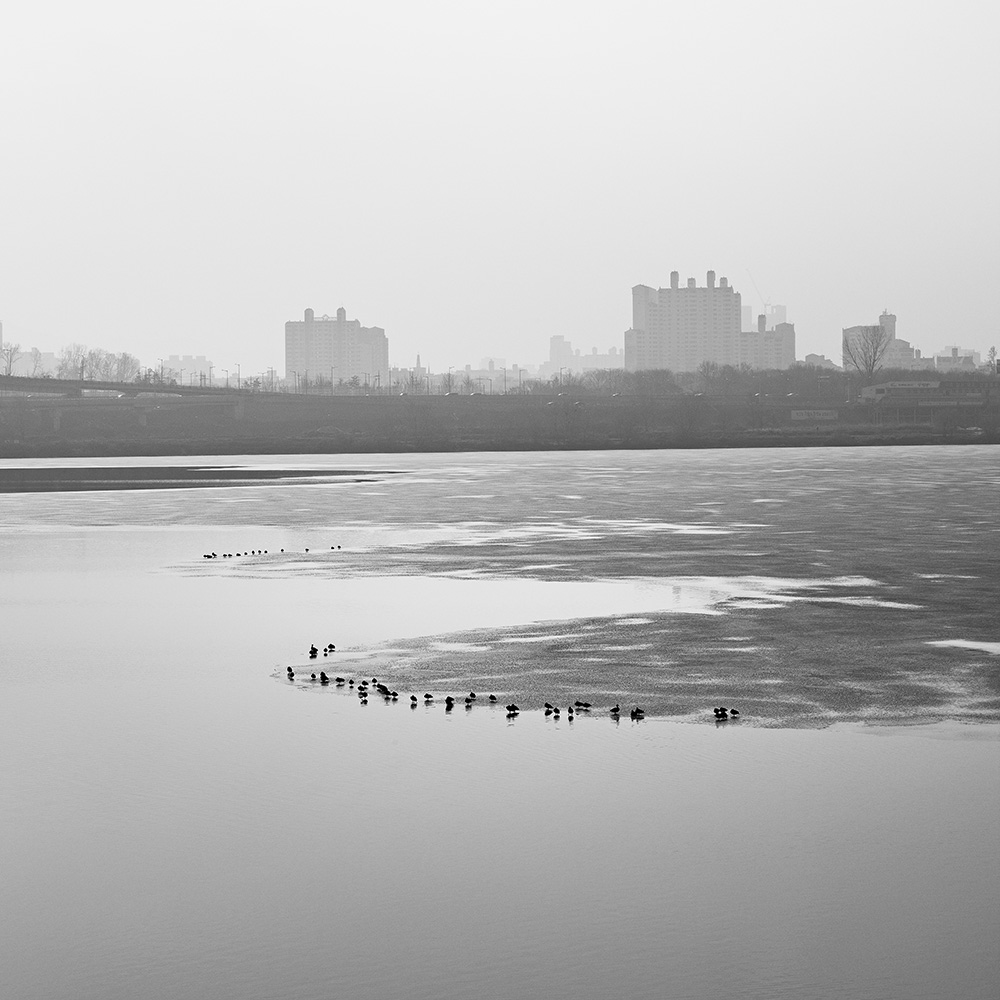
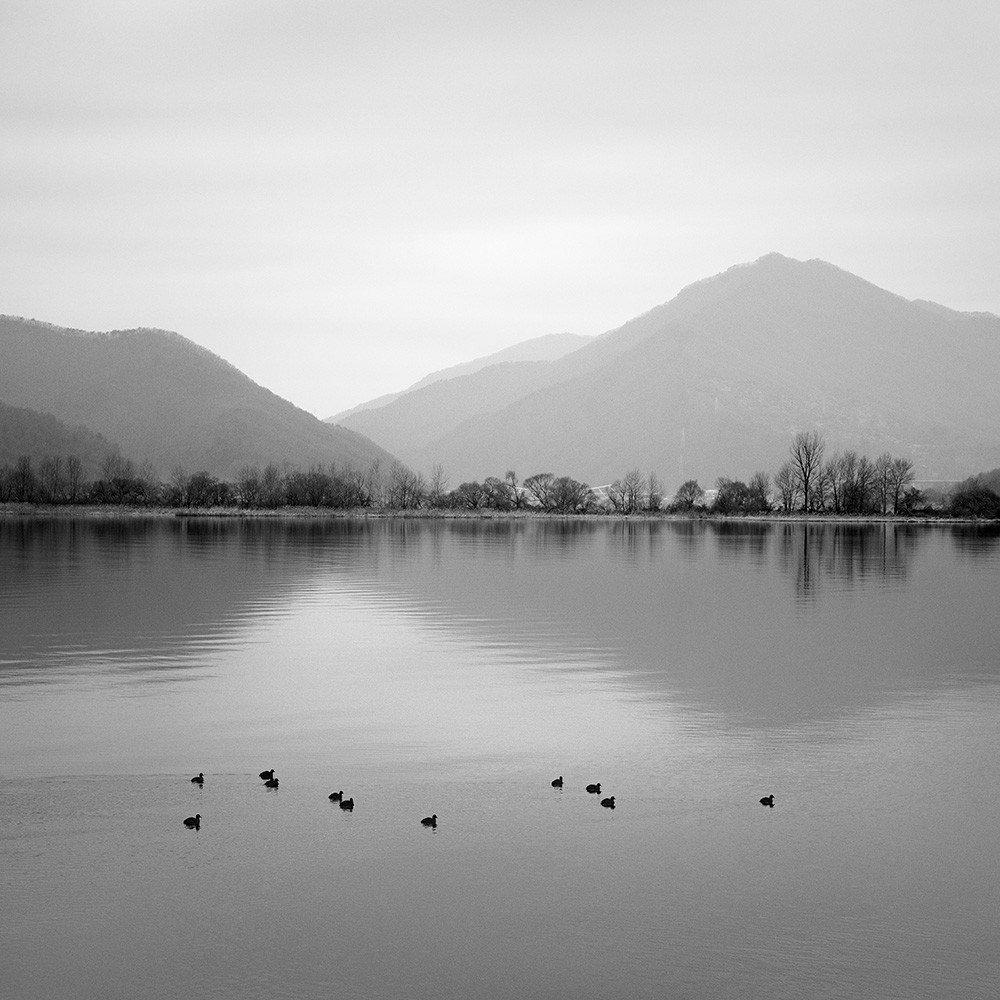
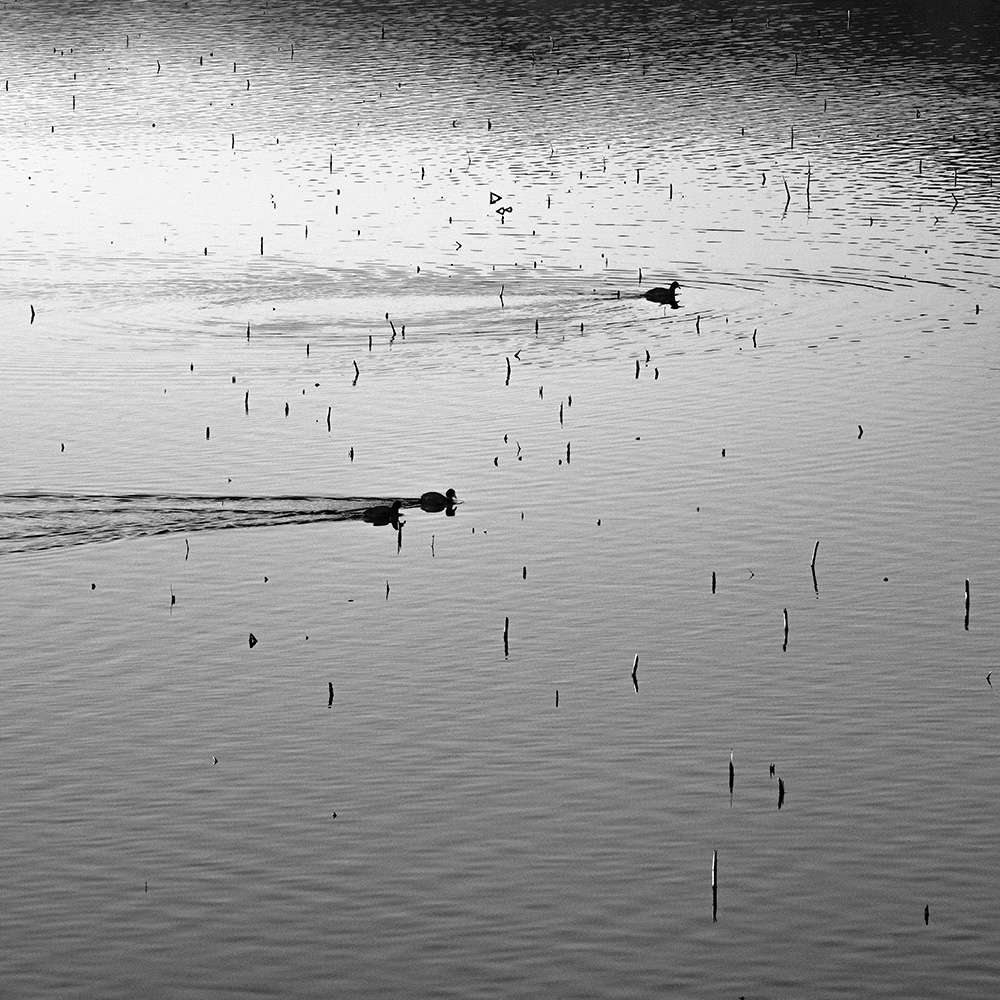
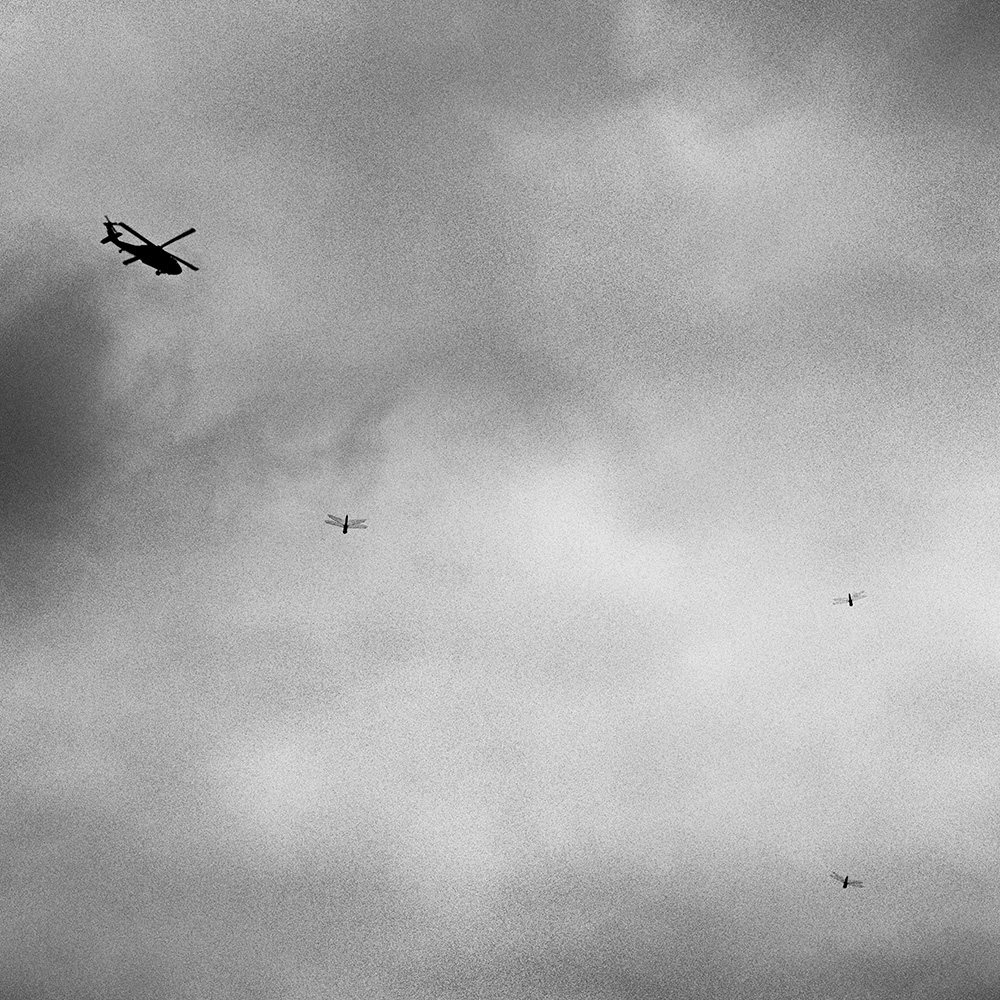
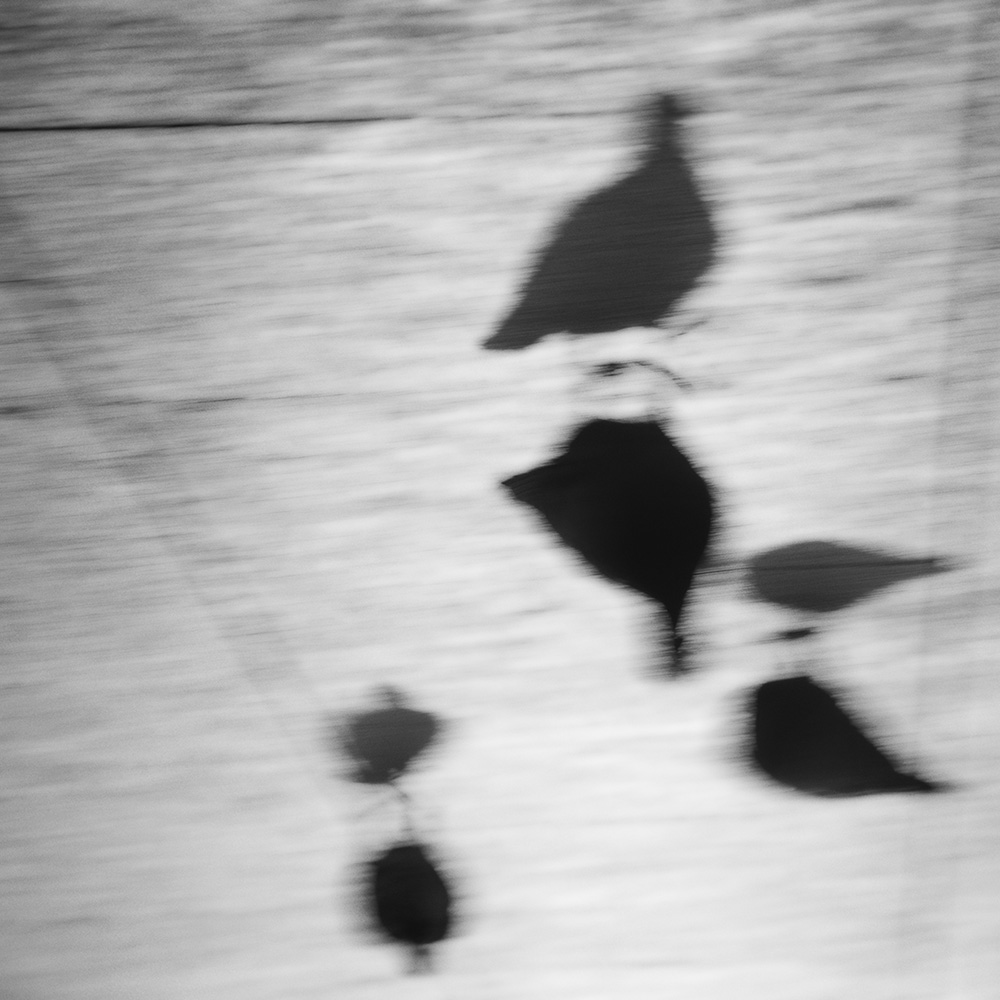
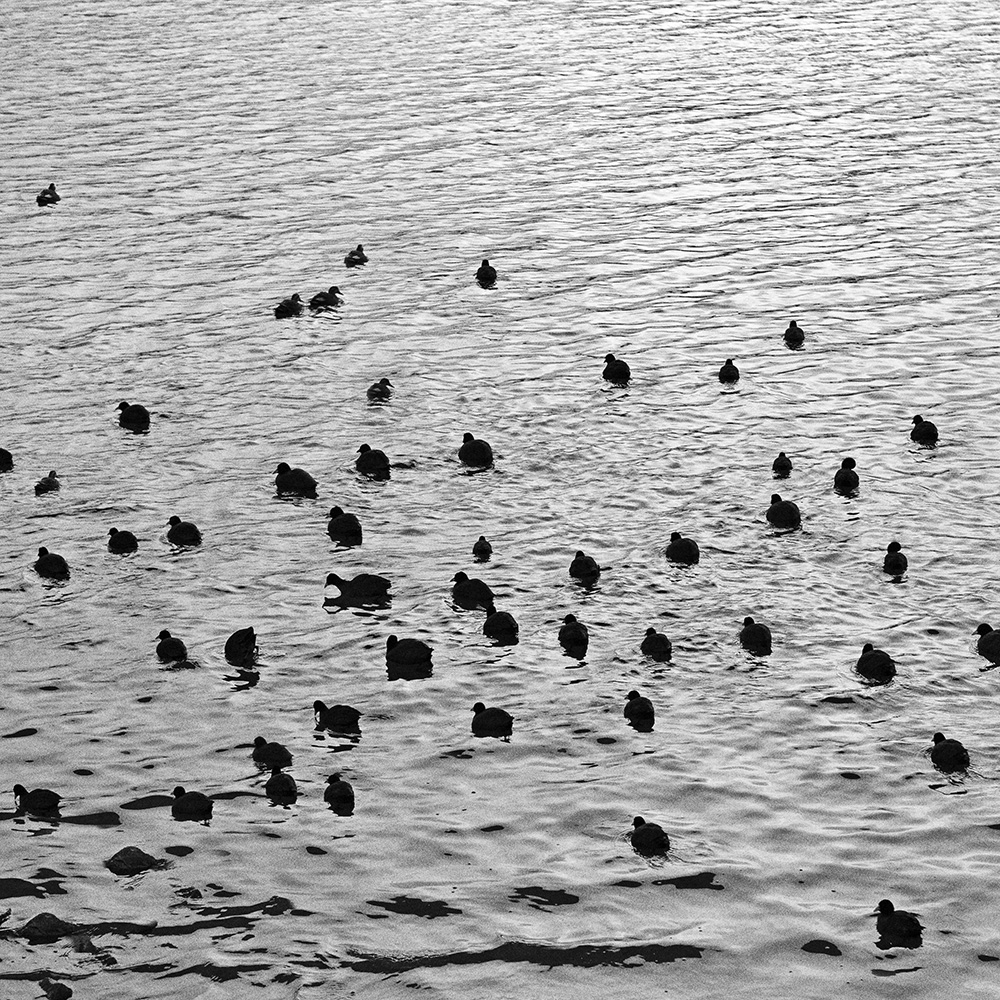
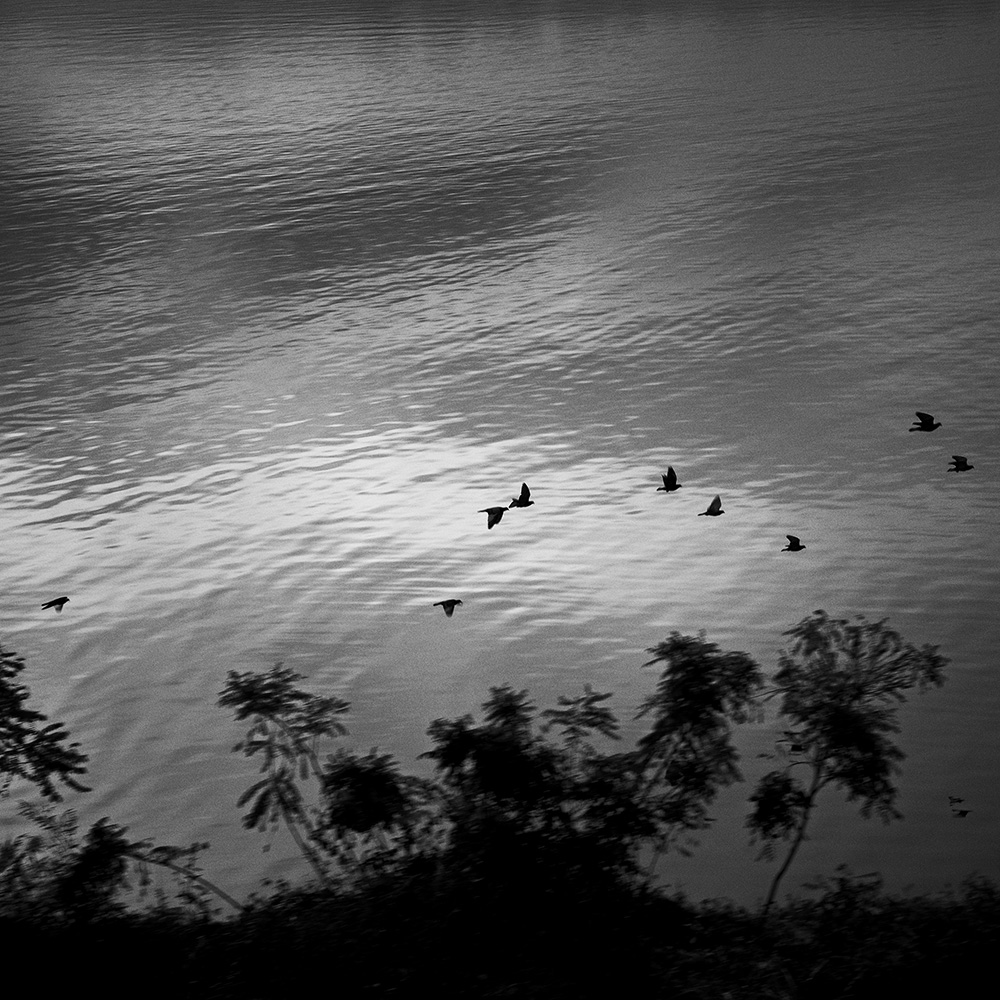
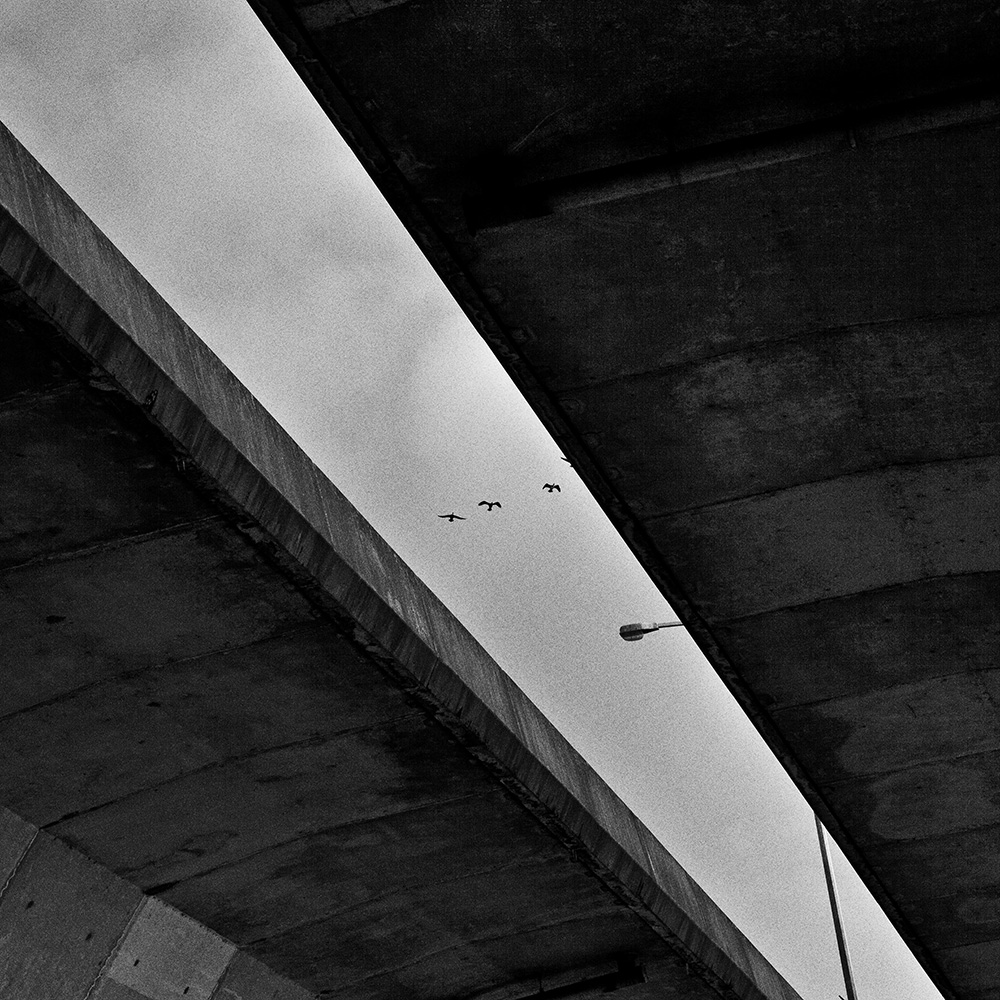
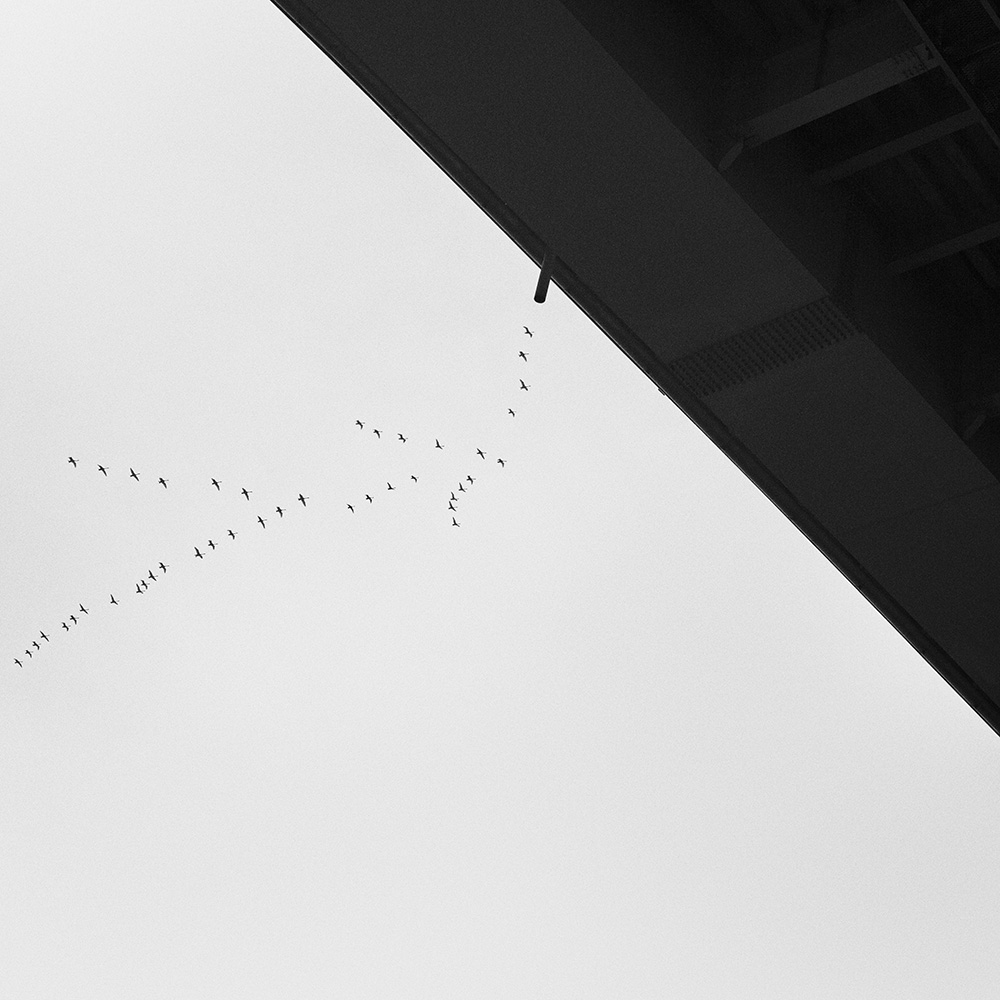
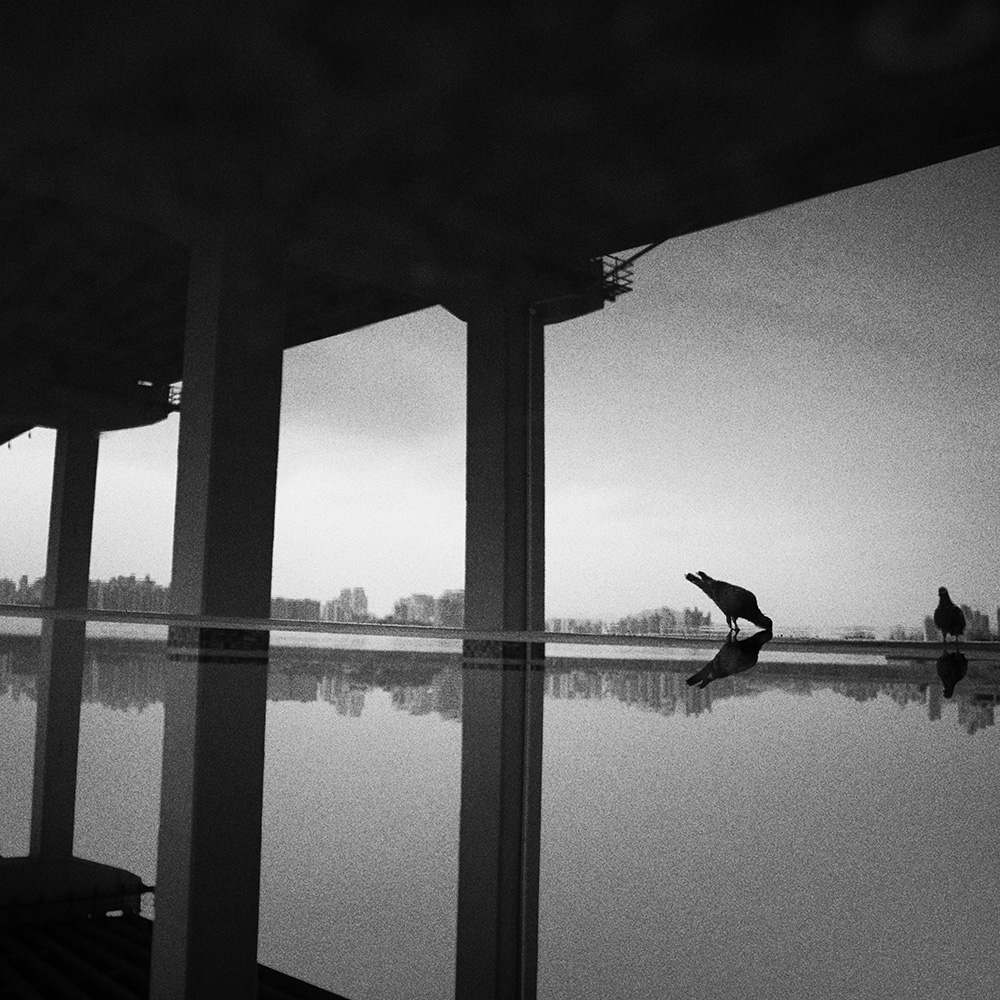
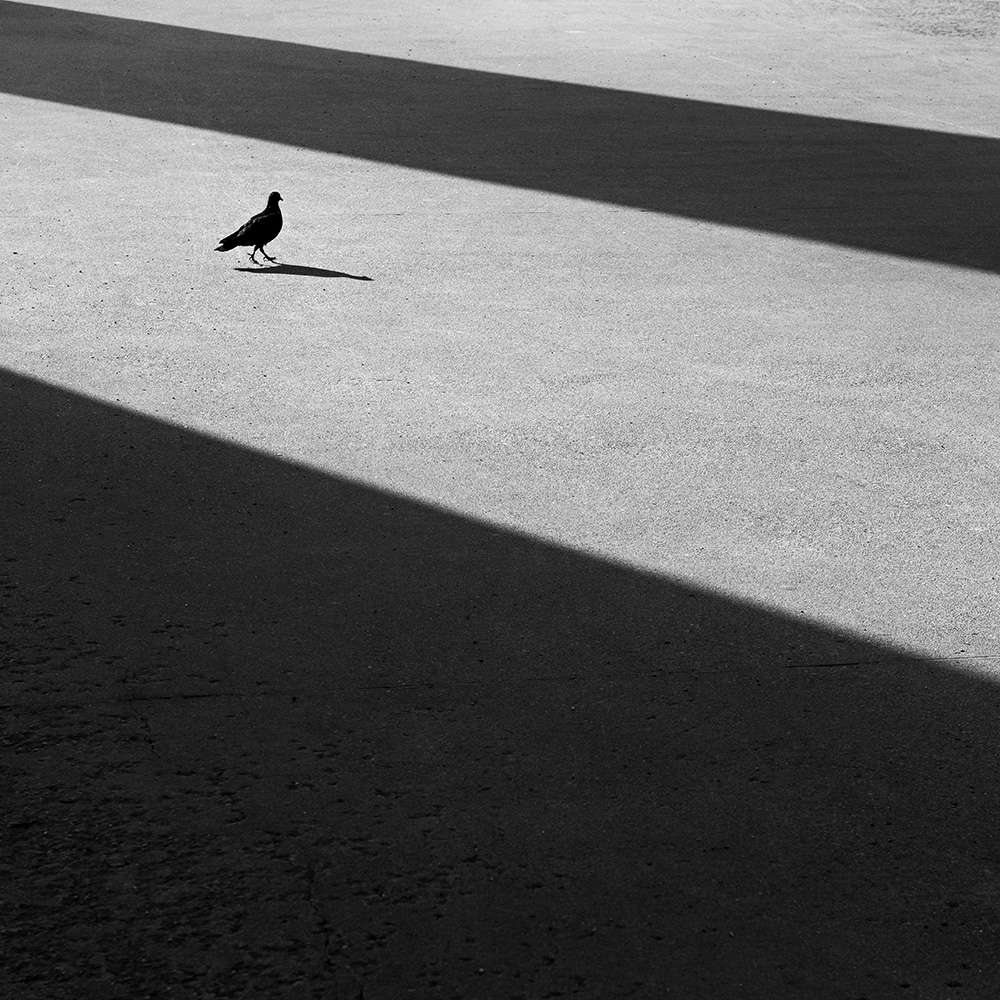
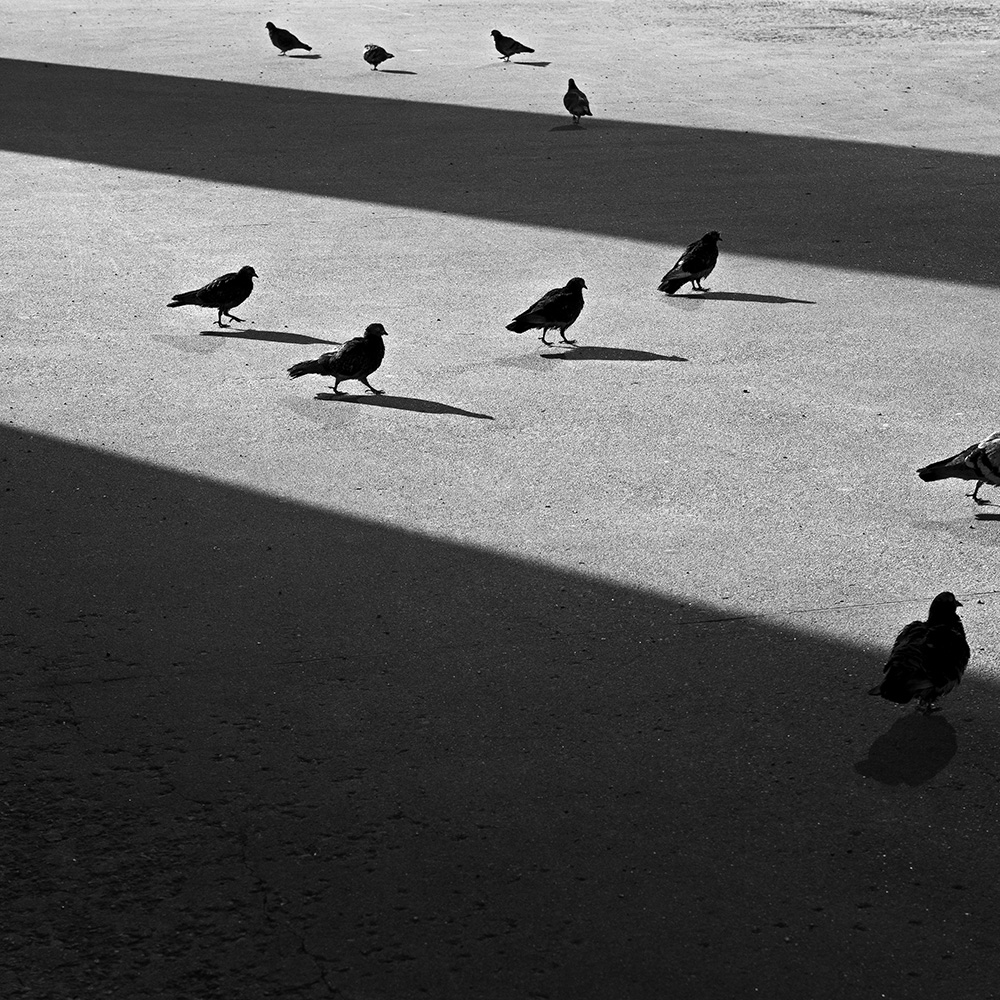
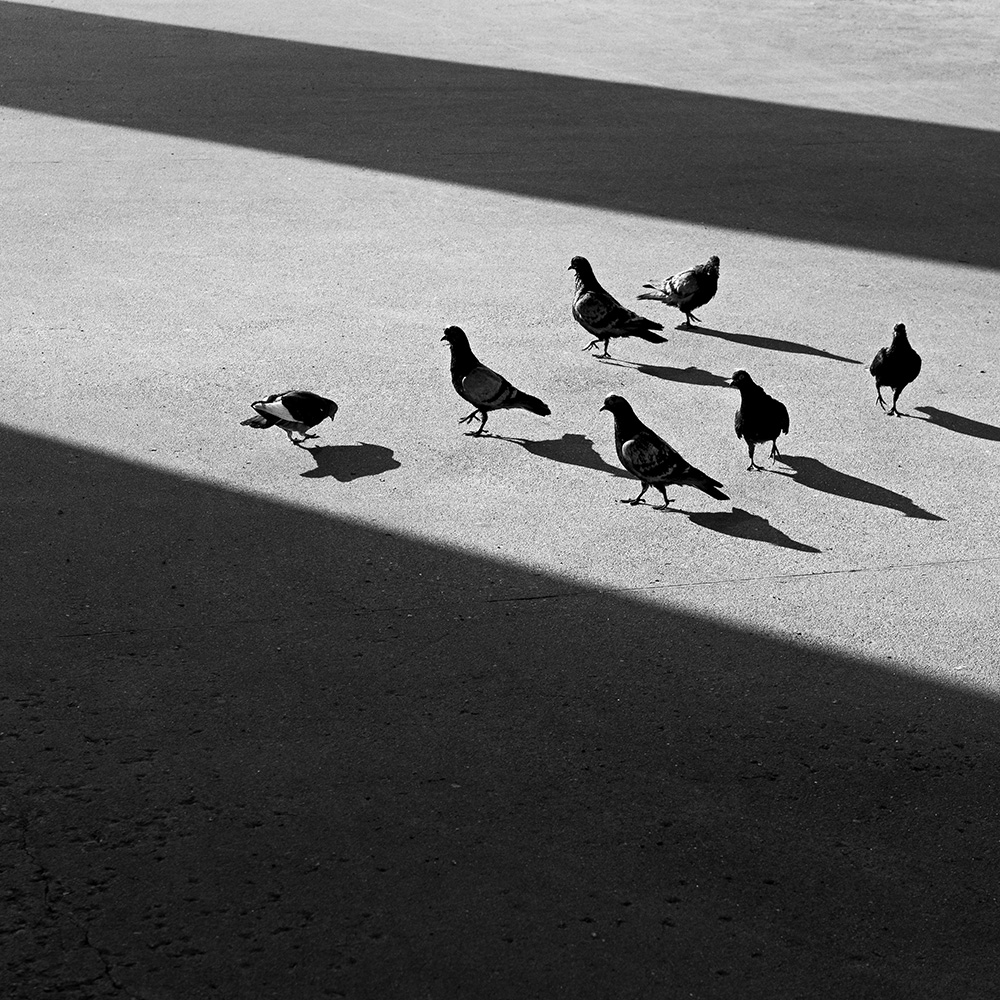
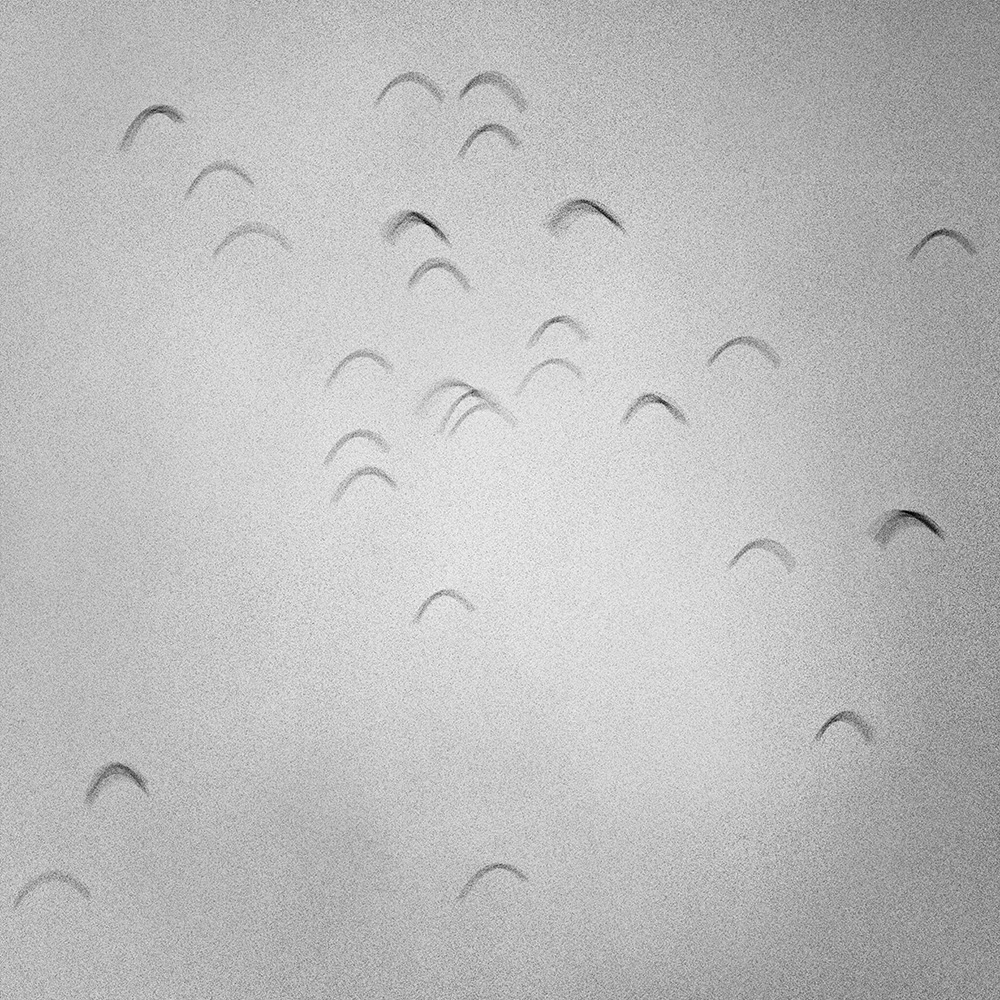
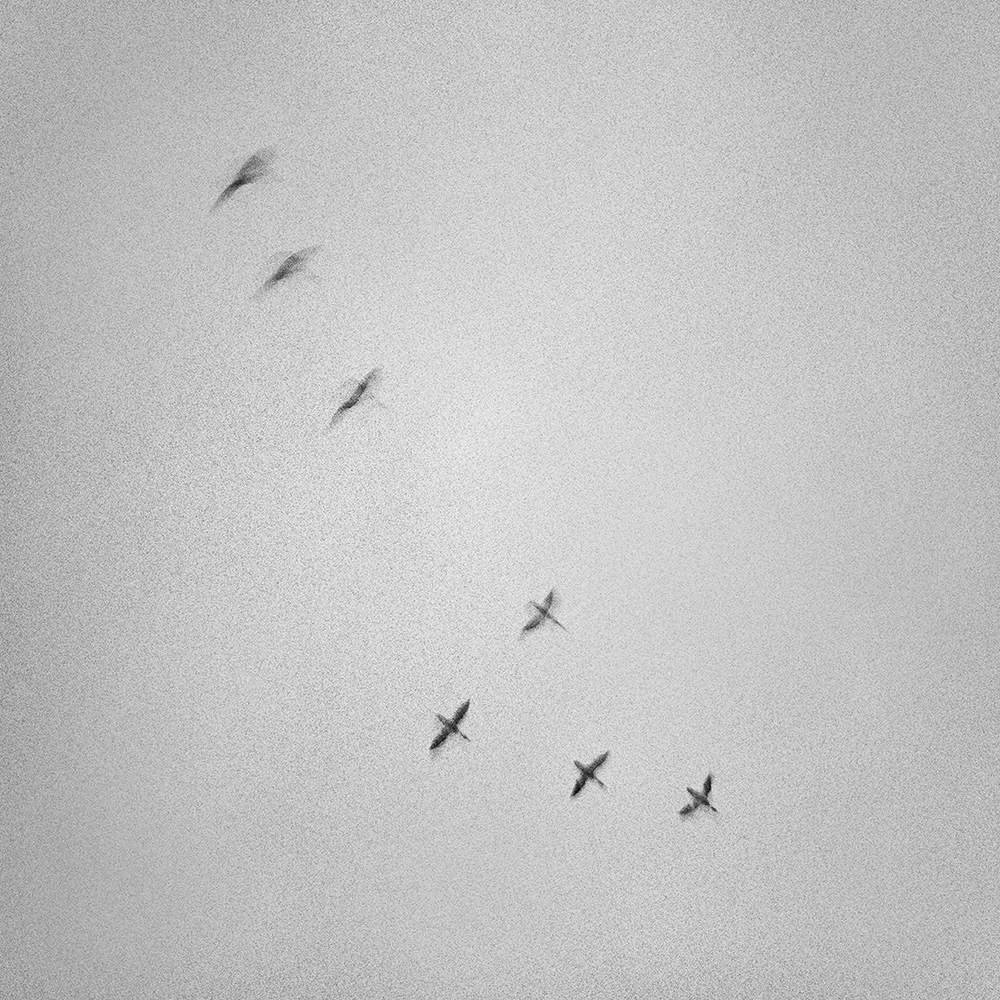
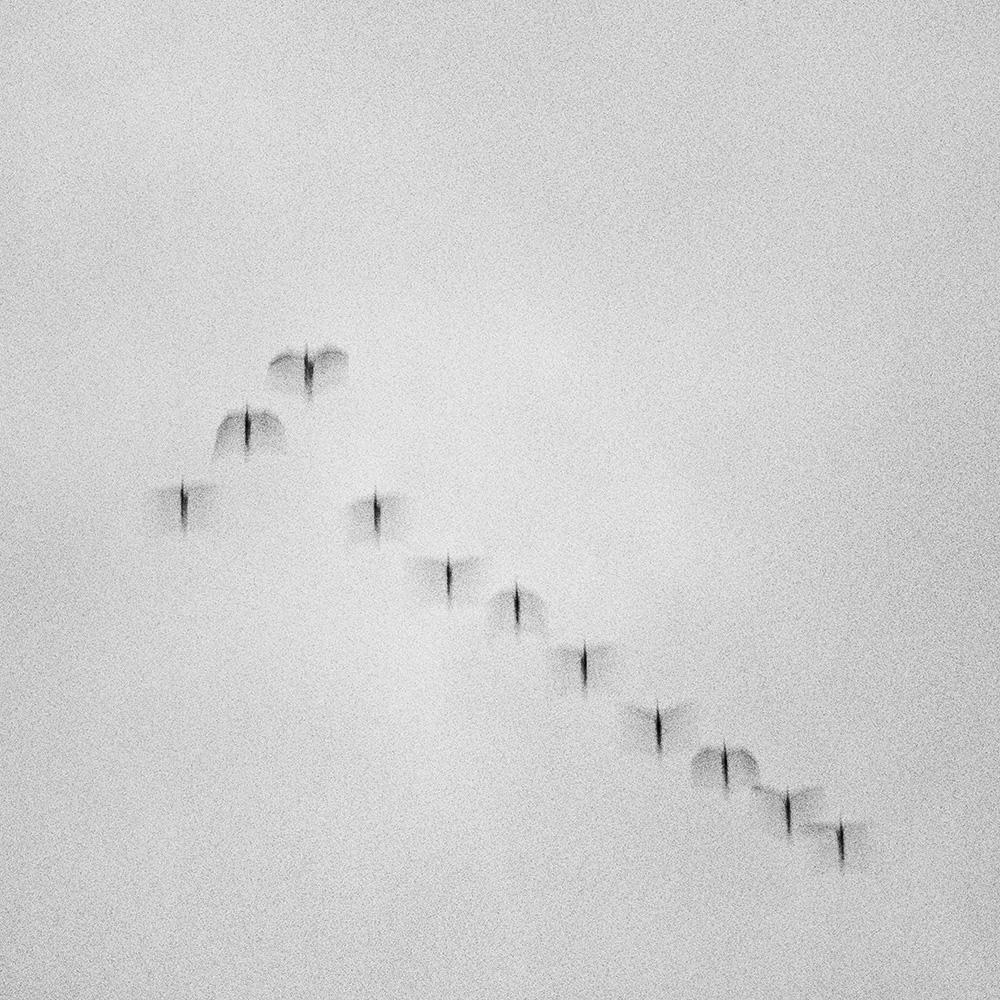
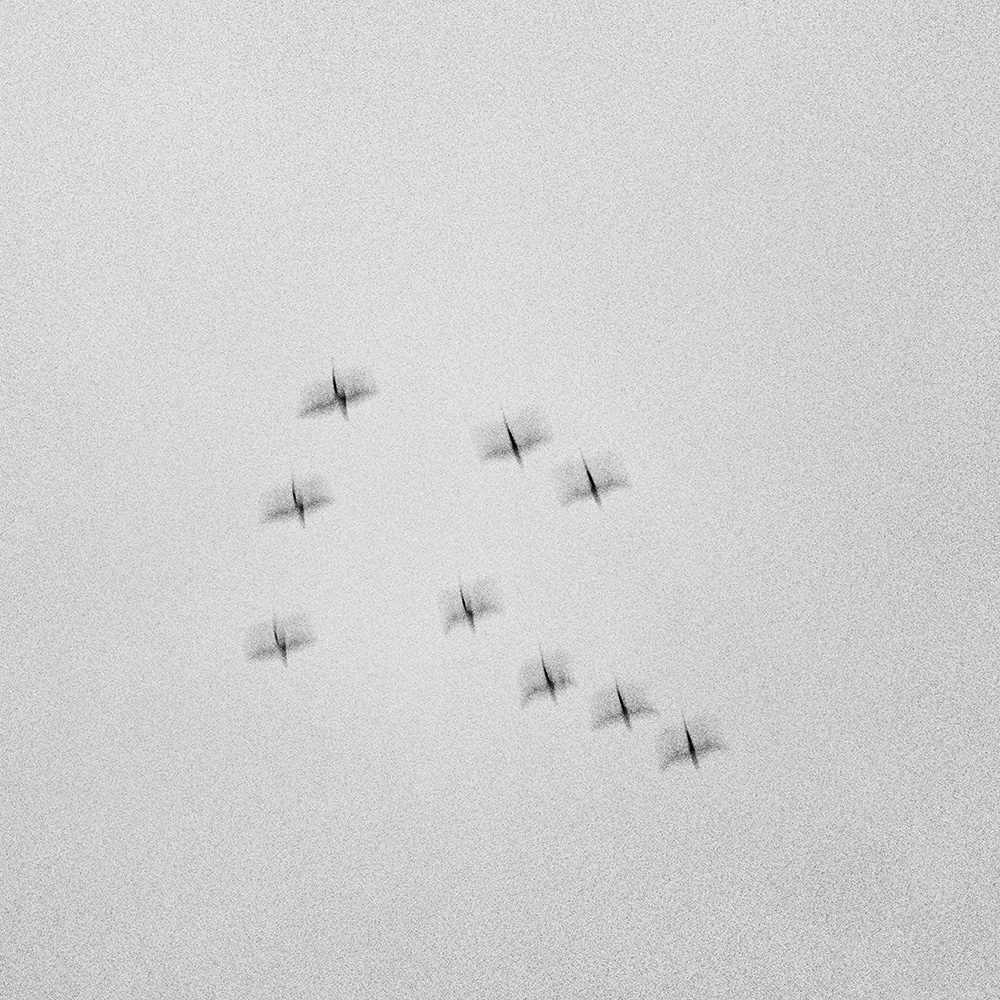
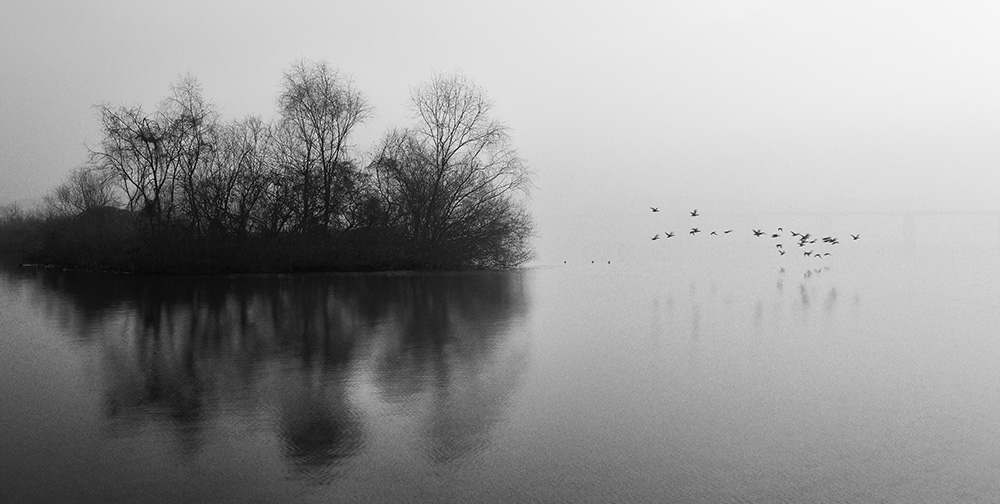
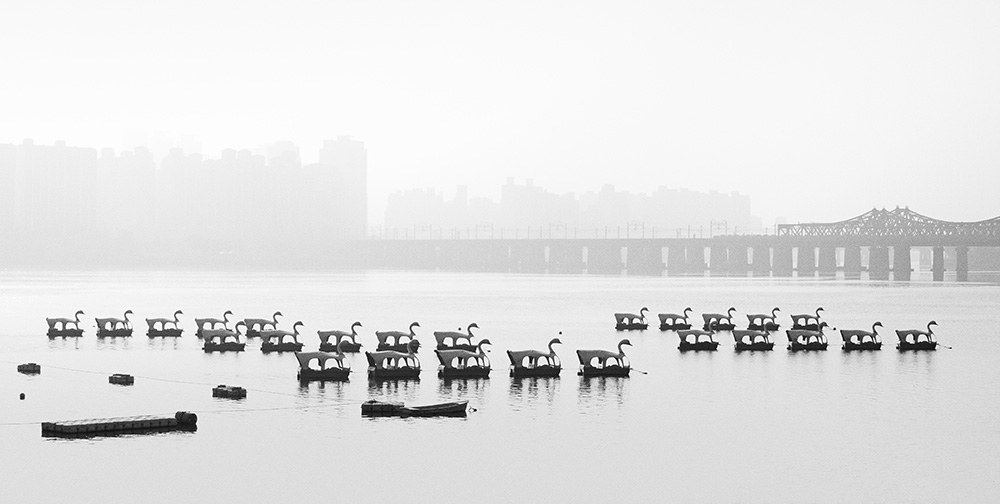
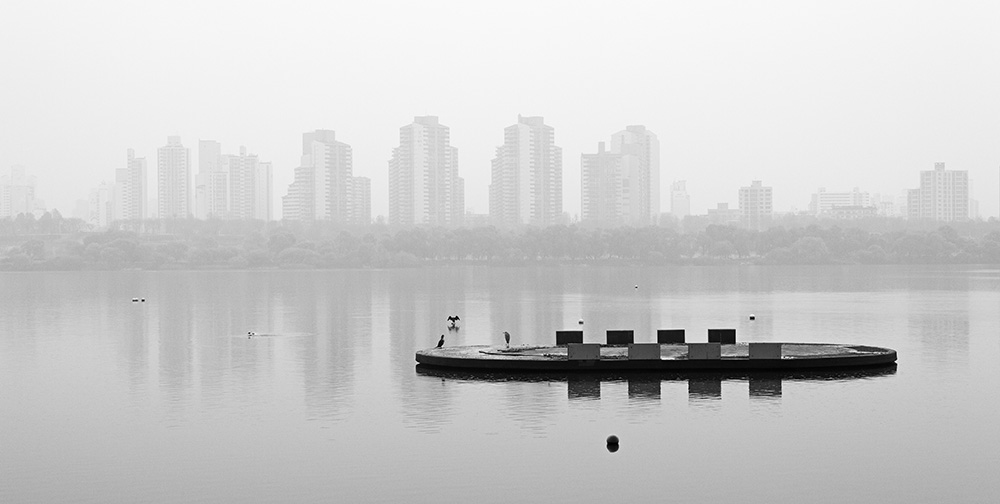
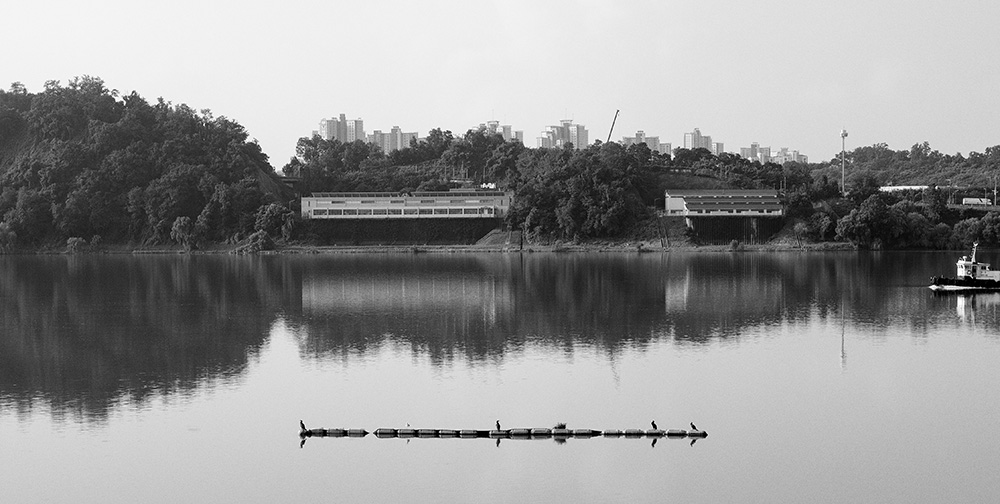
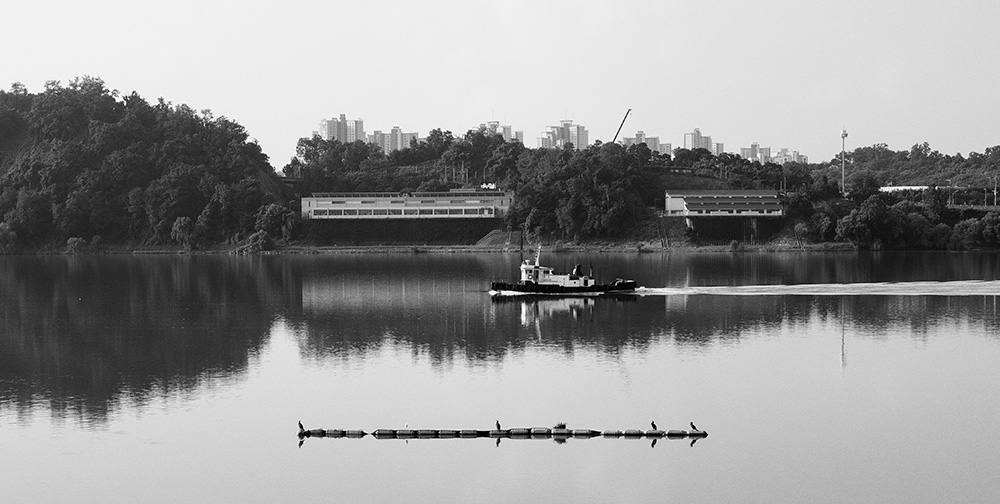
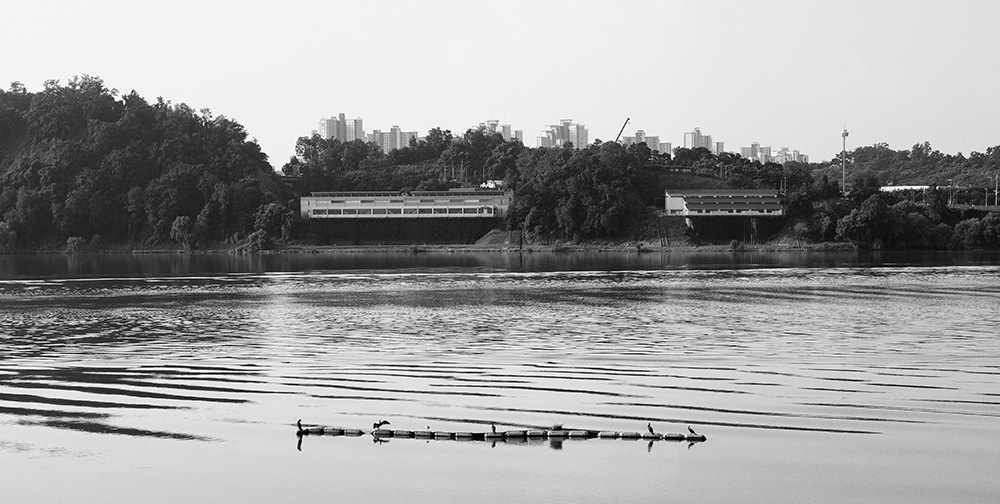
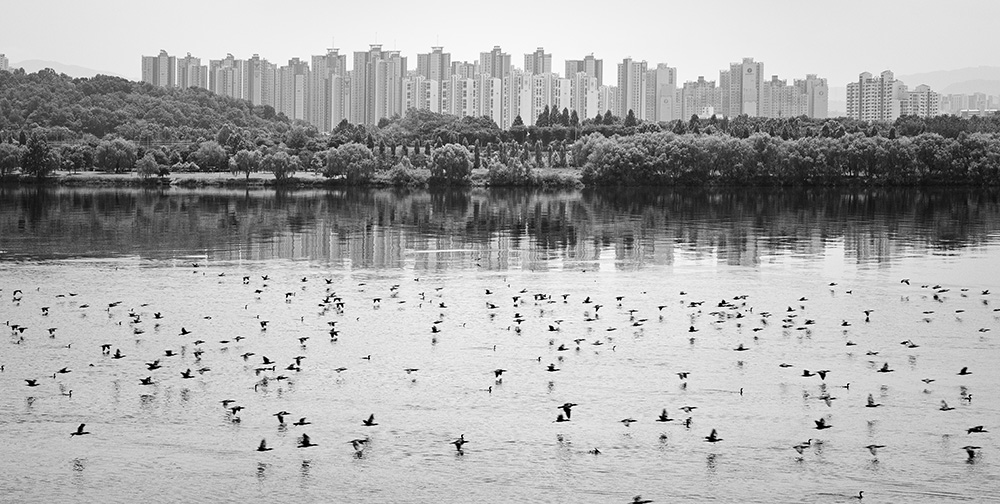
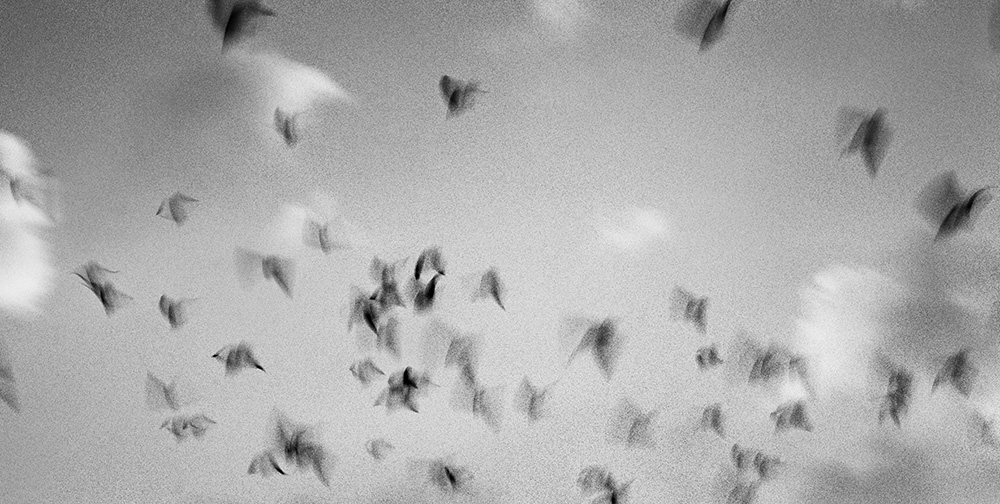
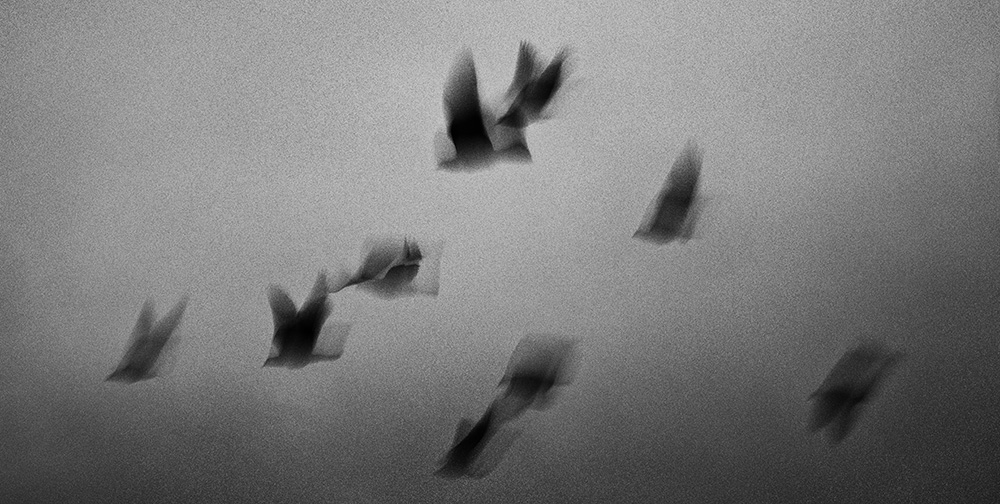
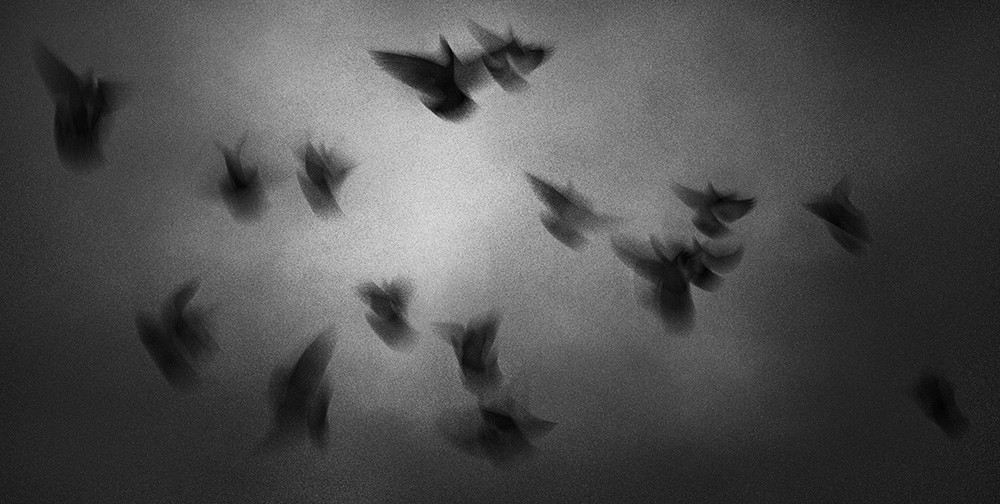
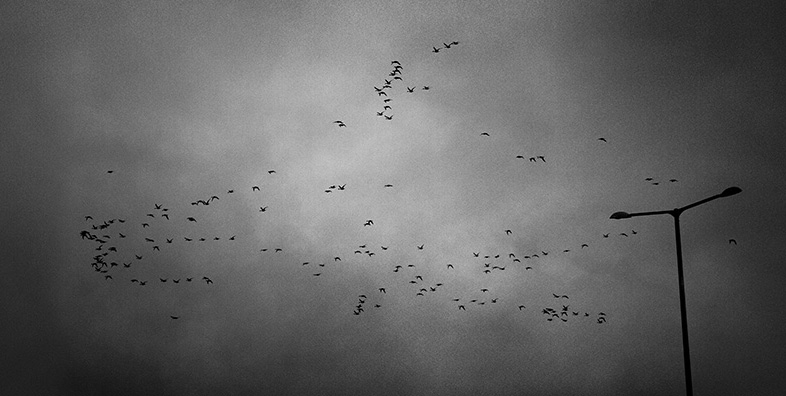
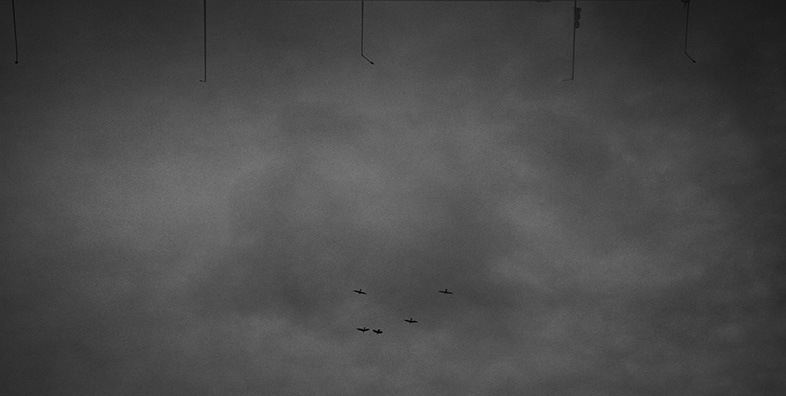
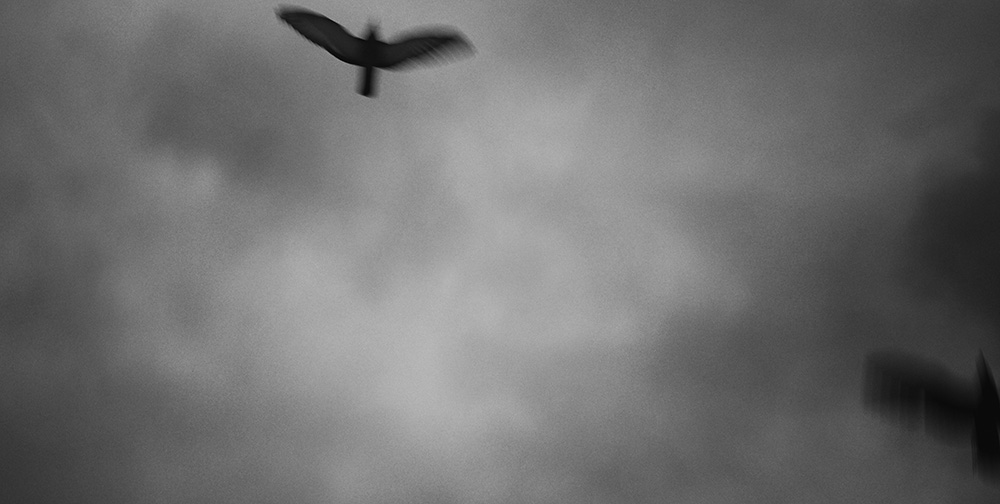
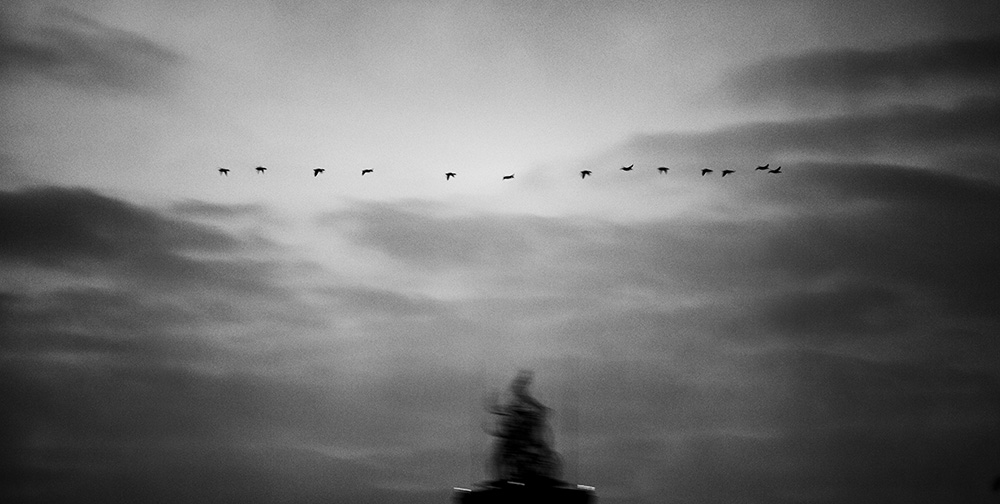
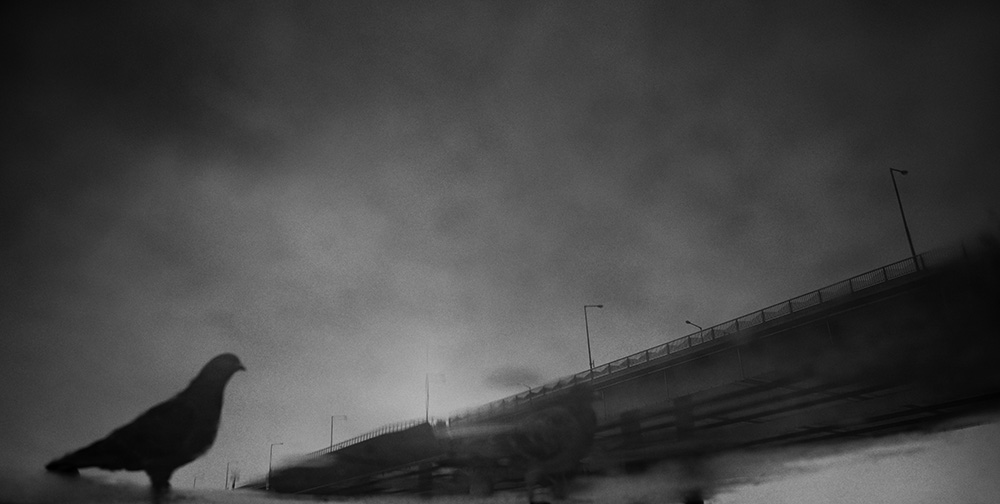
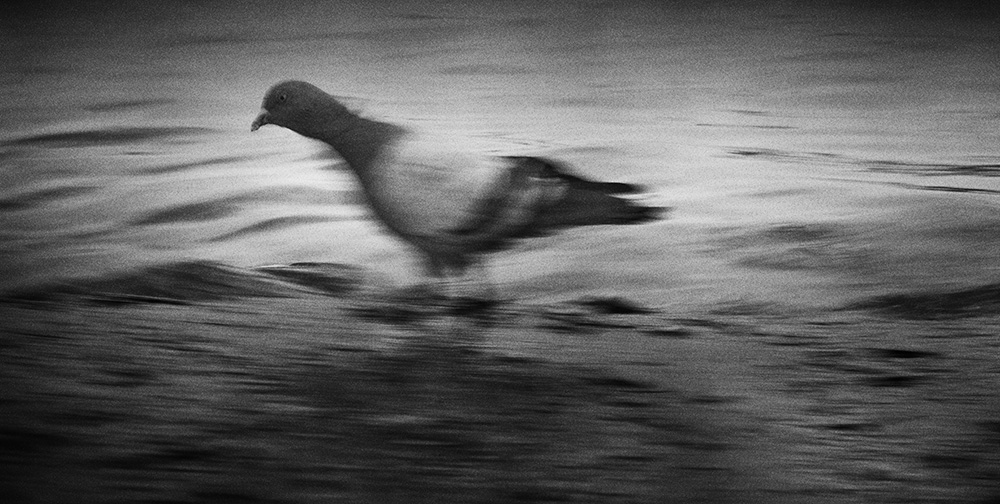
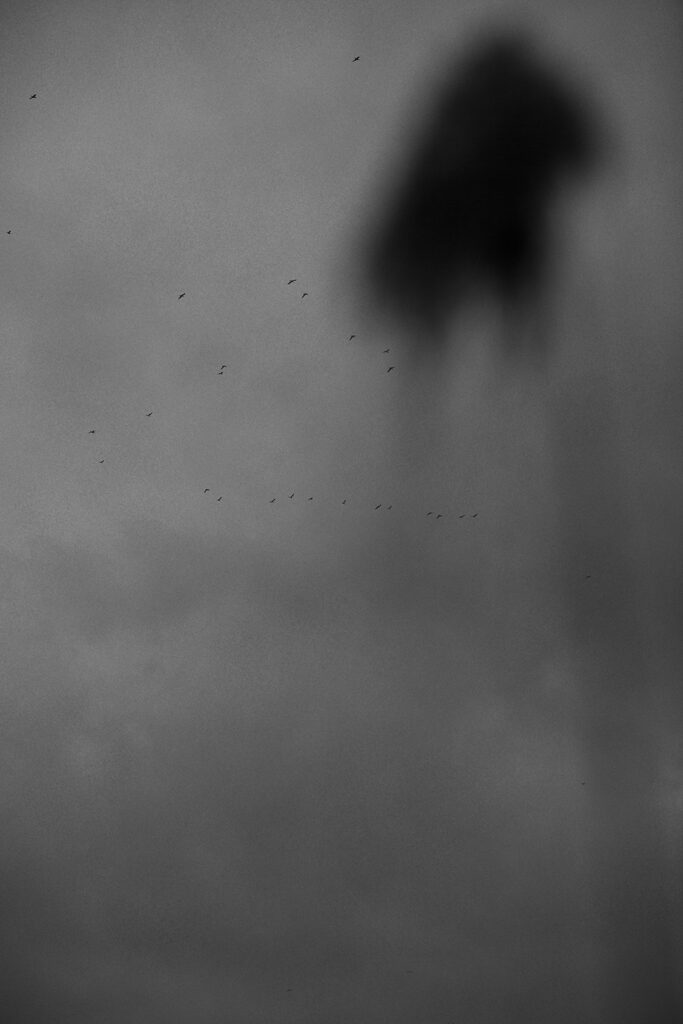
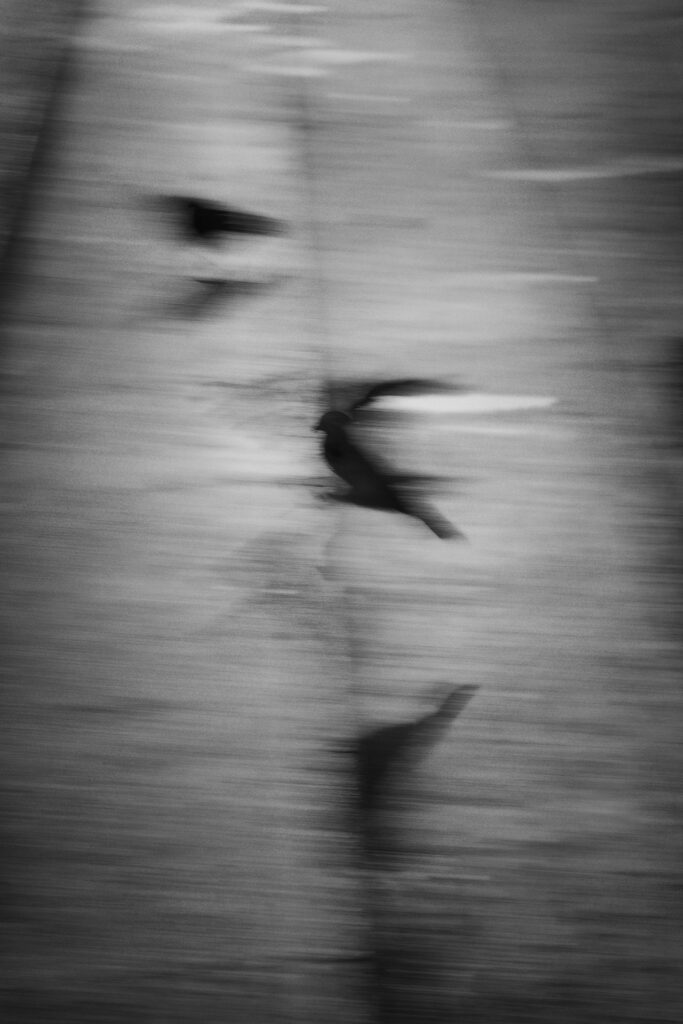
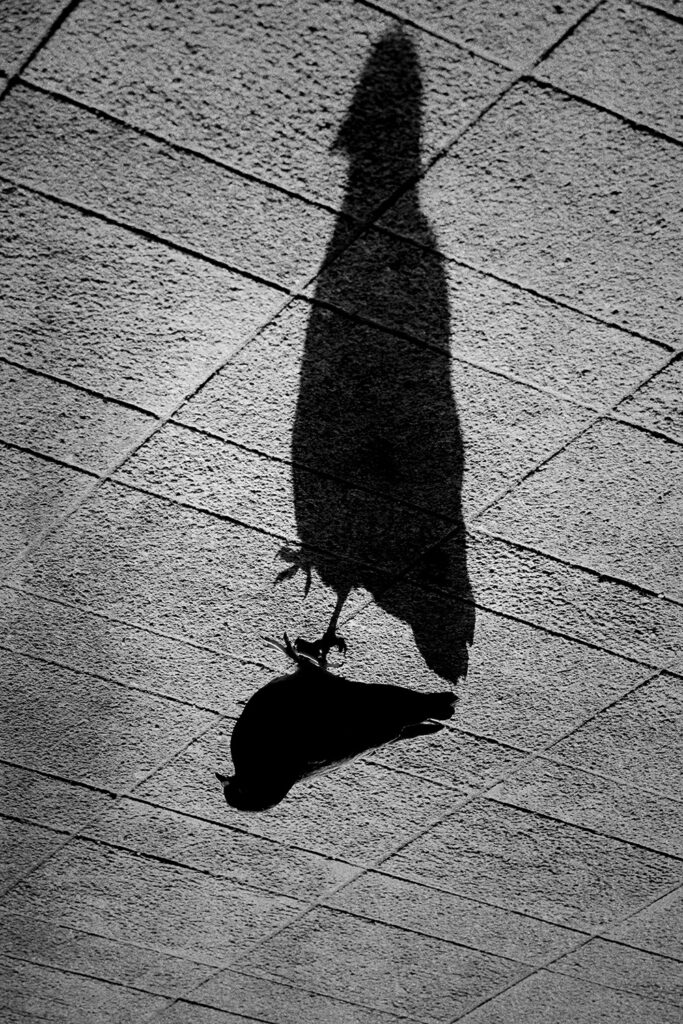
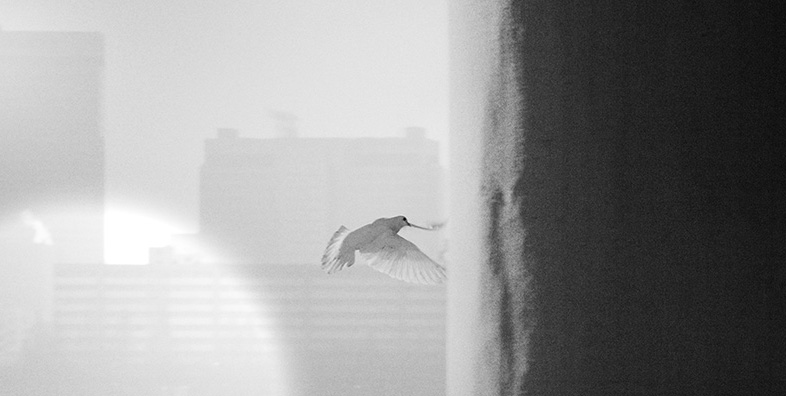
한강에서 감초 역할을 하나만 꼽으라면, 그것은 화려한 빌딩 숲도 물속의 물고기도 아니고 바로 새다. 하늘과 강물 사이의 빈 공간을 채우는 새들은 정지해 있는 듯한 고요한 풍경 속에 미묘한 움직임과 긴장감을 불어넣는다. 높은 교각 위를 지키는 갈매기부터 수면 아래를 요동치게 만드는 폭군 같은 무리의 민물가마우지, 그리고 팔당 위쪽으로 날아드는 고니까지. 이들이 허공에 무리 지어 비행하거나 수면에 내려앉는 모습을 가만히 보고 있으면, 비로소 강물이 살아 숨 쉬고 있음이 느껴진다.
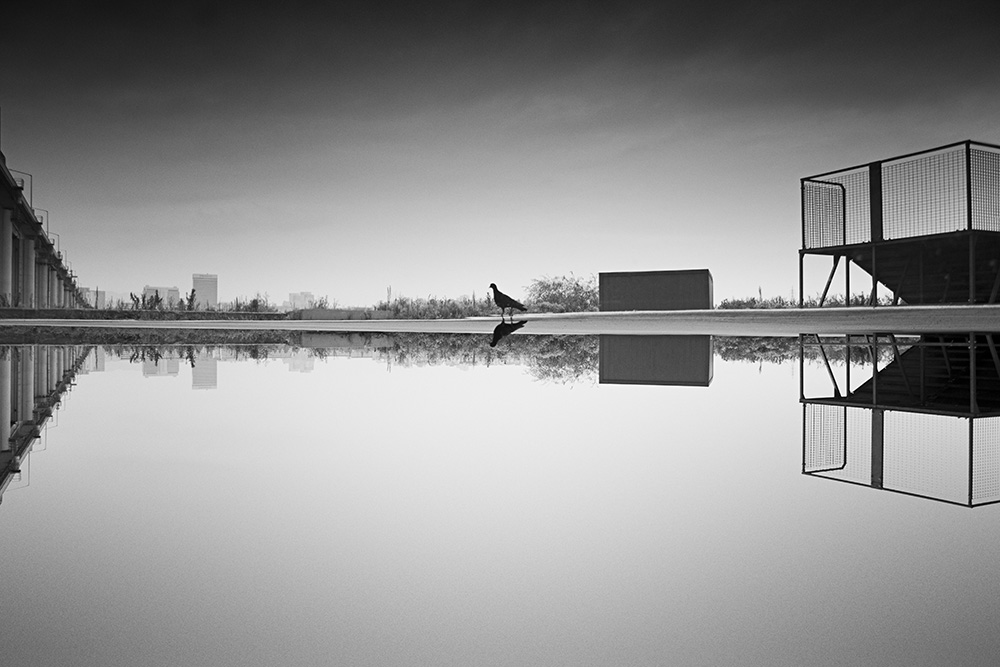
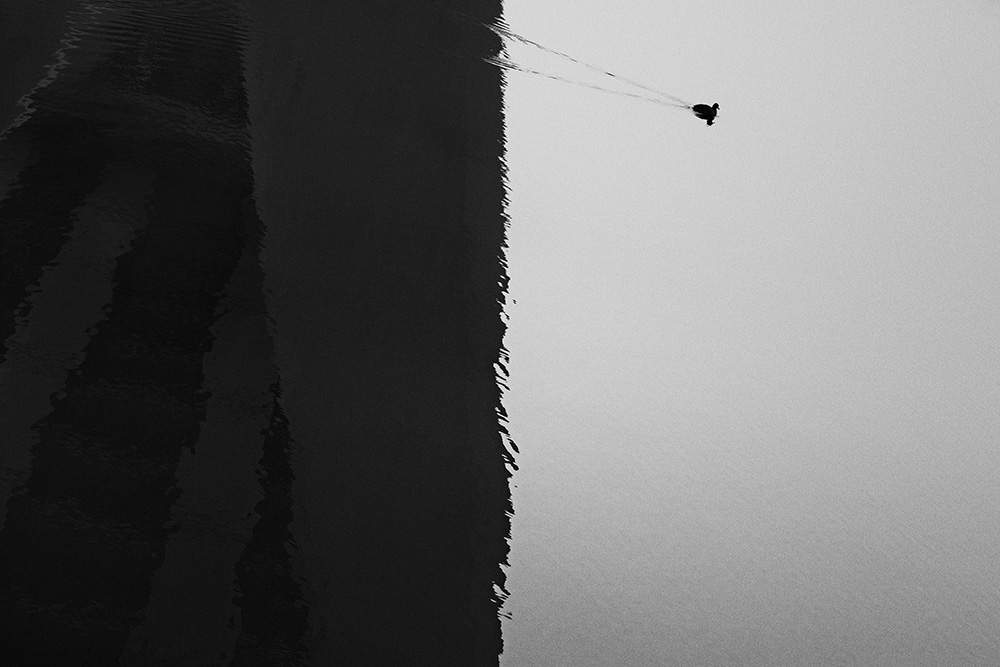
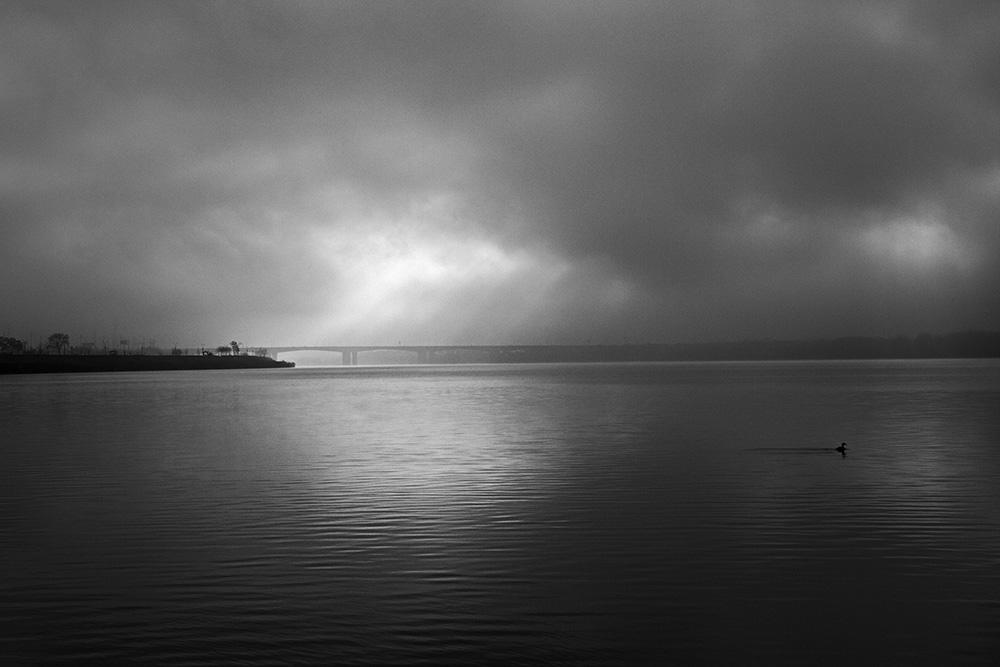
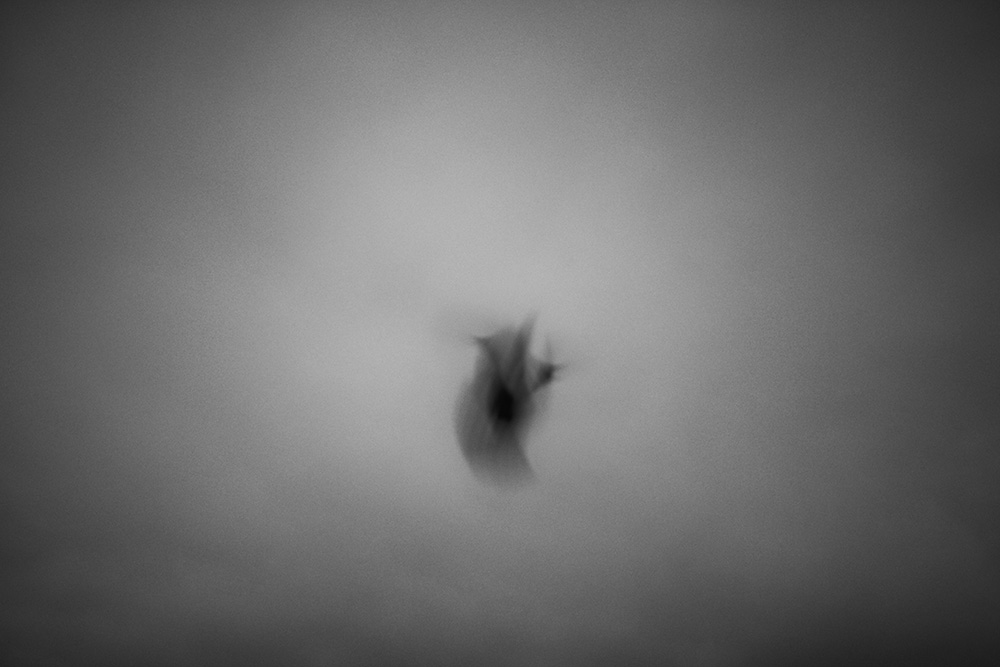
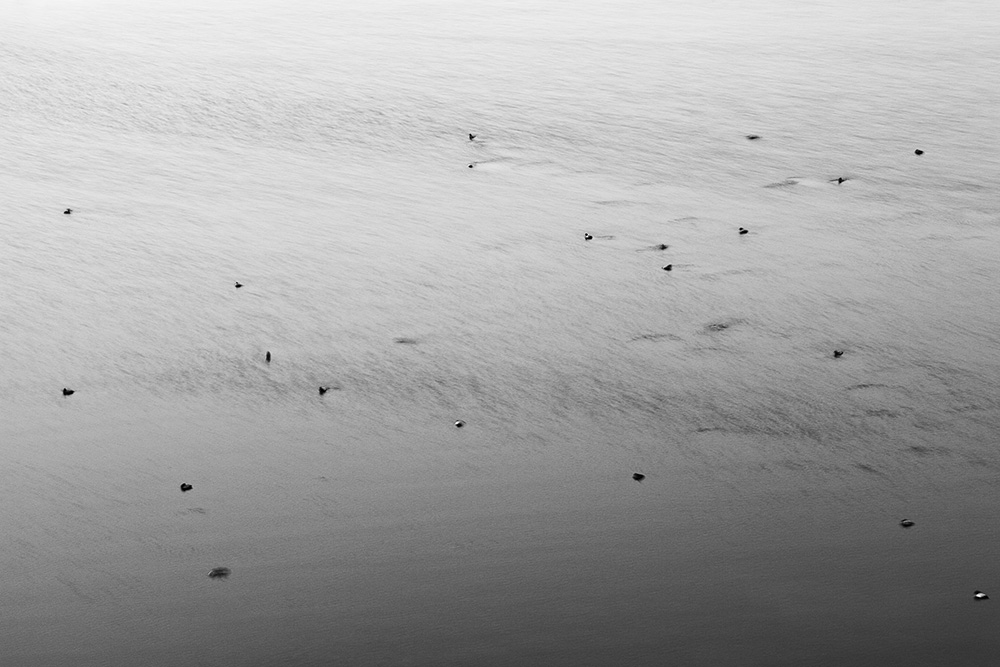
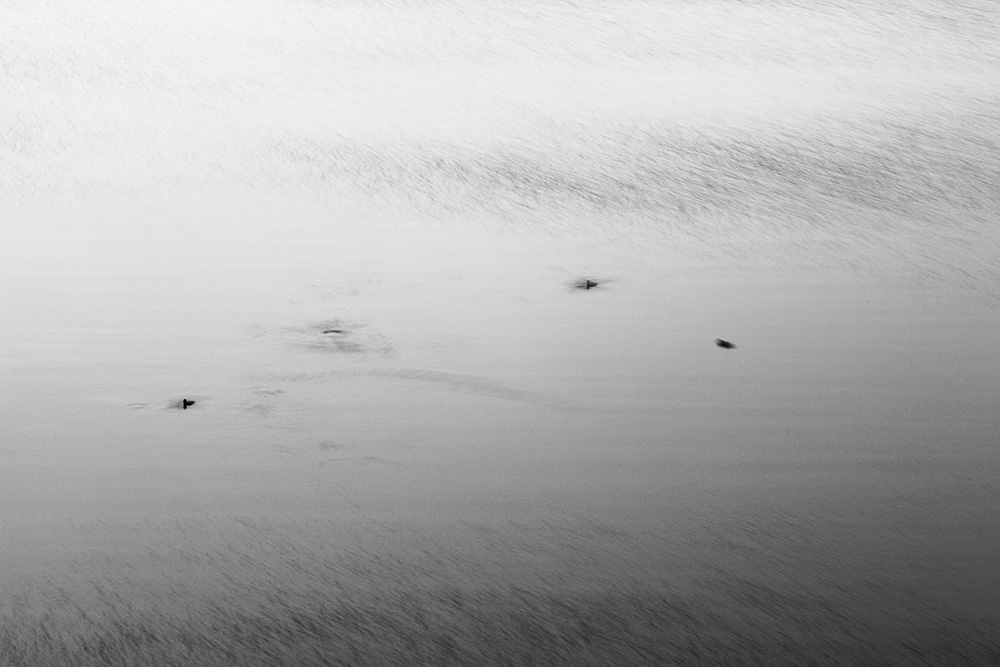
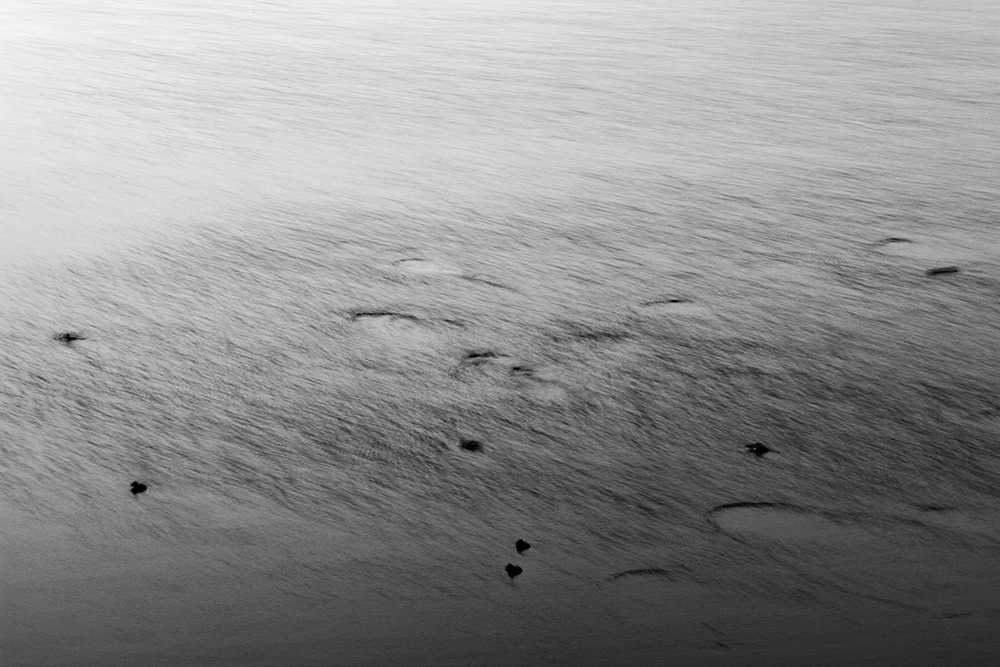
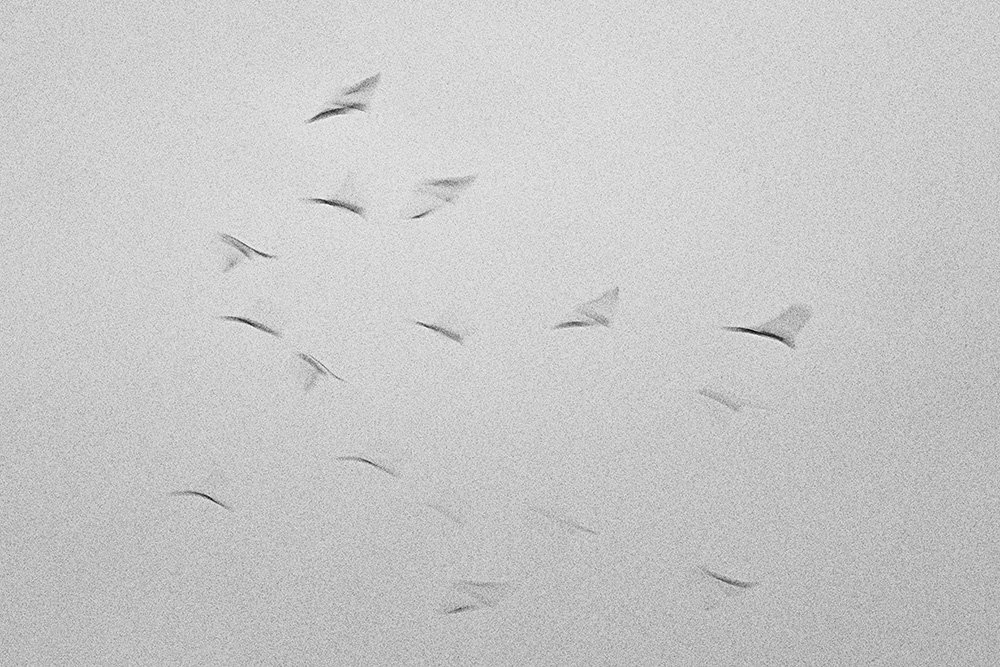
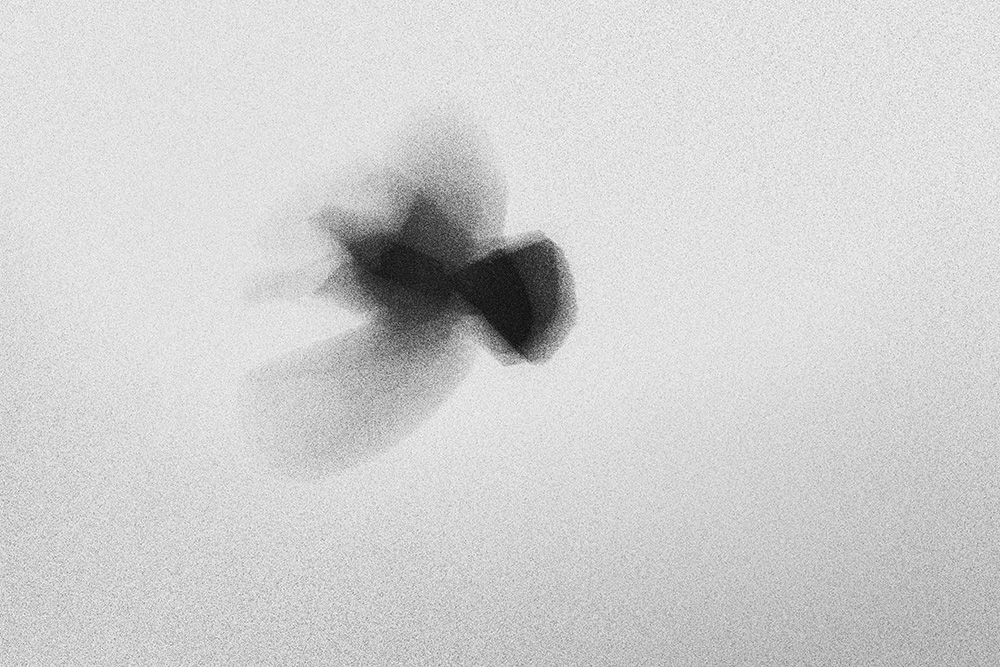
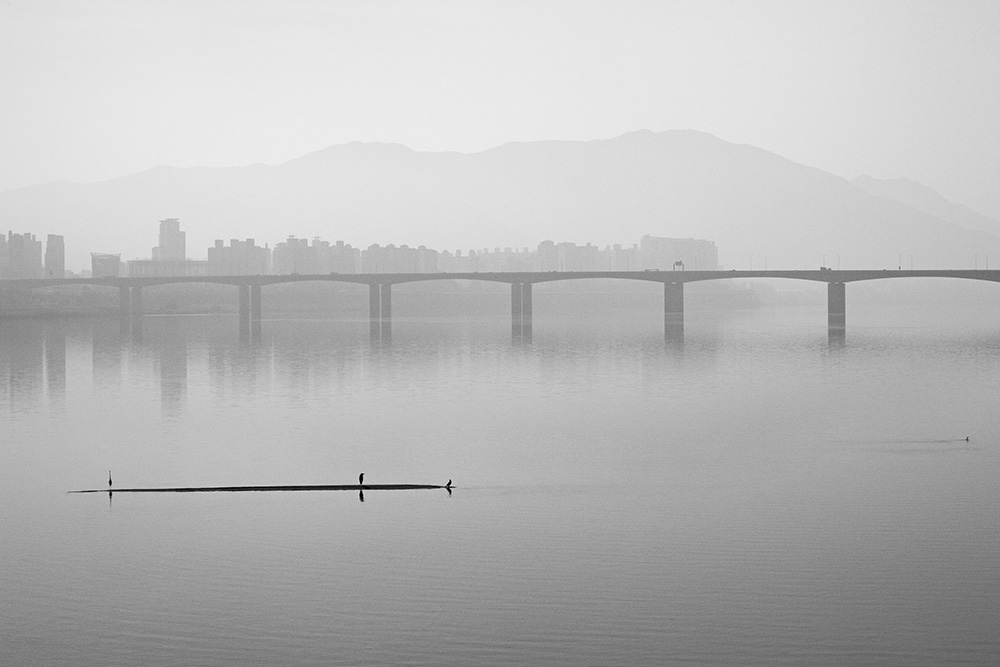
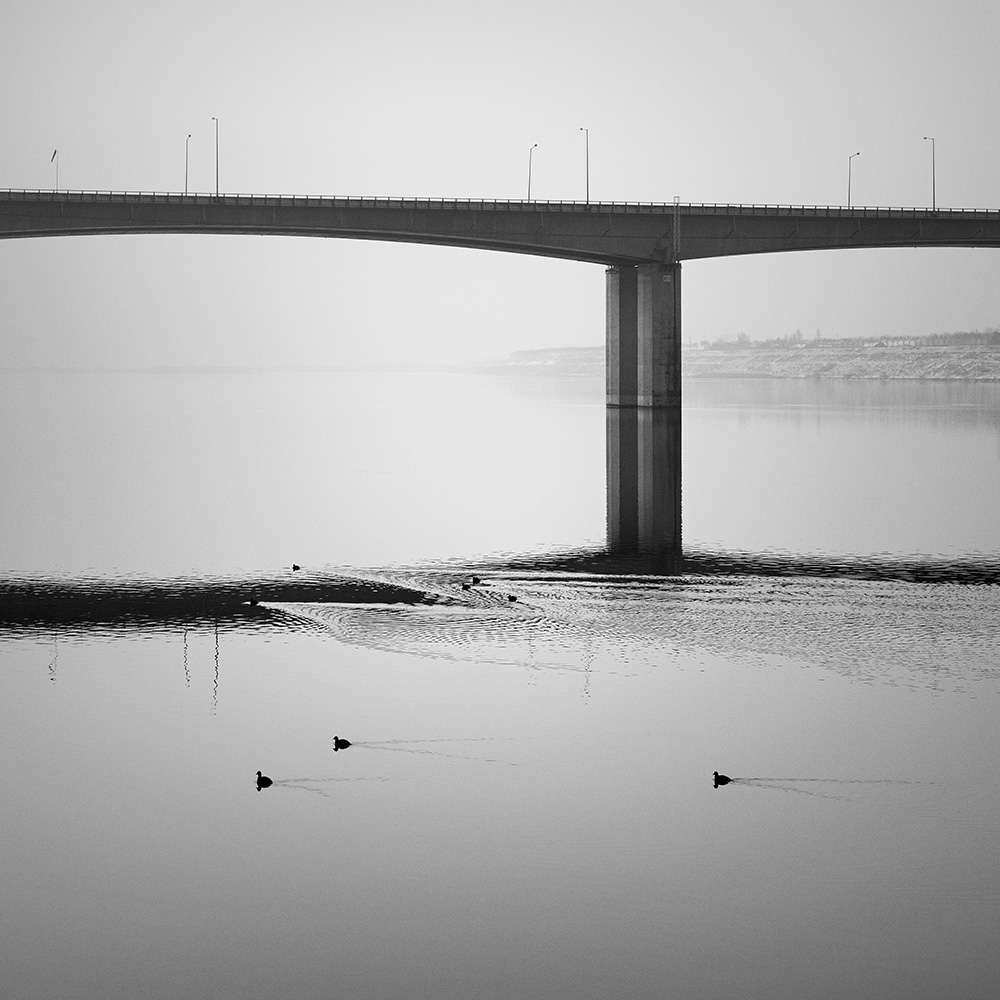
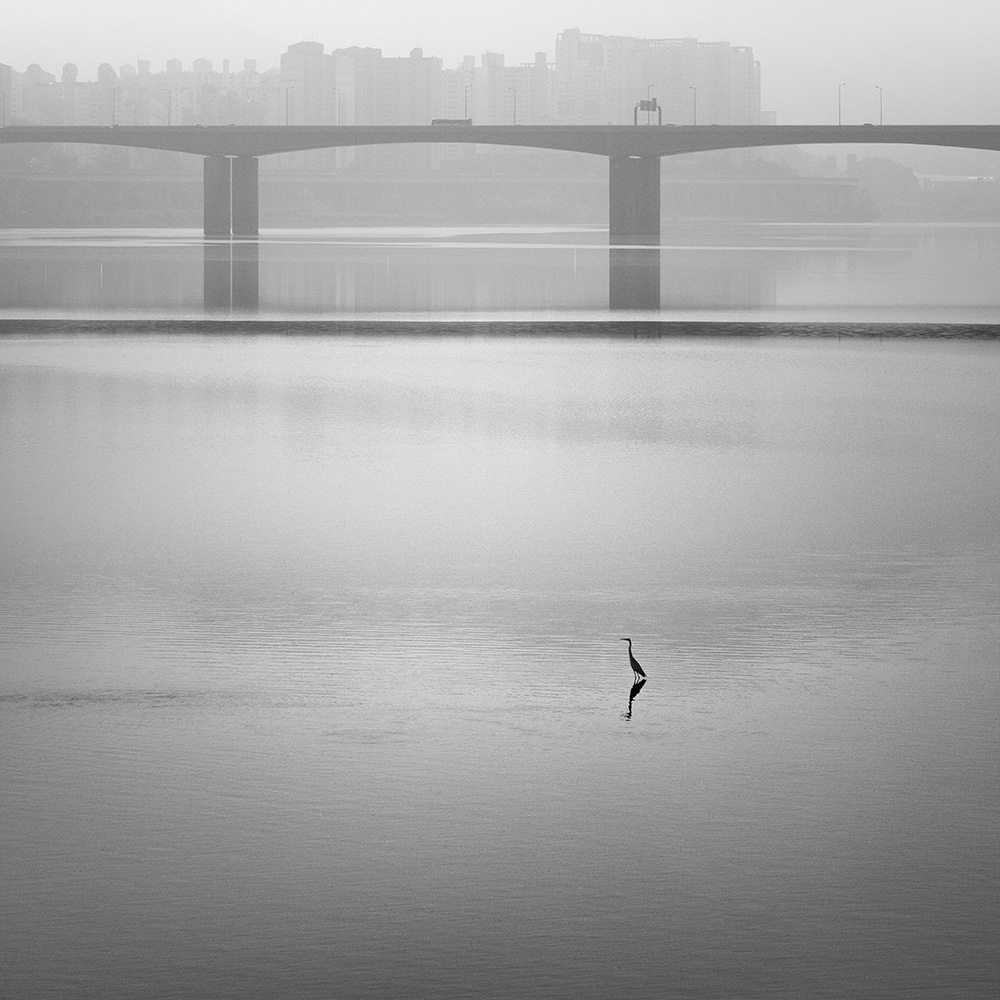
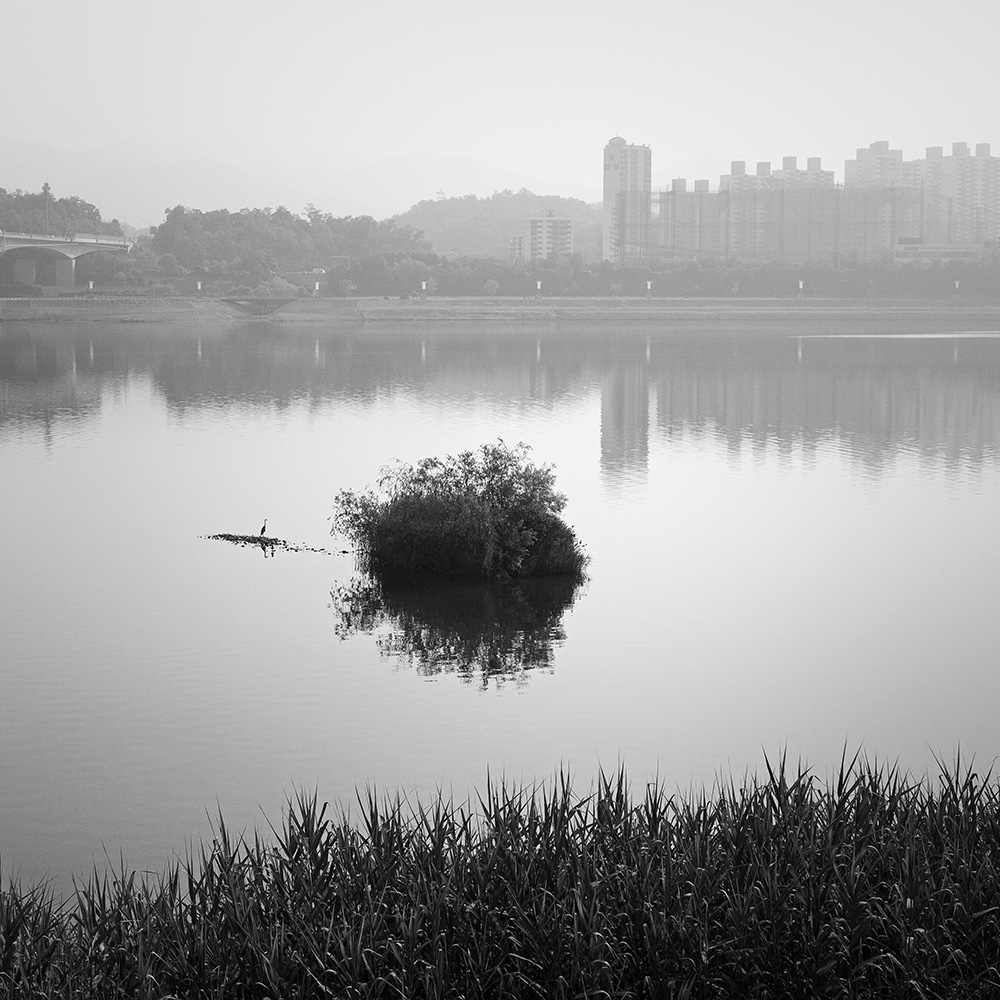
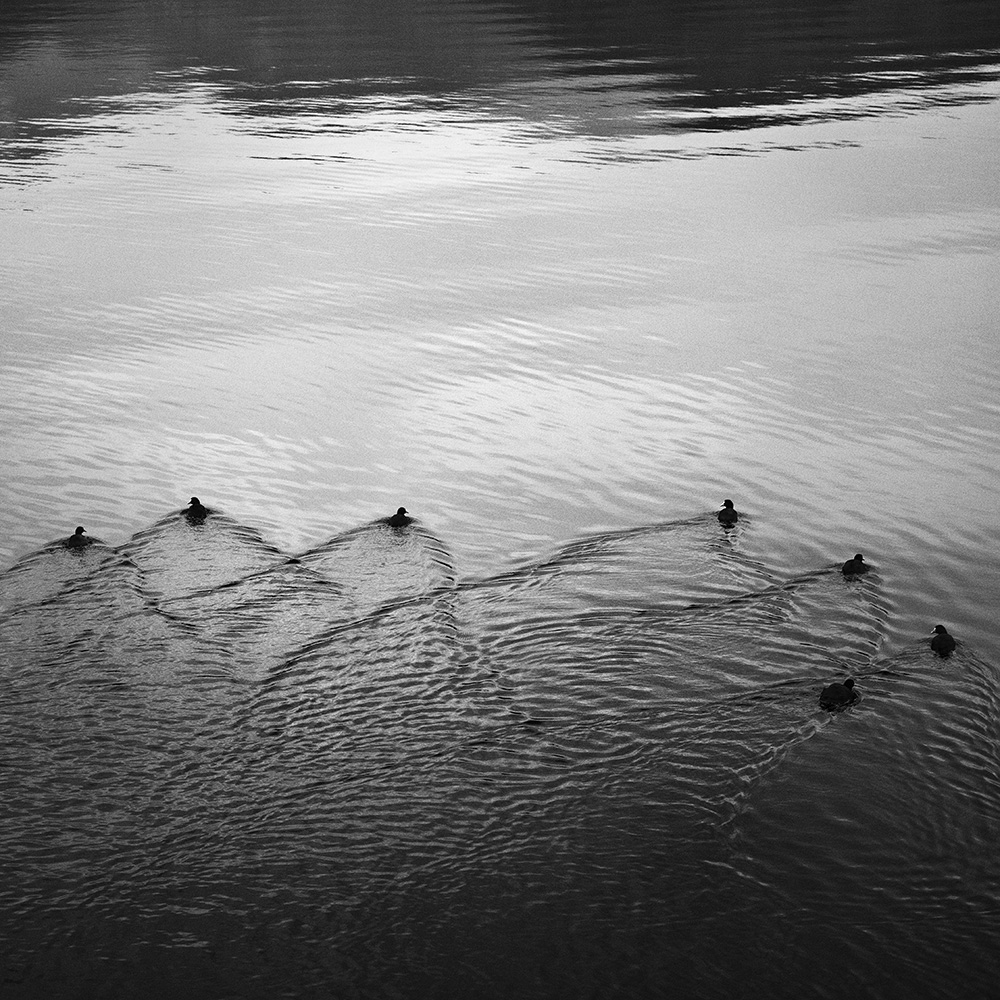
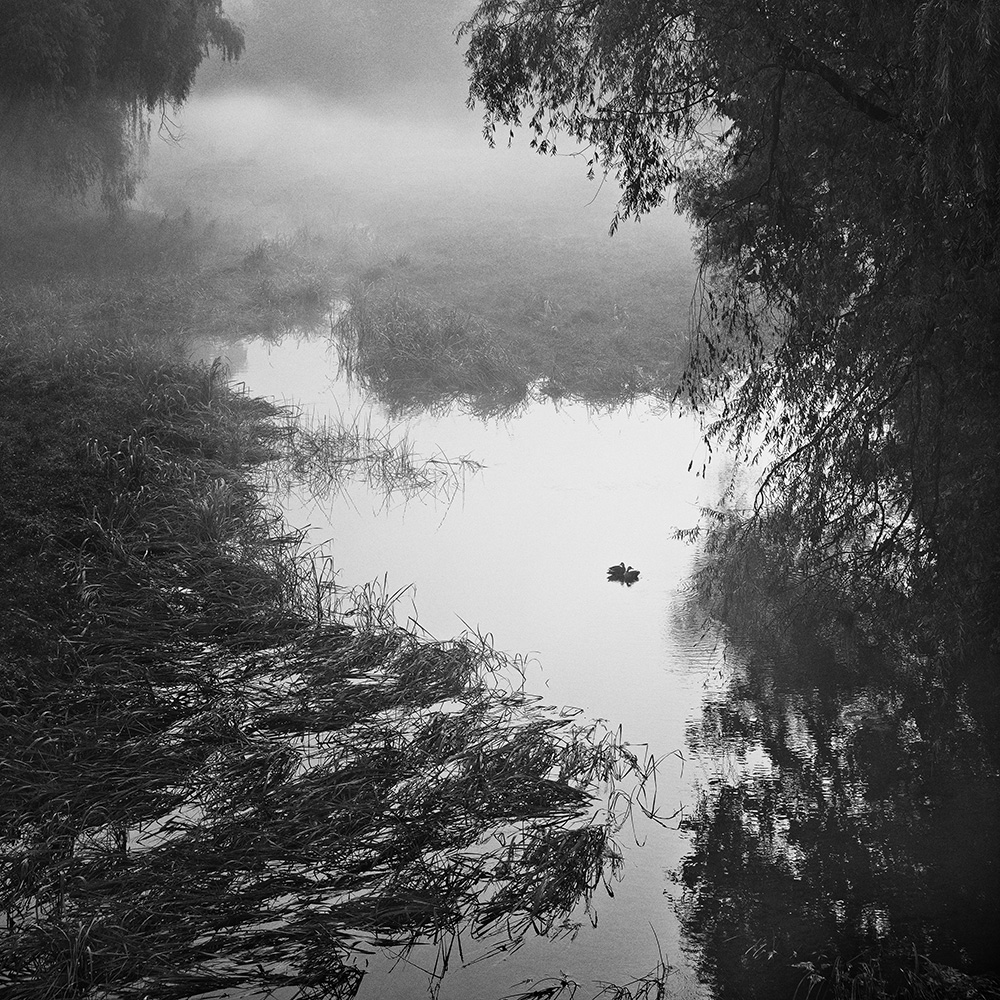
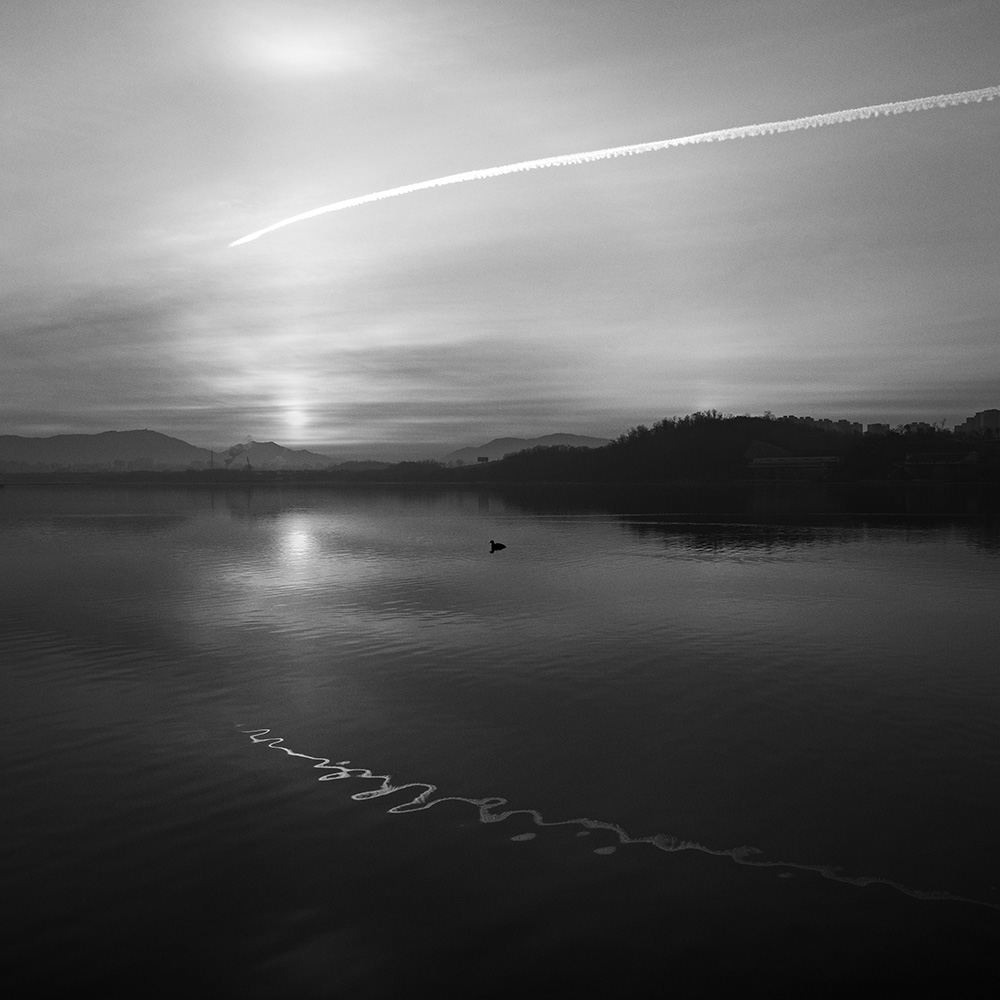
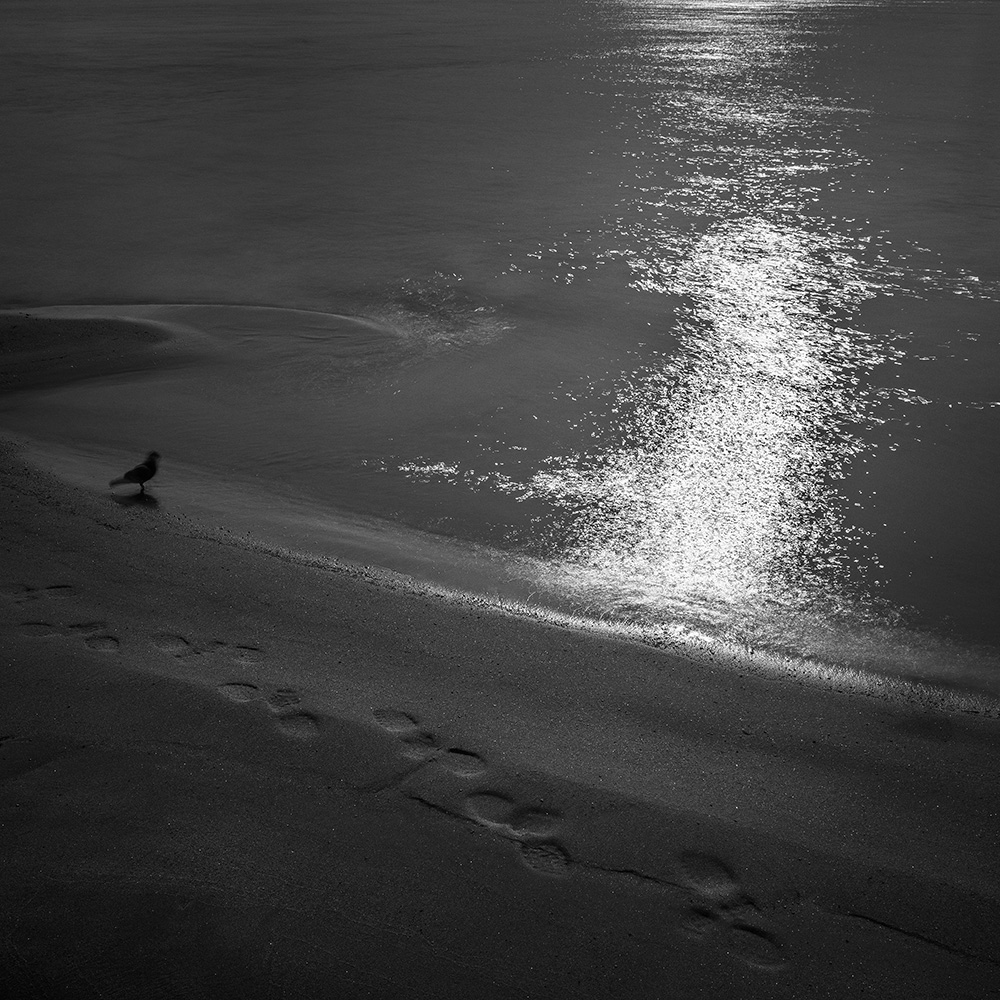
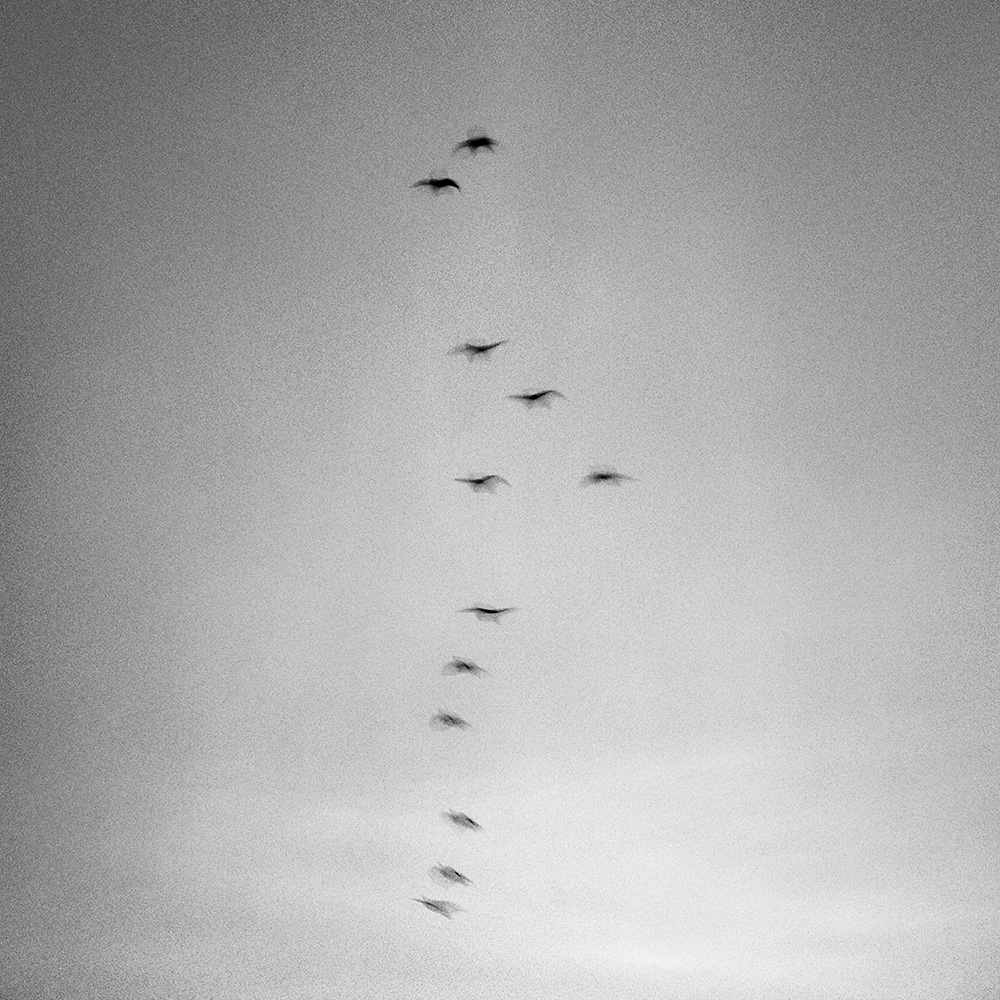
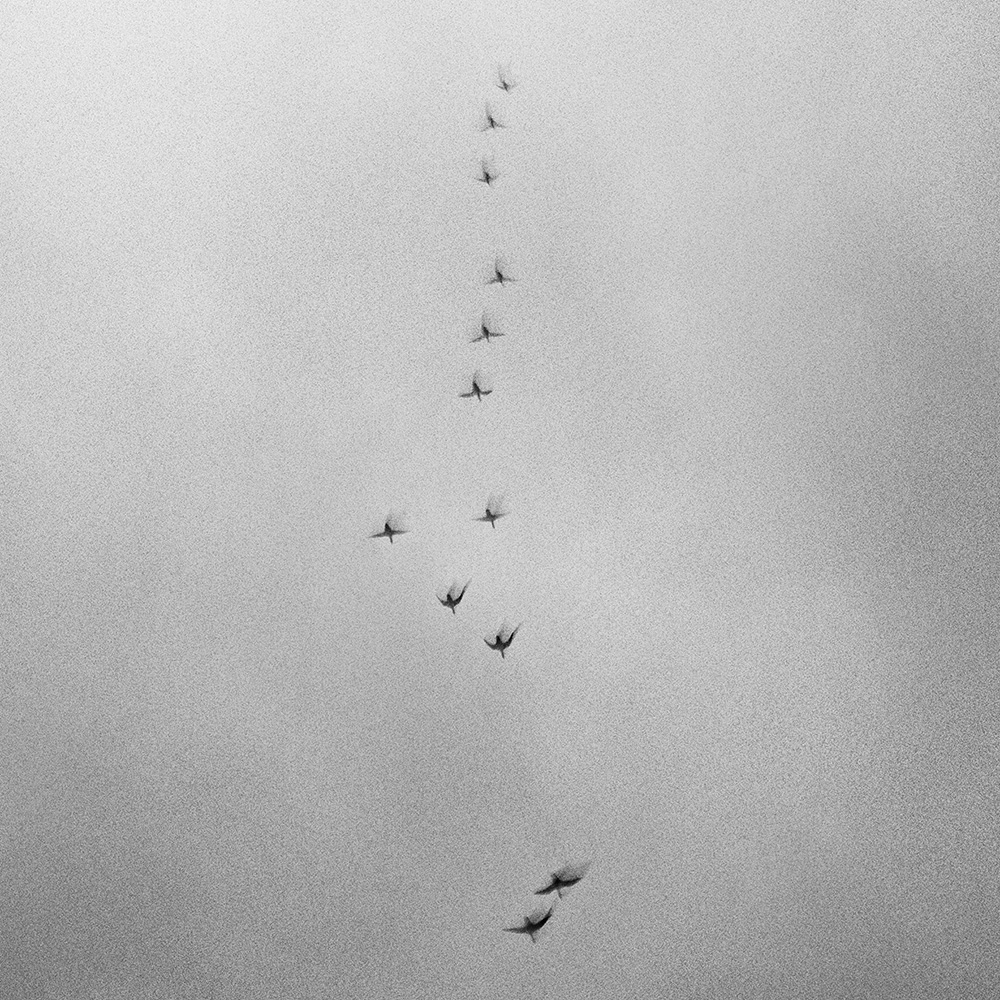
하지만 내 사진 속에서 새들은 그저 작은 점(點)으로 등장할 때가 많다. 정사각형이나 파노라마 등 다양한 판형 속에서 이 생명체들을 작게 표현하는 이유는 명확하다. 내 작업의 진정한 주인공은 사람도, 새도, 숲도 아닌 ‘강물 그 자체’이기 때문이다. 엑스트라가 주인공보다 지나치게 돋보이면 작품의 본질이 흐려진다. 강 위에서 새가 주인이 될 수 없듯, 인간 역시 마찬가지다. 우리는 모두 거대한 자연의 흐름 위에 잠시 머물다 가는 엑스트라일 뿐이다.
오래전 사진이 없던 시절에도 선조들은 시문을 통해 강 위를 오가는 새들을 기록했다. 그들은 갈매기를 벗 삼는다는 뜻의 반구정이나 압구정 같은 정자를 짓고, 묵묵히 흐르는 강물 위에서 새들이 빚어내는 율동과 생명력을 감상했다. 수백 년이 흐른 지금, 나 역시 도심 한가운데 흐르는 흑백의 정제된 공간 속에서 그 작은 생명체들을 기다린다. 새를 마주하며 셔터를 누르는 순간, 인간 중심으로만 세상을 바라보던 오만한 마음은 점차 옅어지고 자연의 일부로 동화되는 듯한 평온을 얻는다.
어떤 날은 빈 하늘만 마주하고 돌아오기도 한다. 그런 날이면 뷰파인더 너머로 기록해 두었던 새들의 모습을 다시 꺼내 본다. 예나 지금이나 한강의 시간 속을 묵묵히 오가며 고즈넉한 풍경에 생동감을 더해주는 존재들. 풍경의 감초 같은 이 작은 새들이 있기에, 오늘도 강물은 멈추지 않고 생명력 있게 흘러간다.
If I had to single out one essential supporting element on the Hangang River, it would not be the spectacular skyline of buildings or the fish in the water, but the birds. Filling the empty space between the sky and the river, birds breathe subtle movement and tension into an otherwise still and silent landscape. From seagulls guarding the high bridge pillars to flocks of cormorants acting like tyrants churning the water below, and swans flying over the Paldang area—watching them soar in flocks or settle on the surface makes me truly feel that the river is alive and breathing.
However, in my photographs, birds often appear merely as tiny dots. Whether in a square or panoramic format, the reason I depict these living creatures so small is clear: the true protagonist of my work is neither human, nor bird, nor forest, but the river itself. If an extra overpowers the main subject, the essence of the work is compromised. Just as birds cannot claim ownership of the river, neither can humans. We are all merely extras briefly lingering on the grand flow of nature.
Long before the invention of photography, our ancestors recorded the birds of the river through poetry and prose. They built pavilions like Bangujeong and Apgujeong—names that signify befriending seagulls—to appreciate the rhythm and vitality these birds brought to the silently flowing water. Hundreds of years later, I, too, wait for these small creatures within the refined, black-and-white space of the city’s heart. In the moment I face the birds and press the shutter, my human-centric arrogance gradually fades, and I find a peaceful assimilation as a part of nature.
There are days when I return having faced only an empty sky. On those days, I look back at the birds I have recorded through my viewfinder. Then and now, they silently traverse the time of the Hangang River, adding vitality to the tranquil scenery. Because of these indispensable little birds that act as the essential supporting cast of the landscape, the river continues to flow with life today.
Info
江闊島如拳
離離雨中草
可愛十里碧
時點白鷺鳥
넓은 강물에 조막만 한 섬
비속에 휘늘어진 푸른 풀
고와라 십리 파란빛에
때때로 흰 새가 점 찍혀 있네
조선 중기 임상원(任相元), 염헌집(恬軒集)
반구정(伴鷗亭)과 압구정(狎鷗亭)은 모두 갈매기와 친숙하다는 뜻을 품고 있는 정자로 한강 일대는 예로부터 새들과 자연이 공존하는 아름다운 장소다.
반구정: 한강 하구 근처 파주시 임진강 하구에 위치한 정자로 1449년(세종 31) 황희(黃喜)가 87세의 나이로 관직에서 물러나 갈매기를 벗 삼아 여생을 보낸 곳이다.
압구정: 강남구 압구정동 산 310번지 일대 한강 연안 높은 터에 조선 세조(재위 1455~1468) 때 정승을 지낸 한명회(韓明澮)가 노후를 한가로이 보내기 위해 정자를 세웠던 것에서 연유한다.
강은 새들의 고향이자 안식처로 수많은 철새와 텃새들은 한강을 보금자리 삼아 살아가고 있다. 해마다 70종 이상이 서식하고, 이 중 40종은 물새로 알려진 수조류(水鳥類)이며, 2000년대 초 한강하구에서 기록된 조류는 10만여 마리 154종에 이르고 있다.
江闊島如拳
離離雨中草
可愛十里碧
時點白鷺鳥
“A fist-sized island in the wide river,
Green grass drooping in the rain.
How beautiful, the miles of blue water,
Where white birds sometimes appear like painted dots.”
Im Sang-won, Mid-Joseon Dynasty, Yeomheonjip
Bangujeong and Apgujeong are both pavilions whose names hold the meaning of being familiar with seagulls, showing that the Hangang River area has long been a beautiful place where birds and nature coexist.
Bangujeong: A pavilion located near the Hangang River estuary at the mouth of the Imjingang River in Paju. It is where Hwang Hui, a highly respected prime minister of the Joseon Dynasty, retired from office in 1449 at the age of 87 to spend the rest of his life befriending seagulls.
Apgujeong: A place name in Seoul today, originating from a pavilion that once stood along the Hangang River. It was built by Han Myeong-hoe, a powerful high-ranking official of the Joseon Dynasty (1455–1468), as a place to spend his old age in peaceful leisure.
The river is a hometown and haven for birds, with countless migratory and resident birds making the Hangang River their home. Over 70 species inhabit the area each year, 40 of which are waterbirds, and in the early 2000s, the number of birds recorded at the Hangang River estuary reached around 100,000 across 154 species.