물 Water B/W
Concept
渼 · 波 · 紋 · 銀 · 河 · 水
渼 미 Rippling Surface
수면에 잔물결이 이는 현상
波紋 파문 Ripples
수면에 이는 물결 / 물결 모양으로 이루어진 무늬 / 어떤 일이 다른 곳에 미치는 영향
銀河水 은하수 Milky Way
밤하늘을 가로지르는 별들의 강이자 한강의 또 다른 이름
윤슬 Glittering Ripples
햇빛이나 달빛에 비치어 반짝이는 잔물결
渼 물놀이 미 · 波 물결 파 · 紋 무늬 문 · 銀 은 은 · 河 물 하 · 水 물 수
渼 Ripple · 波 Wave · 紋 Pattern · 銀 Silver · 河 River · 水 Water
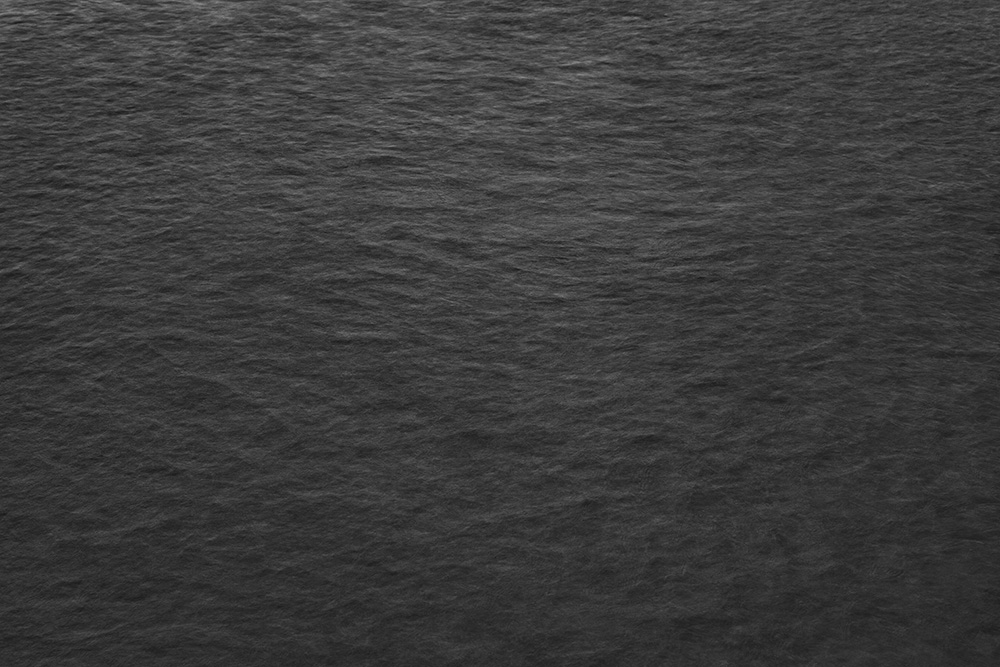

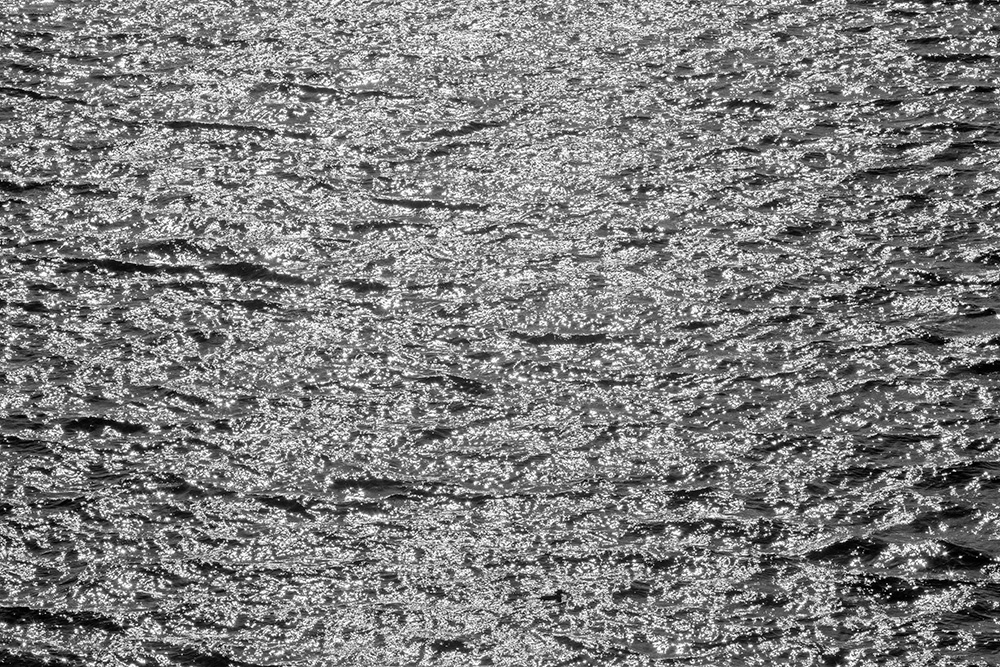
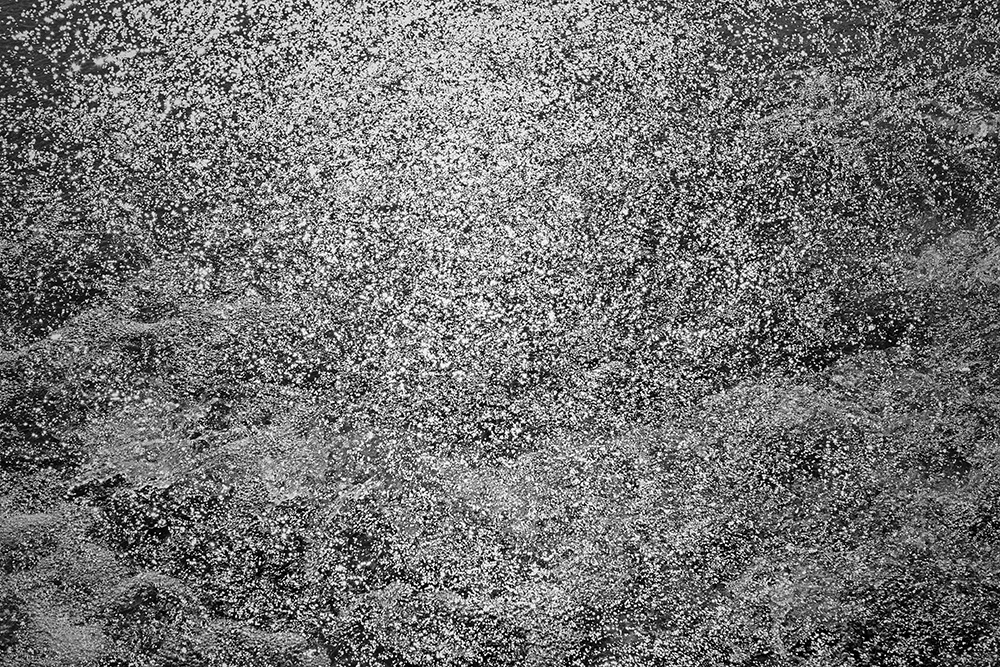
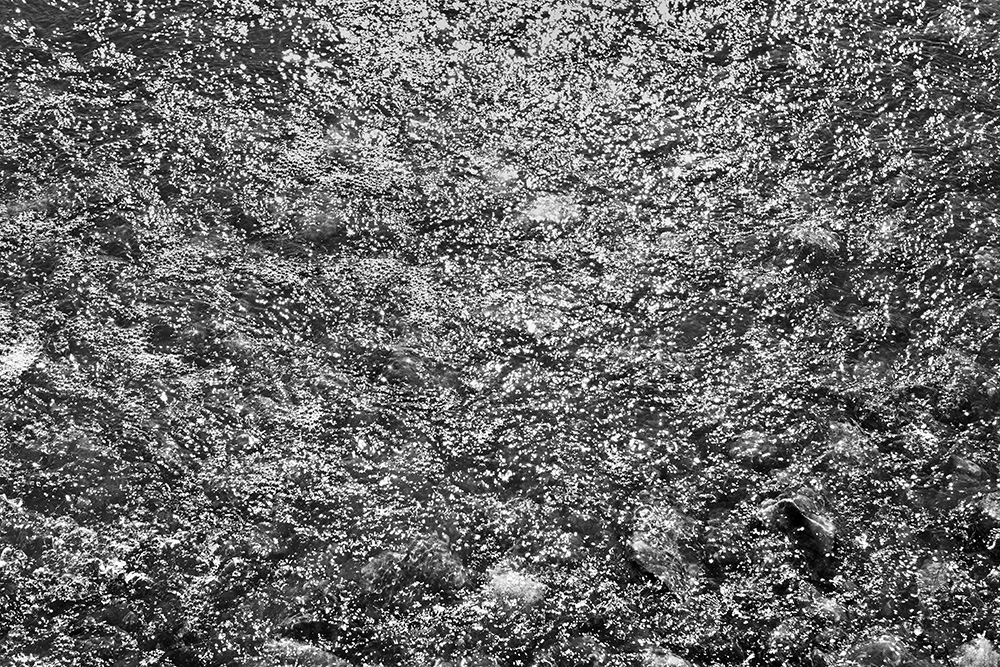


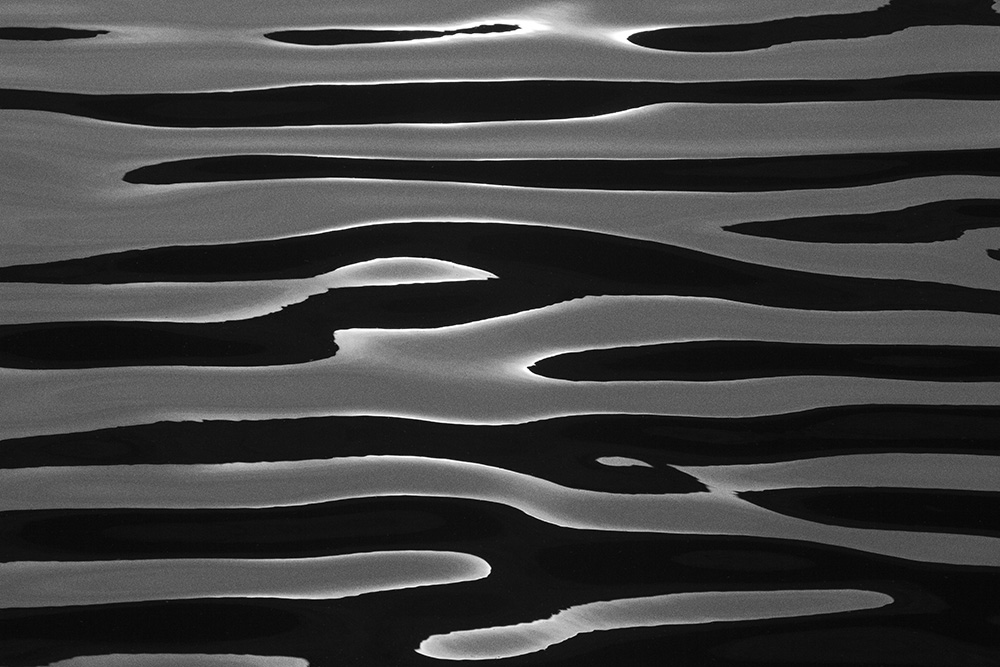
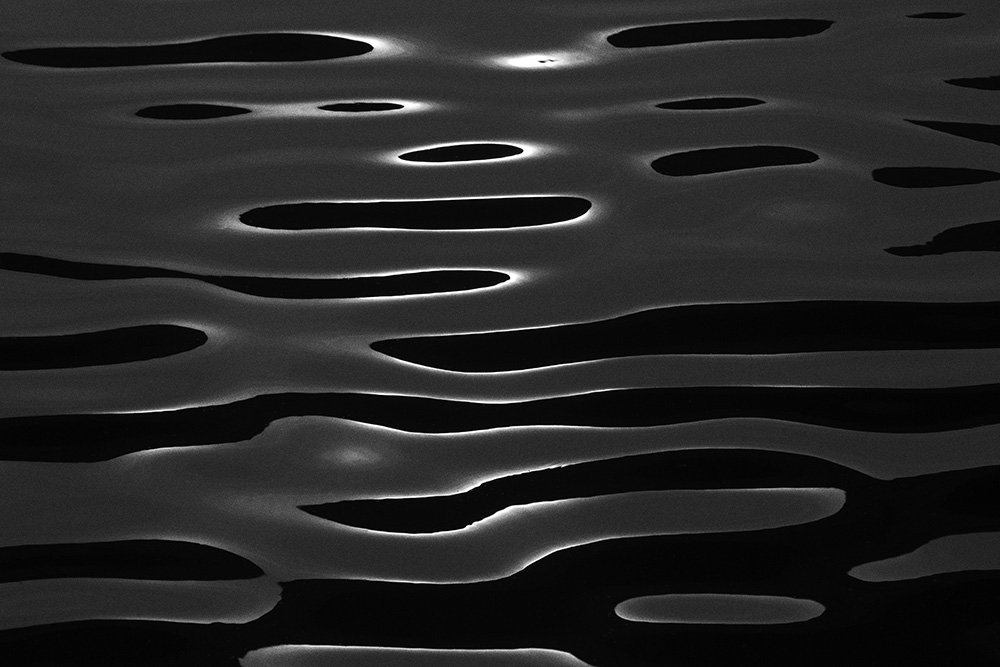
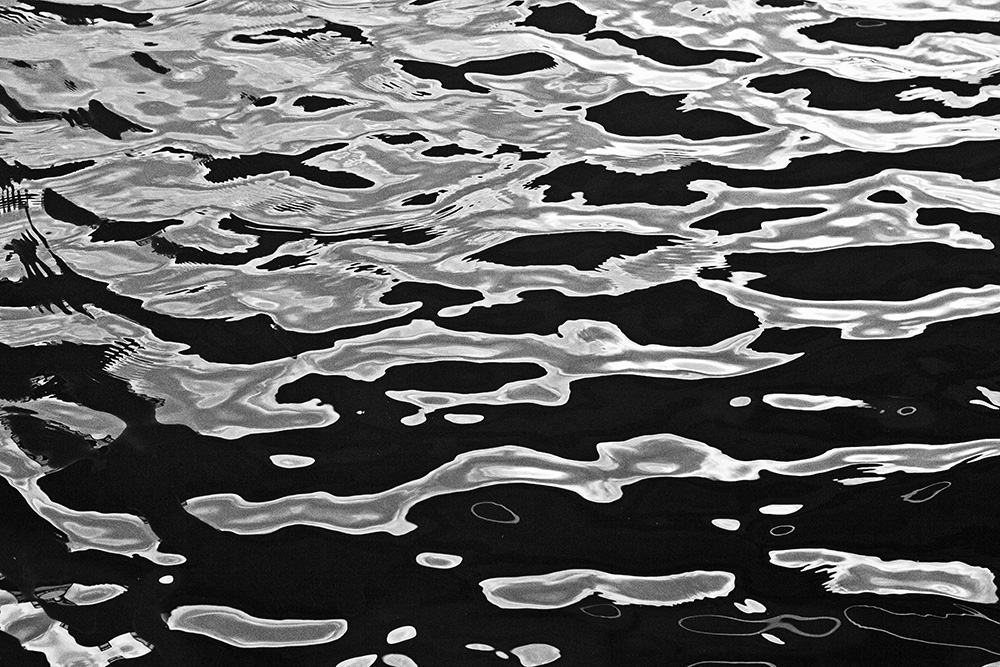
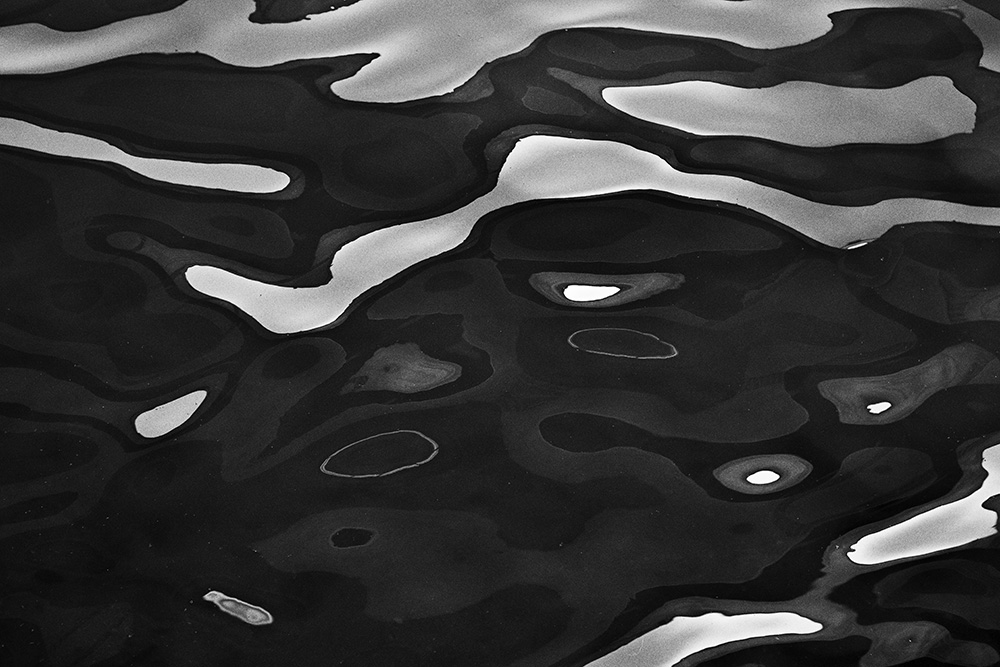

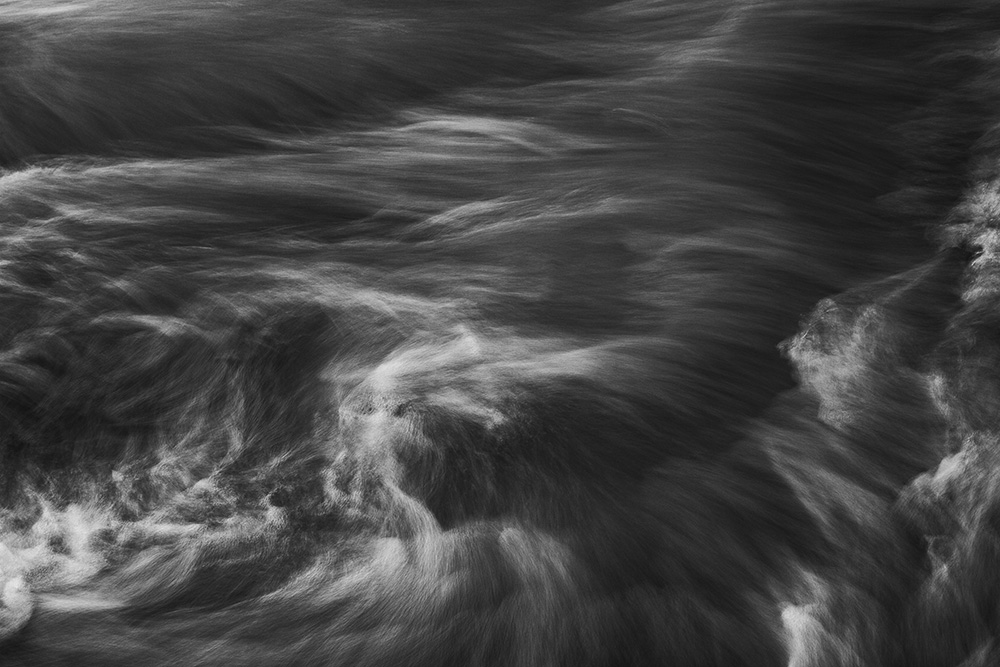
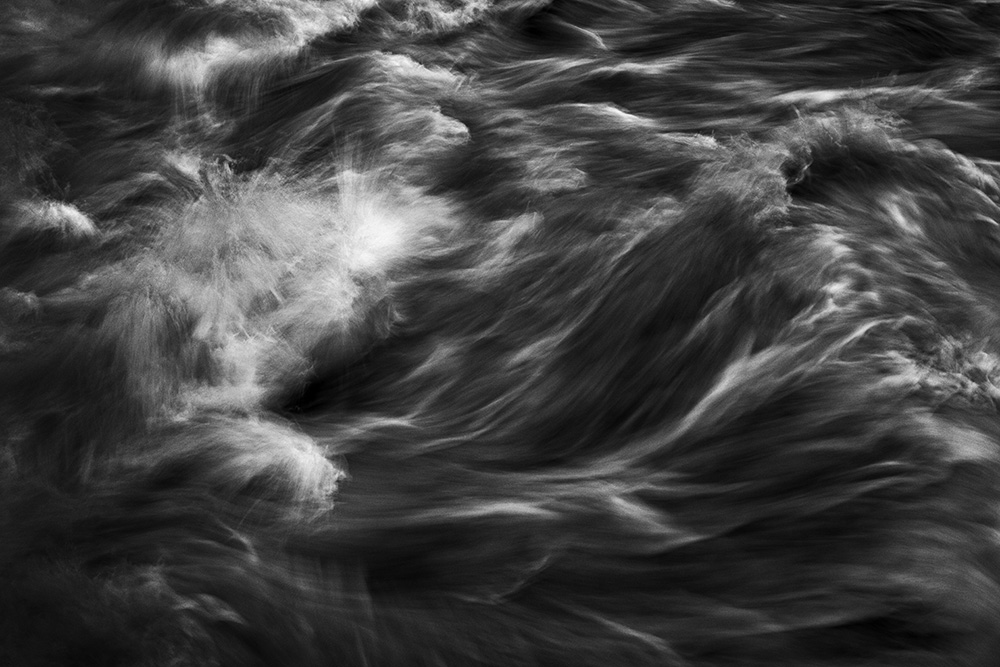

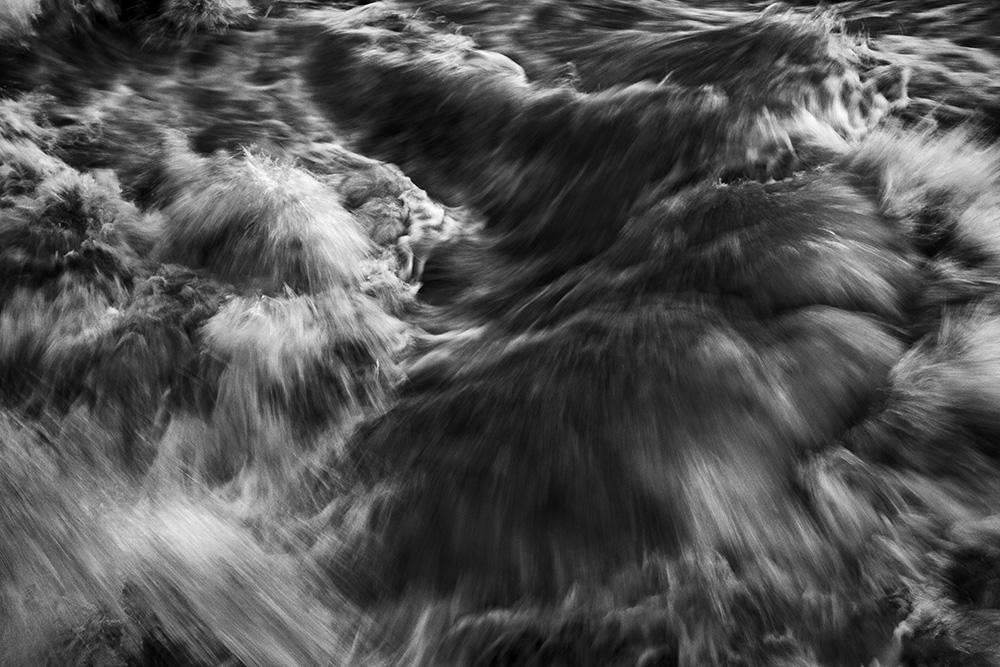
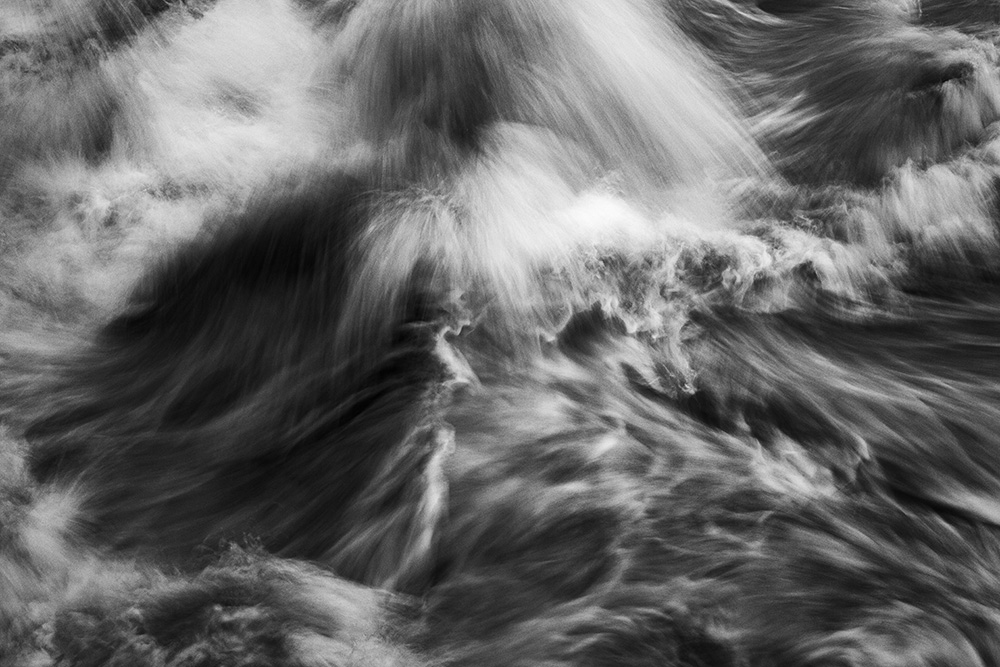


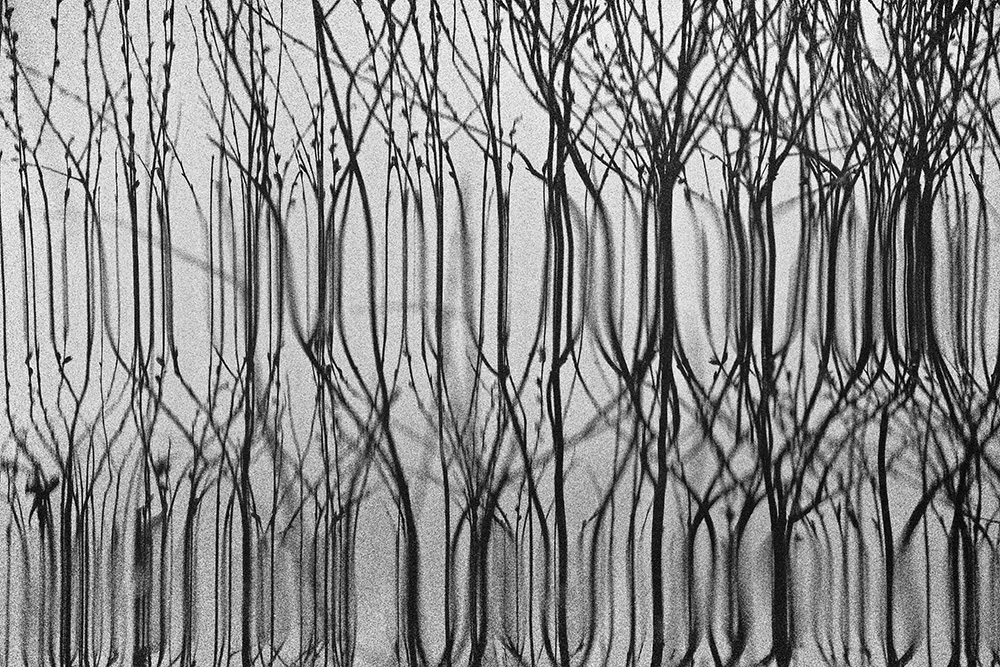
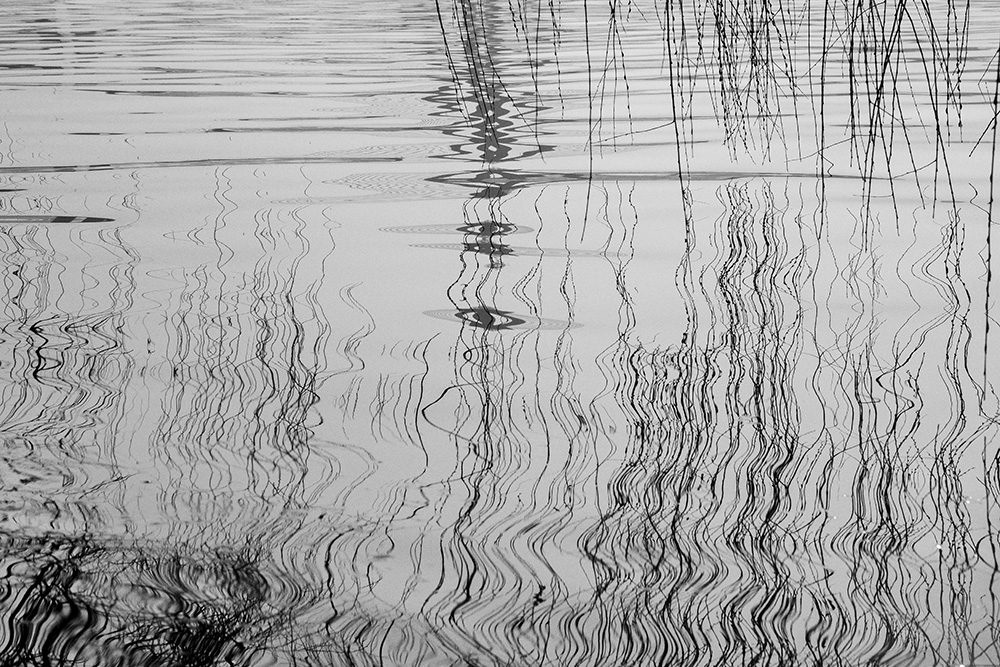
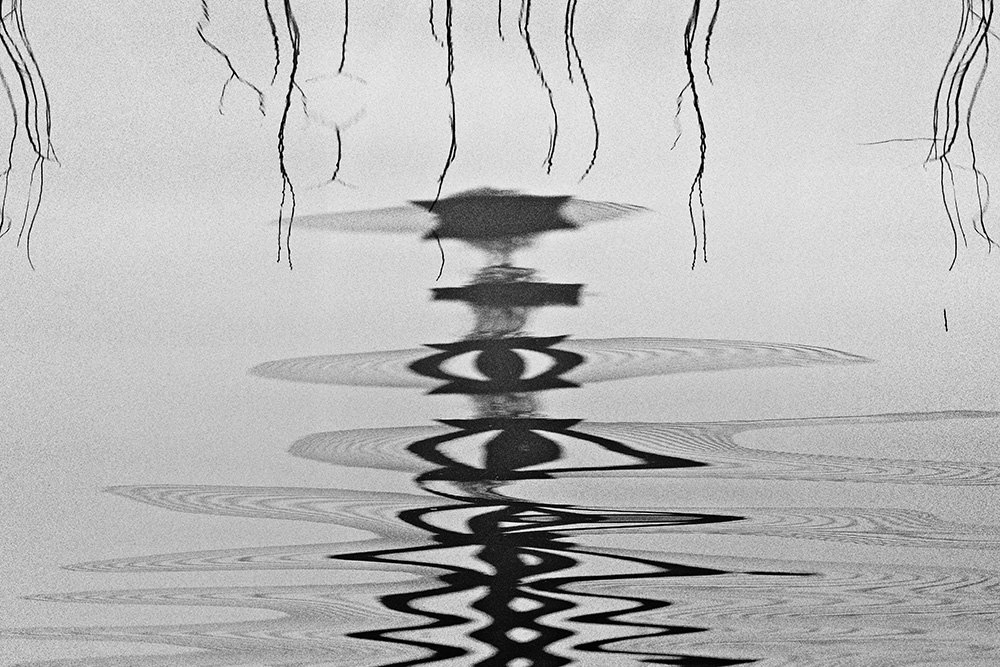
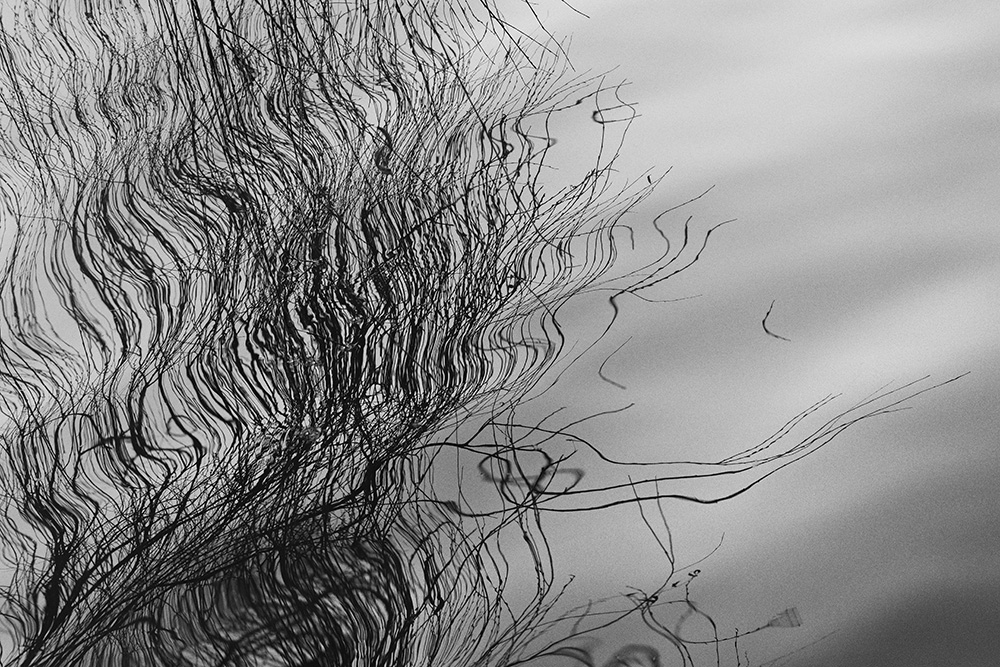




Note
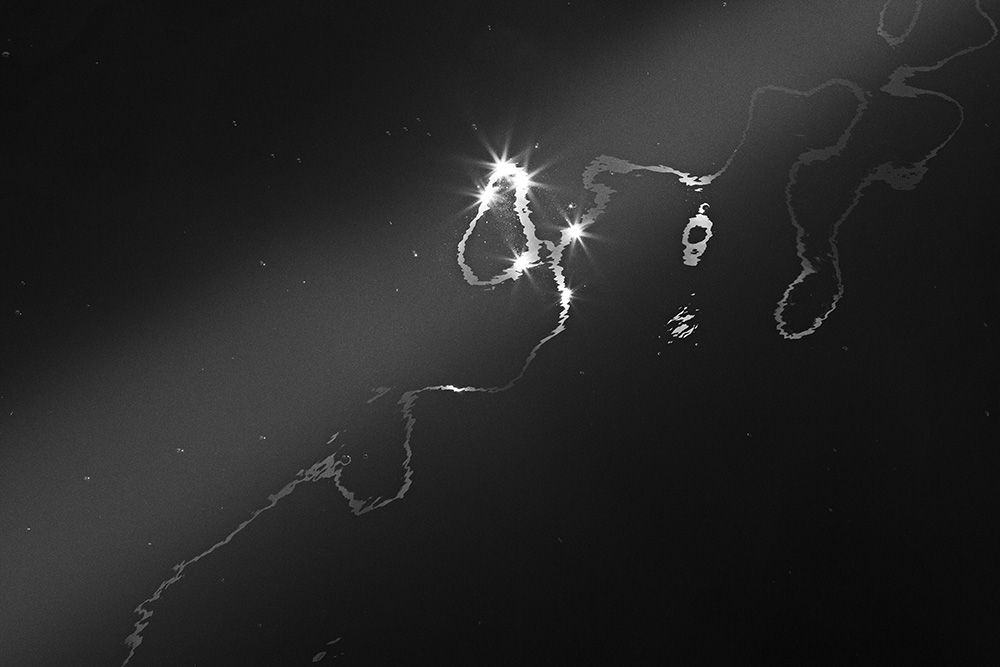
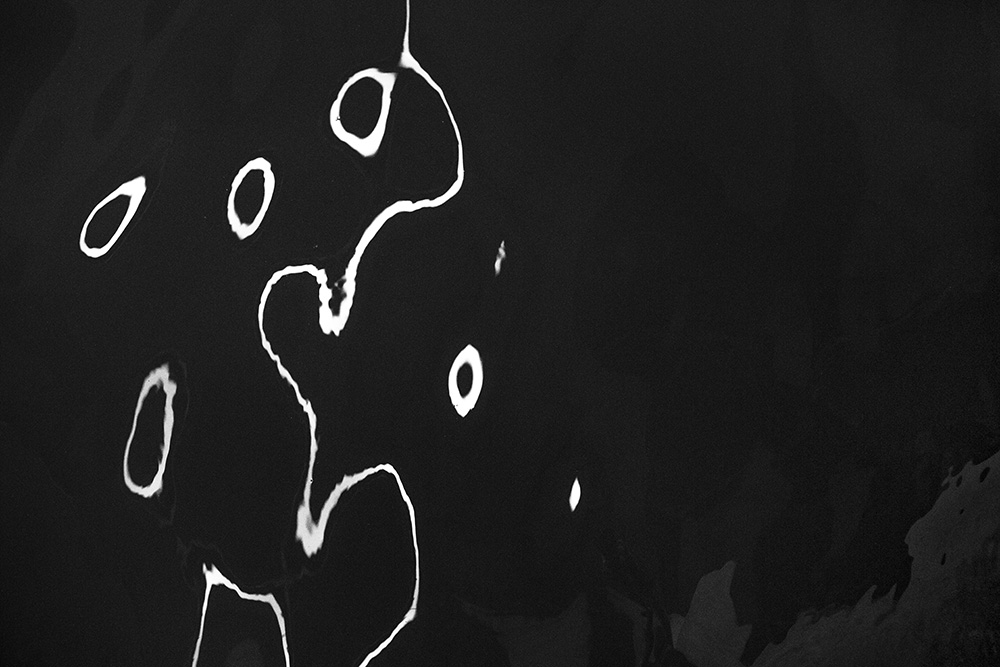
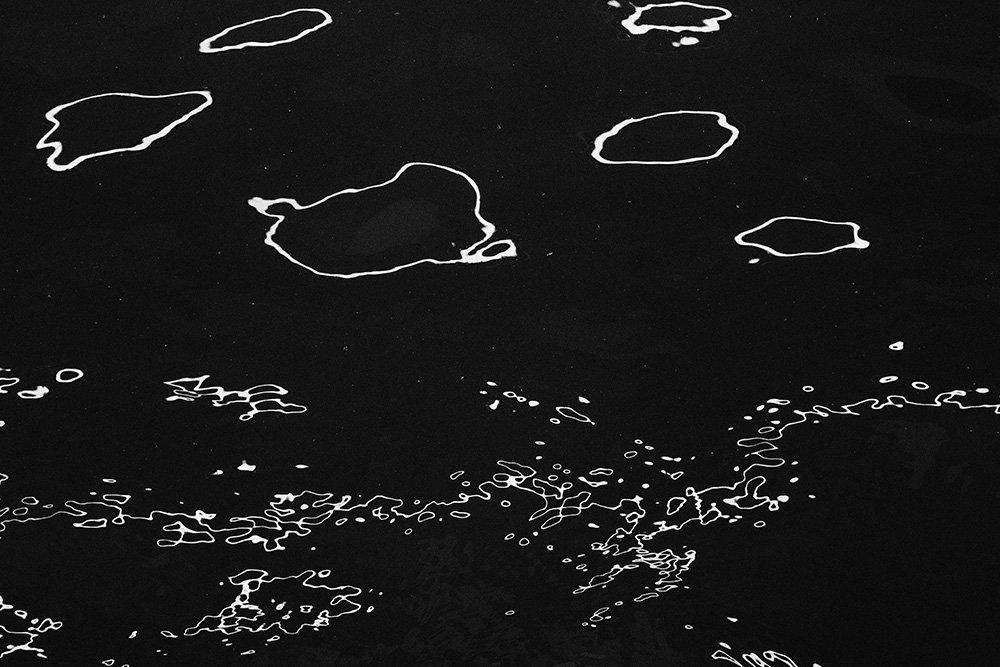
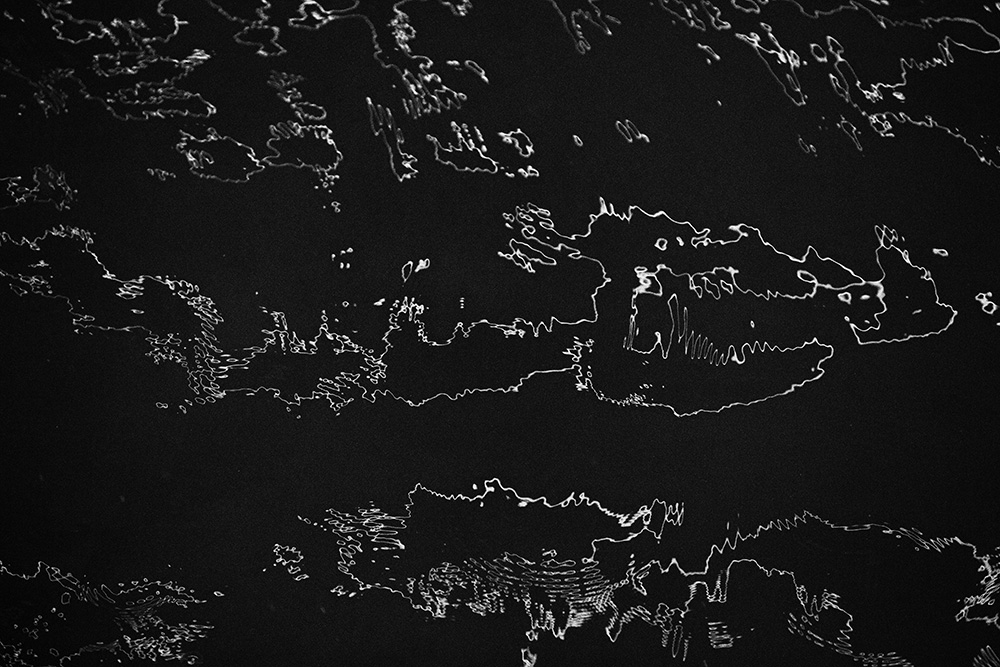
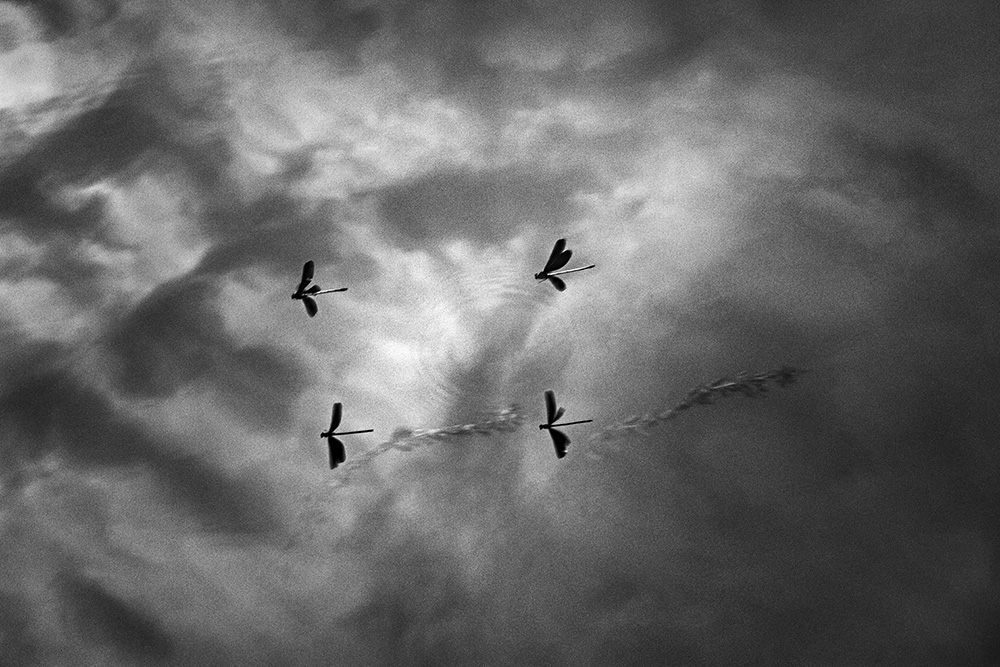
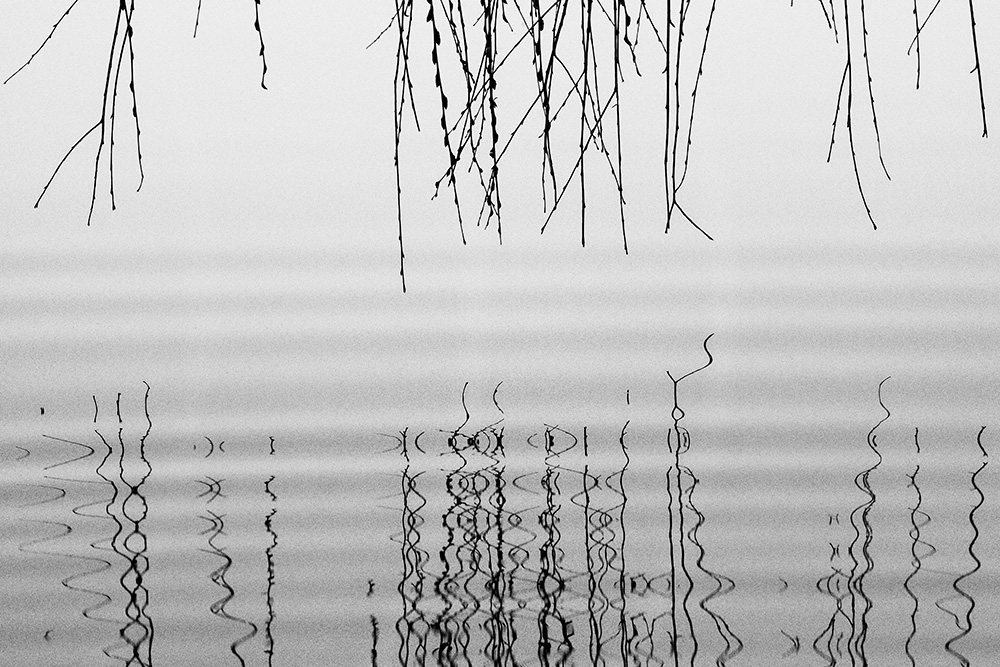
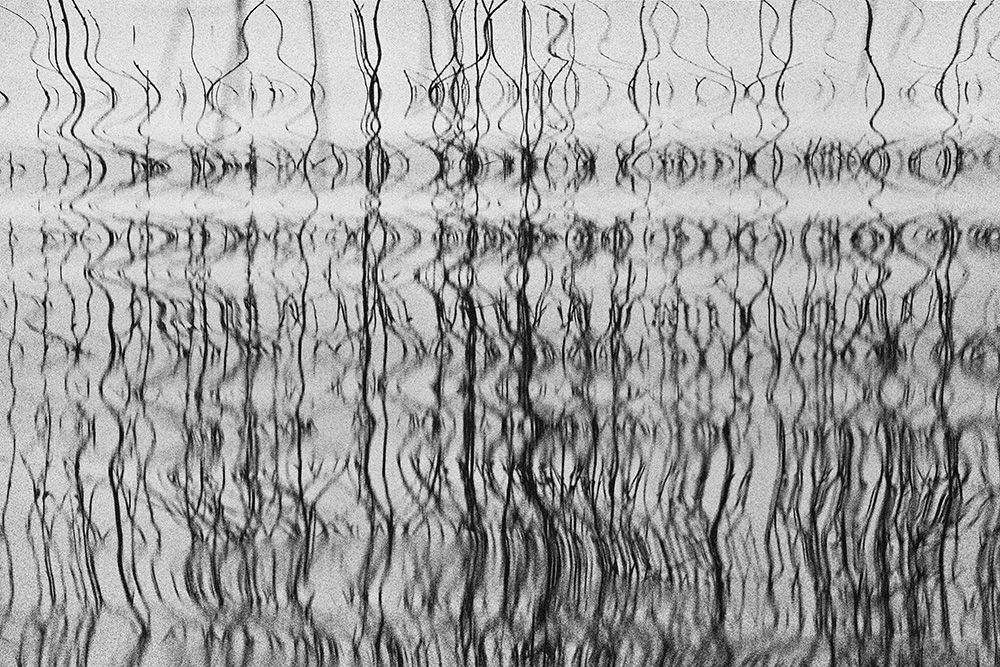
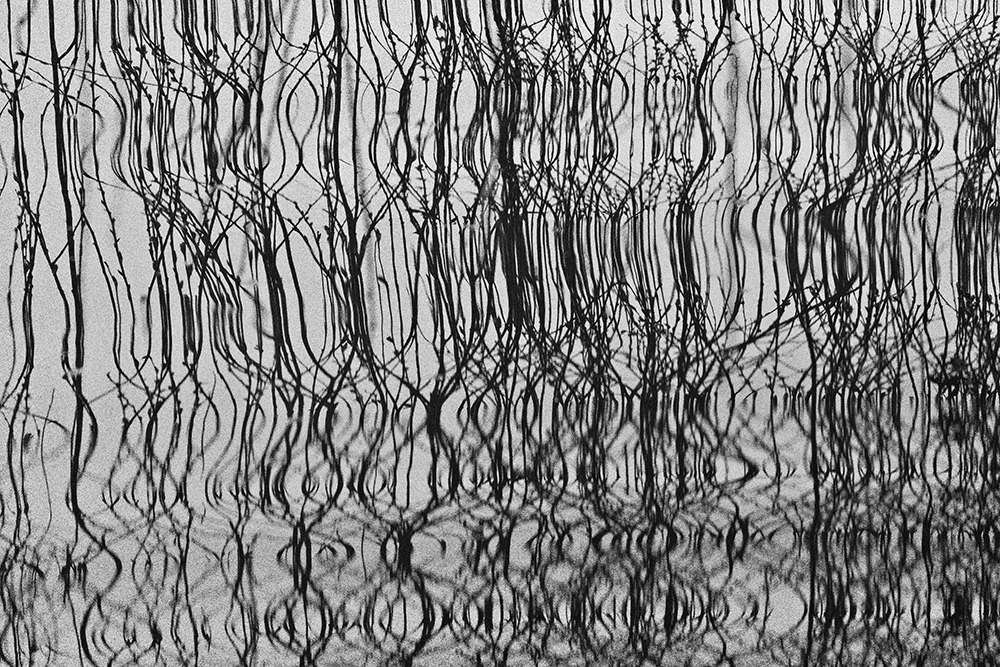
오랫동안 한강의 물을 가까이에서 바라보았다. 멀리서 보면 하나의 강이지만, 가까이 다가가면 물은 한 번도 같은 모습을 보이지 않는다. 바람이 불면 수면이 일고, 빛이 비치면 반짝이며, 하늘과 주변의 색을 받아 끊임없이 다른 색으로 변한다. 맑은 날에는 푸른빛을 띠고, 여명에는 옅은 하늘색으로 물들며, 노을이 지면 붉게 타오른다. 홍수가 나면 갈색으로 흐르고 흐린 날에는 회색과 검은색 사이를 오간다.
어느 순간 물의 표면을 피부처럼 느끼기 시작했다. 물의 표면이 피부라면 그 아래에는 살과 뼈가 있고, 보이지 않는 곳에서 피가 흐르듯 물길이 흐른다. 그 흐름이 영양을 나르듯 강은 주변의 생명들을 키워낸다. 가까이에서 수면을 오래 바라보고 나서야 비로소 강을 하나의 살아 있는 존재처럼 느끼게 되었다.
서울과 경기, 인천 등 대도시의 수많은 사람은 모두 이 물을 마시고 관계를 이루며 산다. 한국인의 절반이 이 강에 기대어 사는 셈이다. 몇 해 전, 인천의 섬마을에 수돗물이 공급되었다는 소식을 들었다. 시장과 주민들이 수돗가에서 환하게 웃고 있는 사진을 보며 나는 태백산 검룡소에서 시작된 물이 팔당을 거쳐 서해의 외딴섬까지 닿는 그 긴 여정을 상상했다. 단순히 생활이 편해졌다는 사실보다, 만물을 이롭게 하고자 하는 물의 선한 의지가 전해지는 것 같아 적잖은 감동이 밀려왔다.
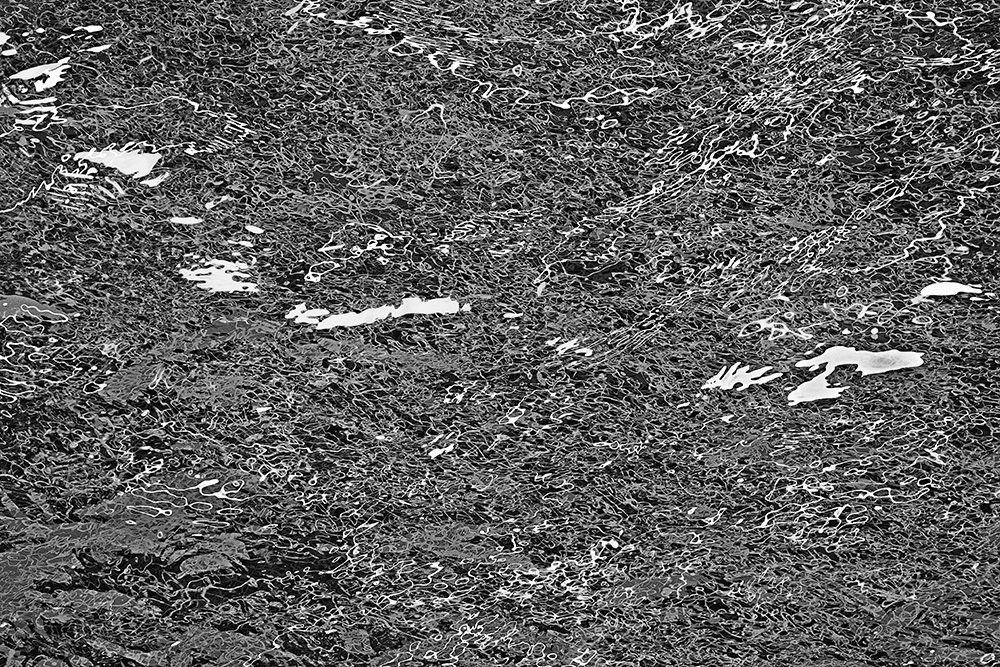
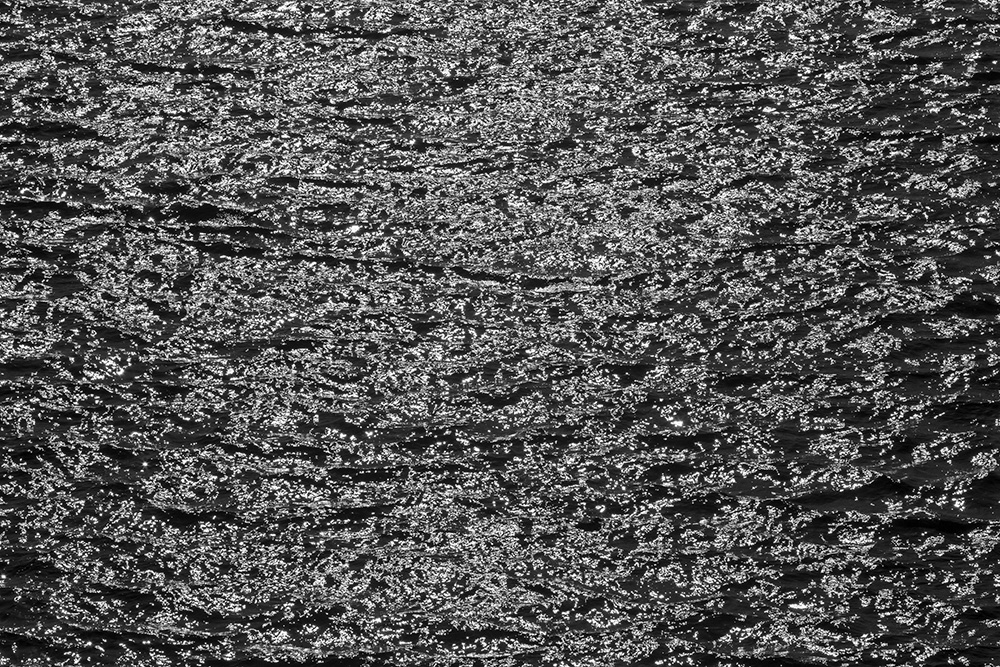
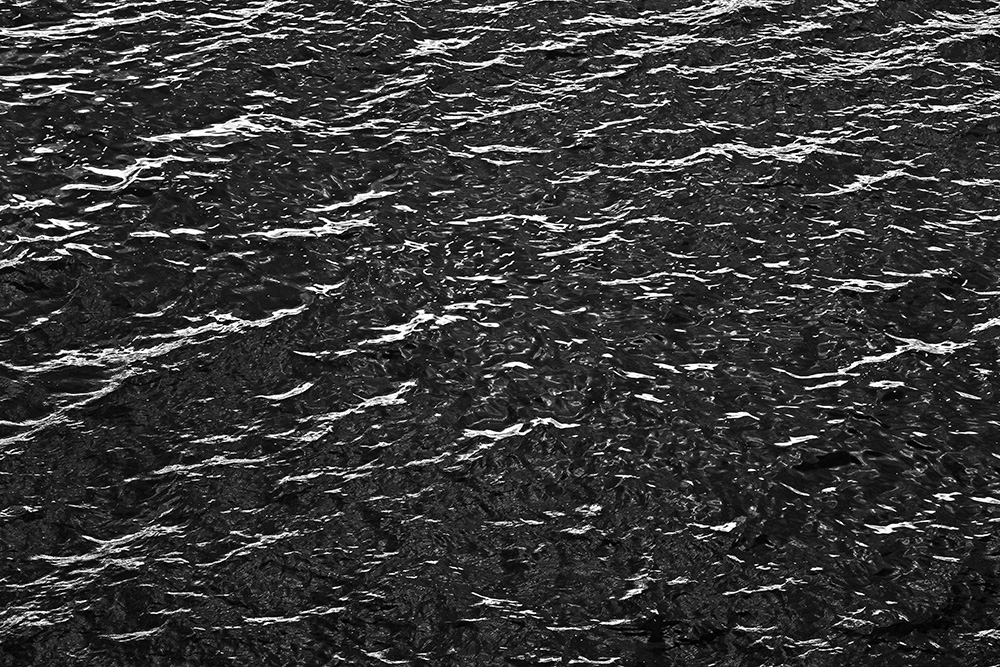
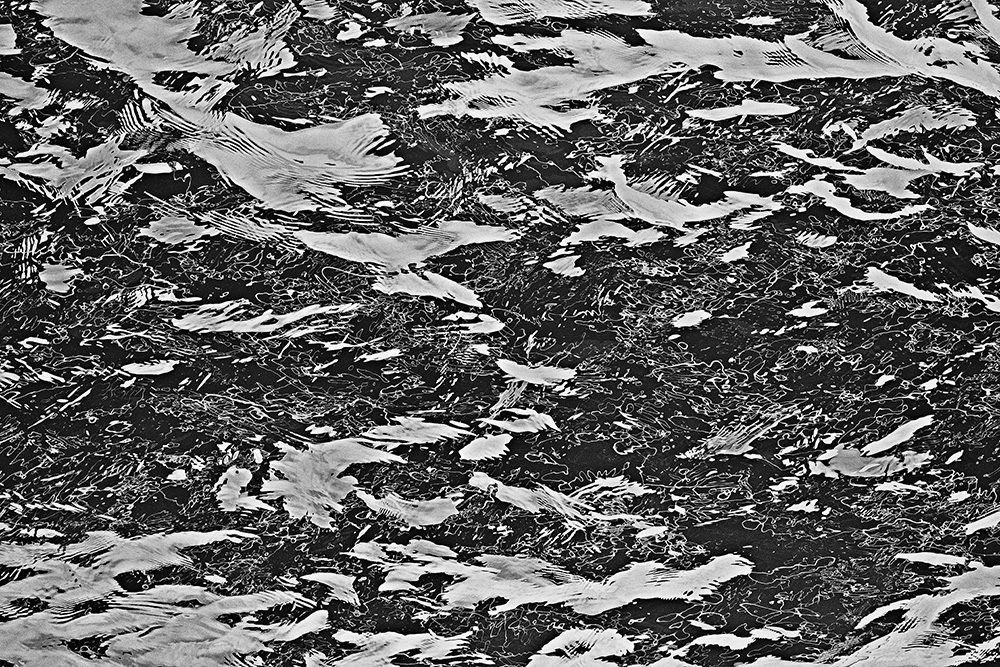
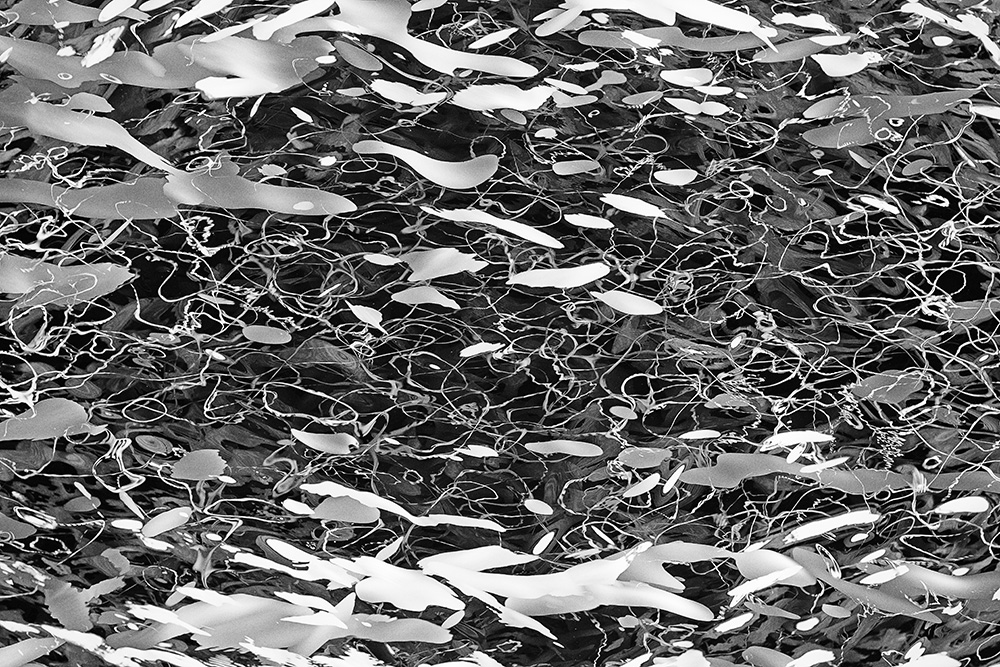
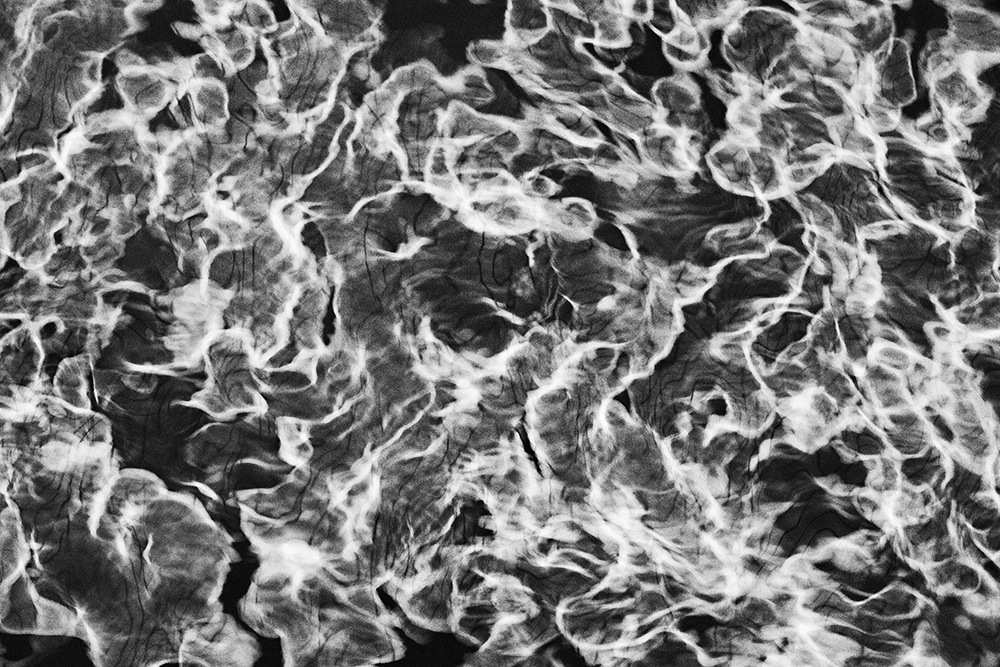
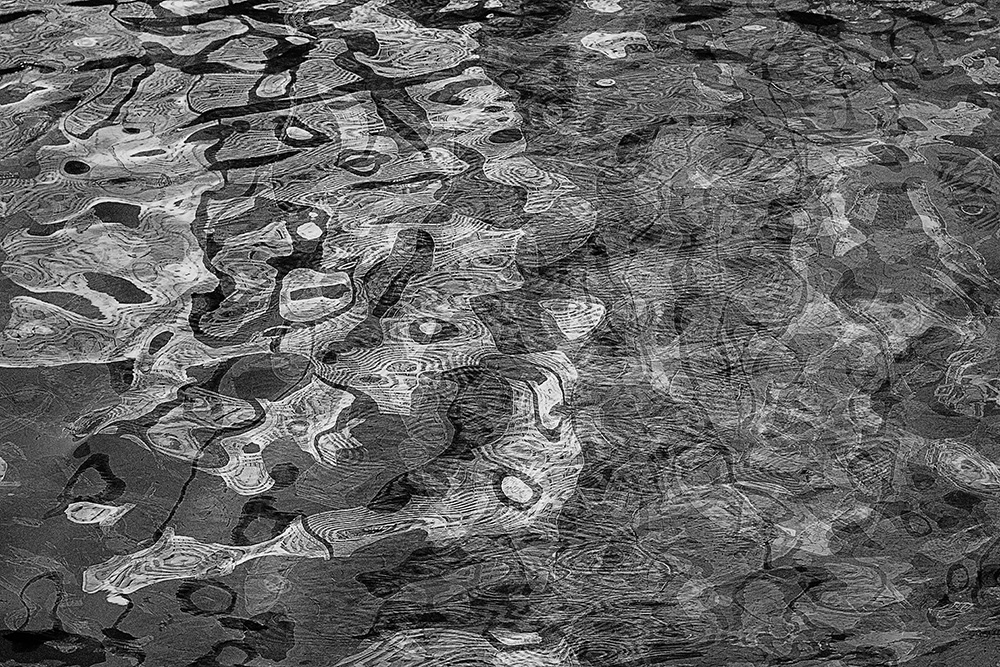
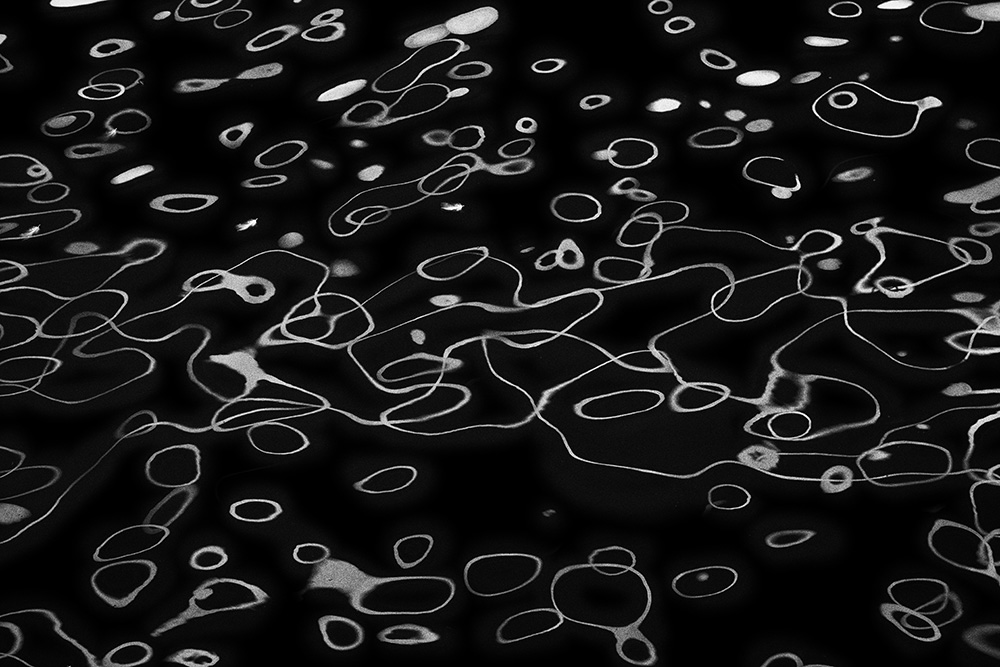
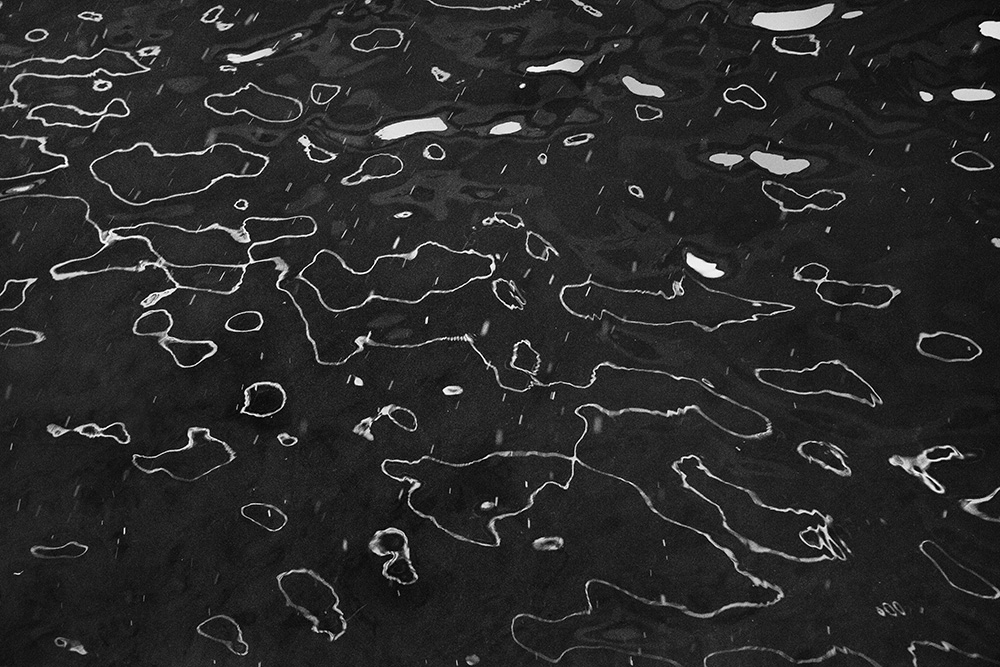
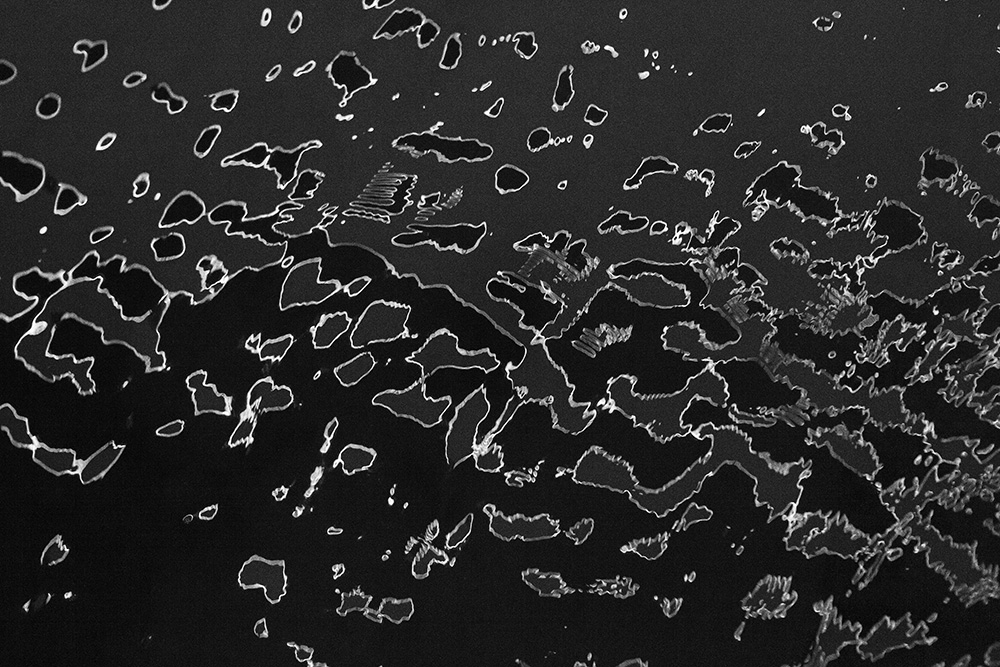
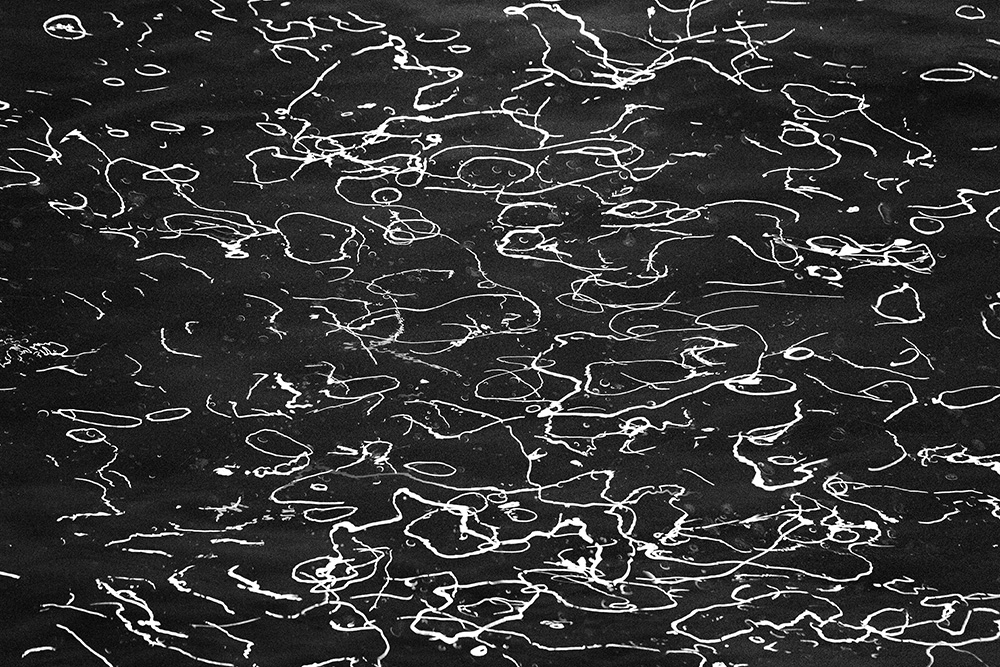
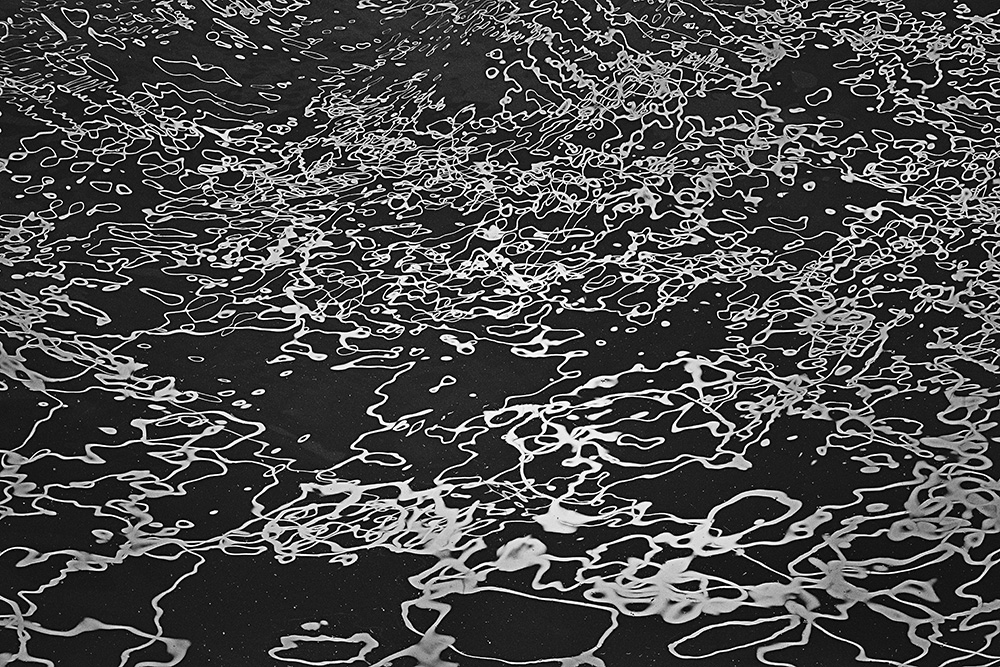
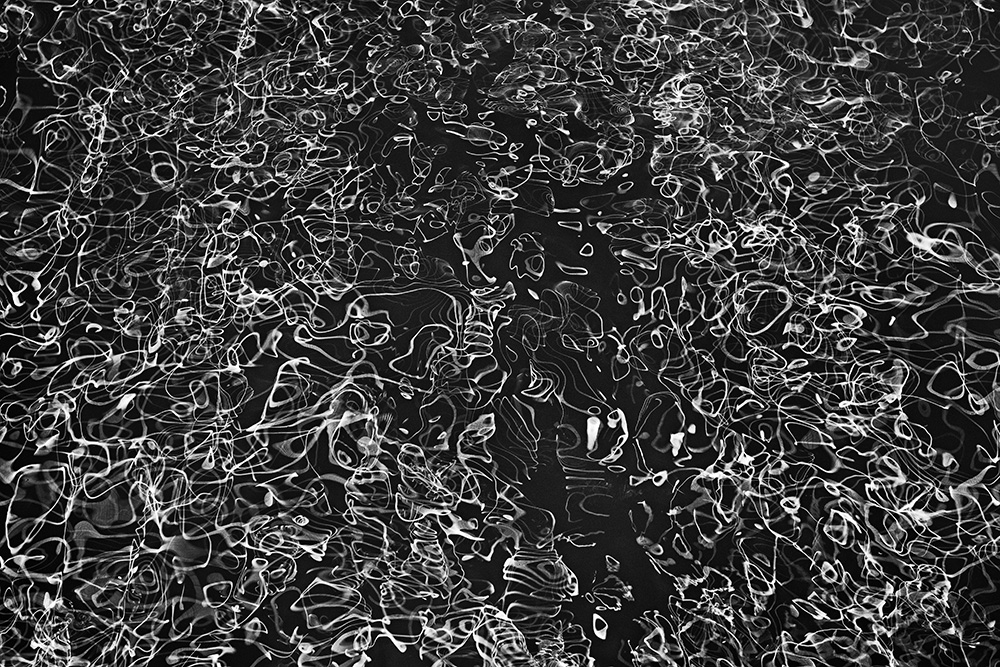
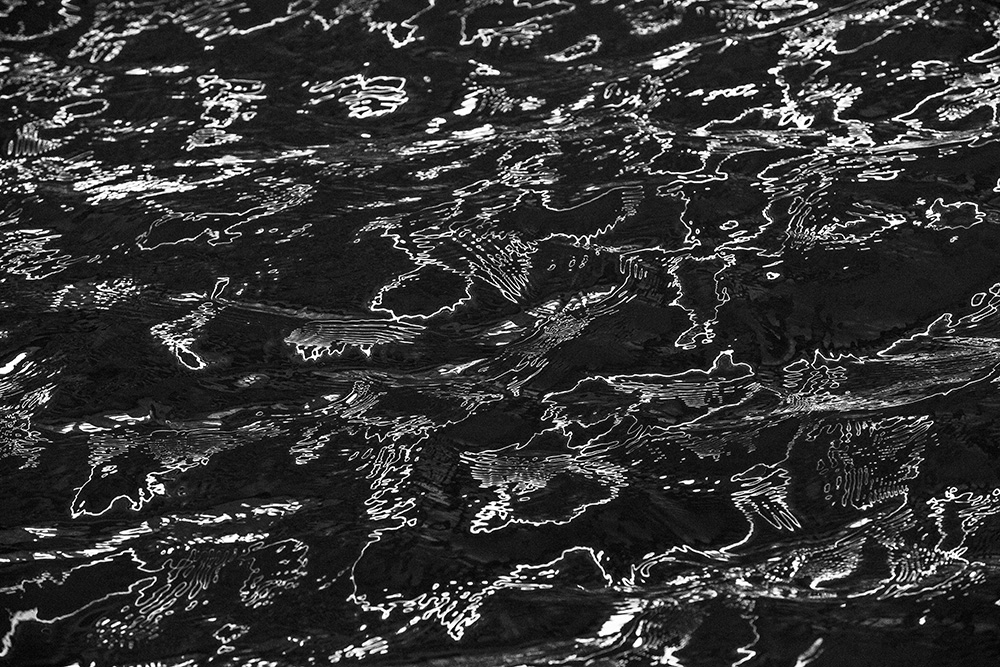
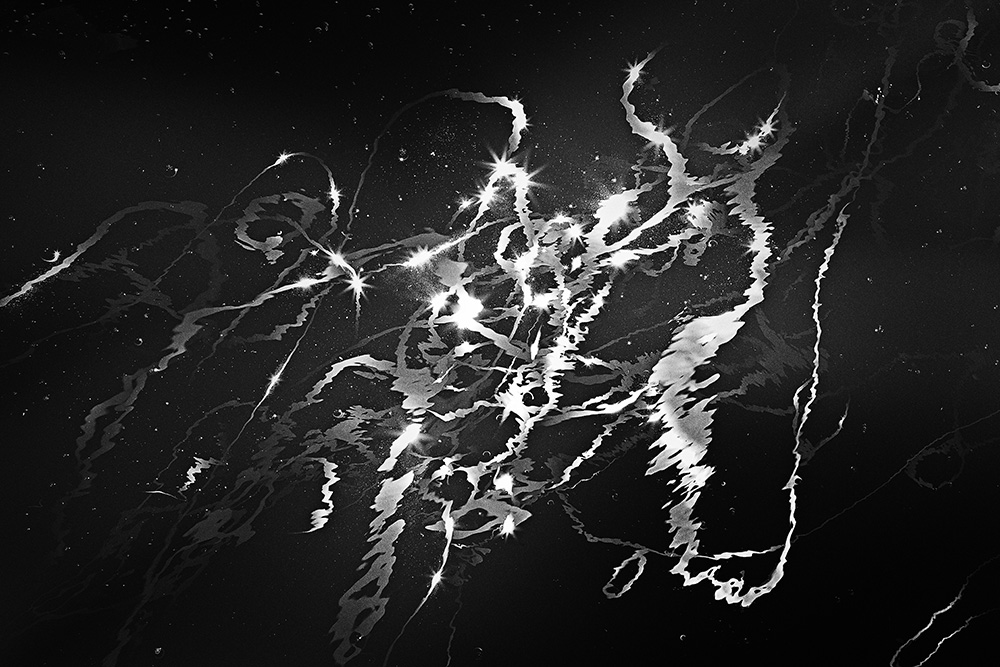
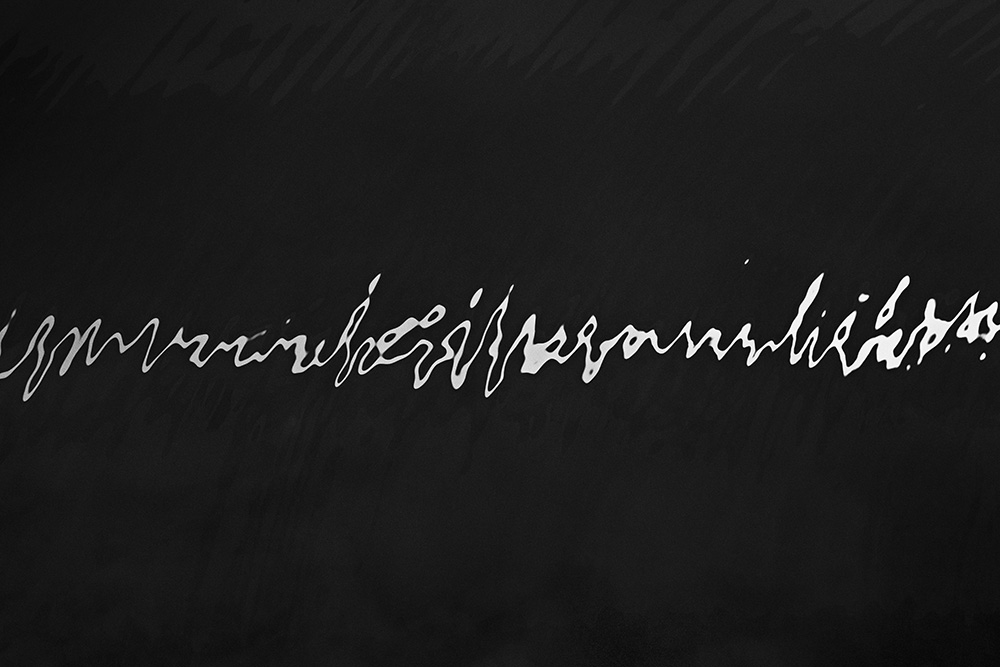
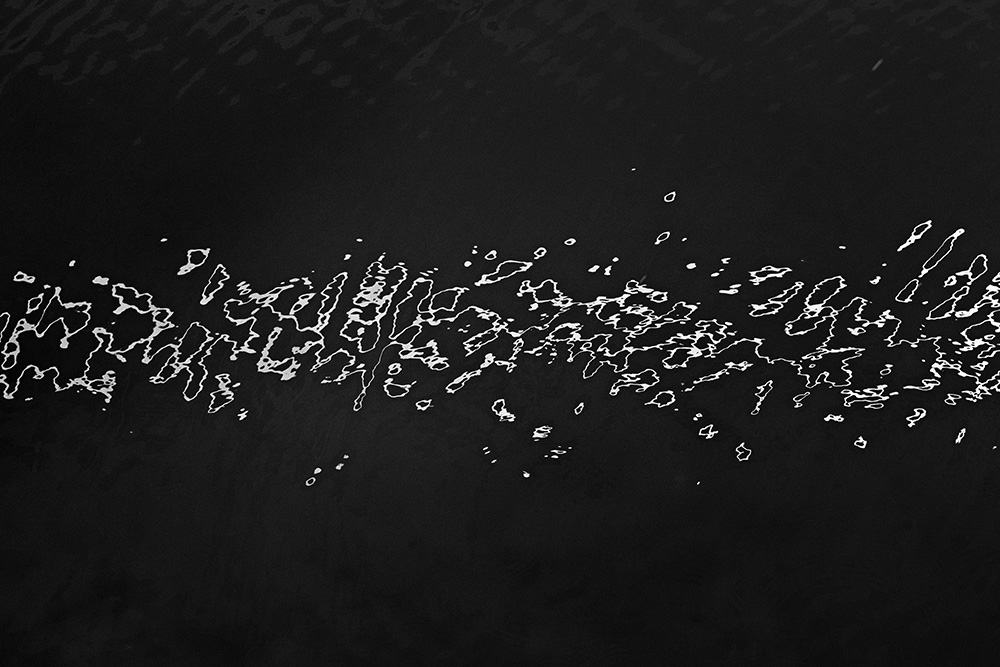
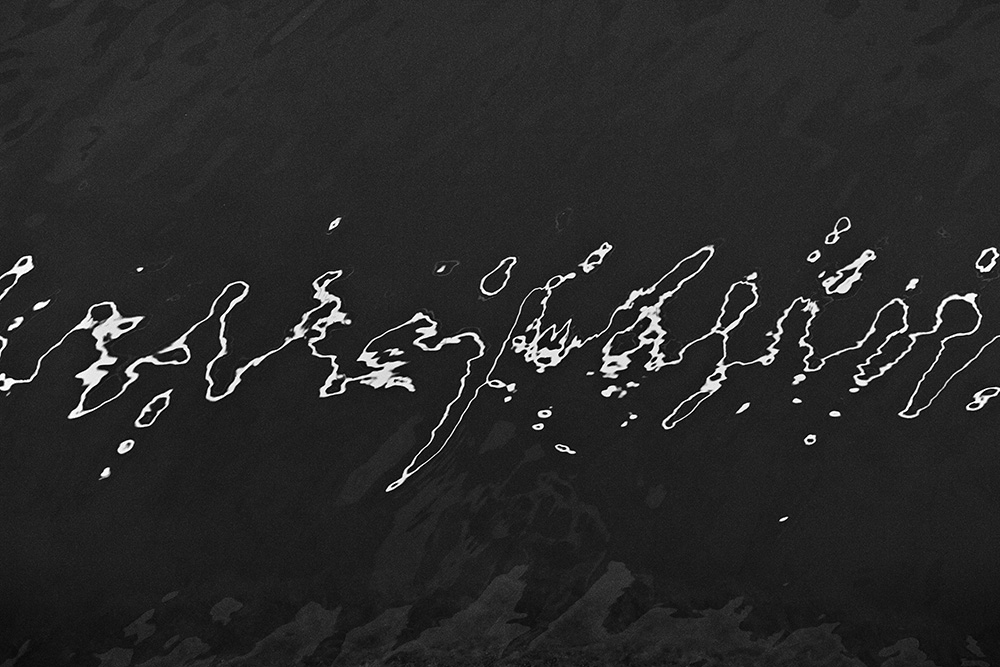
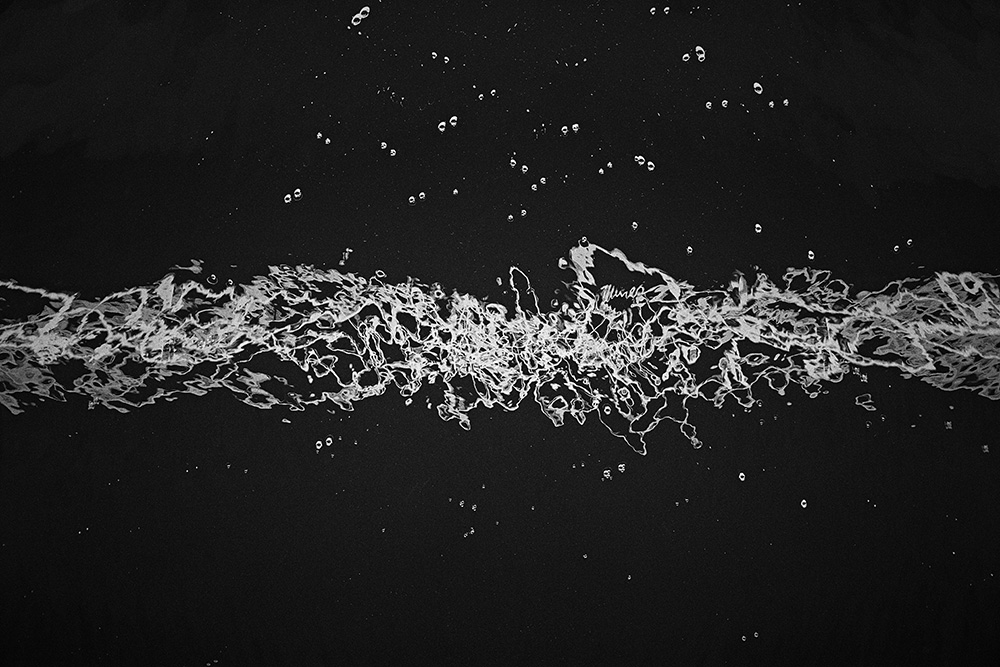
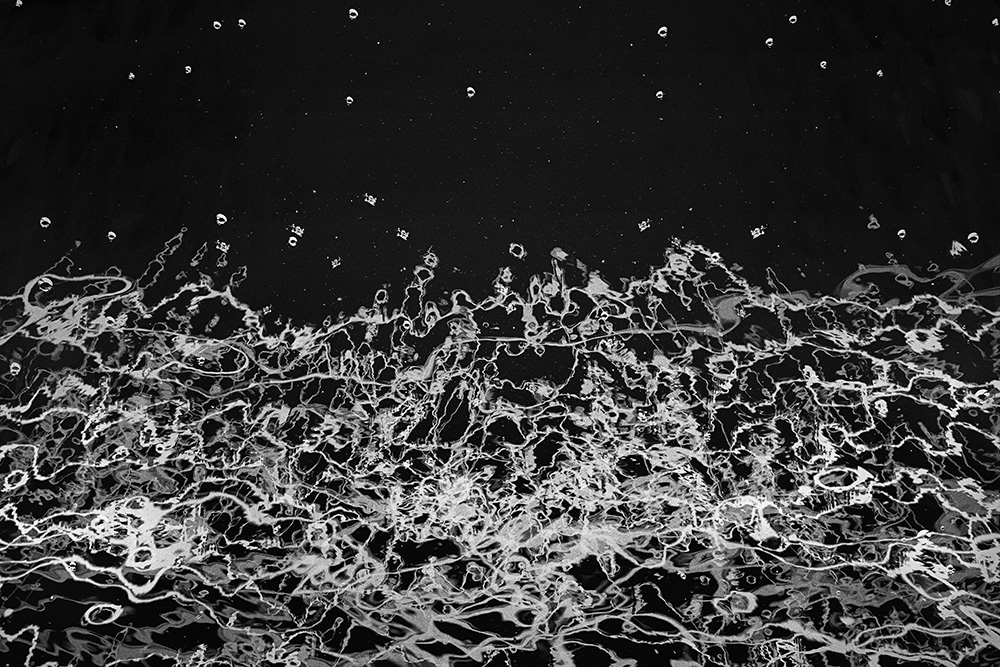
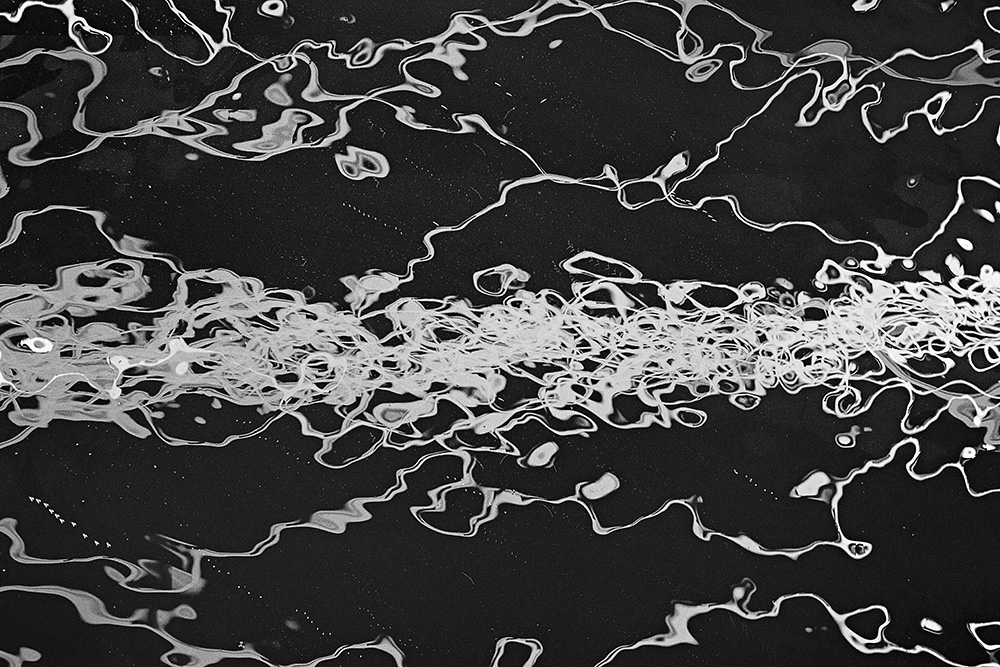
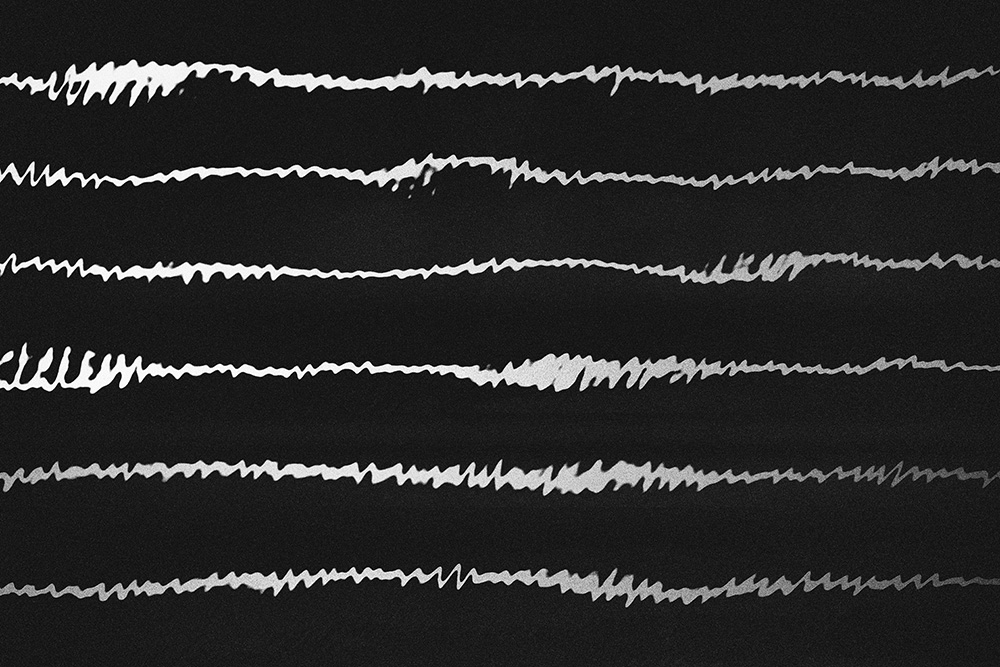
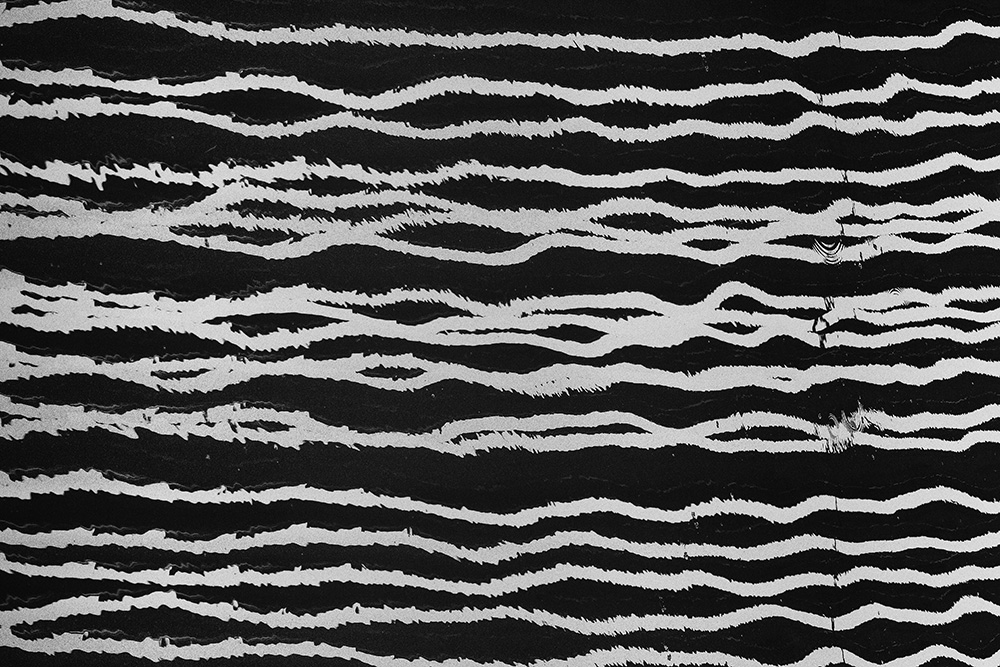
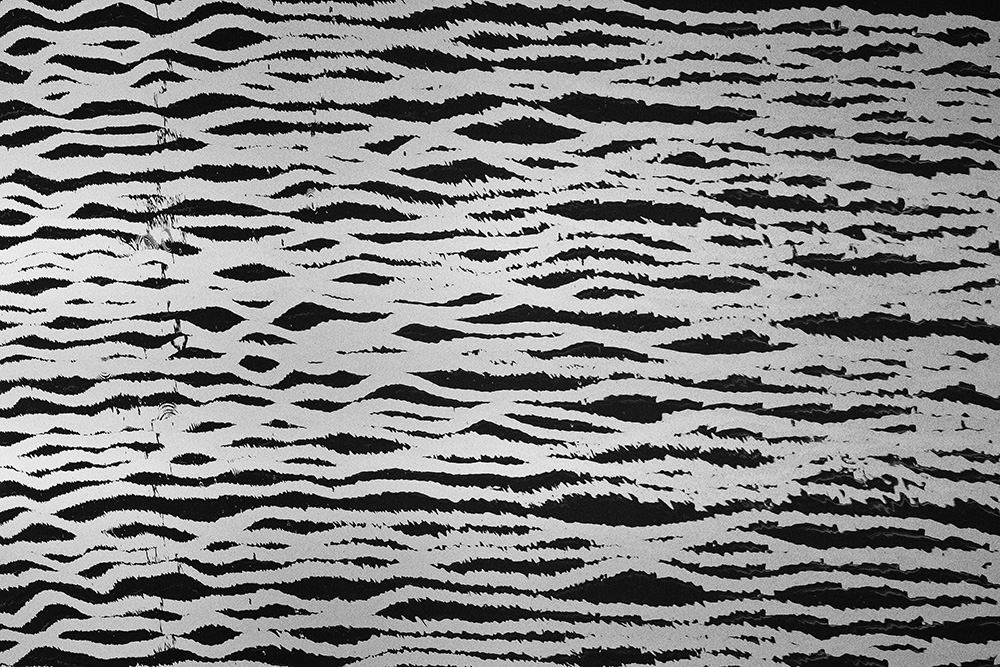
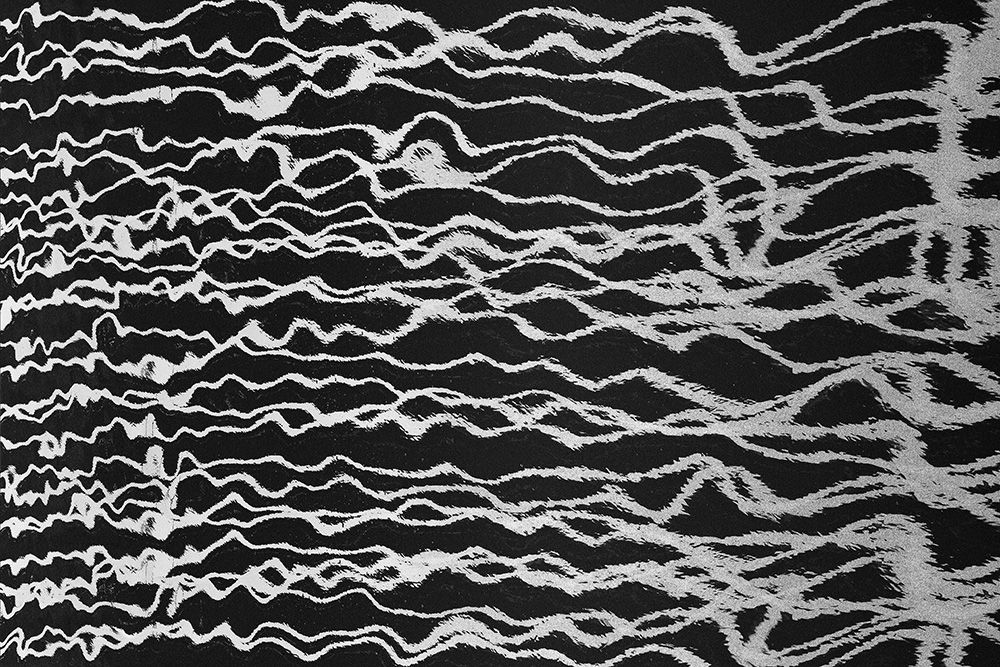
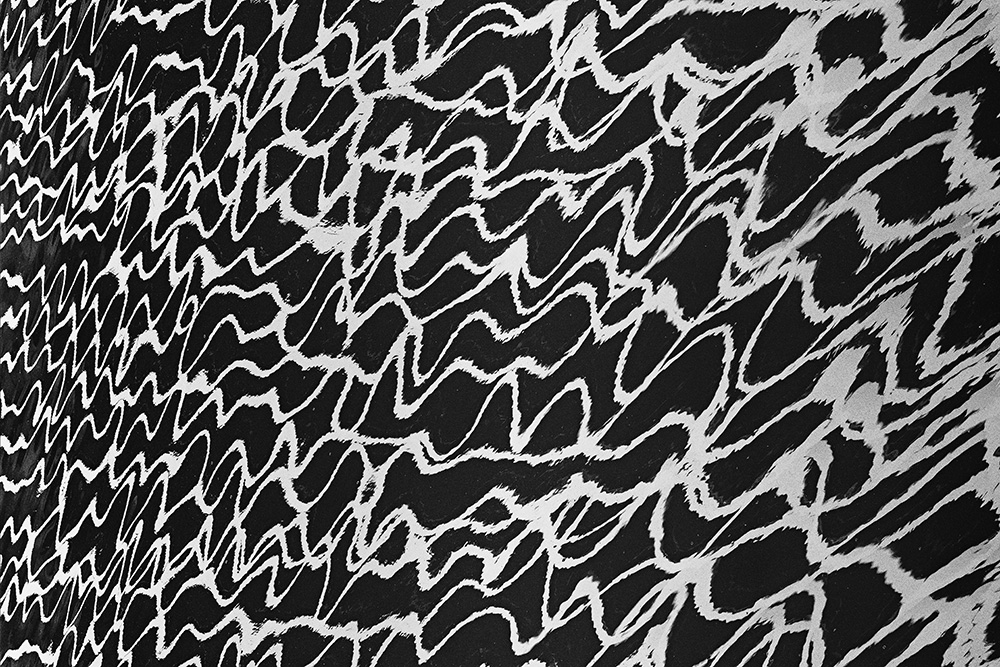
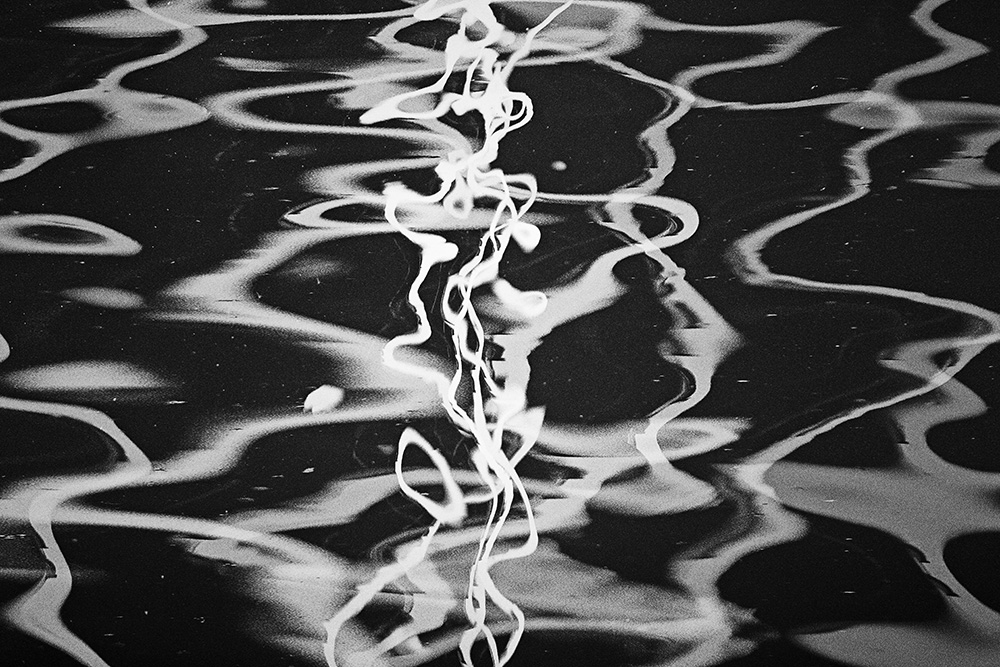
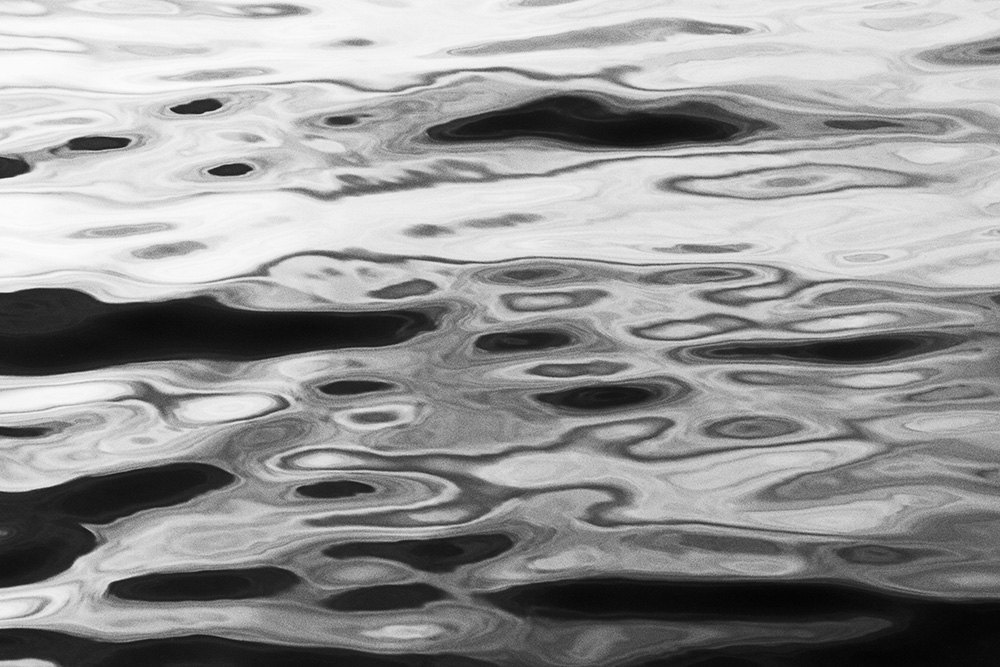
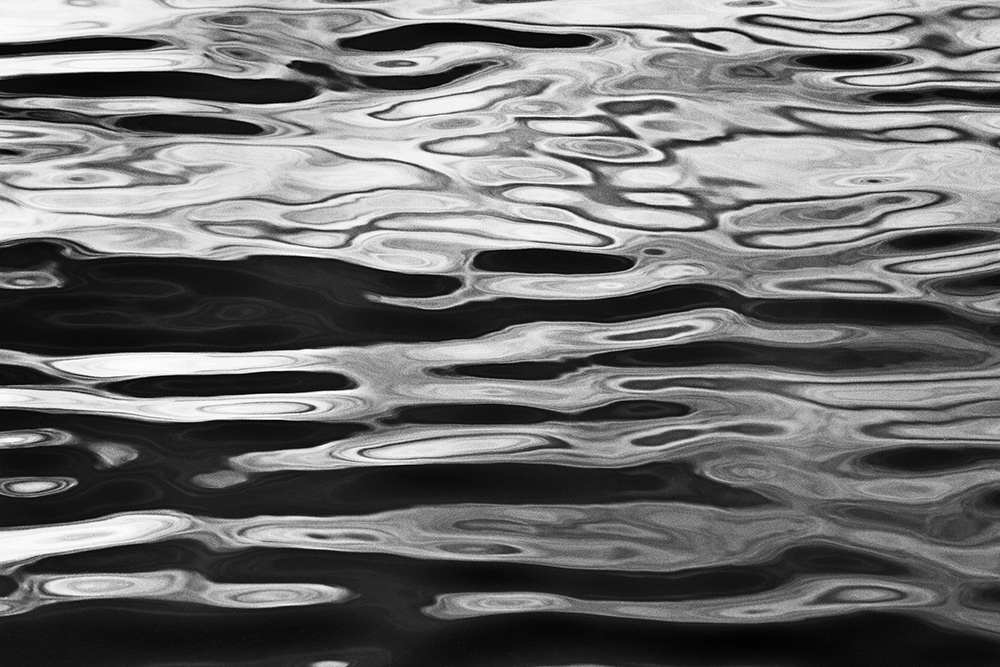
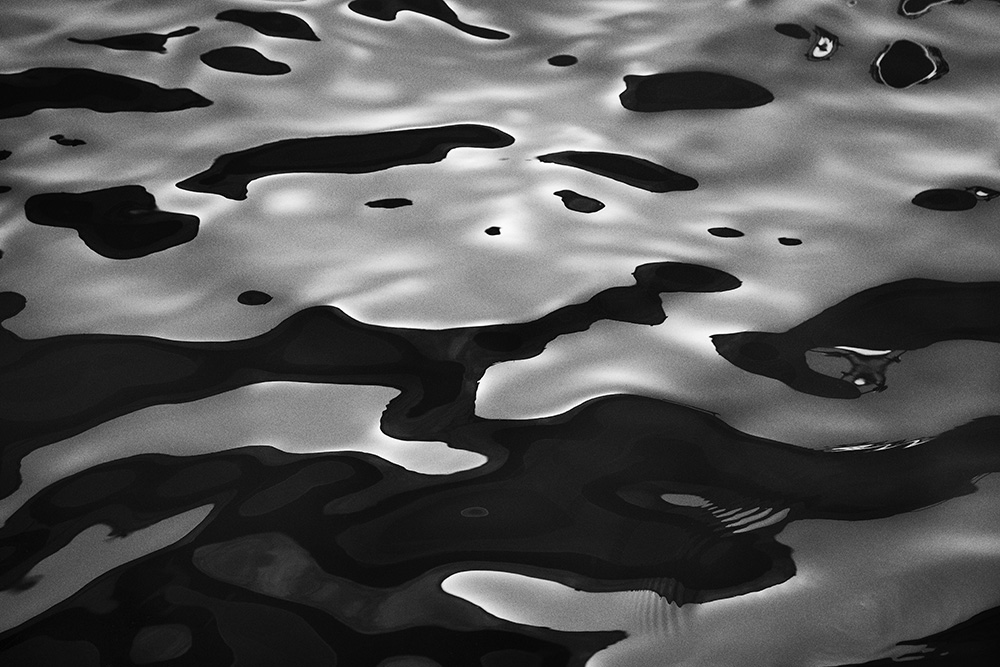
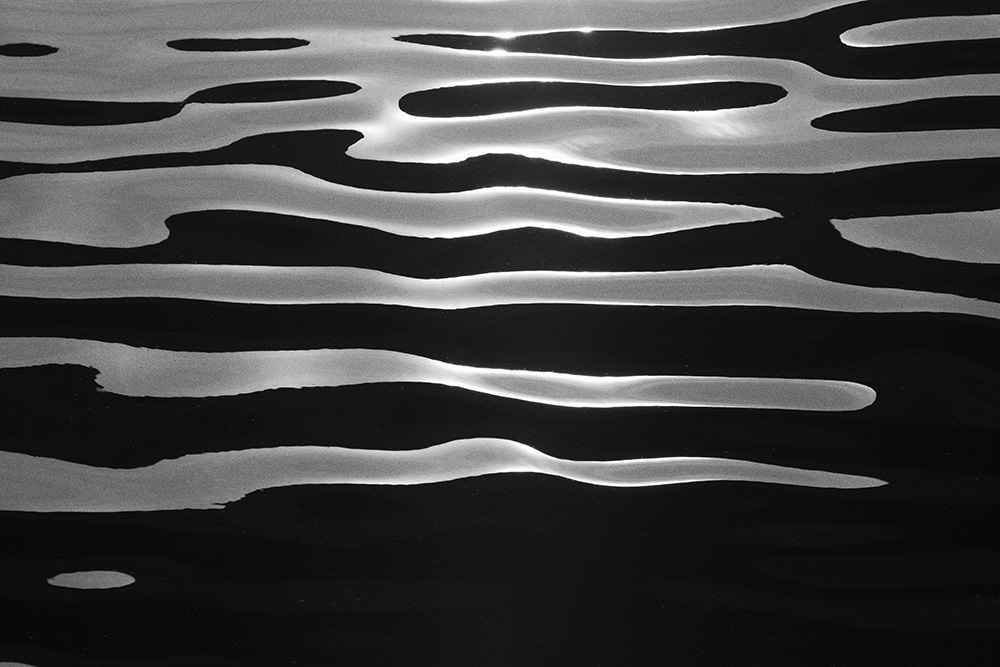
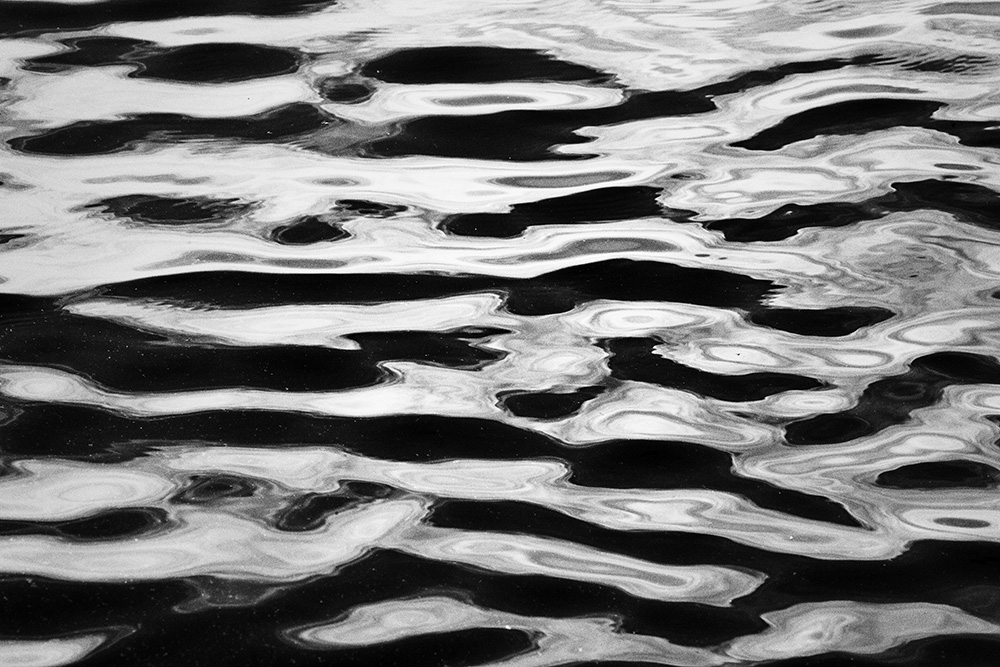
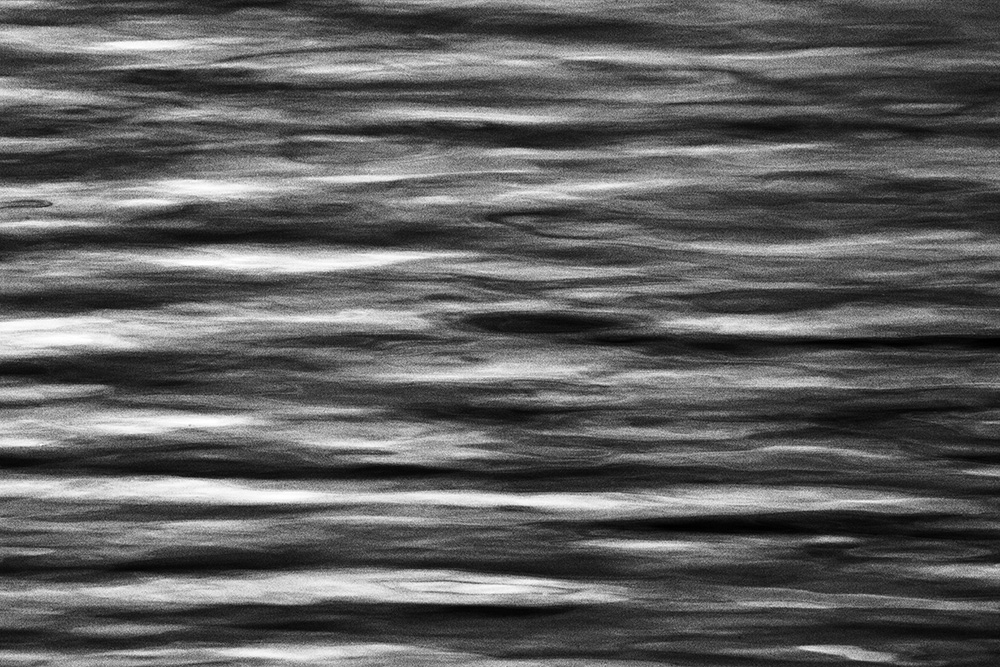
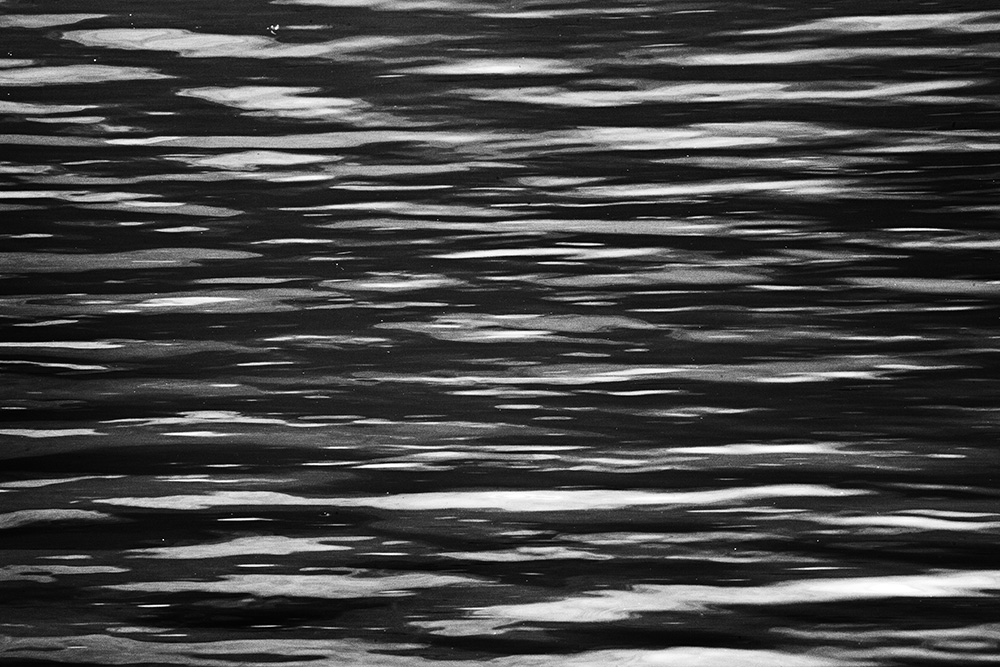
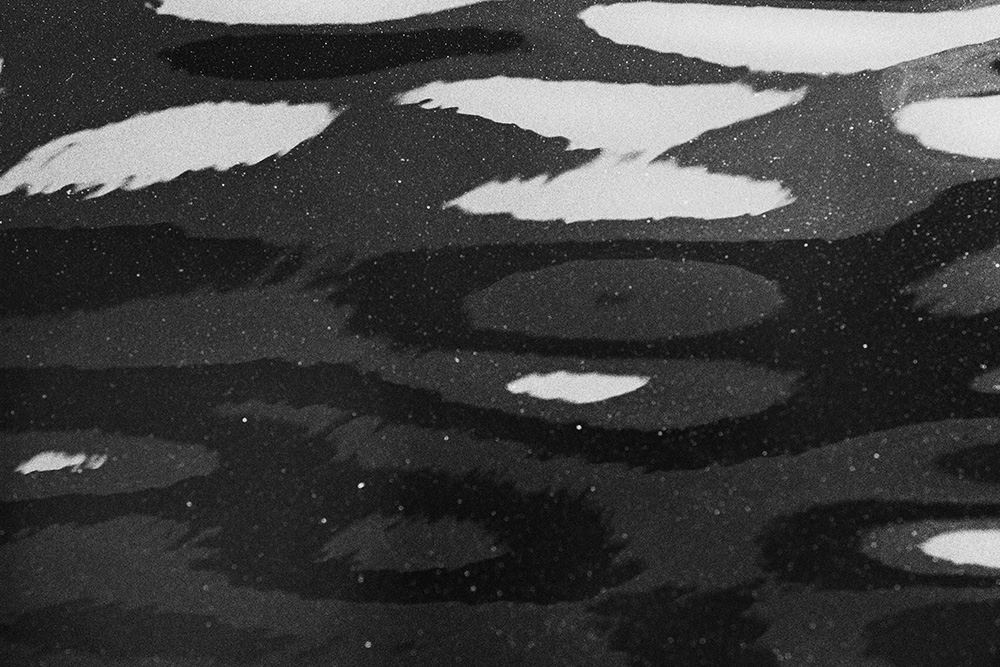
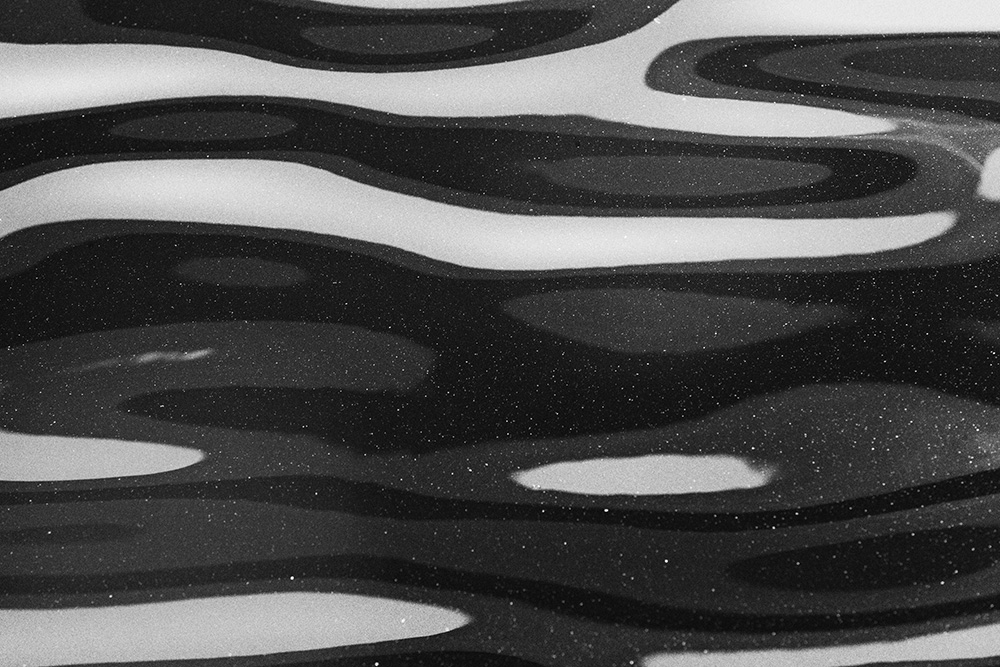
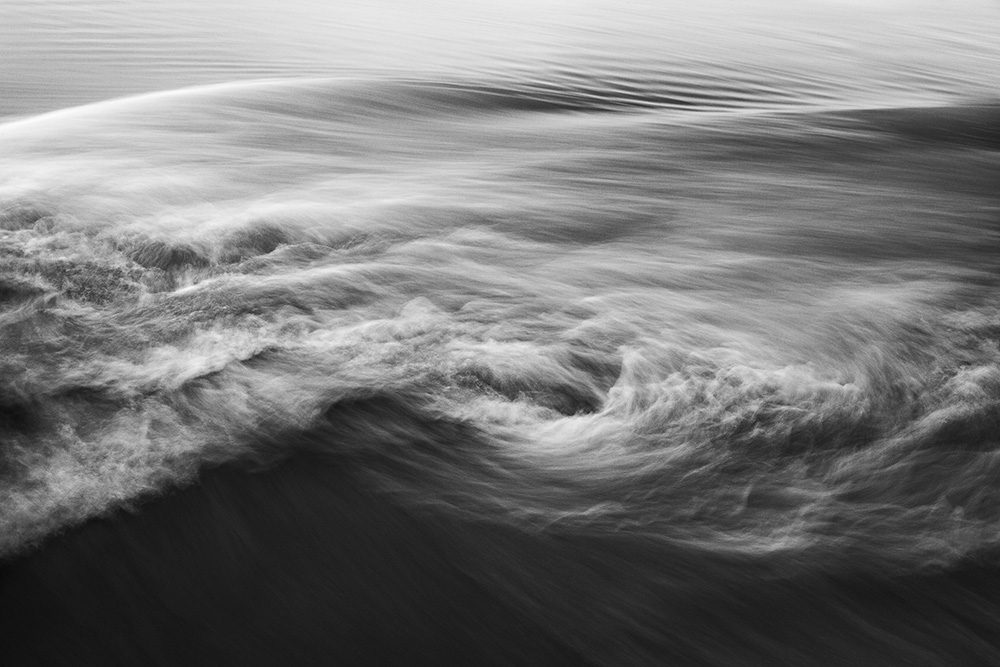
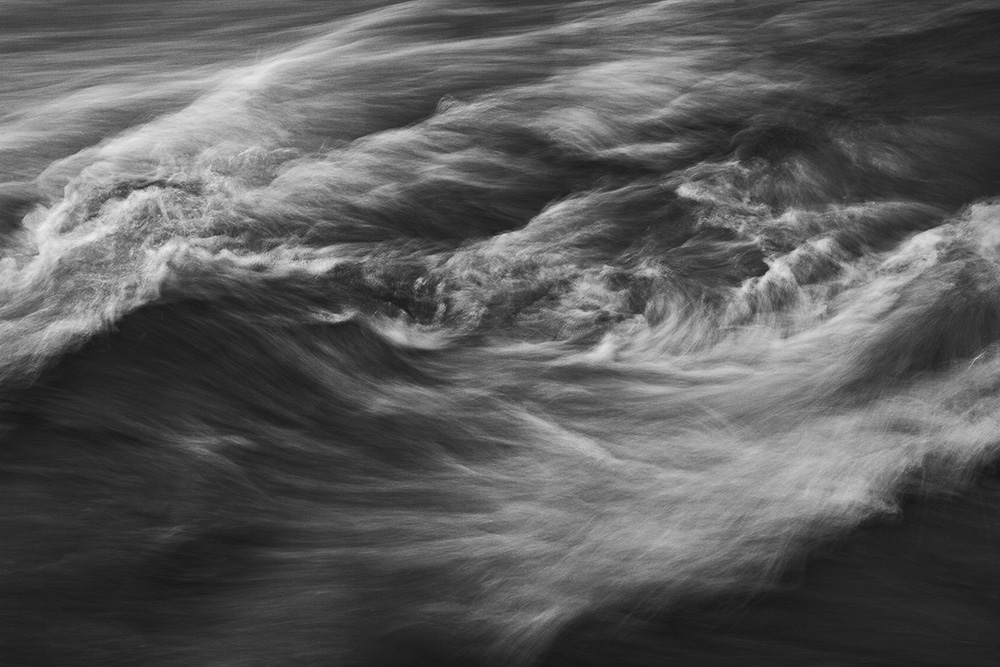
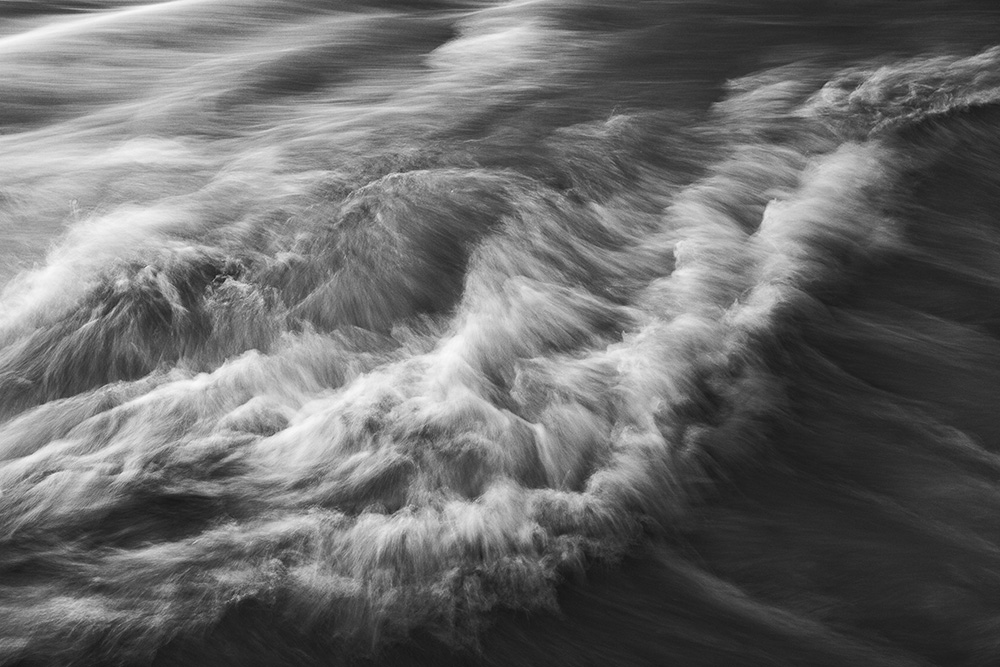
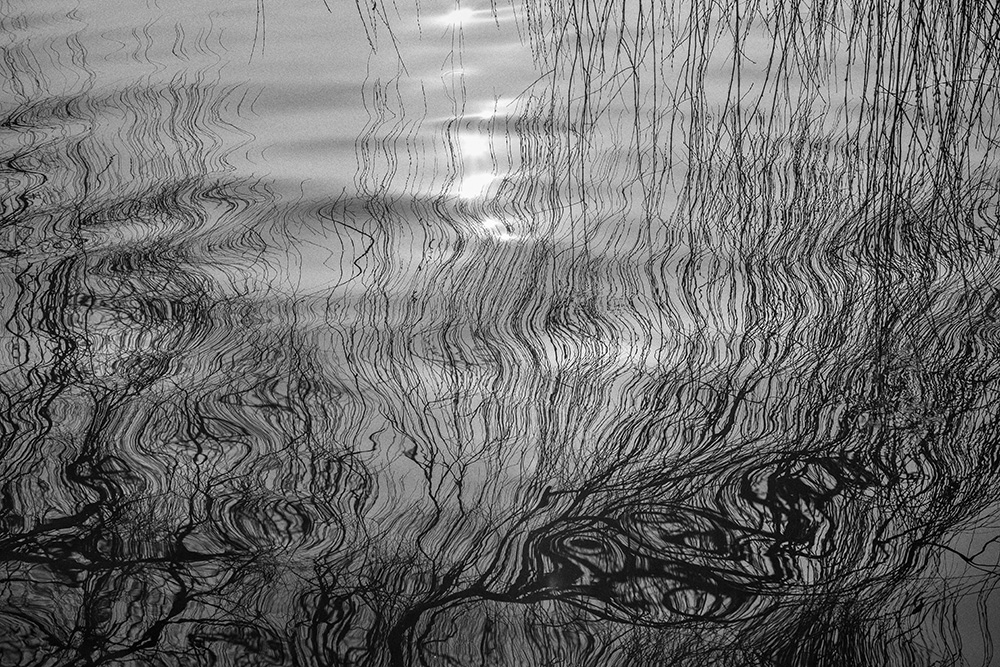
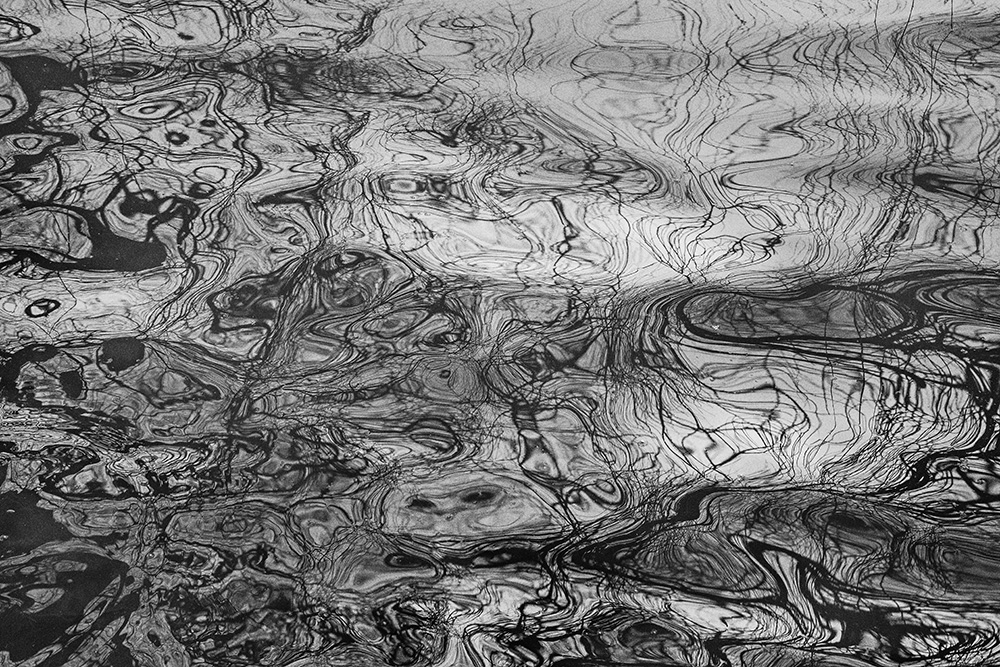
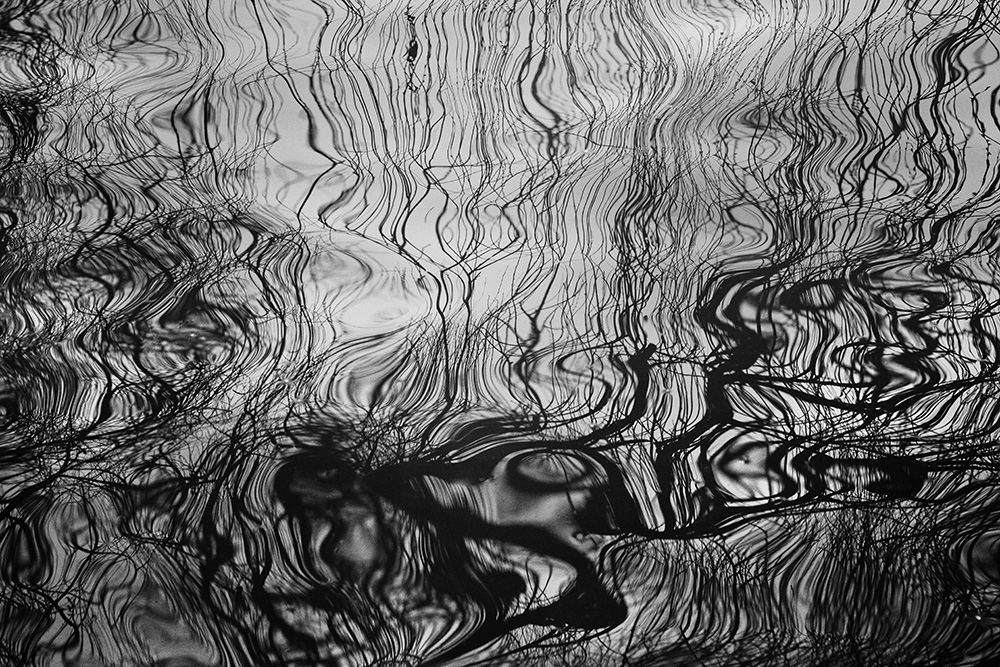
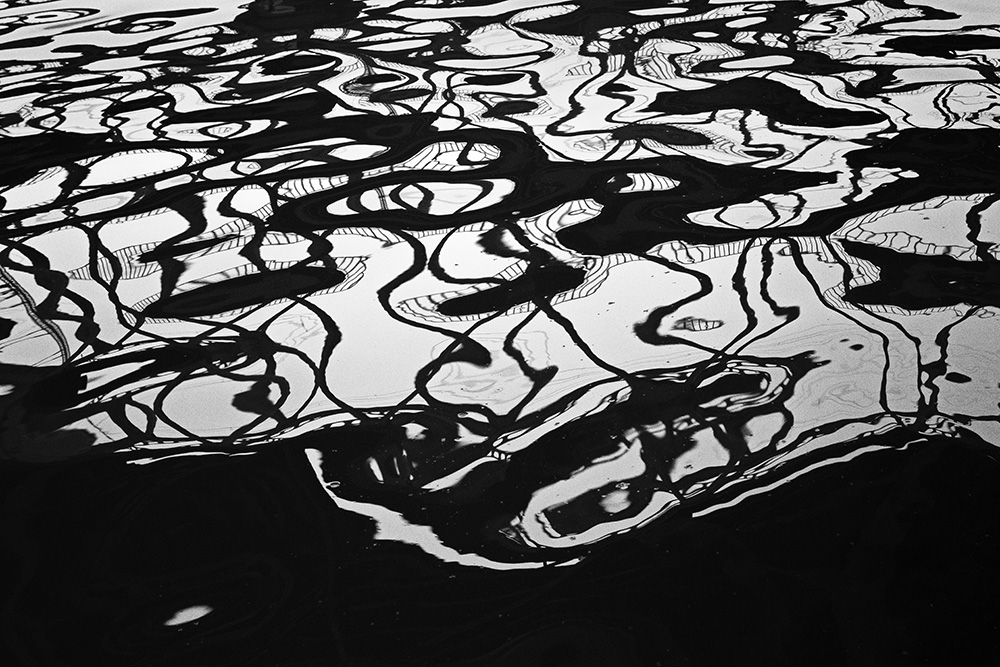
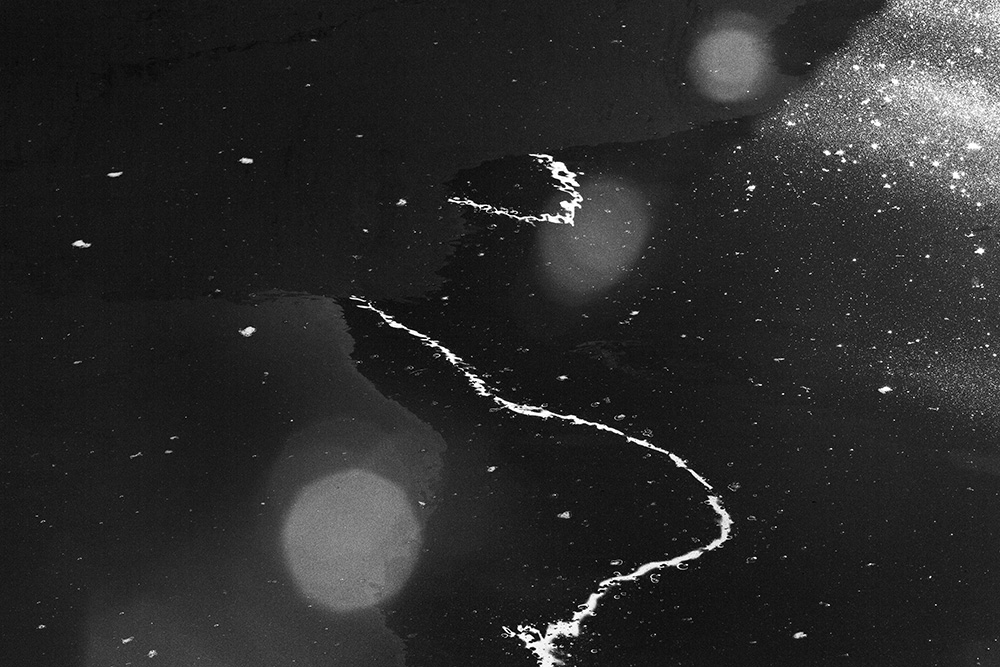
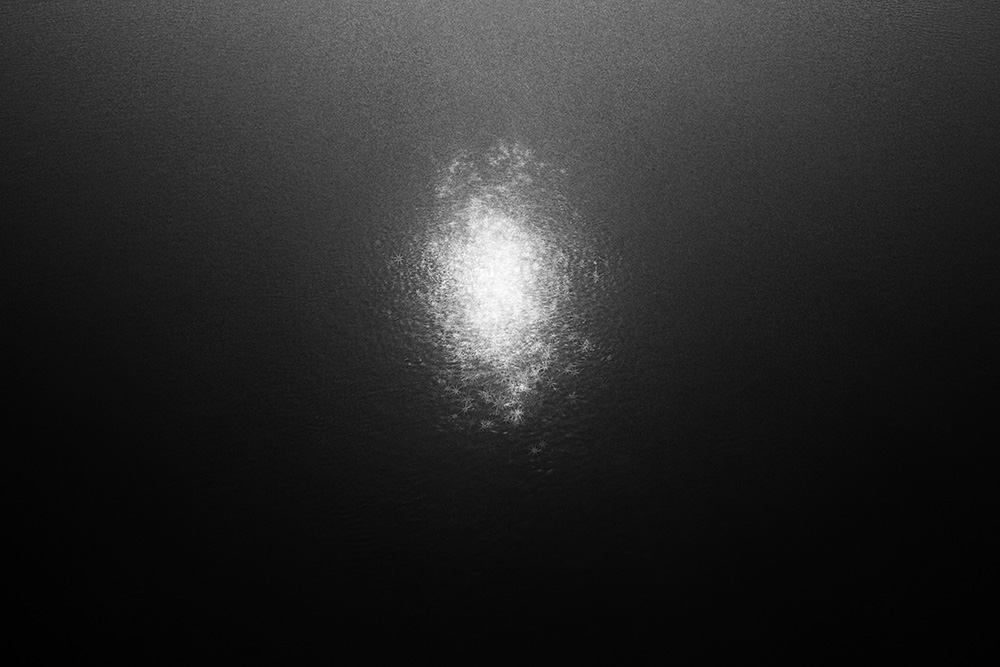
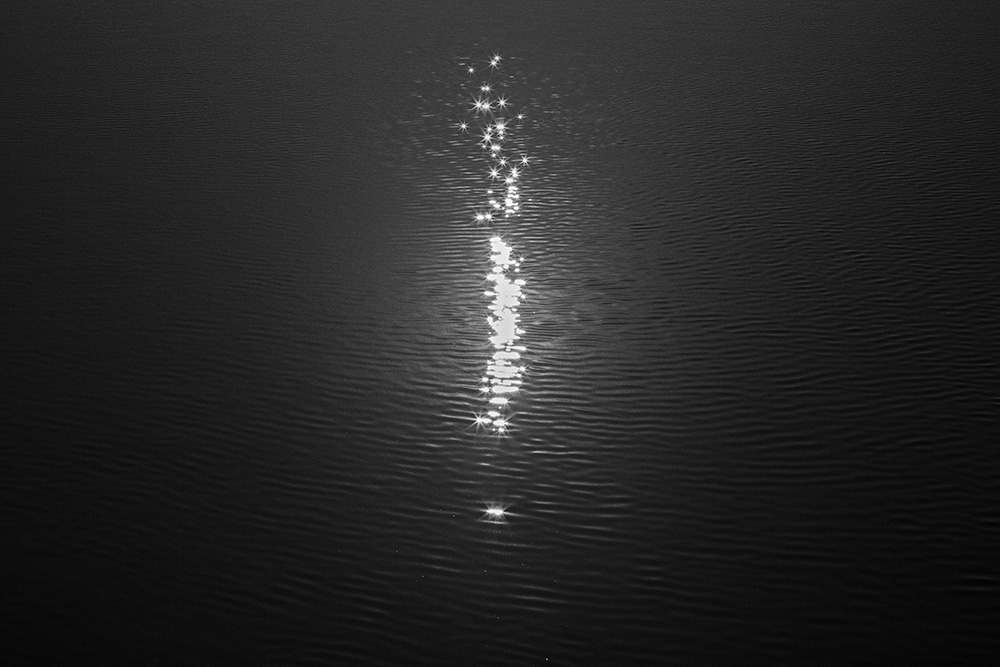
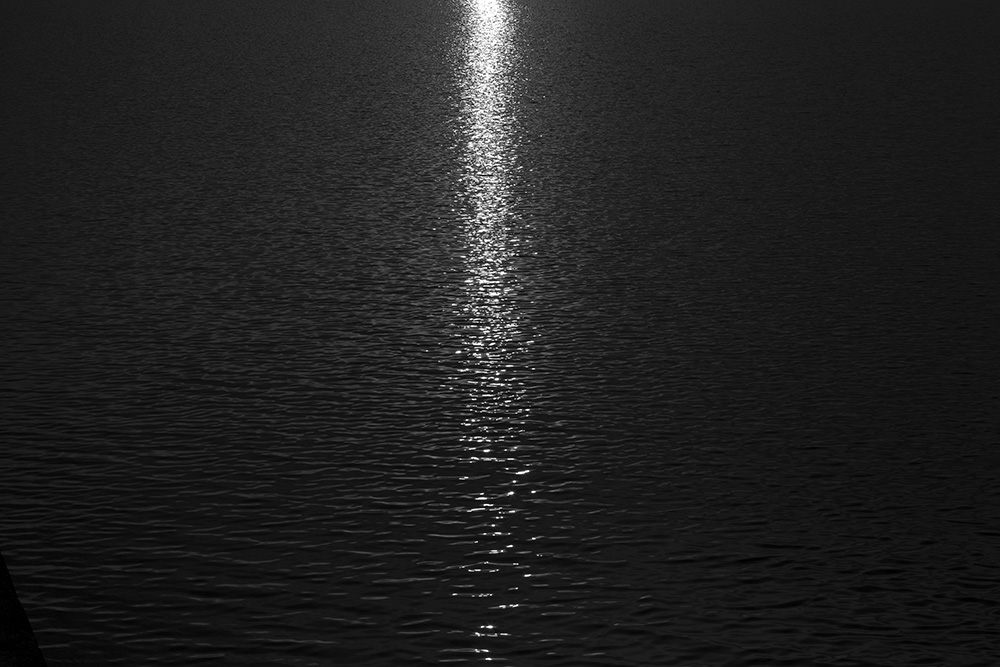
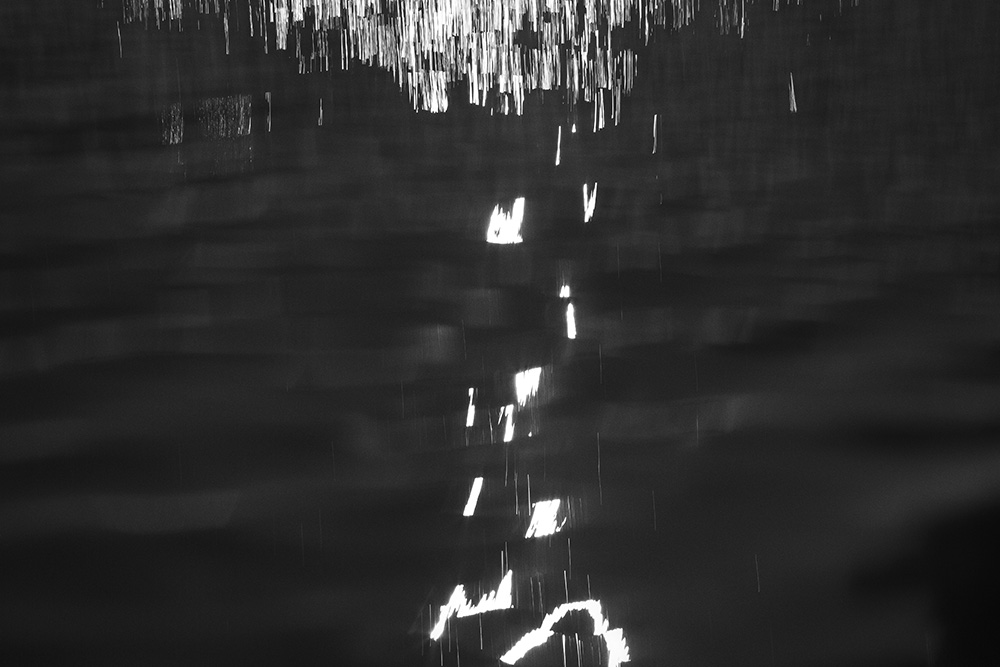
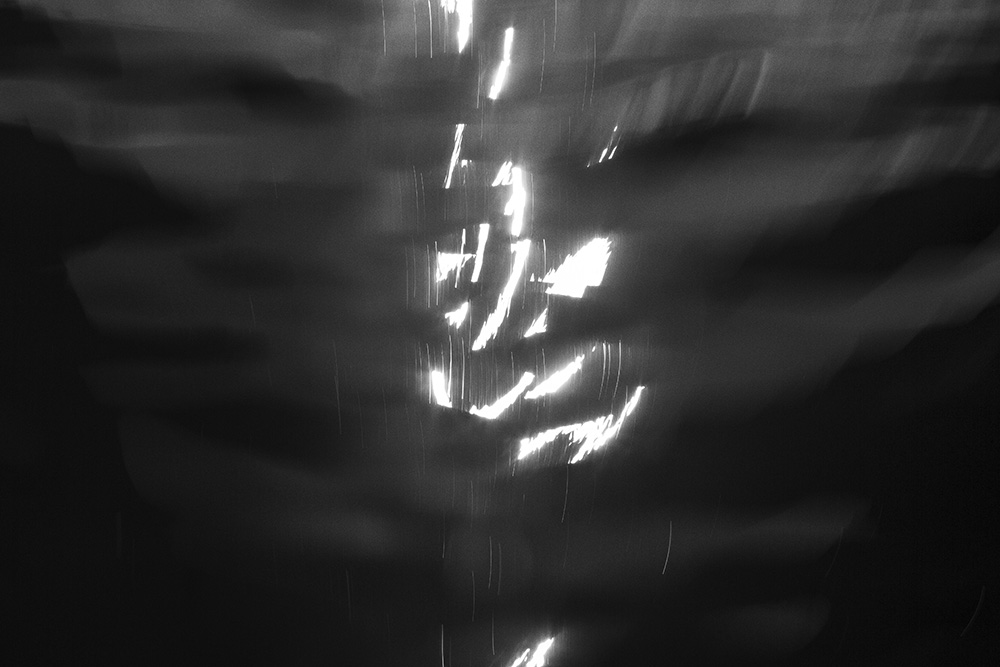
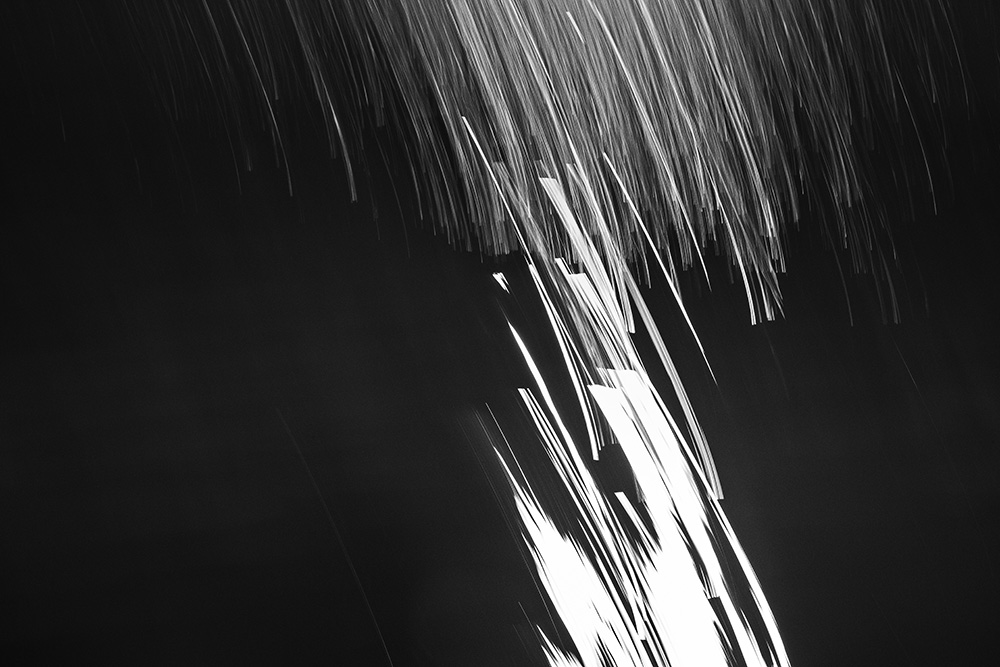
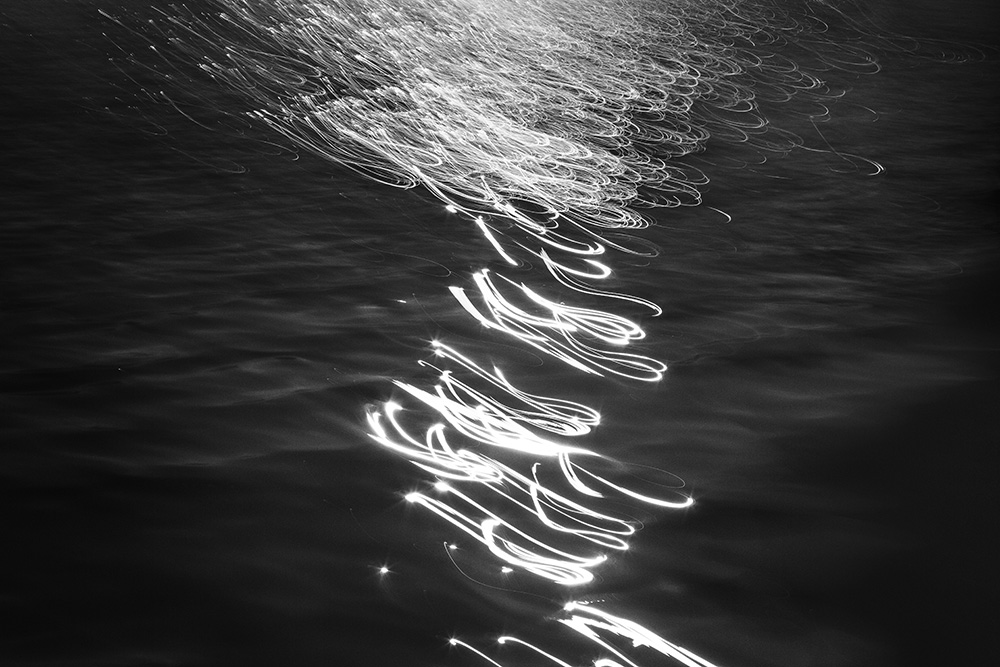
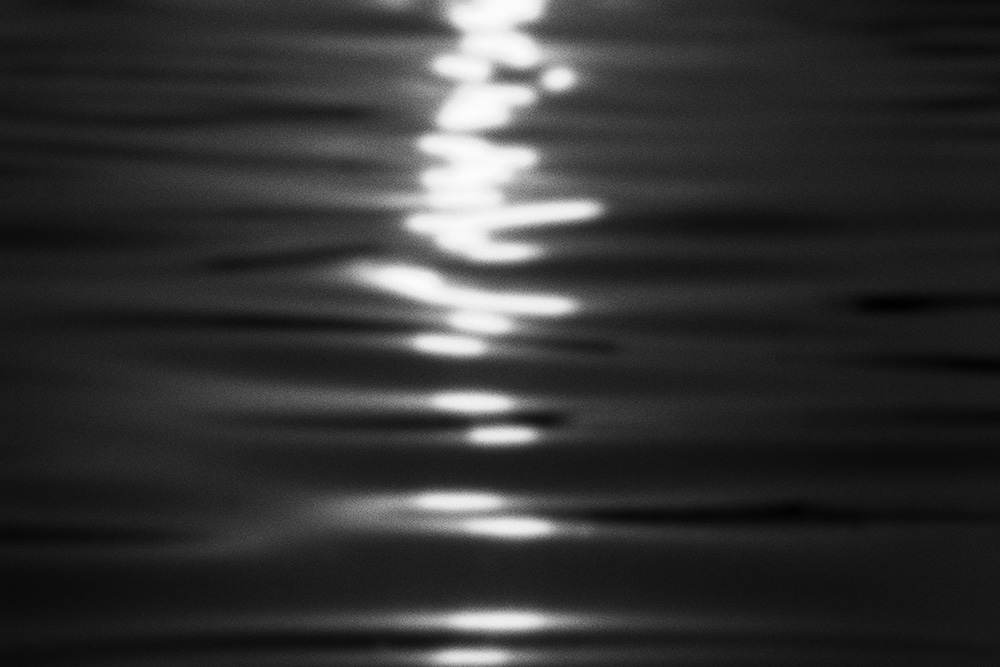
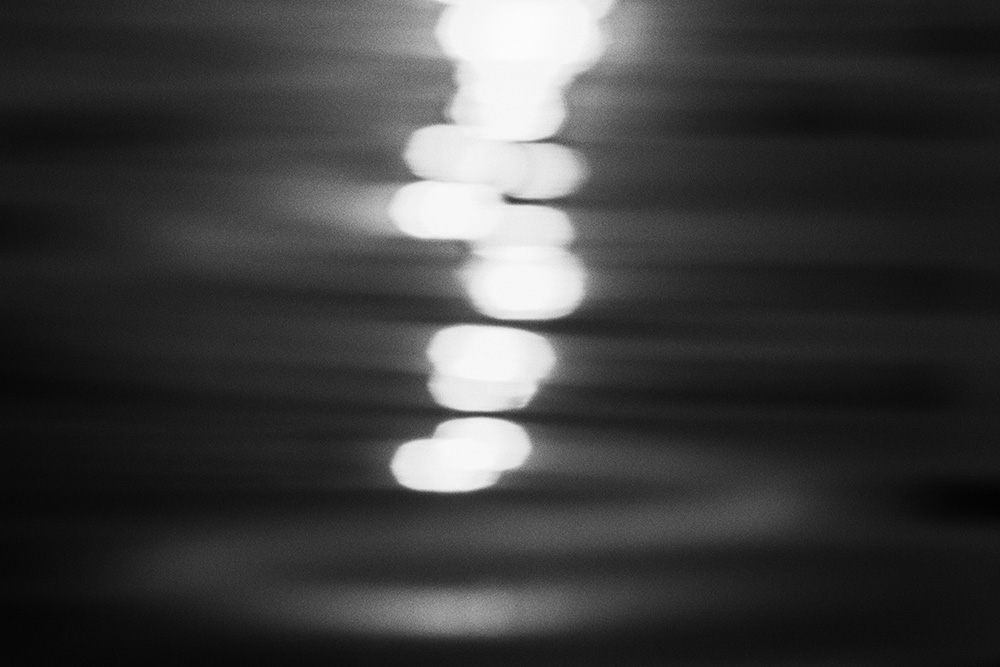
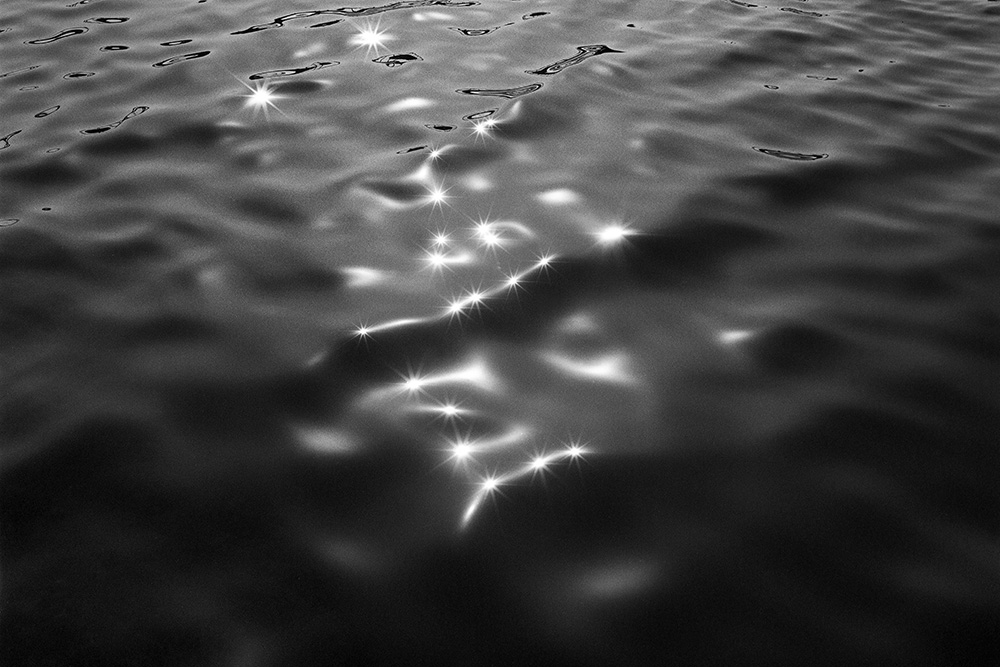
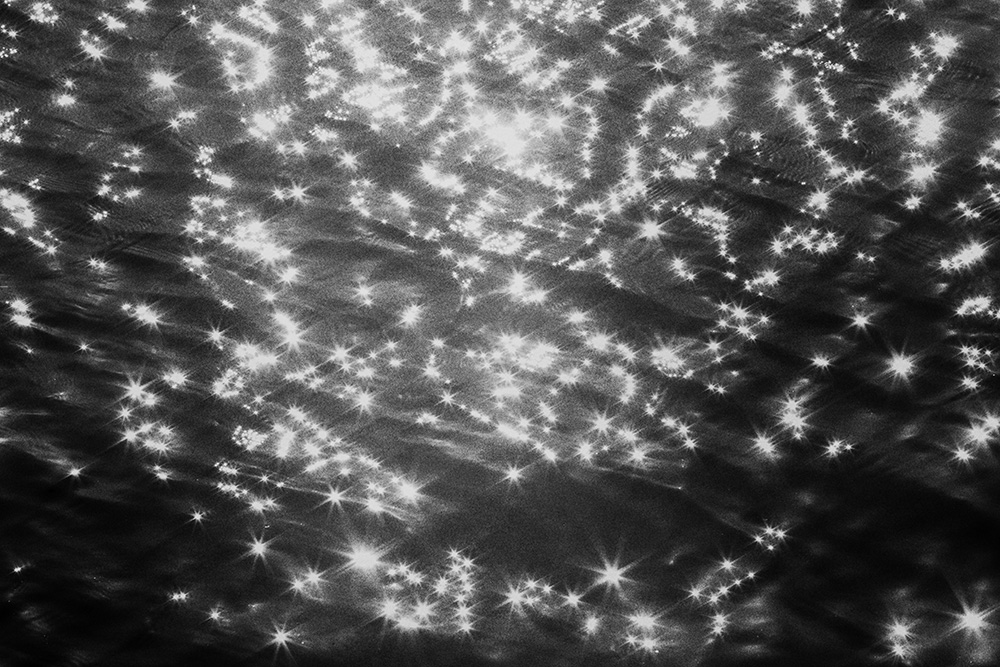
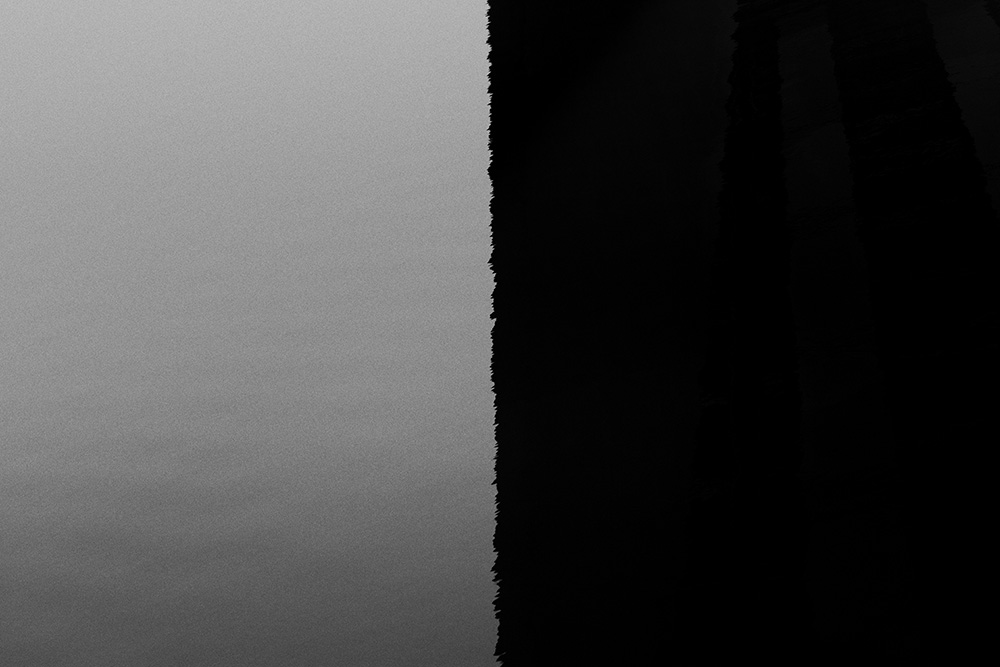
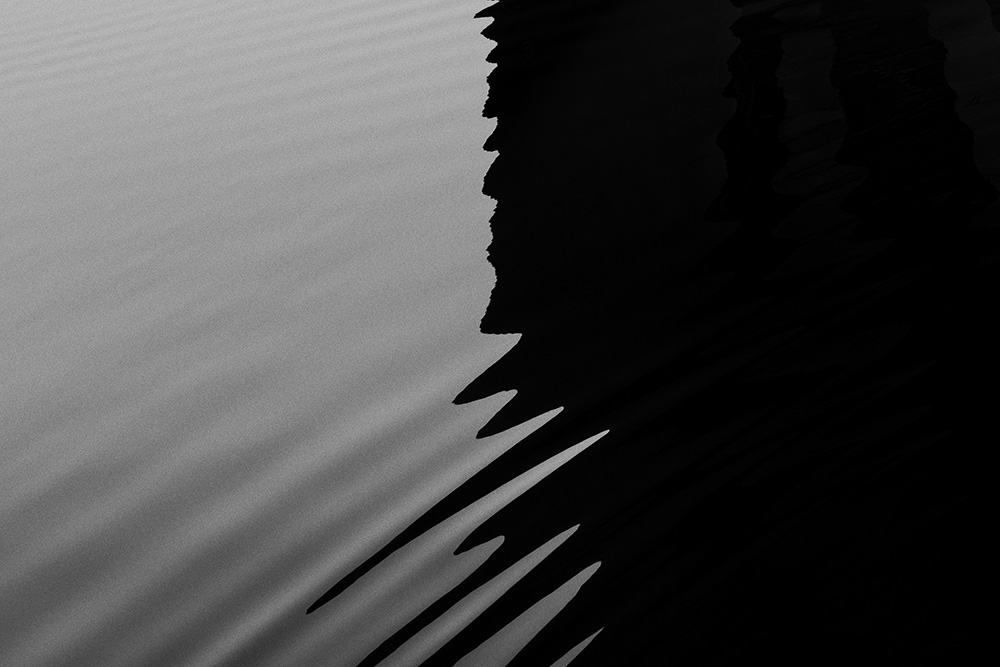
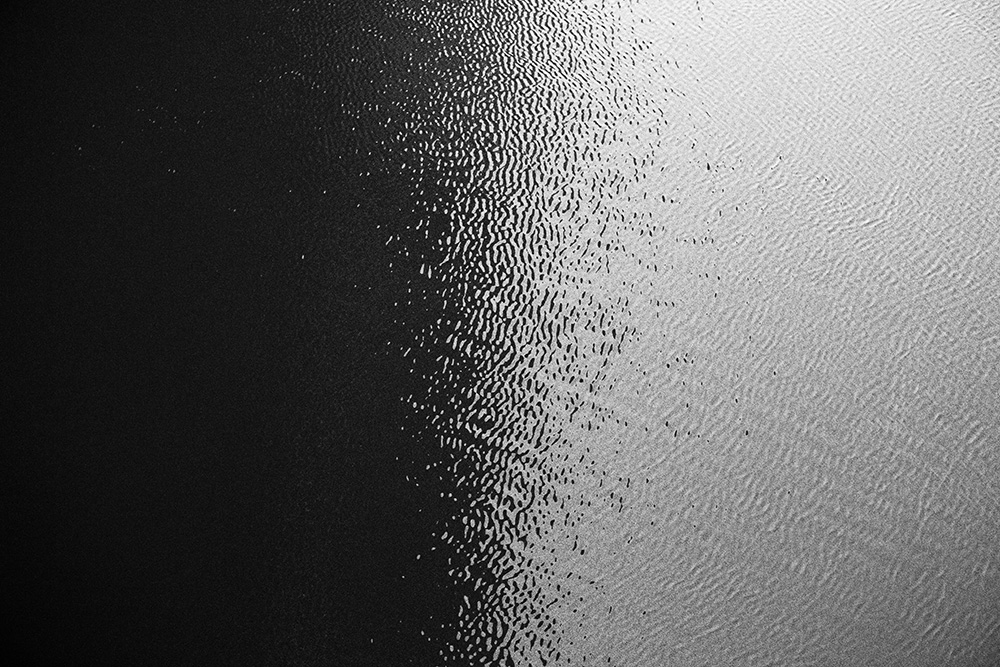
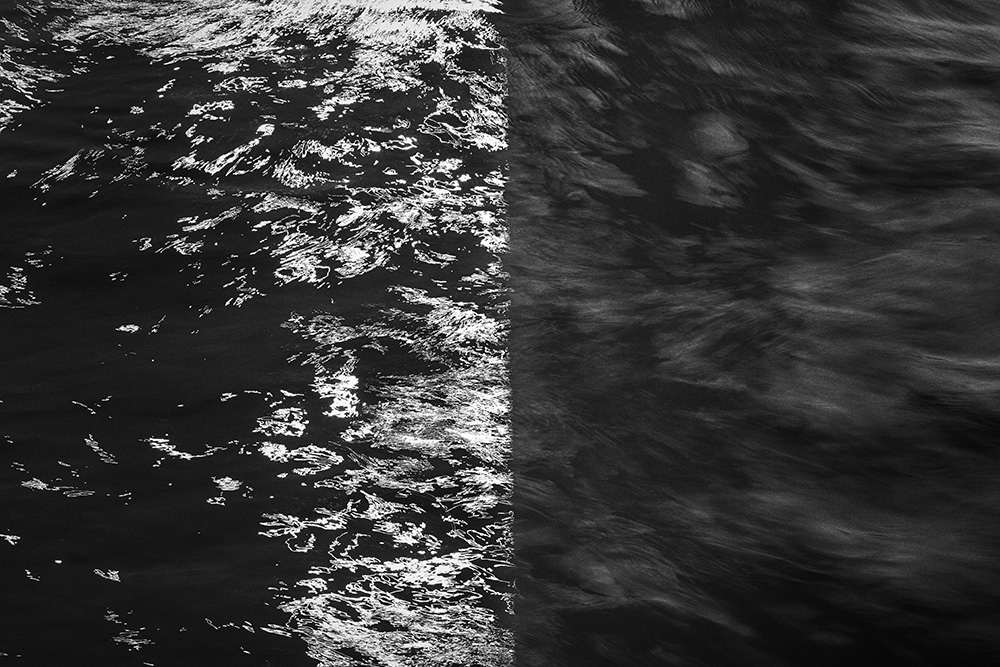
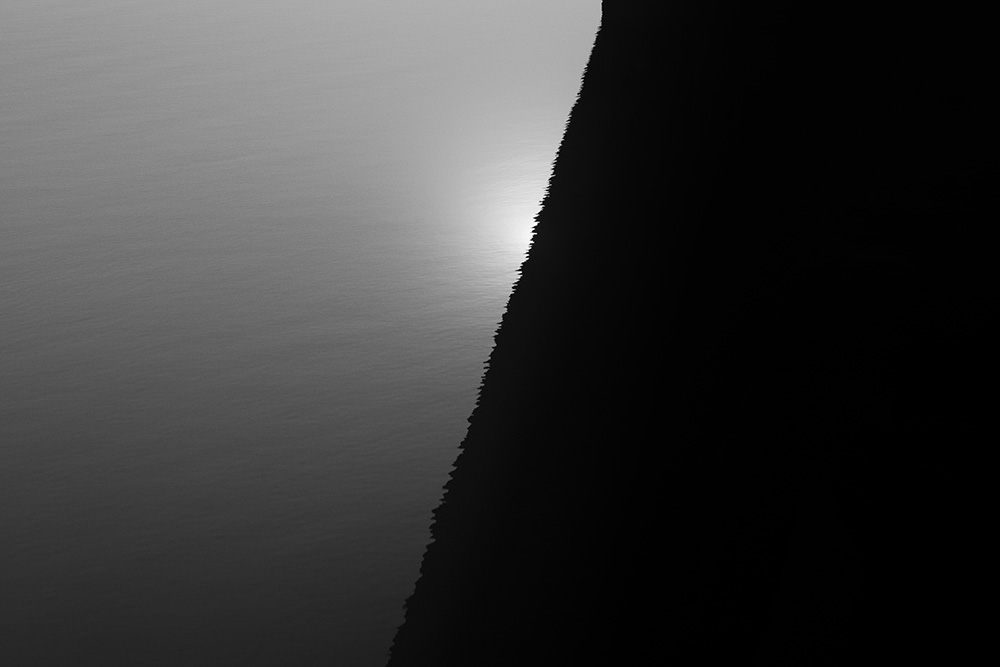
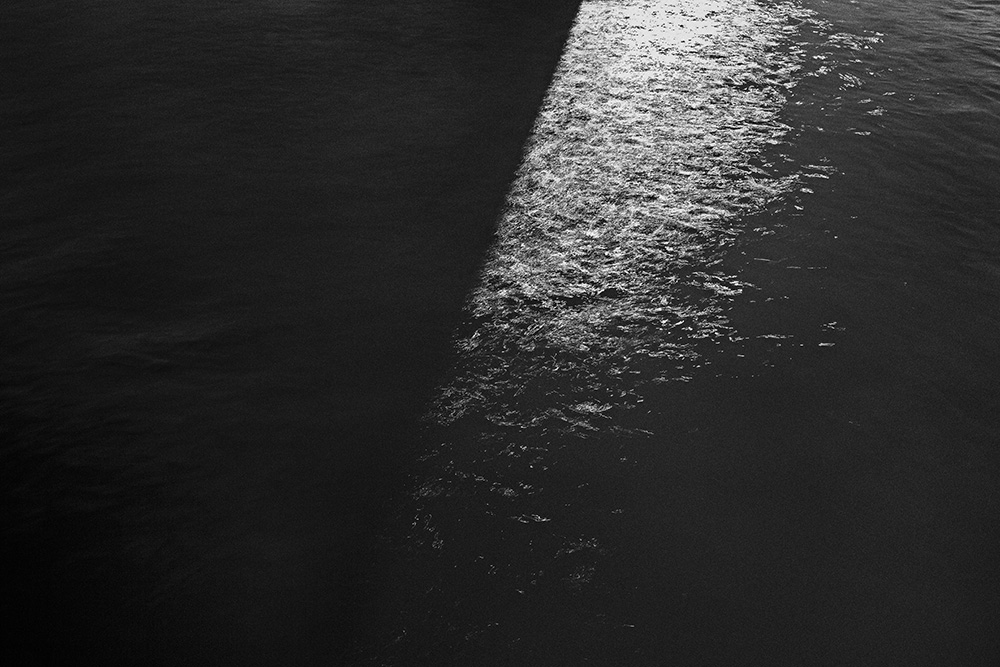
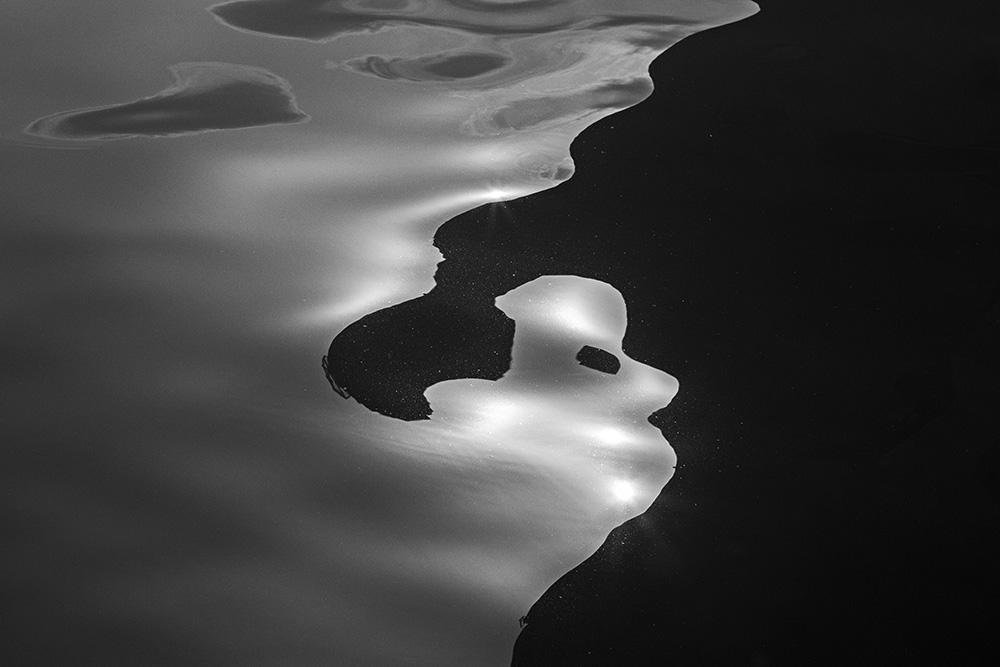
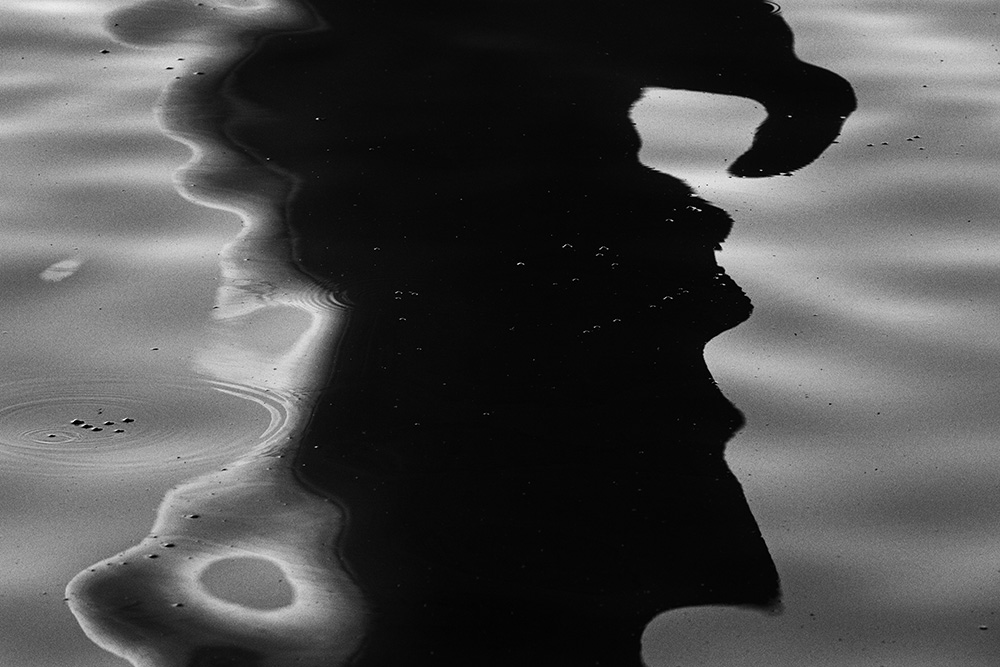
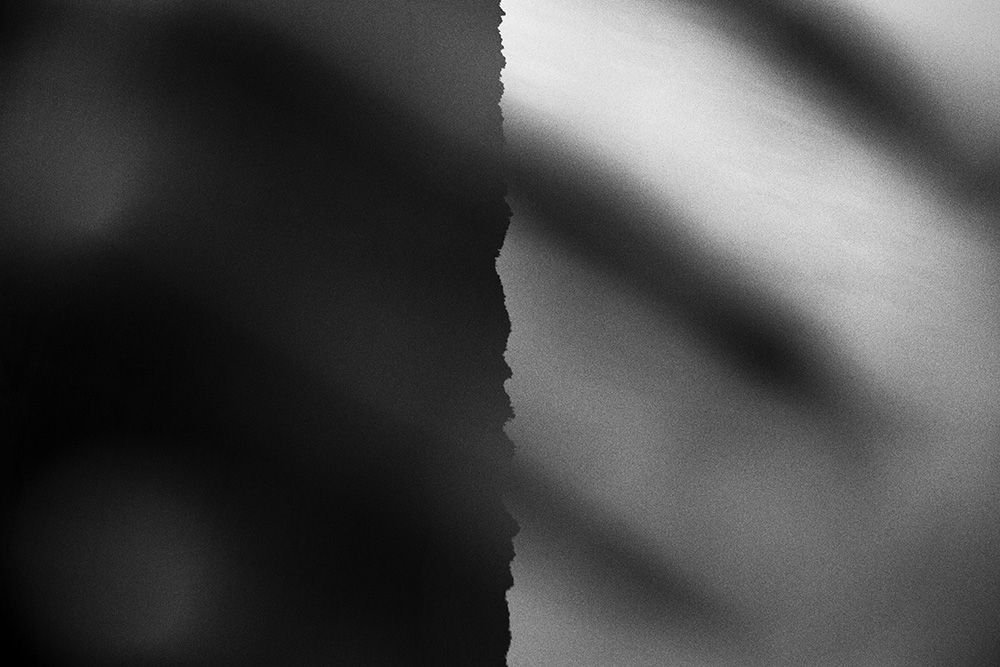
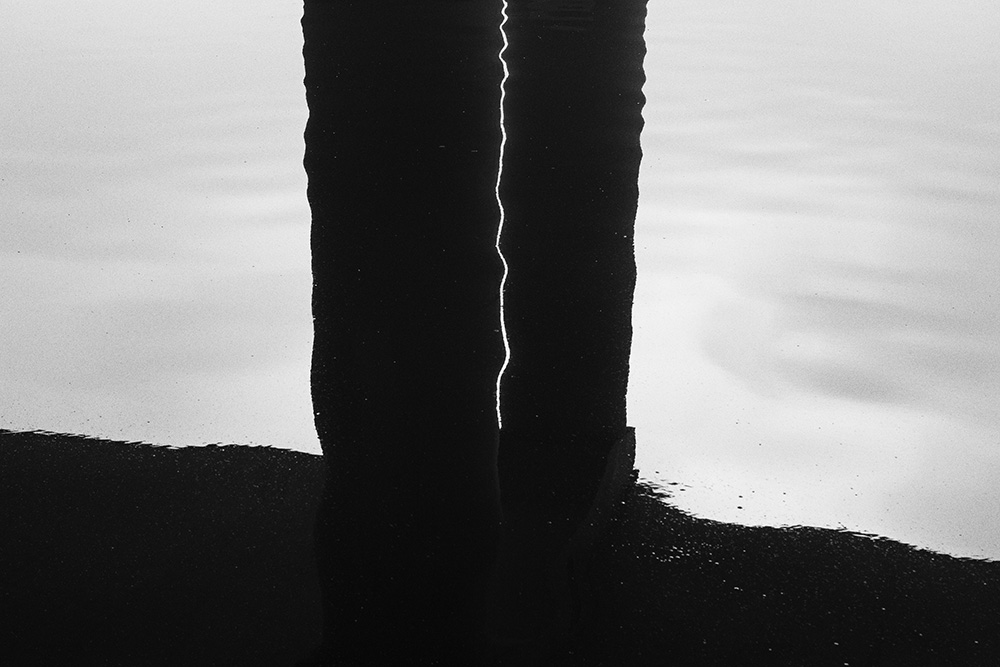
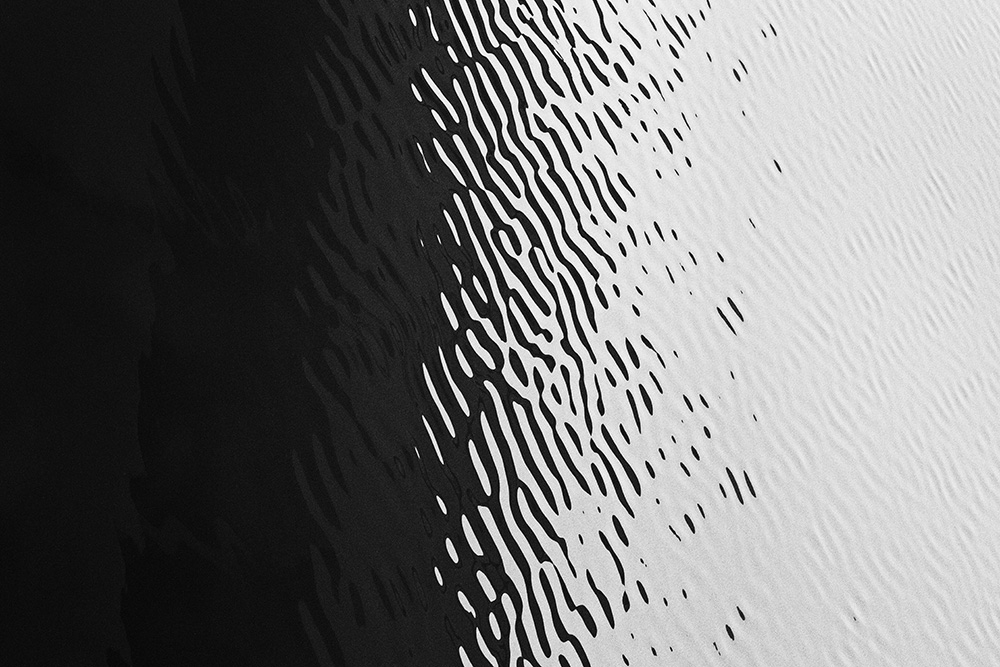
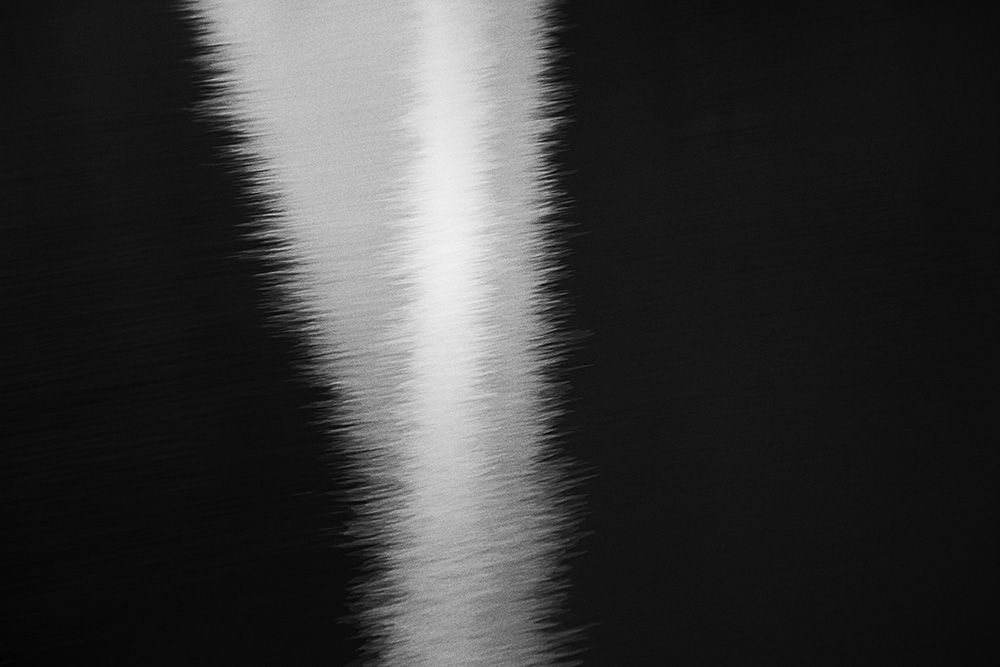
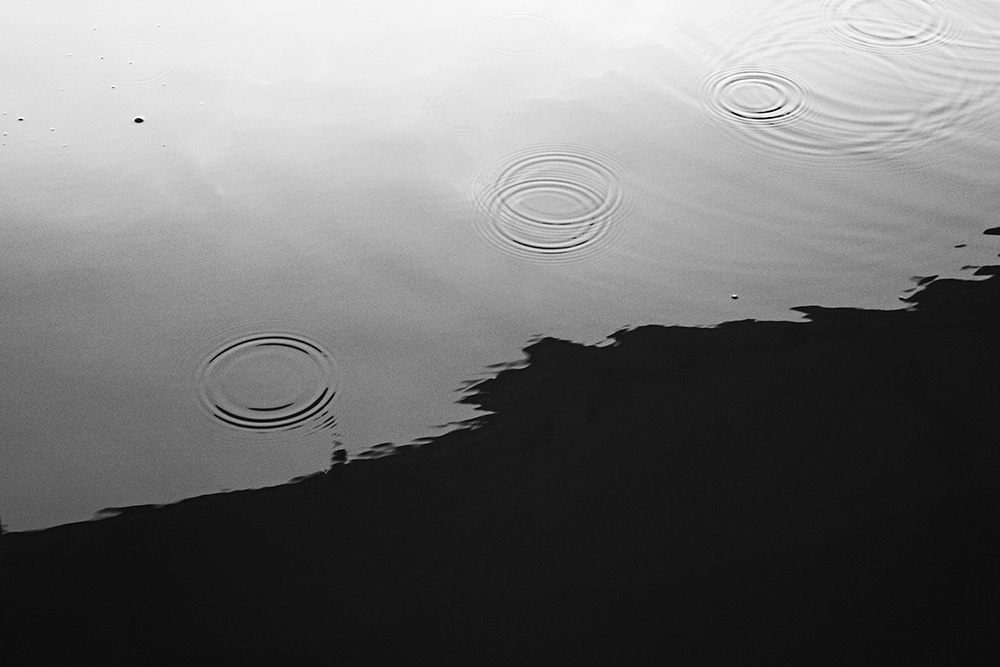
강물은 늘 같은 자리에 있지만, 그 표면은 끊임없이 변화한다. 바람이 스치면 잔물결이 생기고, 햇빛과 조명은 수면 위에 반사와 그림자를 남긴다. 때로는 기하학적인 무늬가 나타났다가 사라지고, 빛이 부서지며 작은 별처럼 반짝인다. 나는 이러한 순간들을 바라보다가 눈에 들어오는 물결이 있으면 사진으로 기록해 두었다.
이 작업은 그렇게 모인 물의 표면들을 기록한 것이다. 어떤 작품은 하나의 물결로 이루어져 있고, 어떤 작품은 여러 장의 이미지가 겹쳐 완성된다. 컬러와 흑백으로 나누어 물이 보여주는 다양한 표정과 깊이를 담았다. 하나의 물결만으로도 이렇게 많은 장면이 만들어진다는 사실은 늘 새로운 기대를 만든다. 다음에 한강이 또 어떤 모습을 보여줄지 기다리게 된다.
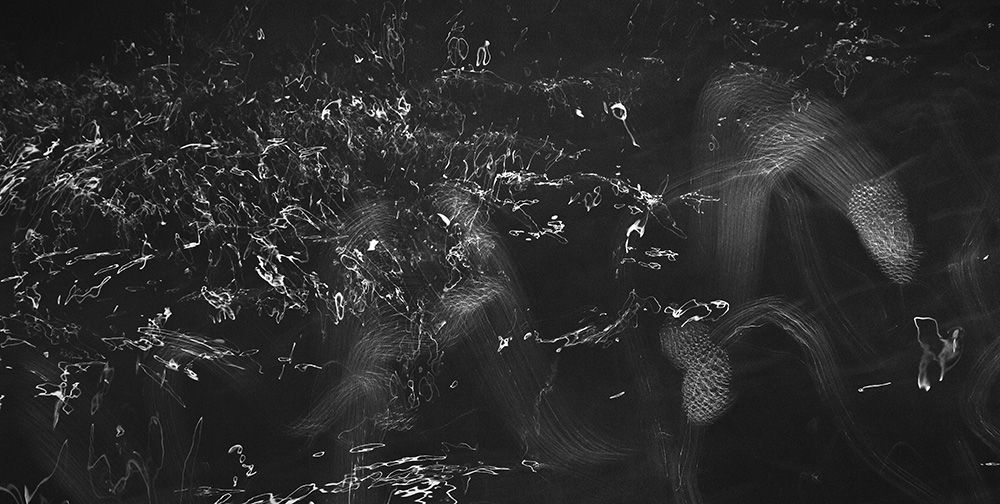
새벽이 오기 전, 강가에 홀로 앉아 있을 때가 있다. 물 위에 비친 불빛을 바라보기도 하고, 아직 남아 있는 별을 올려다보기도 한다. 밤과 아침이 스쳐 지나가는 짧은 시간 동안 강물은 그 모든 빛을 받아들인다. 해가 떠오르는 순간 물 위에 흩어져 있던 빛들은 별처럼 반짝이고, 강물은 어느새 은하수가 내려앉은 듯한 풍경이 된다. 하늘의 빛과 물결의 빛이 서로를 비추며 잠시 같은 얼굴을 갖는다.
나는 이러한 순간들을 통해 강이 단순한 풍경이 아니라 살아 있는 흐름이라는 것을 느낀다. 강물을 바라보며 생각의 시야가 조금씩 넓어졌고, 자연이 보여주는 이치를 마음속에 새기게 되었다. 삶이 결코 쉽지는 않지만, 흐르는 물을 바라보며 배우고 비워내는 법을 조금씩 익히고 있다.
I have long gazed at the waters of the Hangang River from up close. From a distance, it appears as a single river, but as you approach, the water never shows the same face twice. It ripples with the wind, sparkles with the light, and constantly shifts its hue as it reflects the colors of the sky and its surroundings. On clear days, it takes on a deep blue; at dawn, it is tinted with a pale sky blue; and at sunset, it burns with crimson. During floods, it flows brown, and on overcast days, it oscillates between grey and black.
At some point, I began to perceive the surface of the water as skin. If the surface is the skin, then beneath it lie flesh and bone, with watercourses flowing like blood through unseen veins. Just as that flow carries nutrients throughout a body, the river nurtures all life around it. Only after observing the surface for a long time did I finally come to feel the river as a single, living being.
Millions of people in megacities like Seoul, Gyeonggi, and Incheon all drink this water and build their lives around it. Half of the Korean population relies on this river. A few years ago, I heard news of tap water finally being supplied to a remote island in Incheon. Seeing the photos of the mayor and residents smiling brightly at the tap, I imagined the long journey of that water—starting from Geomryongso in Taebaeksan Mountain, passing through Paldang, and finally reaching that island in the West Sea. More than just a newfound convenience, I was deeply moved by the benevolent intent of the water, which seeks to benefit all creation.
The river always remains in the same place, yet its surface is in constant flux. Ripples left by the passing wind, reflections and shadows cast by sunlight and artificial lights—at times, geometric patterns appear and vanish, and light breaks into tiny, star-like glimmers. I watched these moments closely and recorded the waves that caught my eye.
This work is a record of those gathered surfaces of water. Some pieces capture a single ripple, while others are completed by layering multiple images. I have divided the work into color and black-and-white to capture the diverse expressions and depths of the water. The fact that a single ripple can create so many scenes makes me always look forward to what the Hangang River will show me next.
Before dawn, I sit alone by the river, watching the brief interval where night and morning intersect. I gaze at the quiet lights reflected in the water and look up at the remaining stars. In that short span of time, the river embraces every fragment of light. The moment the sun rises, the light scattered upon the water sparkles like stars, and the river suddenly transforms into a landscape where the Milky Way has descended. The light in the sky and the light on the ripples mirror each other, momentarily sharing the same face.
Through these moments, I feel that the river is not just a scenery, but a living flow. My perspective has broadened through the river, and the truths of nature have been etched into my heart. Life is never easy, but I am learning to empty myself by watching the flowing water.
Info
如操傅說楫
可遡銀河流
부열이 돛대를 잡았다면
은하수 타고 올라가겠네
조선 초기 최숙정(崔淑精)
名之曰漢銀漢似
은하수와 비슷해서 한강이라 불렀다
조선 후기 이헌경(李獻慶)
한강의 한(漢)은 중국의 한나라를 뜻하는 글자로 양쯔강(揚子江)의 지류인 한수(漢水)에서 유래한다. 물을 뜻하는 한(漢)은 은하수(銀河水)라는 뜻으로도 쓰이고, 은하수는 남북으로 길게 보이는 은하계를 강으로 보고 하는 말이다. 은하수를 인도에서는 하늘에 흐르는 갠지스강으로 묘사하며, 한국과 중국에서도 은빛이 빛나는 강으로 부른다.
강심수(江心水), 한중수(漢中水)
오대산 서대에서 흘러내리는 우통수는 물 맛이 빼어났다고 한다. 다른 물과 섞이지 않는 성질이 있어서 그 맑은 빛깔을 유지한 채 한강까지 중심에서 흘렀다고 한다.
또한 강심수(江心水)는 조선시대에 임금이 사용할 물을 가리키던 말로, 한강 한가운데에서 길어 올린 물을 의미했다.
선비들이 차를 끓이기 위해 배를 타고 강 가운데로 나가 강심수 물을 길었다는 이야기도 전해진다.
조선시대 지리서 신증동국여지승람(新增東國輿地勝覽)에는 오대산에서 시작된 우통수라는 샘물이 한강의 중심을 따라 흐른다고 기록되어 있다.
如操傅說楫
可遡銀河流
“If Bu Yeol held the mast,
Would sail up the Milky Way.”
— Choe Suk-jeong, Early Joseon Dynasty
名之曰漢銀漢似
“It was named the Han River because it resembles the Milky Way.”
— Yi Heon-gyeong, Late Joseon Dynasty
The character ‘Han’ (漢) in the Han River represents the Han Dynasty of China, originating from the Han River (Hanshui), a tributary of the Yangtze River. The character ‘Han’ (漢), meaning water, is also used to refer to the Milky Way (銀河水, Eunhasu), a term derived from viewing the galaxy stretching from north to south as a great river. In India, the Milky Way is depicted as the Ganges River flowing in the sky, and in Korea and China as well, it is referred to as a river shining with silver light.
Gangsimsu , Hanjungsu (Unmingled Water)
Utongsu, which flows down from Seodae of Mount Odae, is known for its exceptional taste. Because of its property of not mixing with other waters, it is said to have flowed through the very center of the Hangang River while maintaining its clear color.
Additionally, Gangsimsu was a term used during the Joseon Dynasty to refer to the water reserved for the king, meaning water drawn from the very middle of the Hangang River.
There are also tales passed down of Confucian scholars taking boats out to the middle of the river to draw Gangsimsu for brewing tea.
Geography texts from the Joseon Dynasty record that the spring water called Utongsu, originating from Mount Odae, flows along the center of the Hangang River.