결빙 Freezing
Concept
結 · 氷 · 河 · 水 · 紋
結氷 결빙 Freezing
물이 얼어 강의 흐름이 멈추는 현상
氷河 빙하 Glacier
얼음이 쌓여 강처럼 흐르는 거대한 얼음의 흐름
水紋 수문 Water Pattern
물결이나 얼음이 만들어 내는 자연의 무늬
結 맺을 결 · 氷 얼음 빙 · 河 물 하 · 水 물 수 · 紋 무늬 문
結 Binding · 氷 Ice · 河 River · 水 Water · 紋 Pattern

















Note
한겨울 다리 위에서 얼어붙은 한강을 내려다본다.
한강은 거대한 자연의 흐름 위에 인간의 삶이 더해진 공간이다. 따뜻한 생활용수와 도시의 열기 탓에 강물은 한겨울에도 완전히 멈추지 못하고 얼고 녹기를 반복한다. 그래서 상류나 하구는 얼어도 서울 도심의 한강은 좀처럼 얼지 않는다. 만약 도심의 한강까지 완전히 얼어붙는다면, 그해 겨울은 매서운 한파로 기록될 것이다.
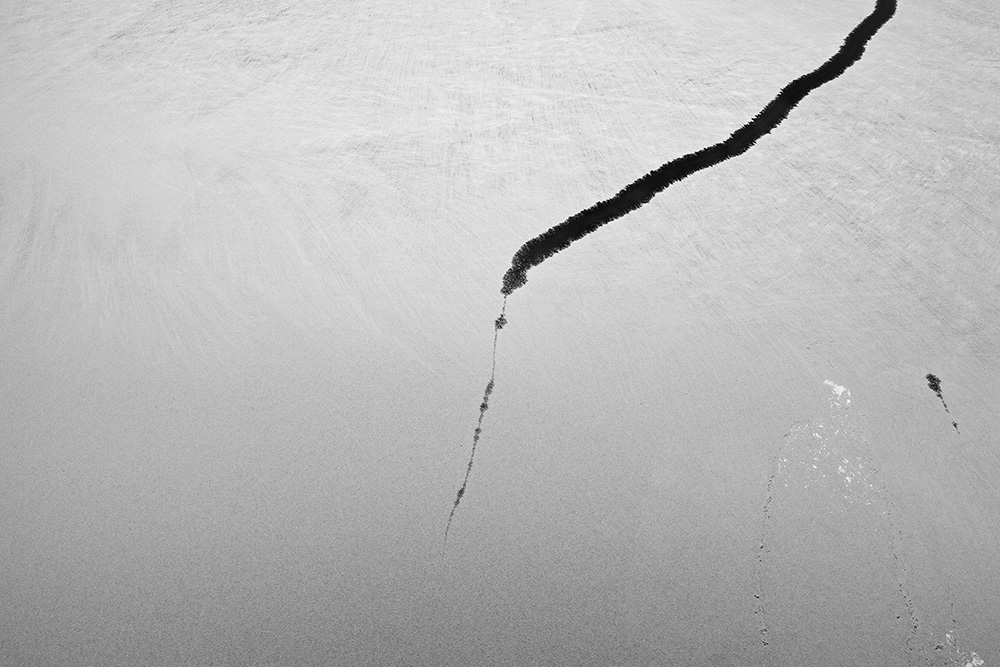
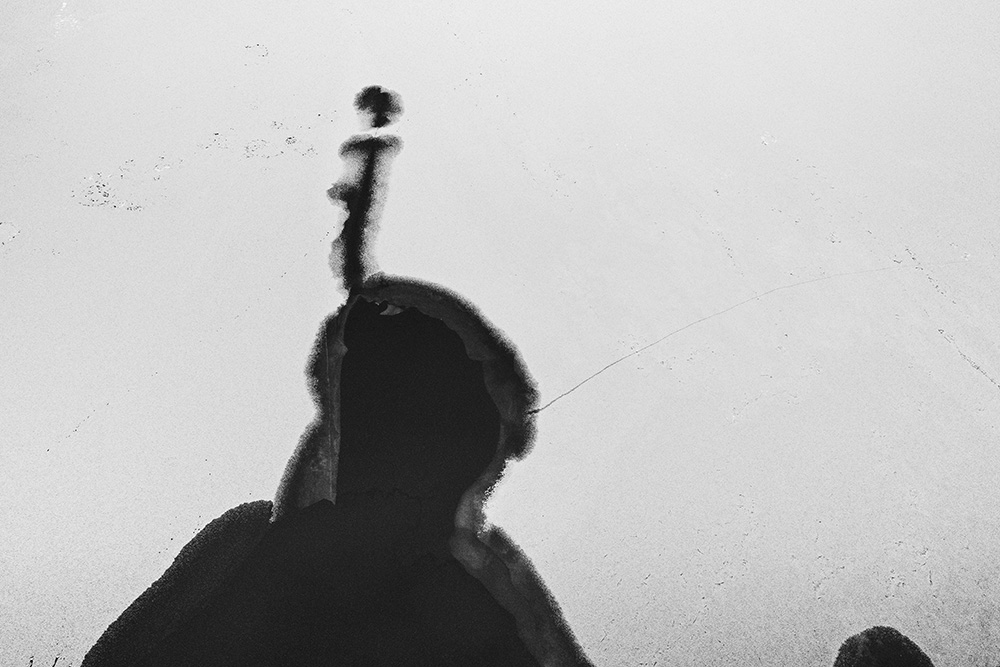
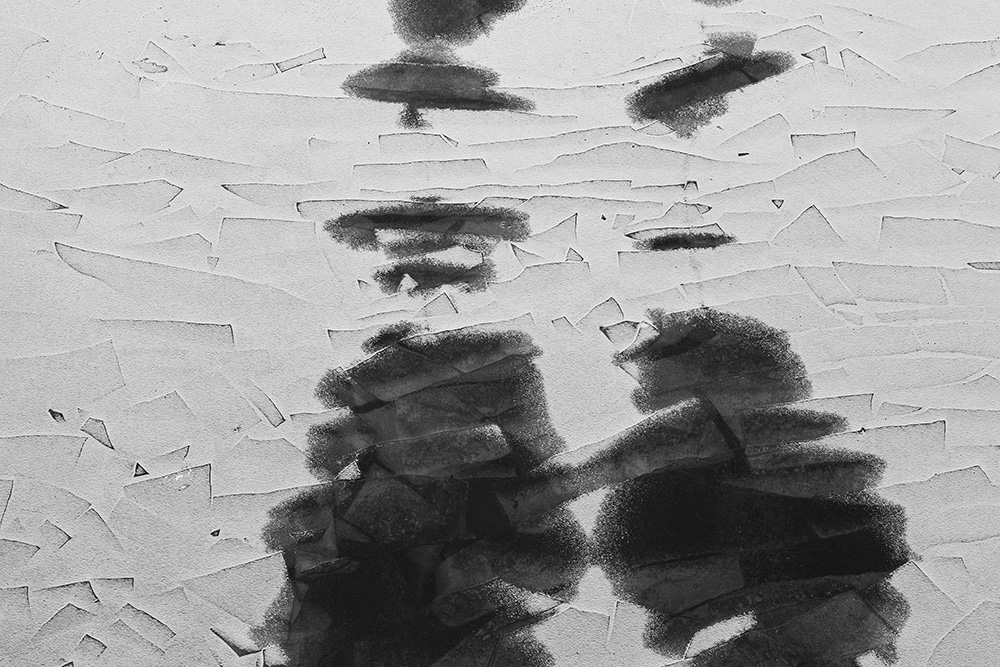
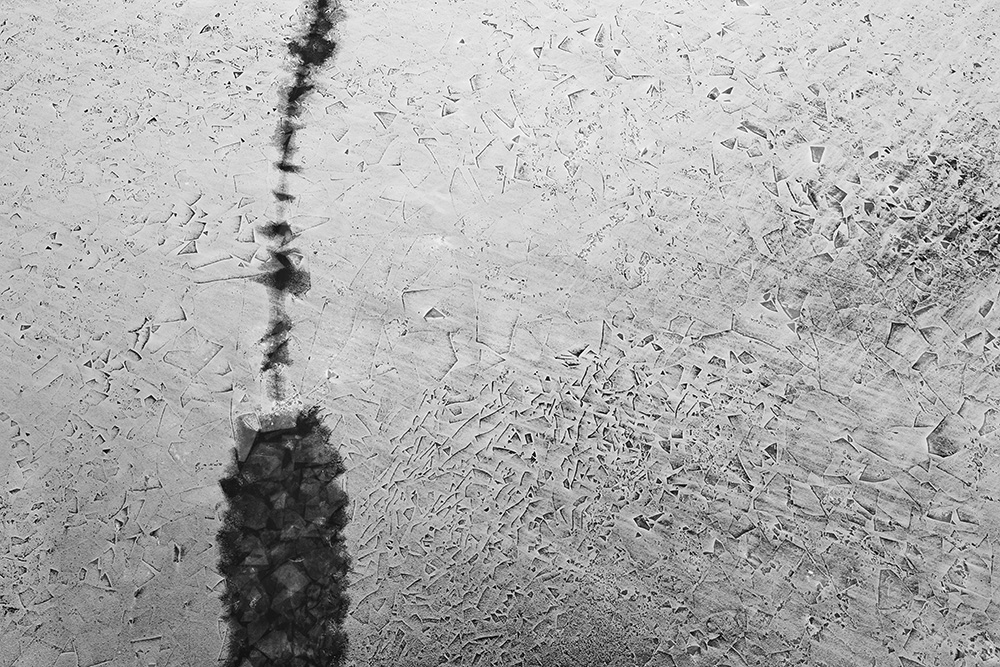
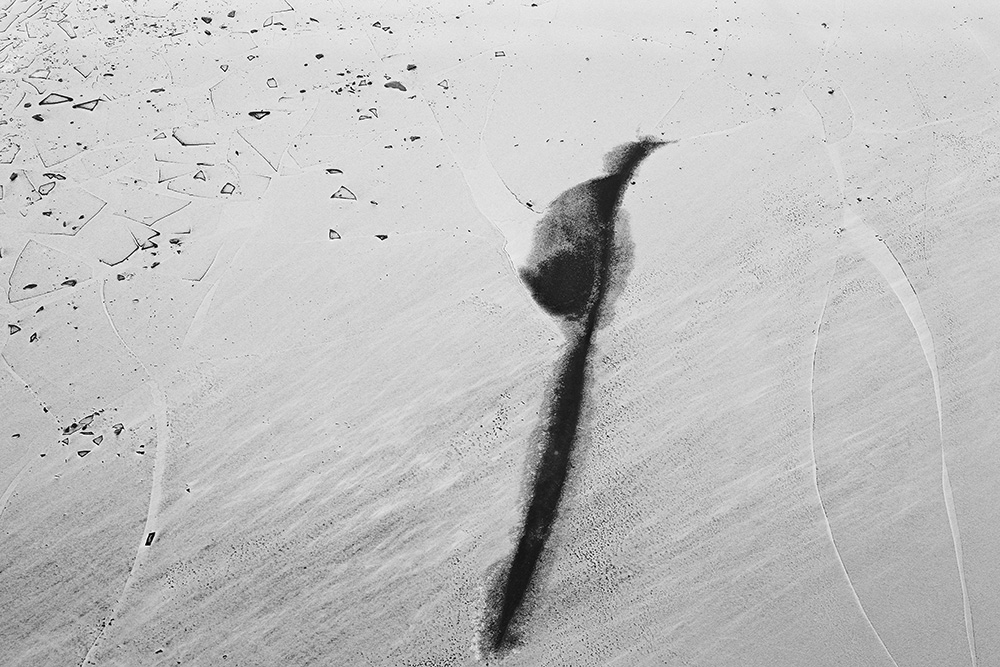
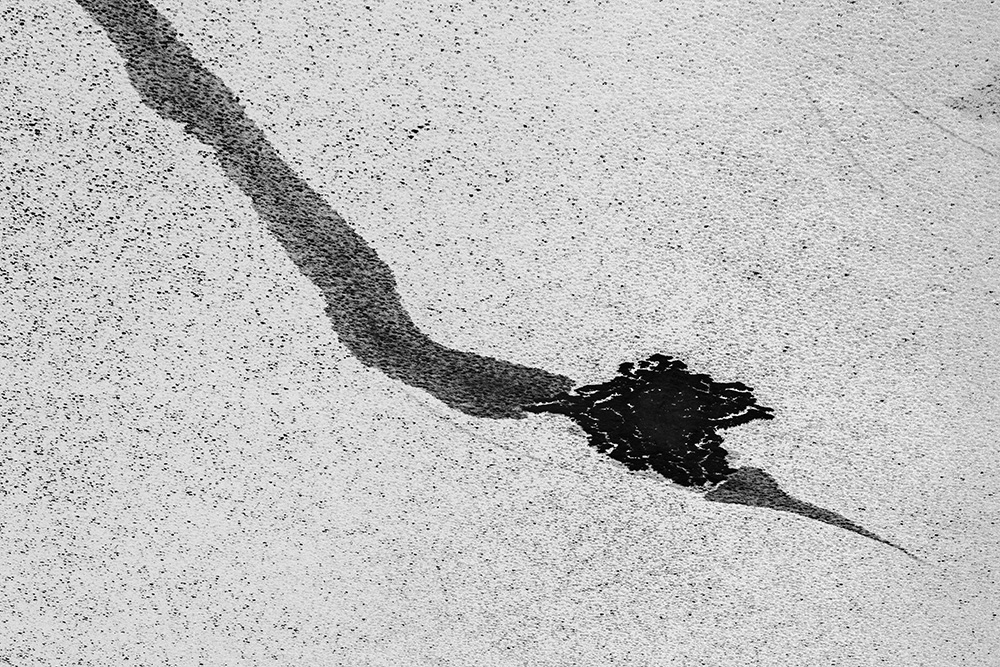
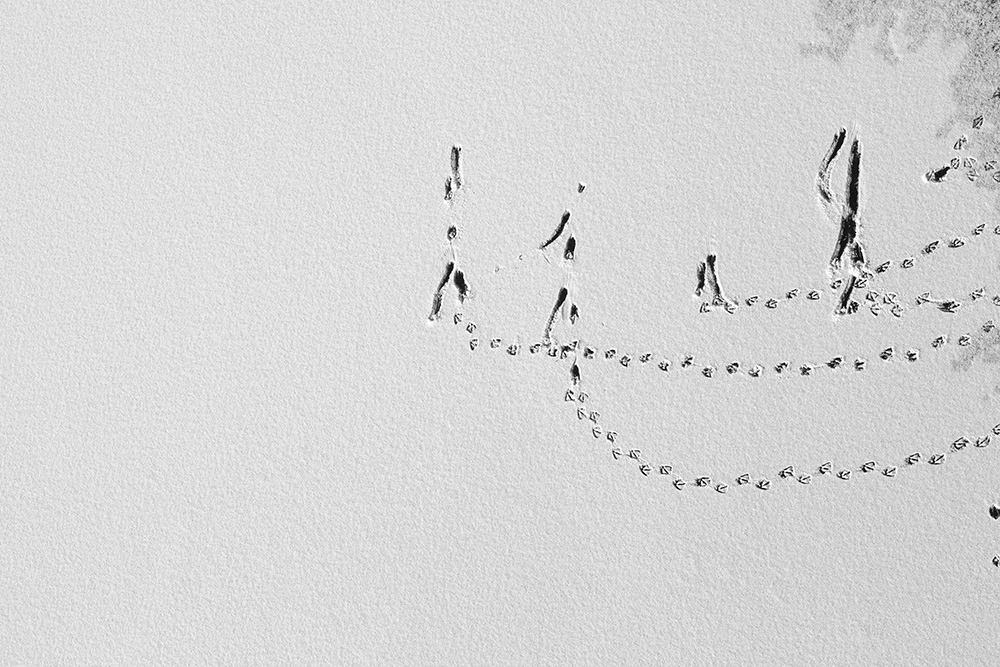
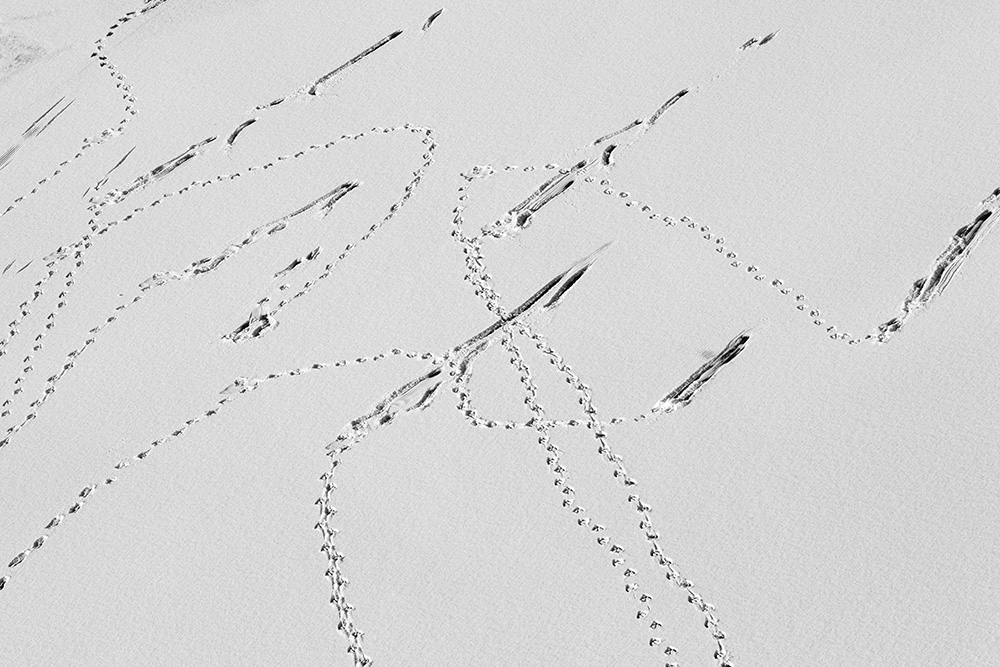
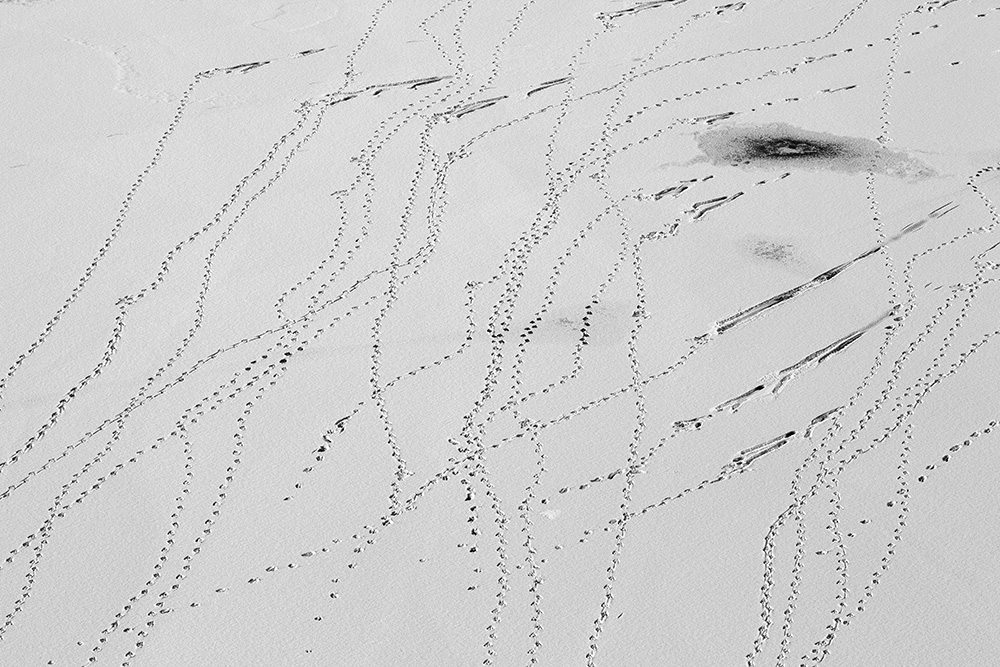
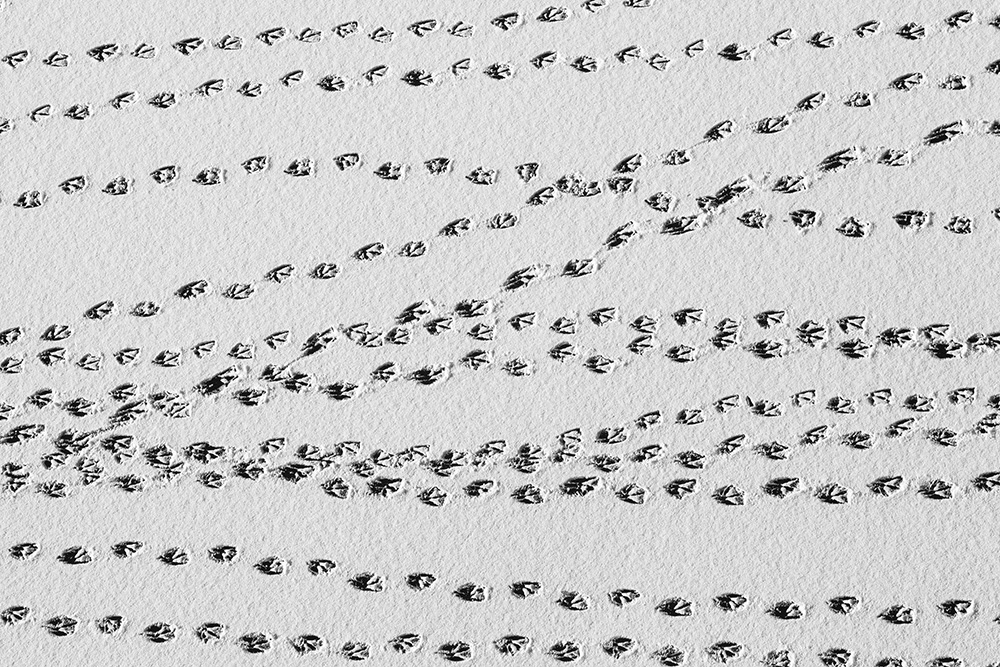
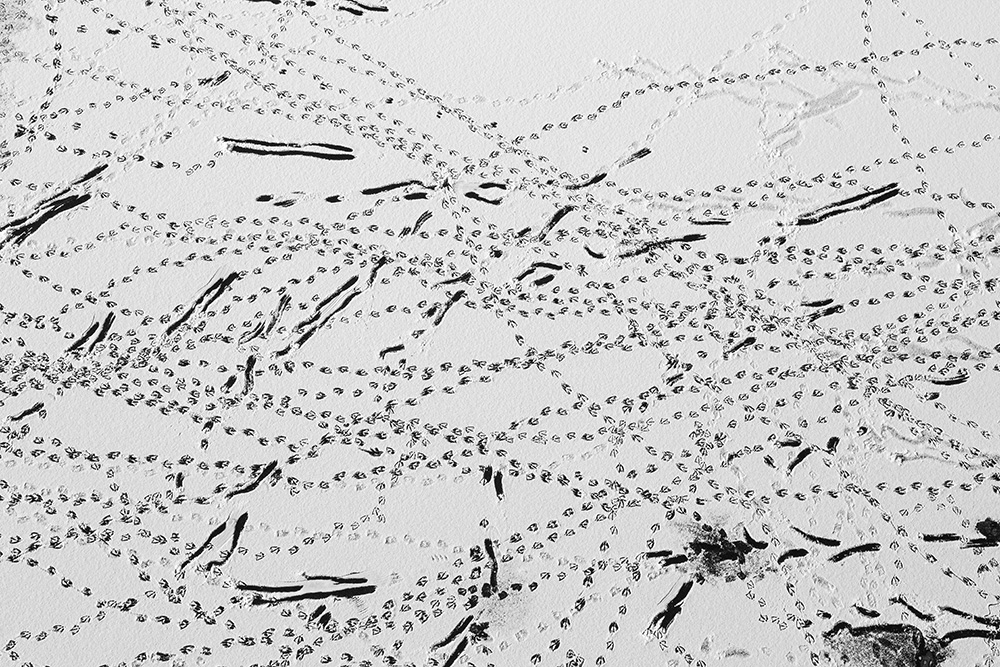
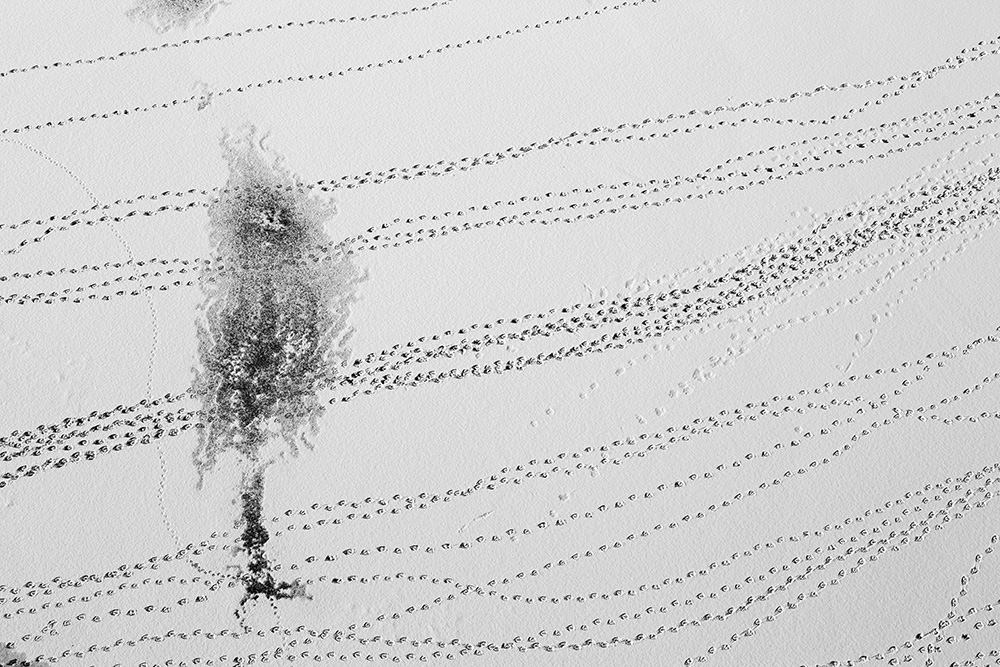
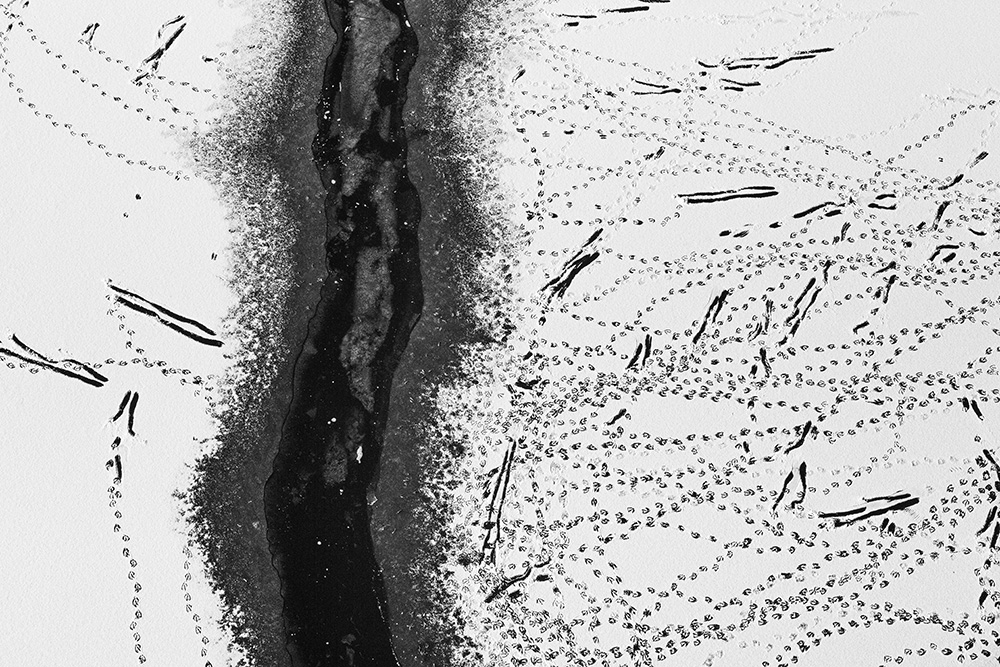
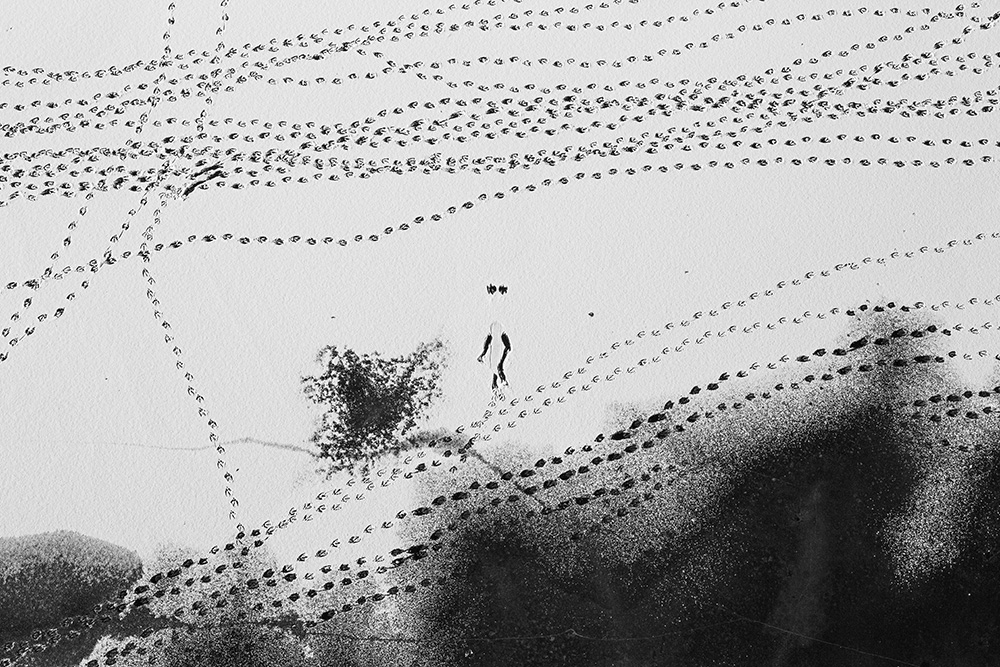
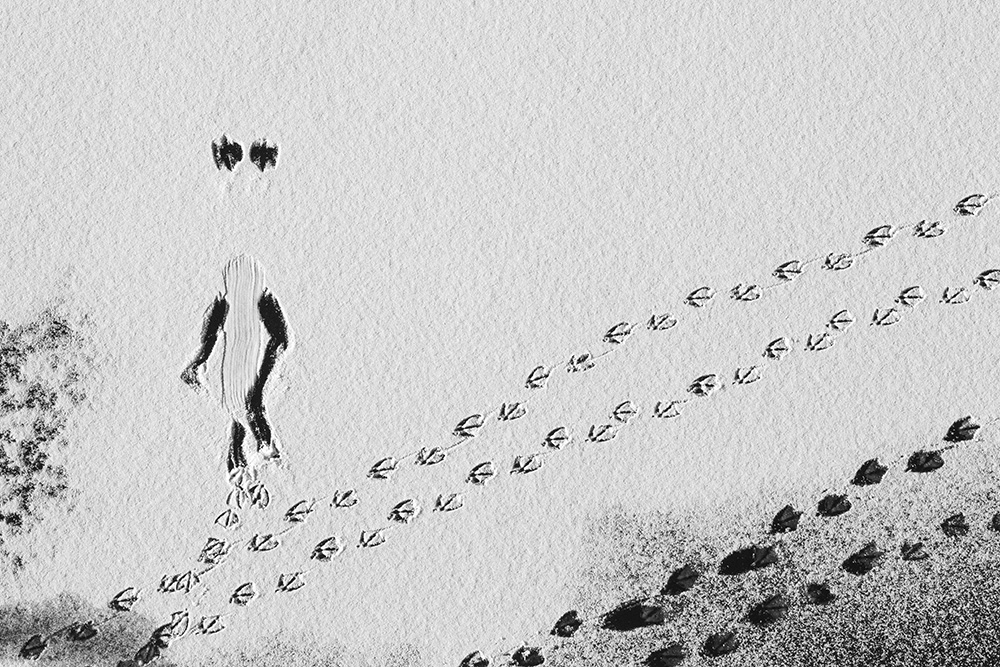
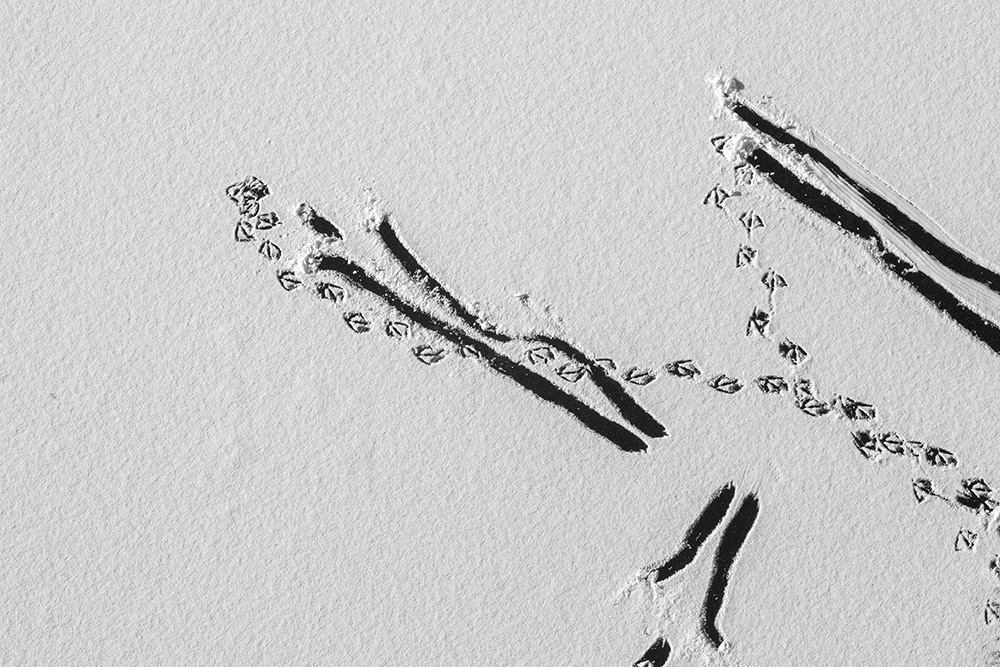
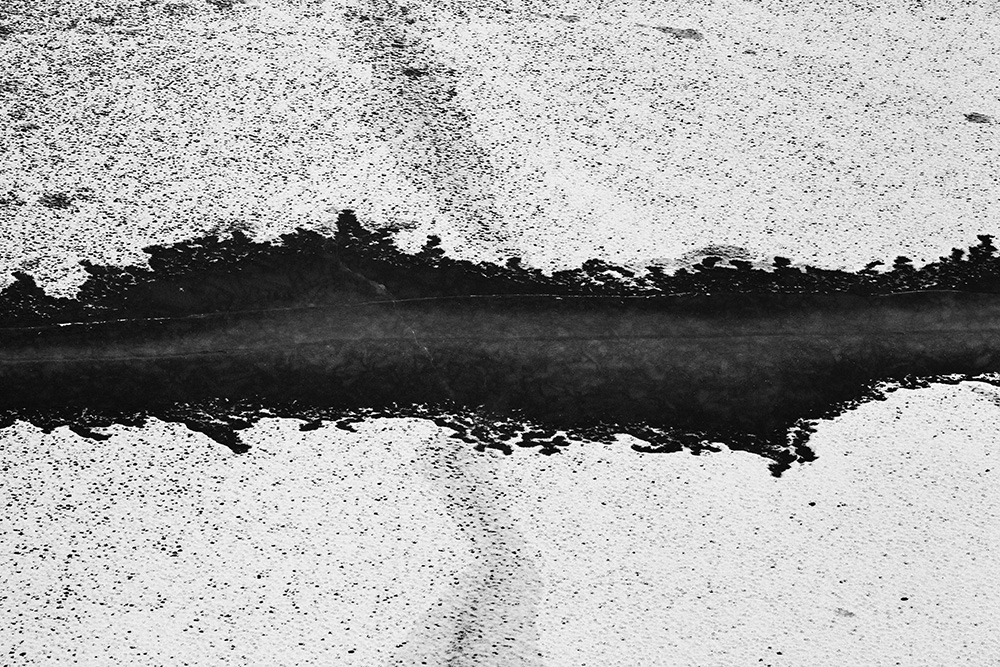
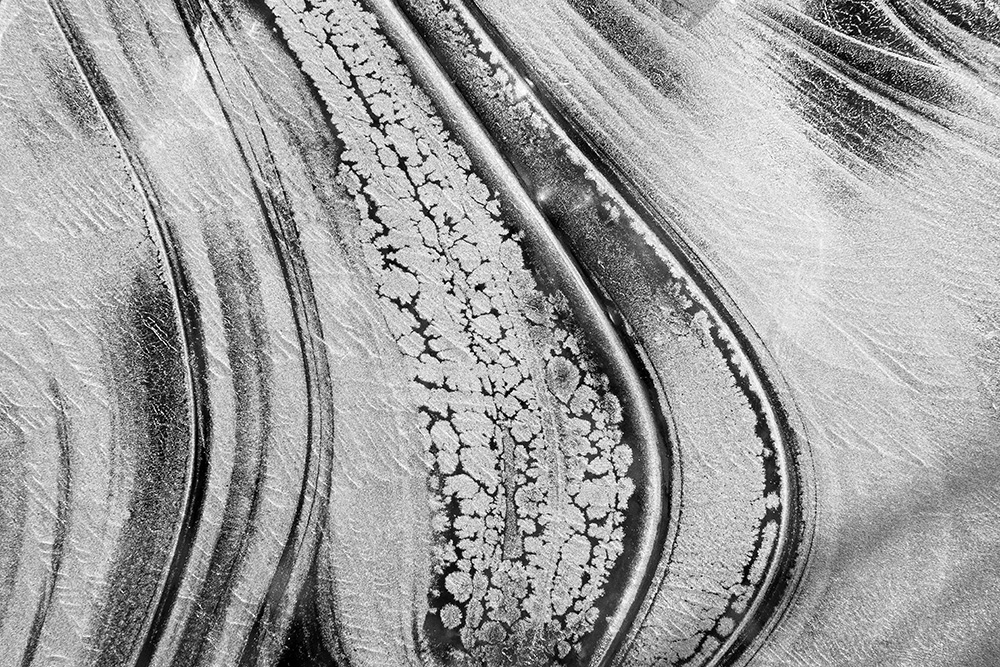
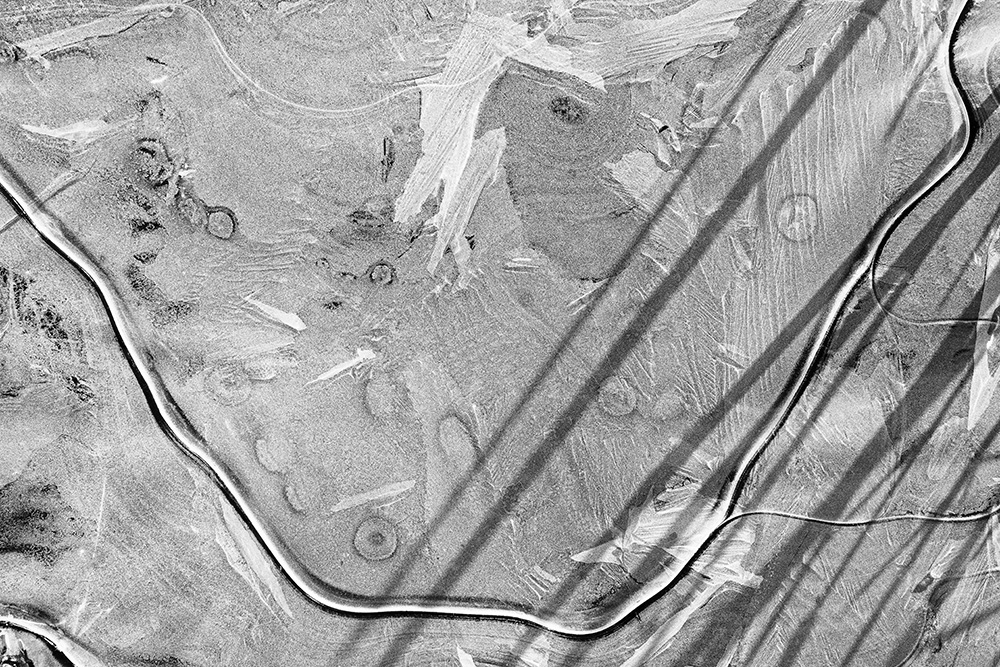
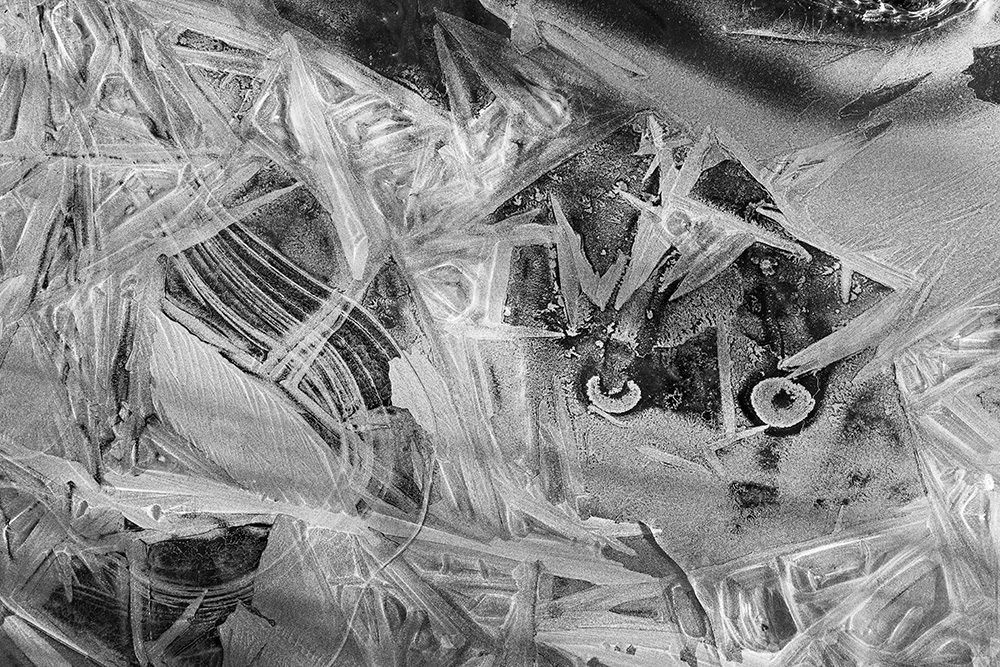
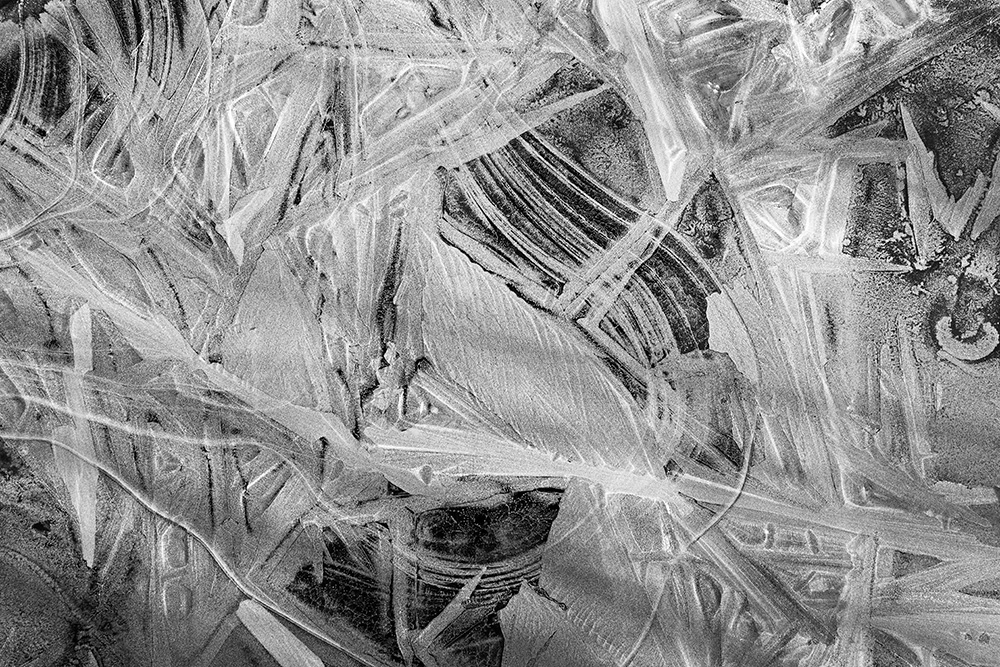
강물이 얼어 수면 위에 얼음의 무늬가 생기면 나는 다리 위에 올라 그 모습을 수직으로 내려다본다. 배가 지나간 자리와 새가 잠시 내려앉았다 떠난 흔적은 마치 하늘에서 내려온 어떤 신호나 부호처럼 보인다.
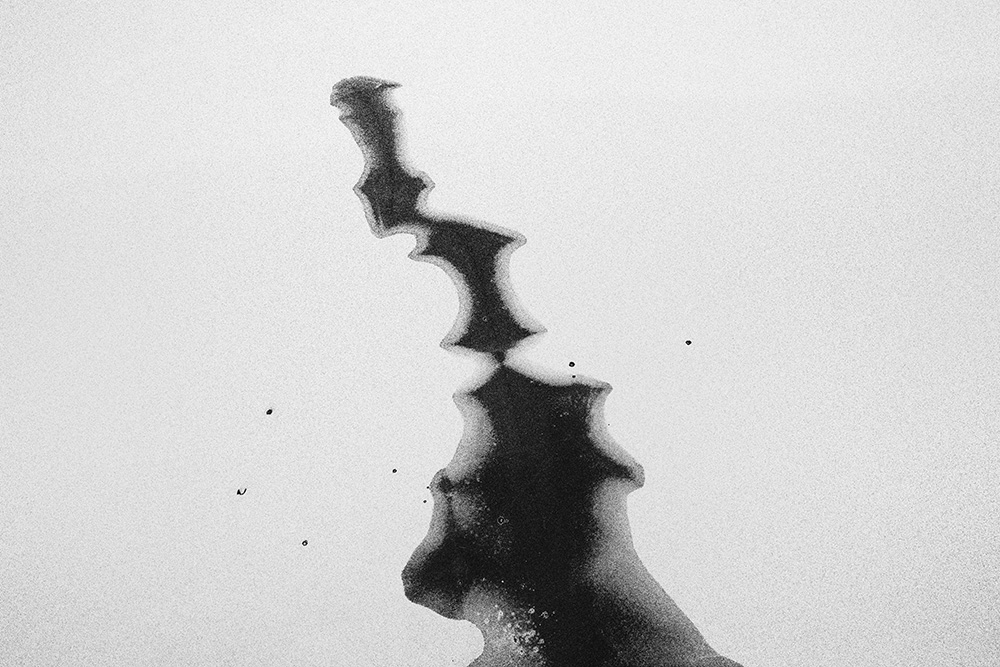
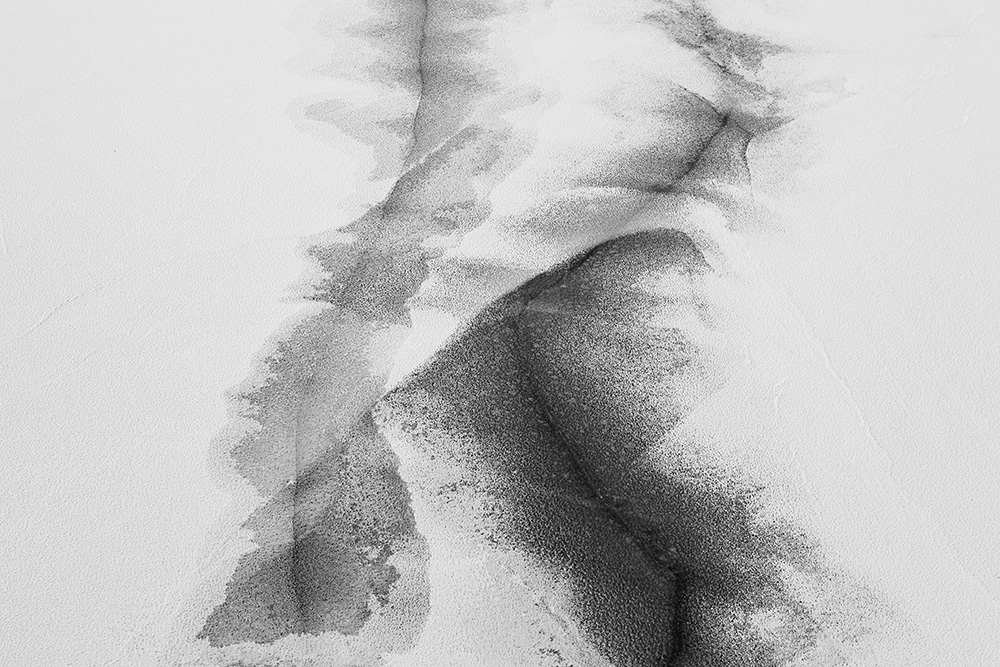
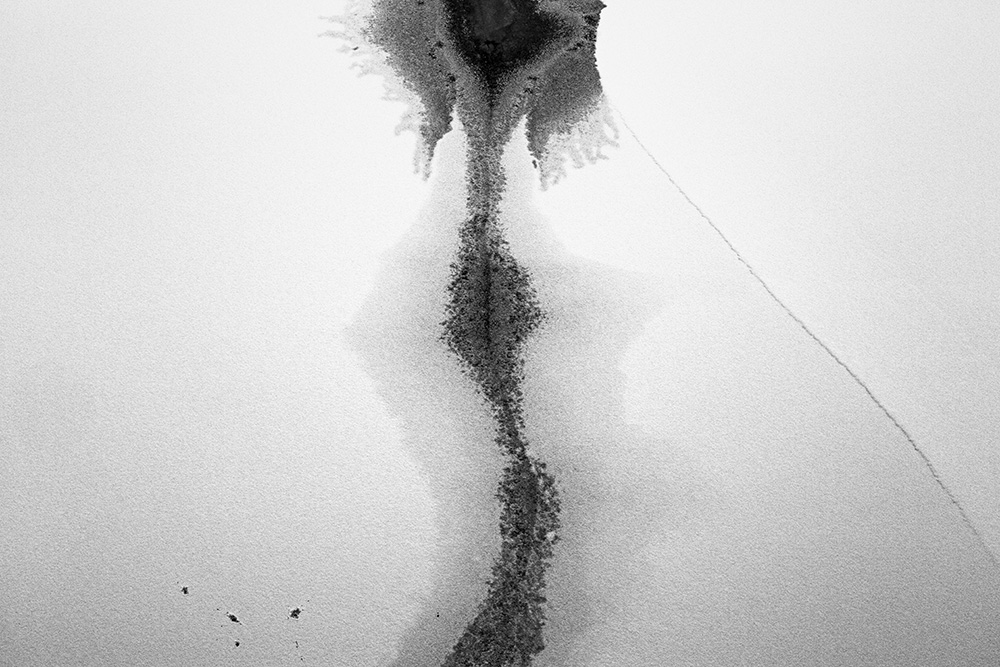
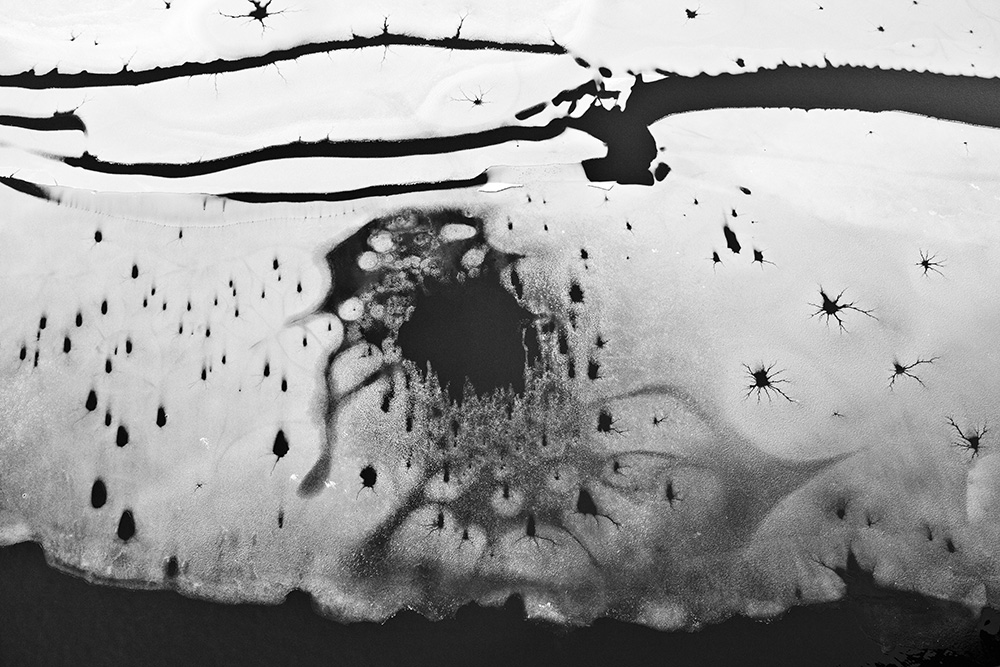
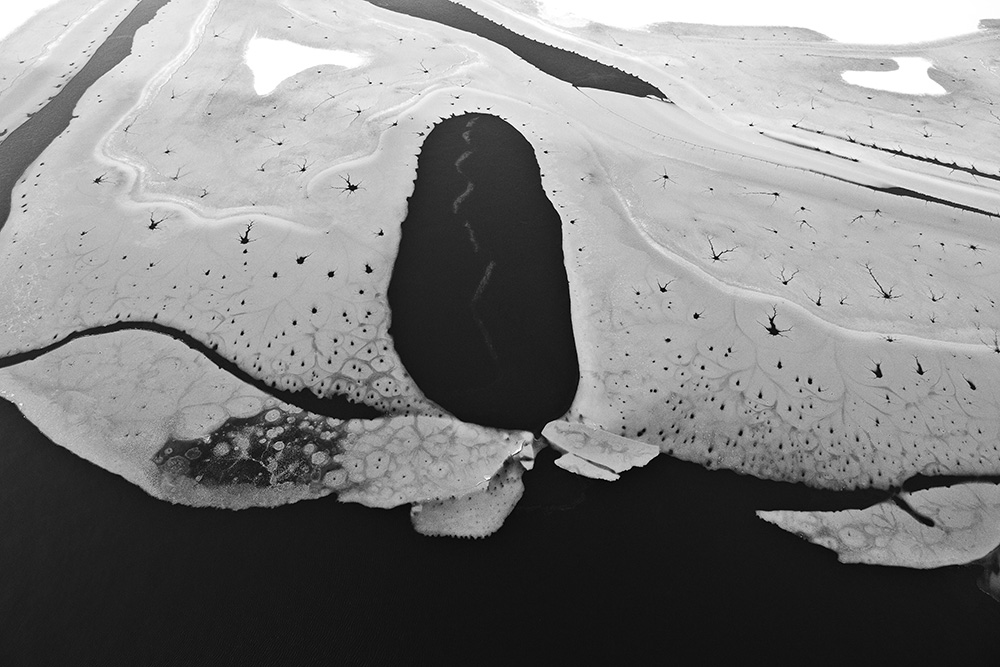
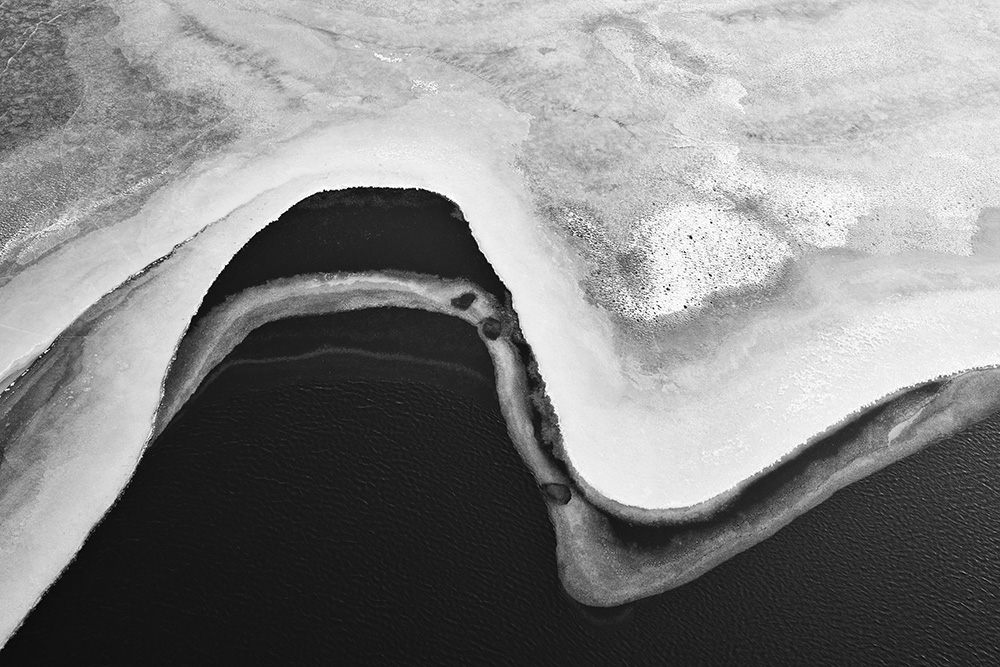
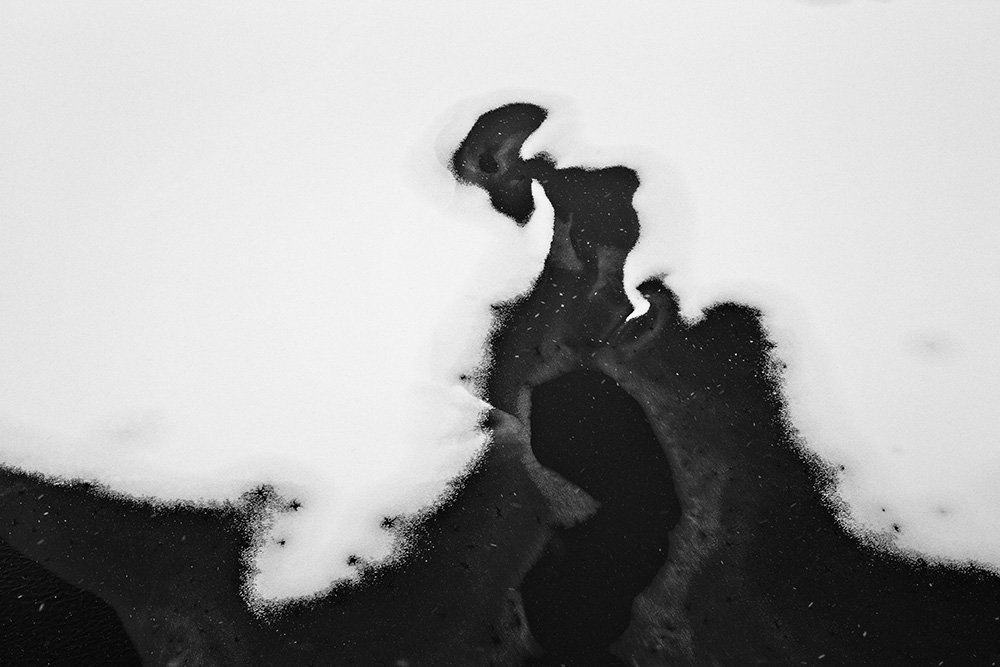
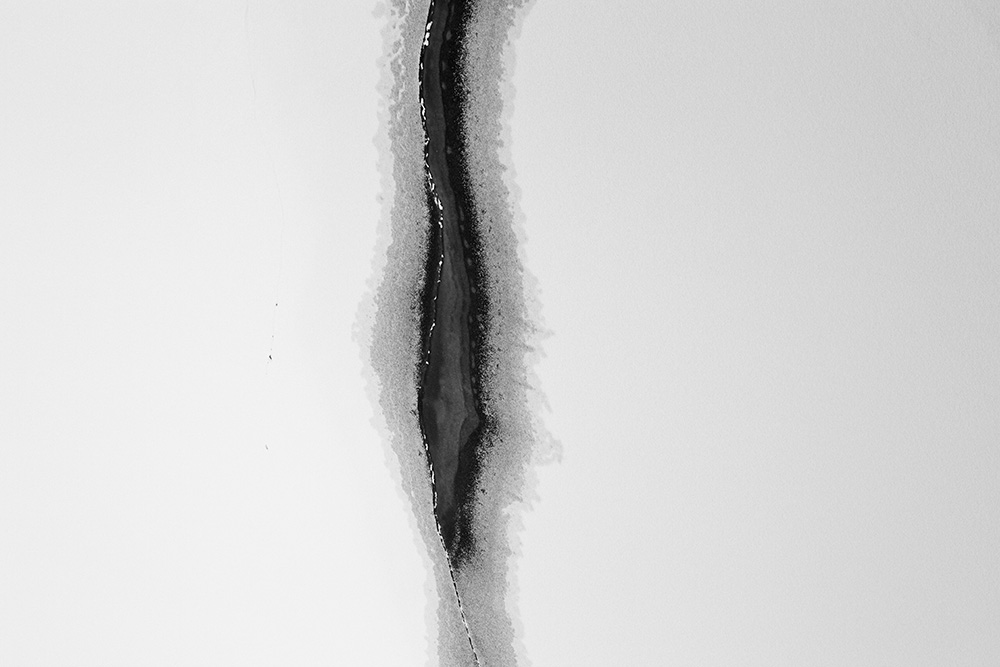
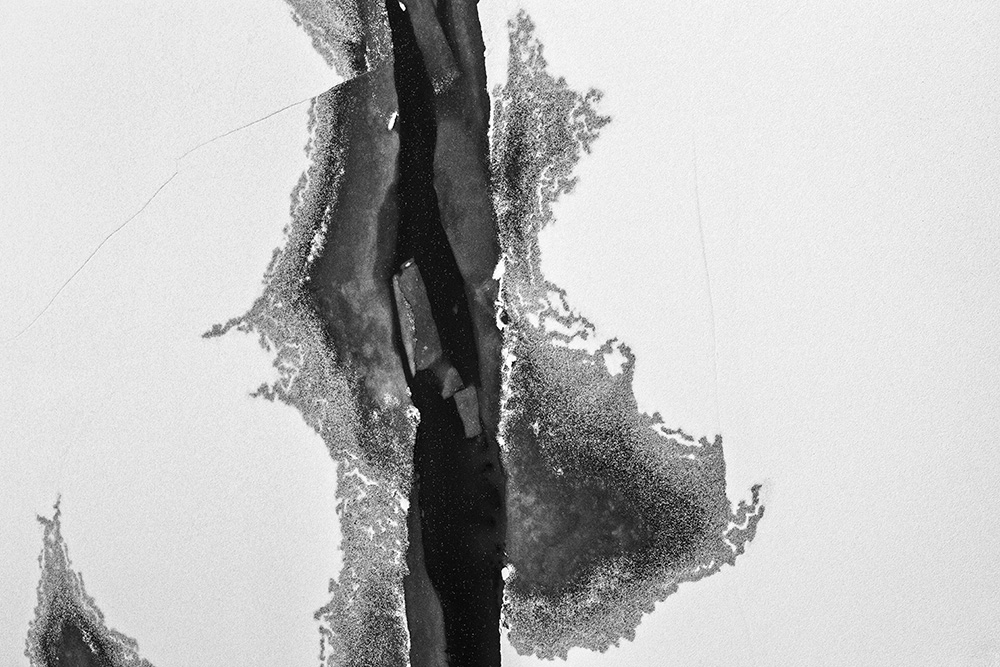
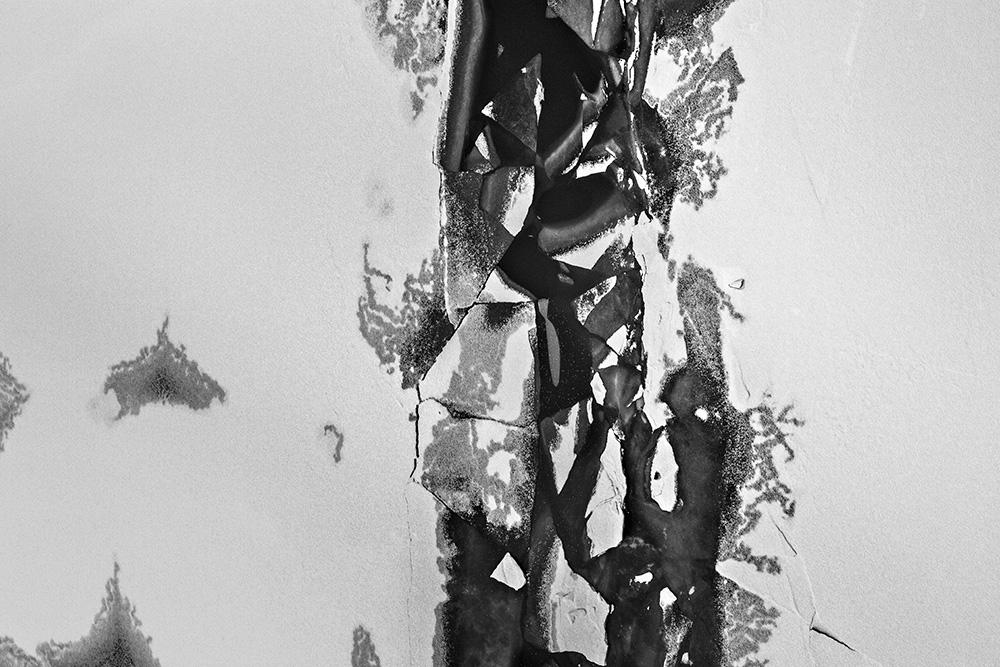
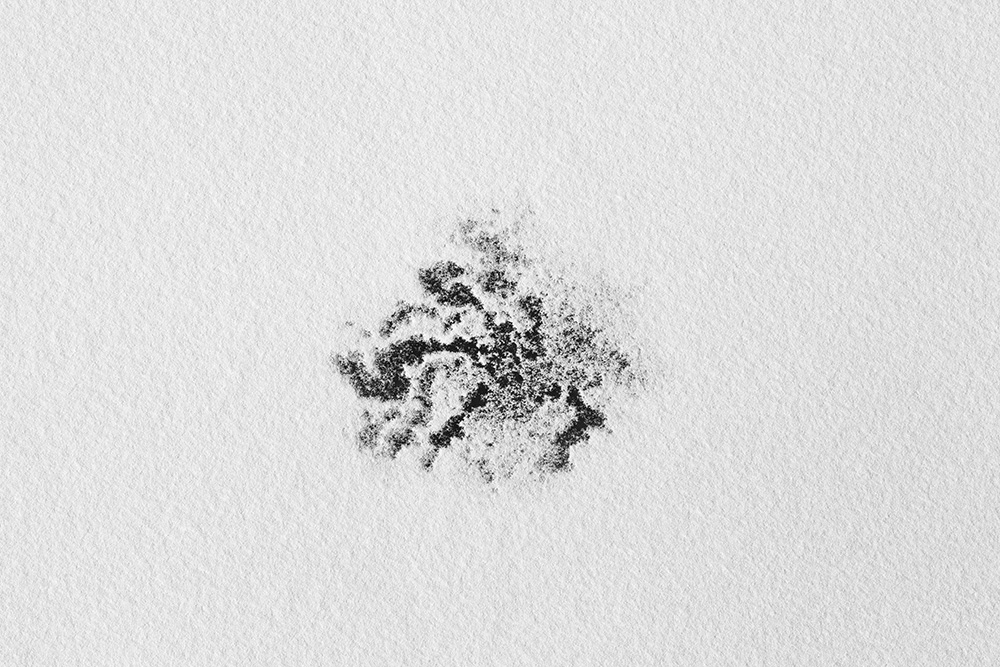
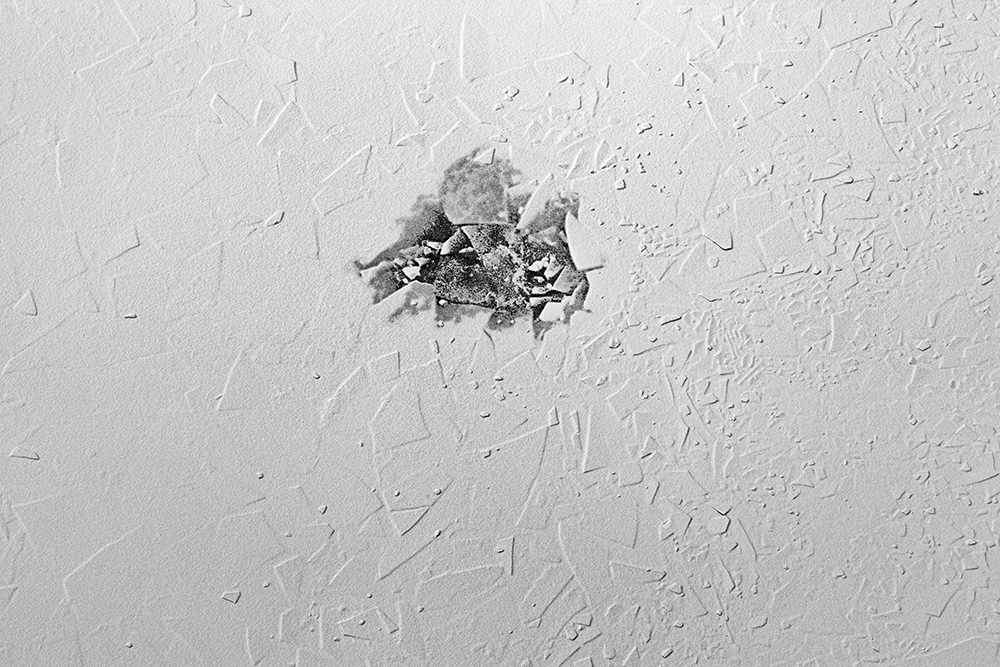
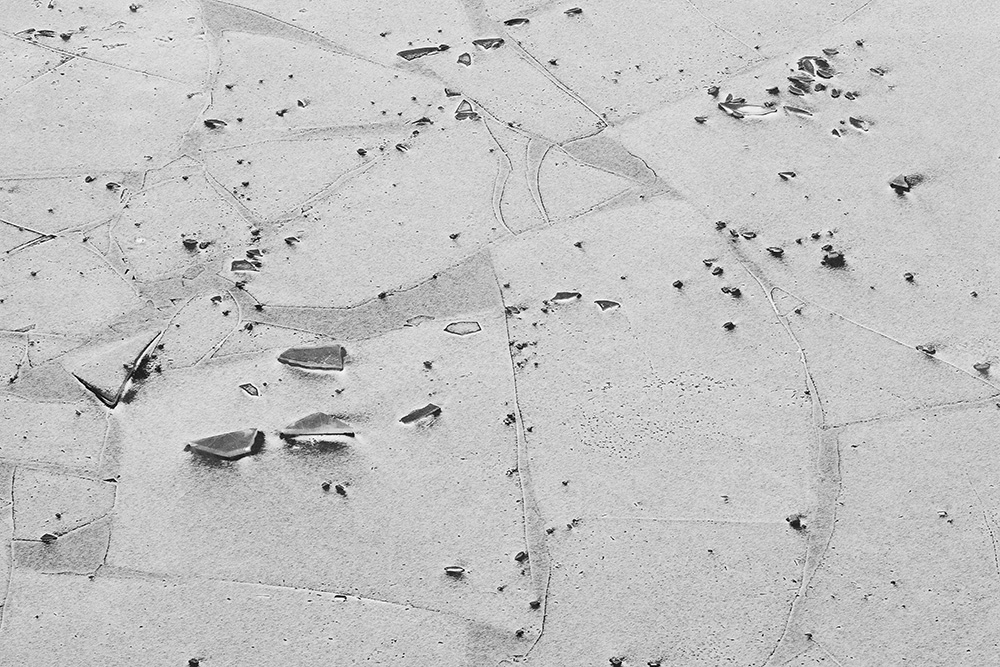
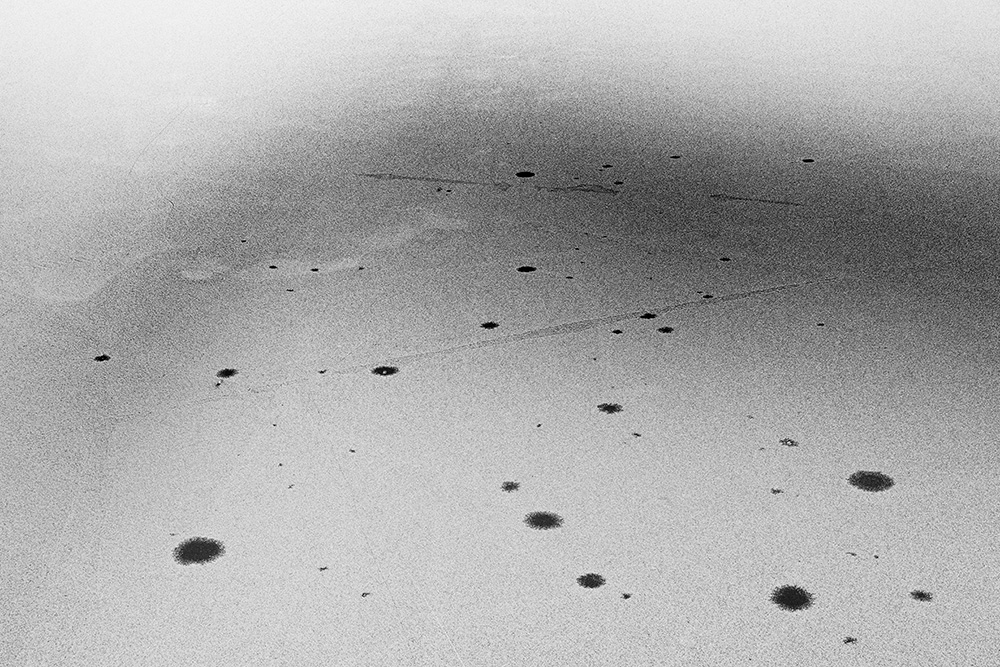
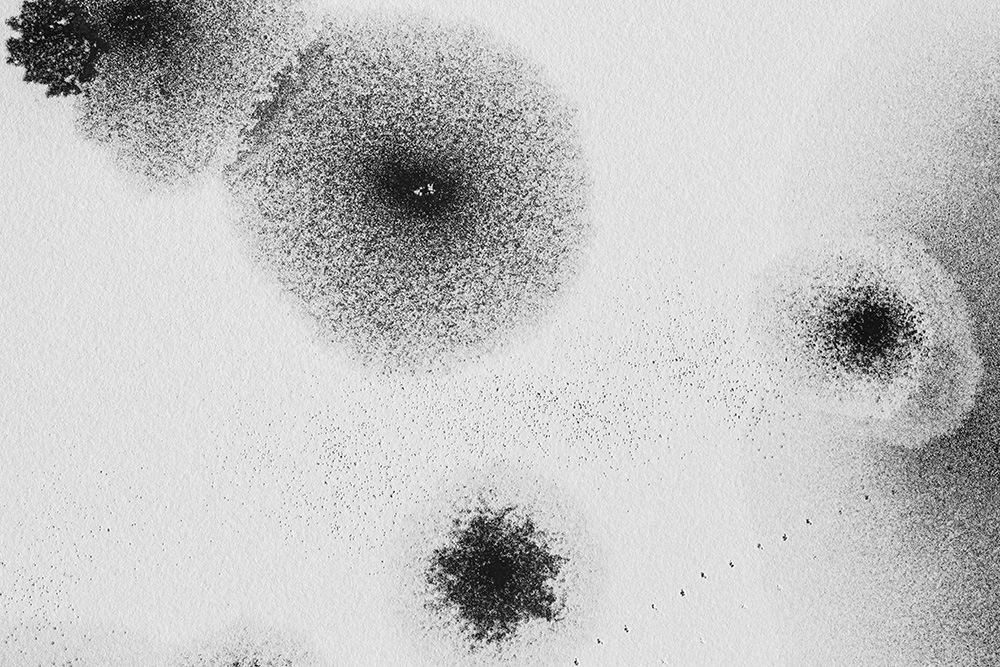
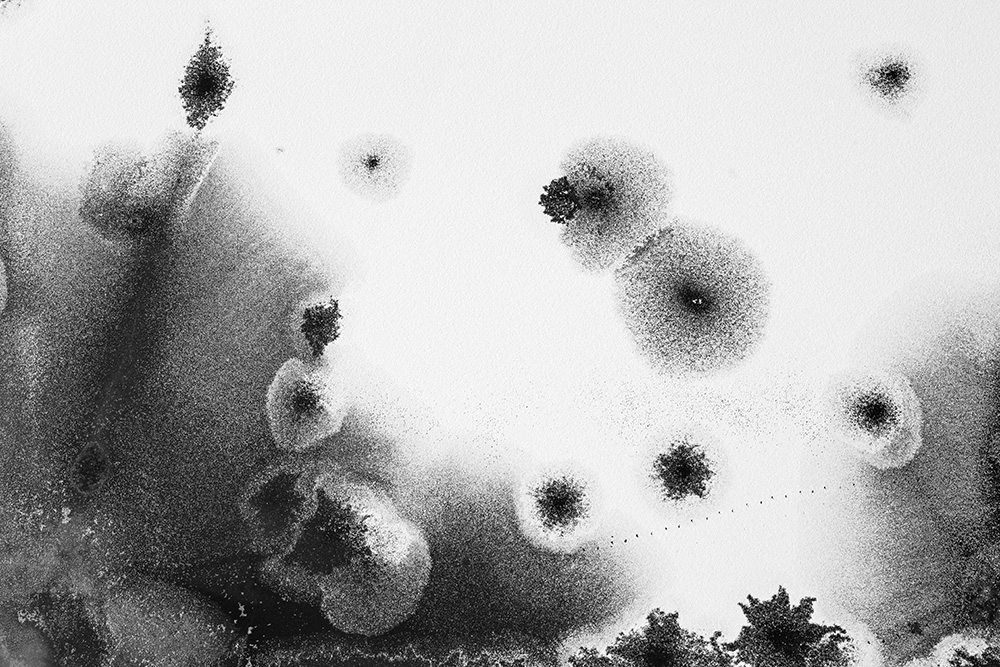
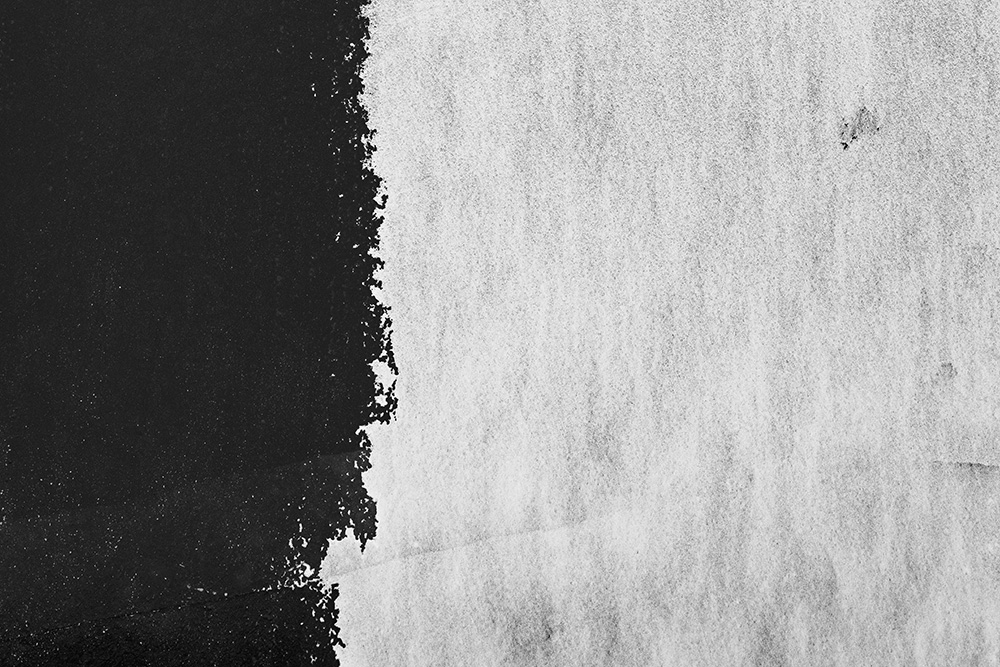
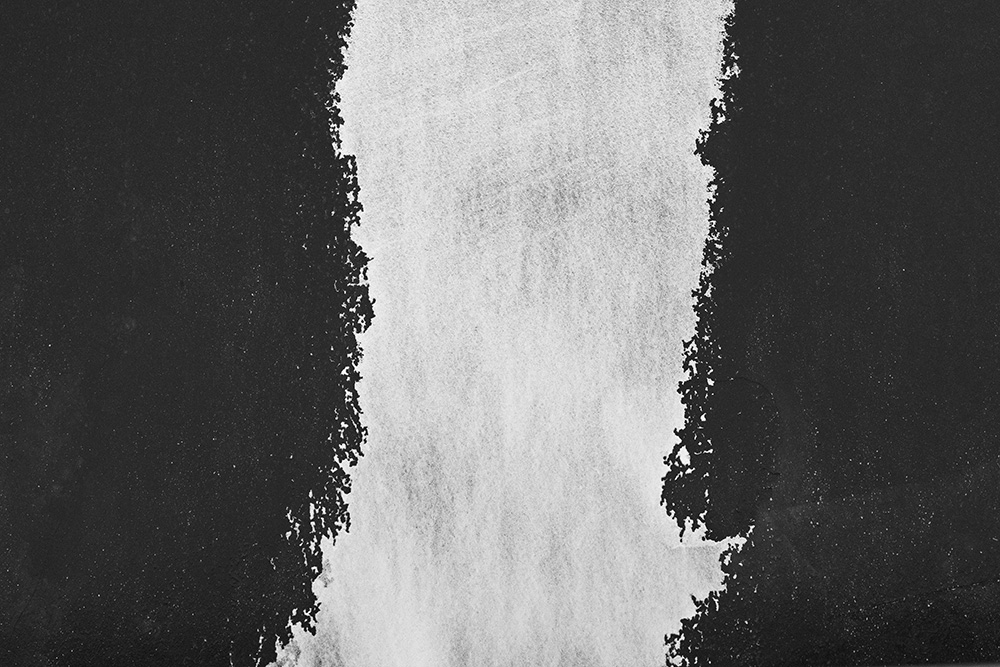
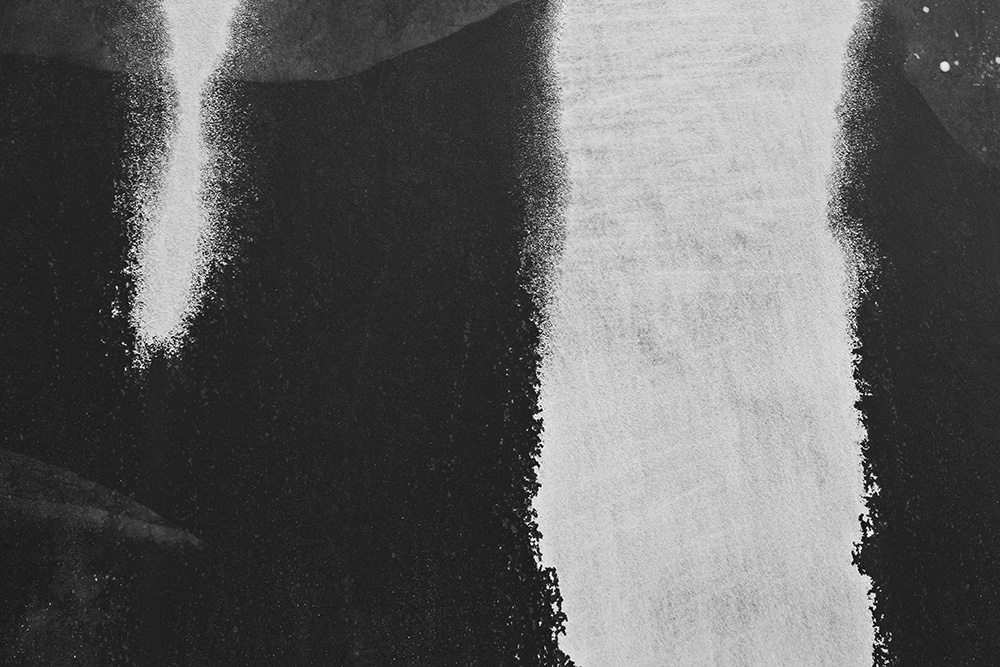
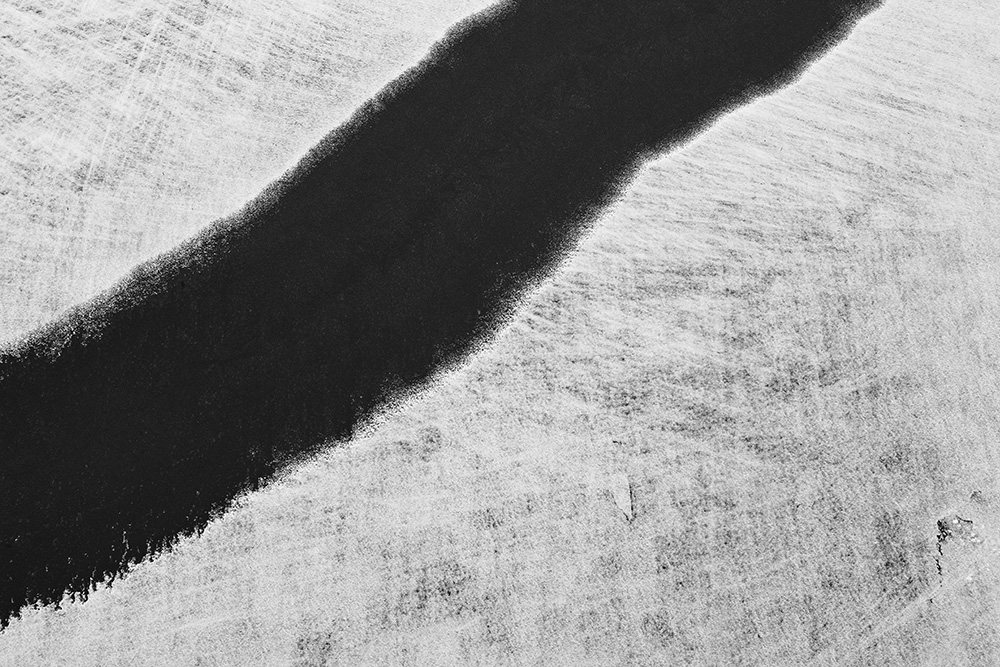
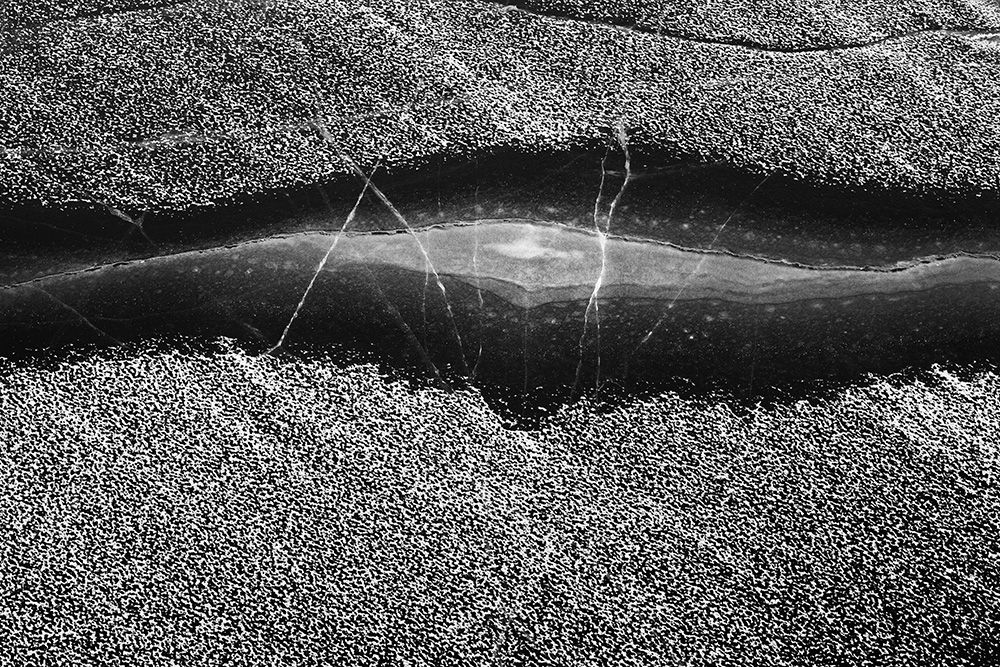
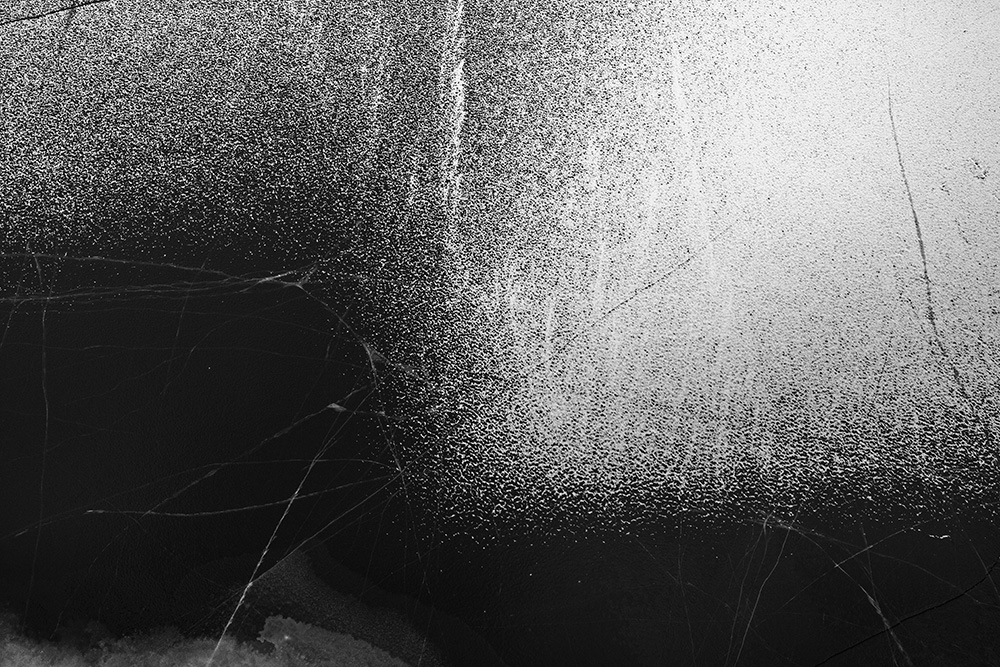
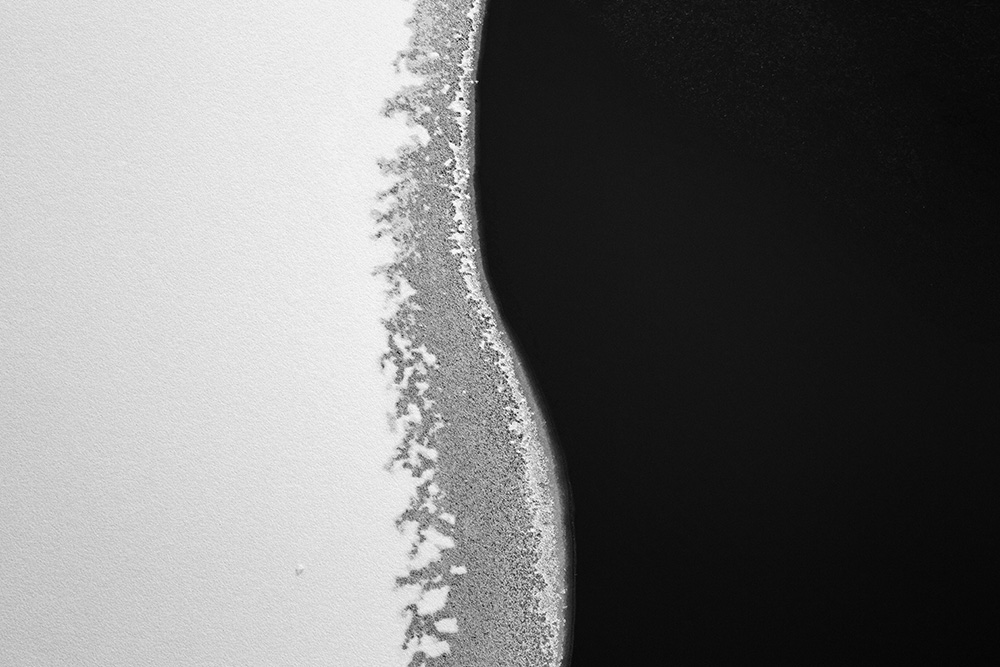
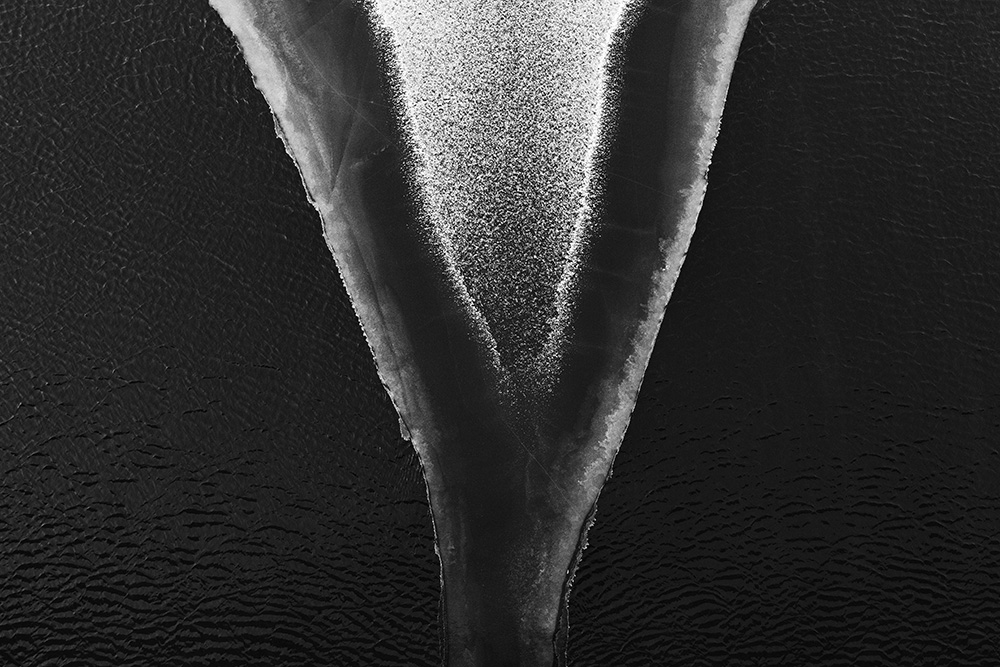
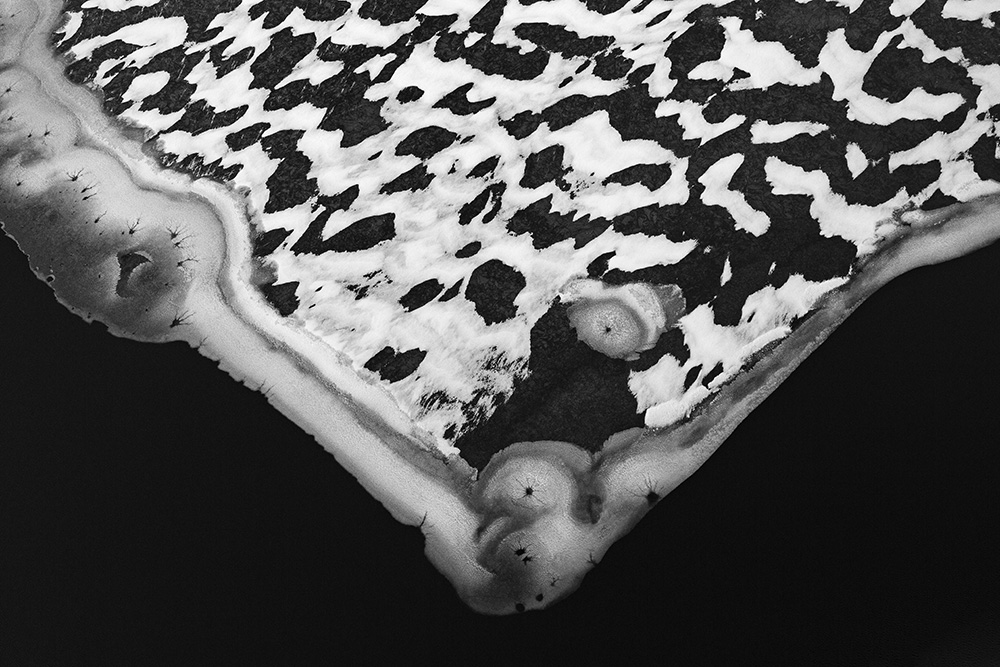
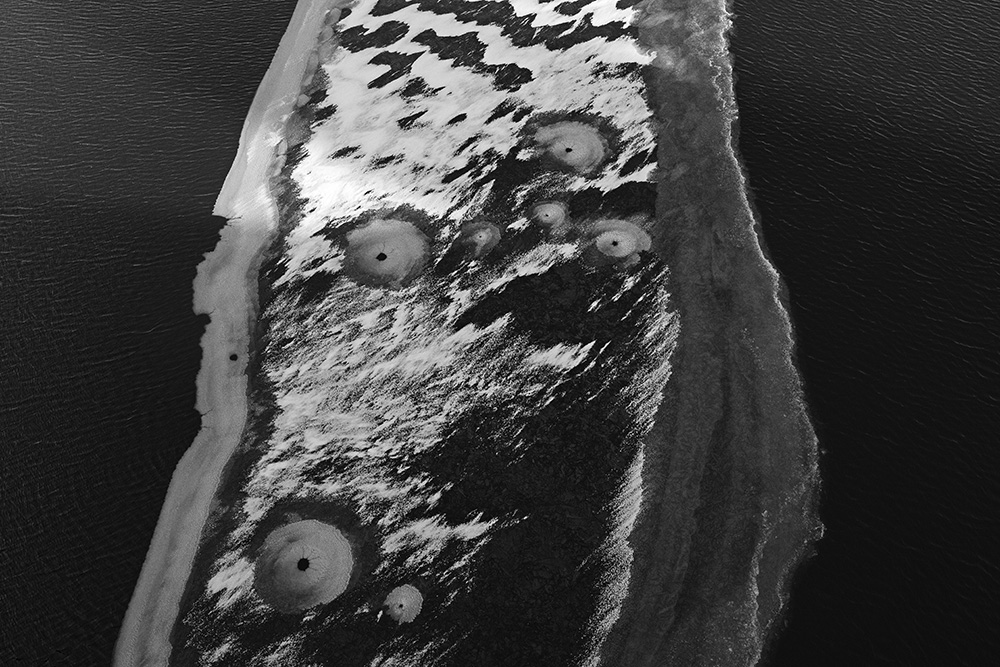
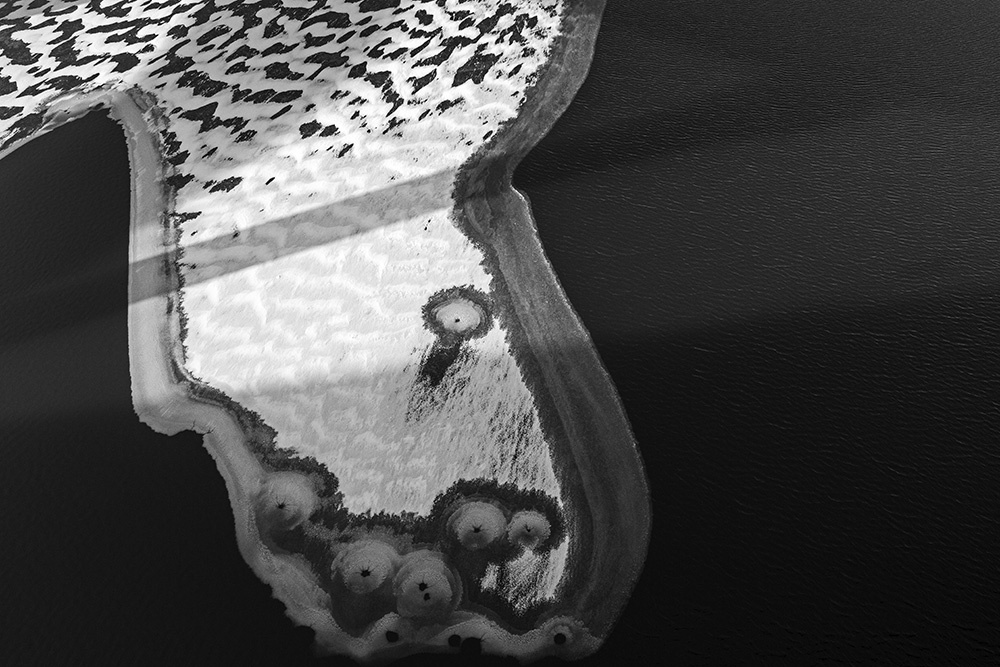
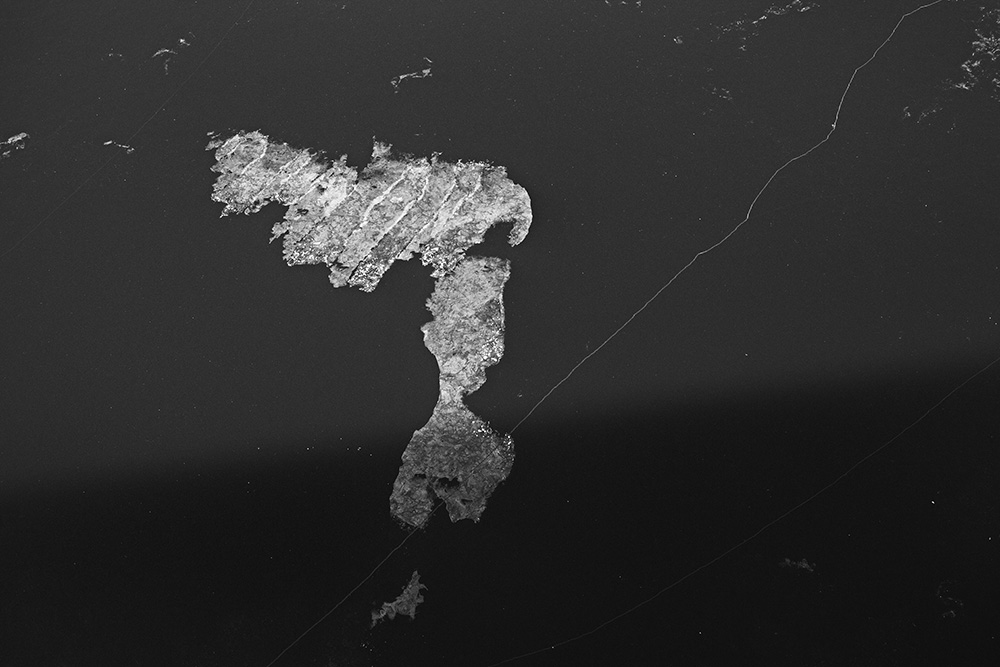
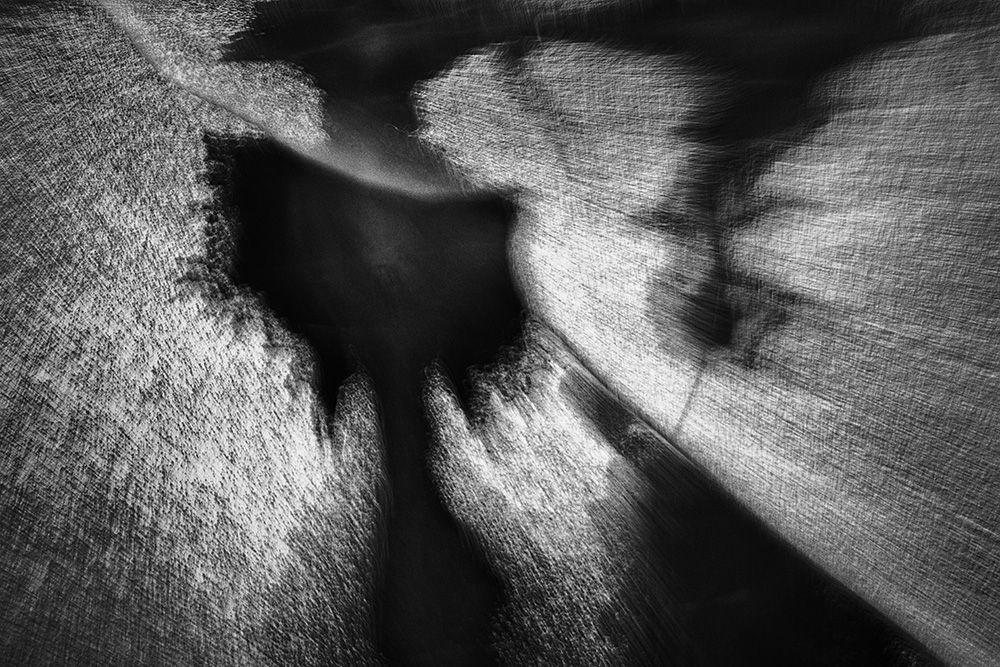
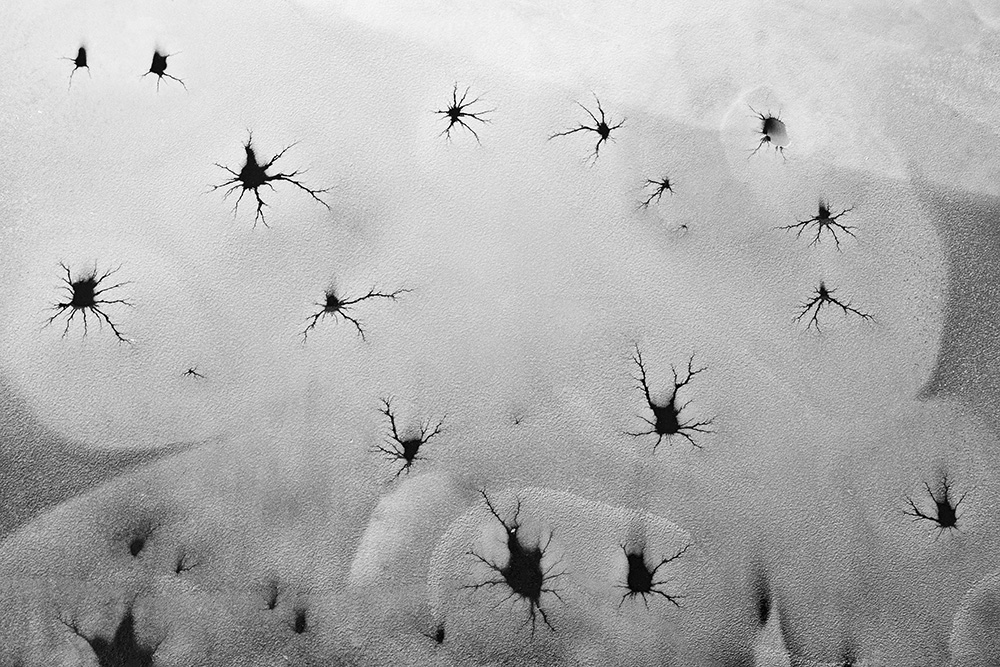
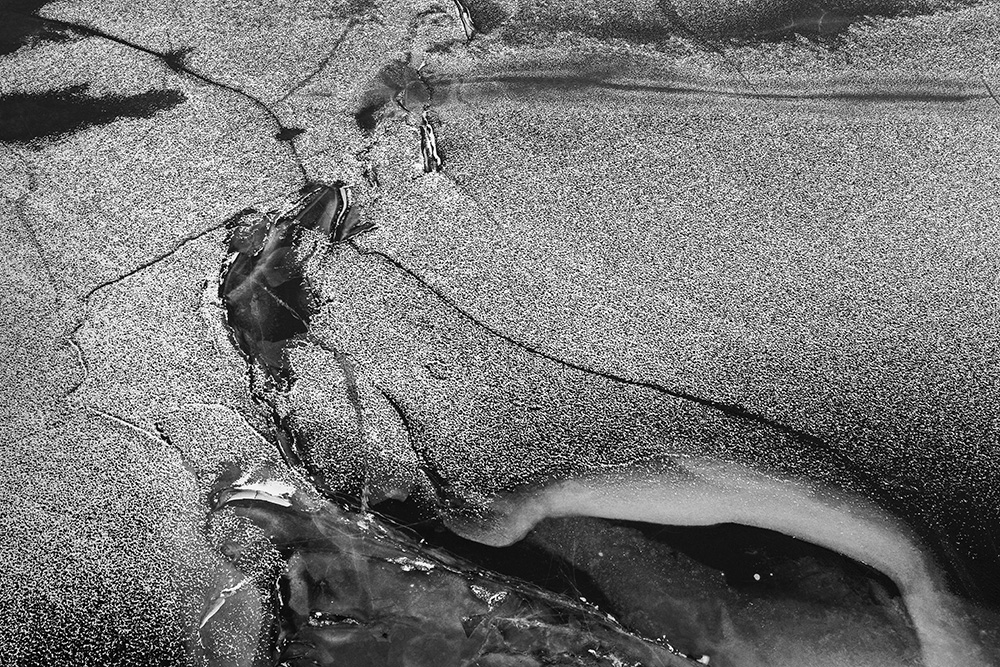
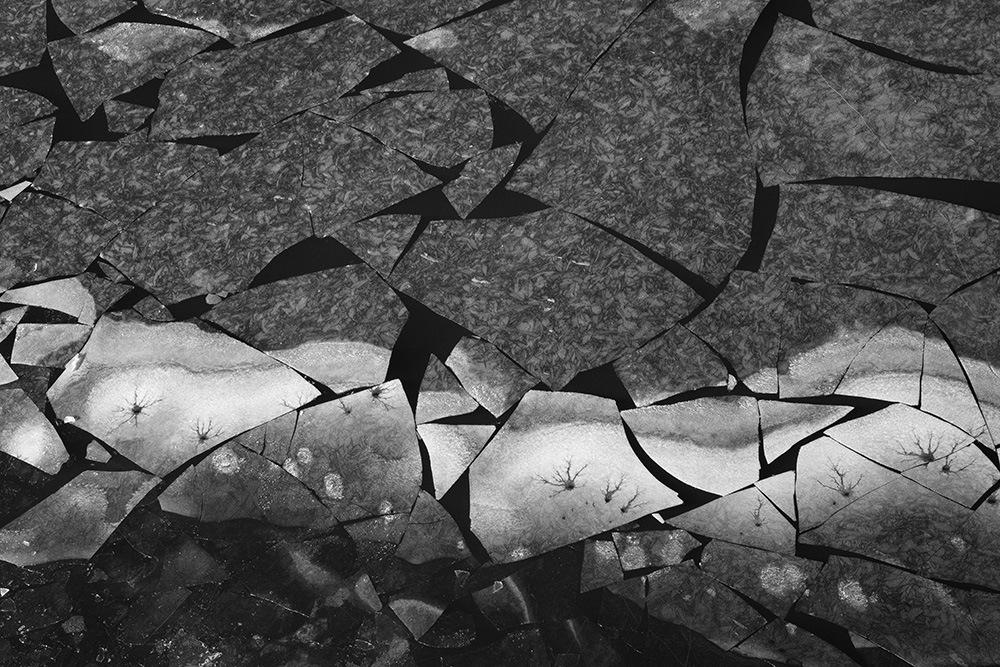
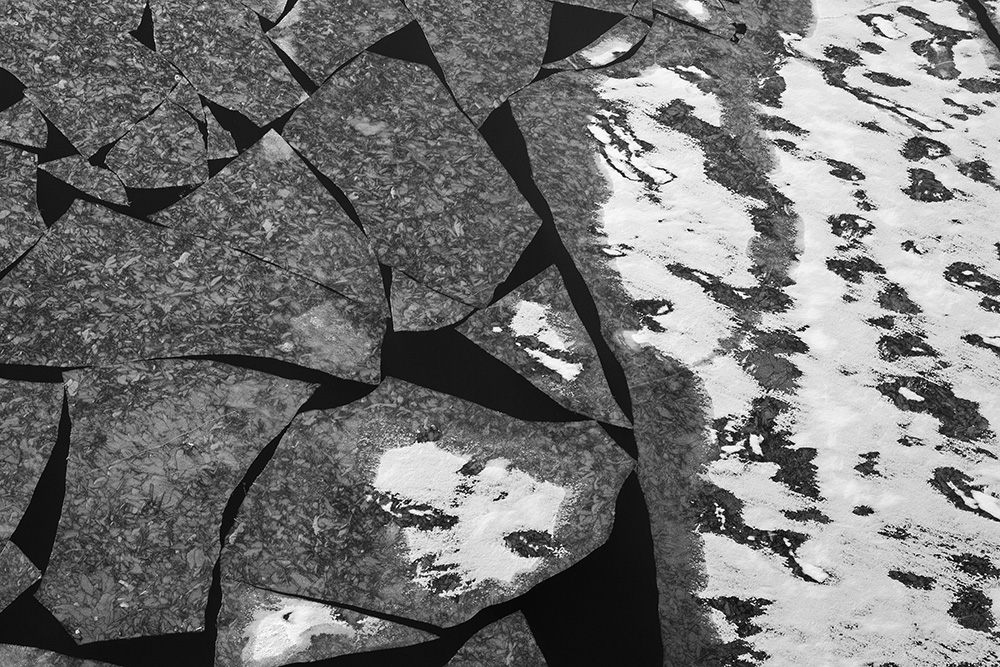
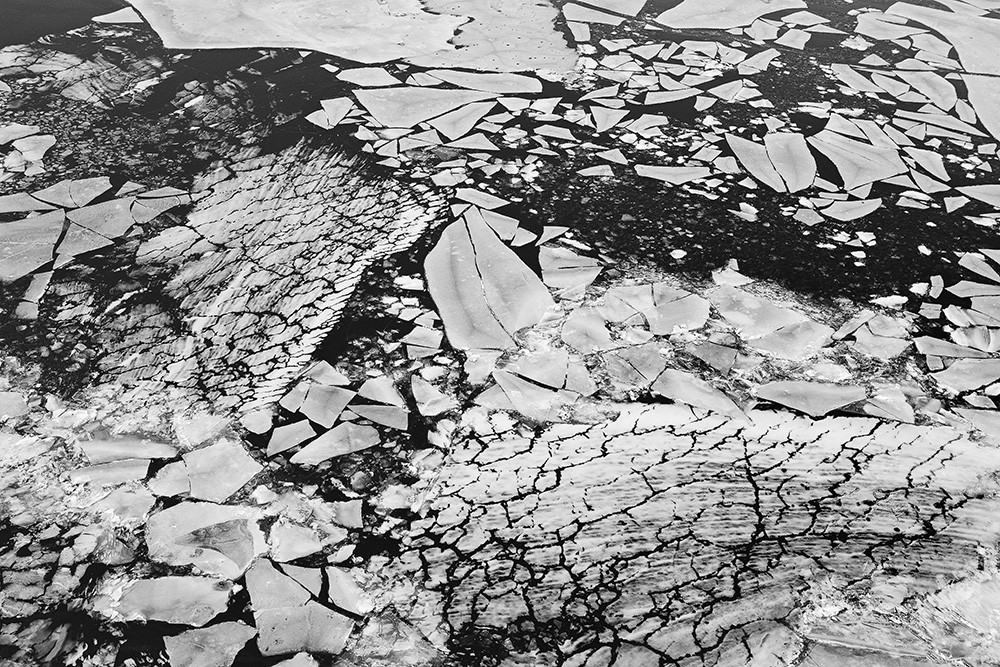
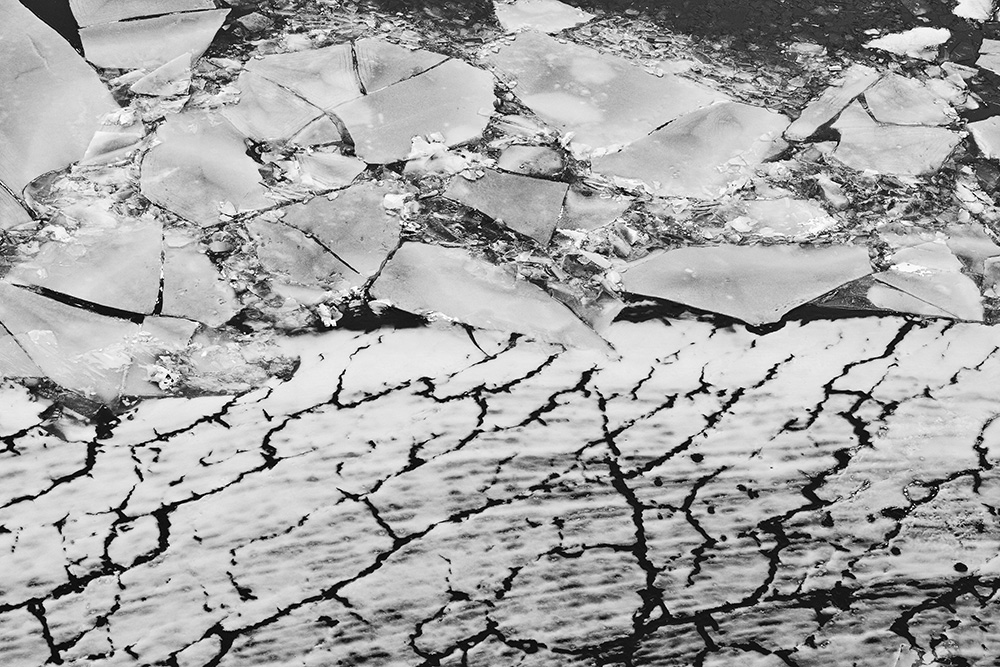
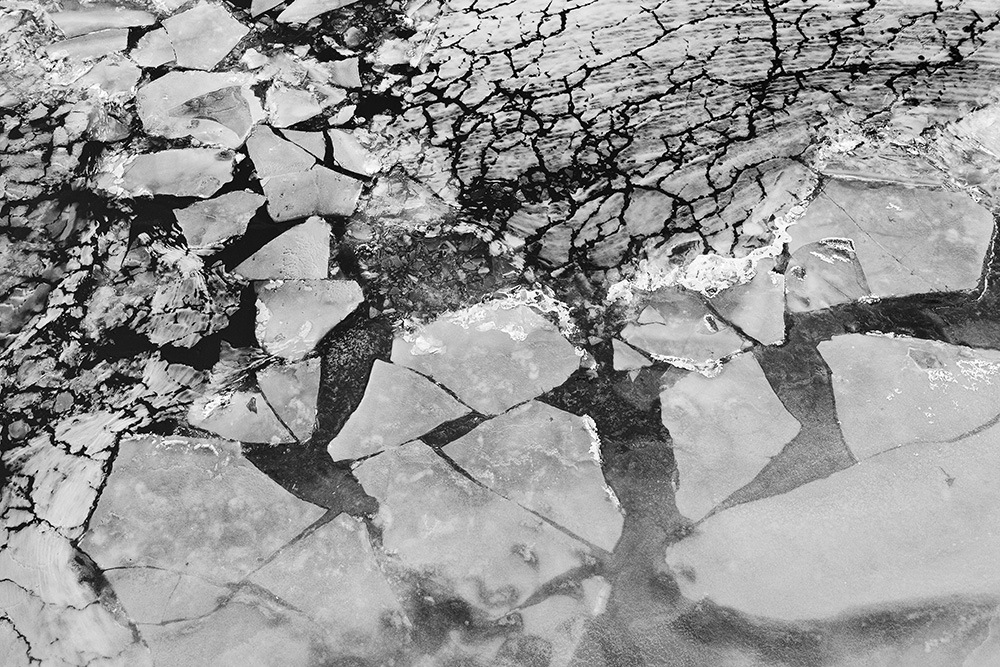
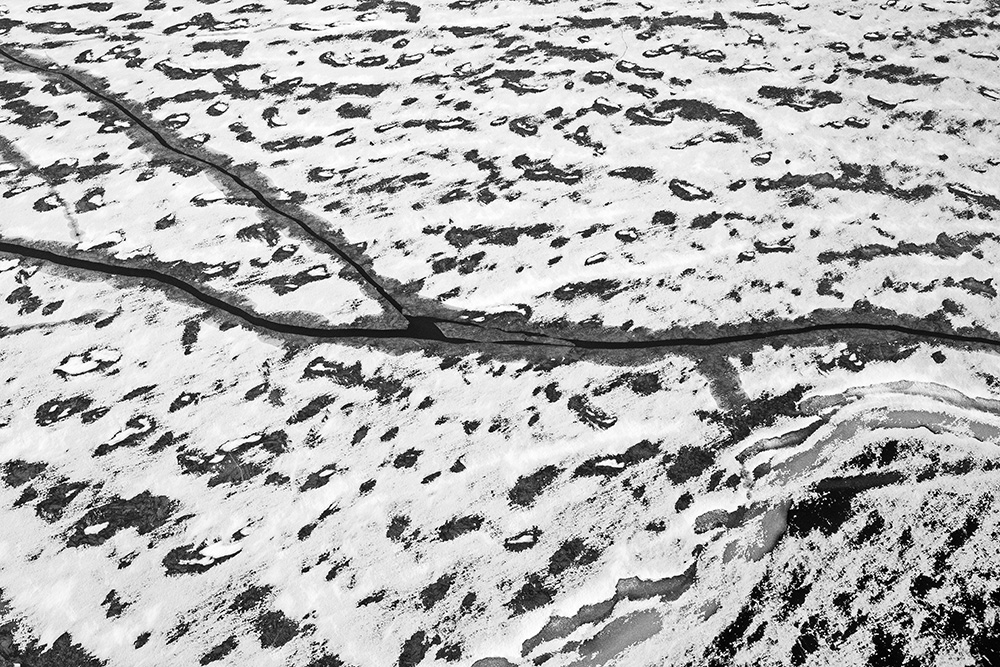
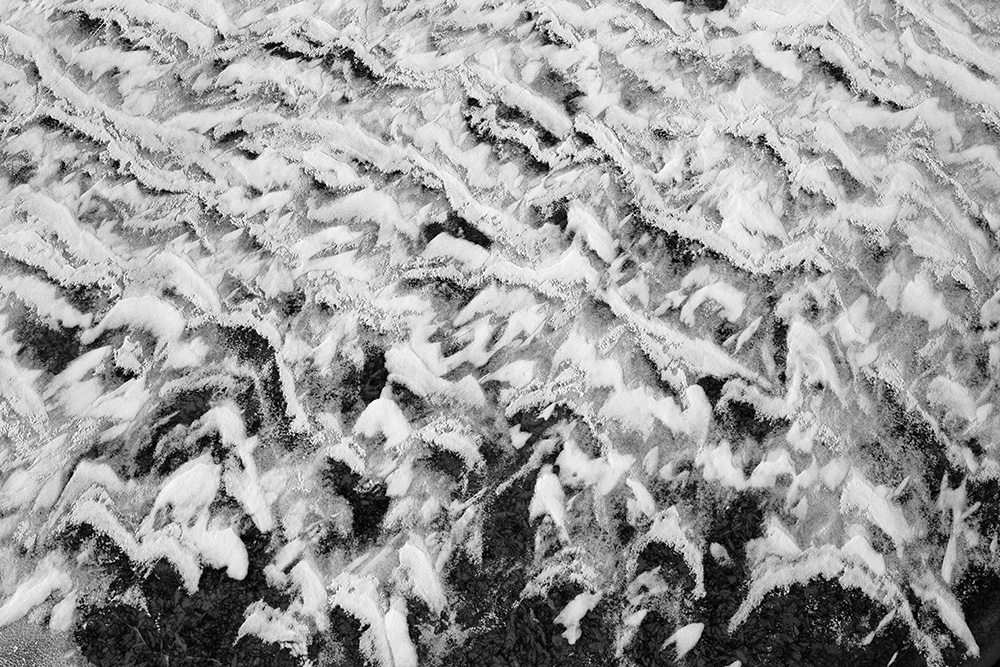
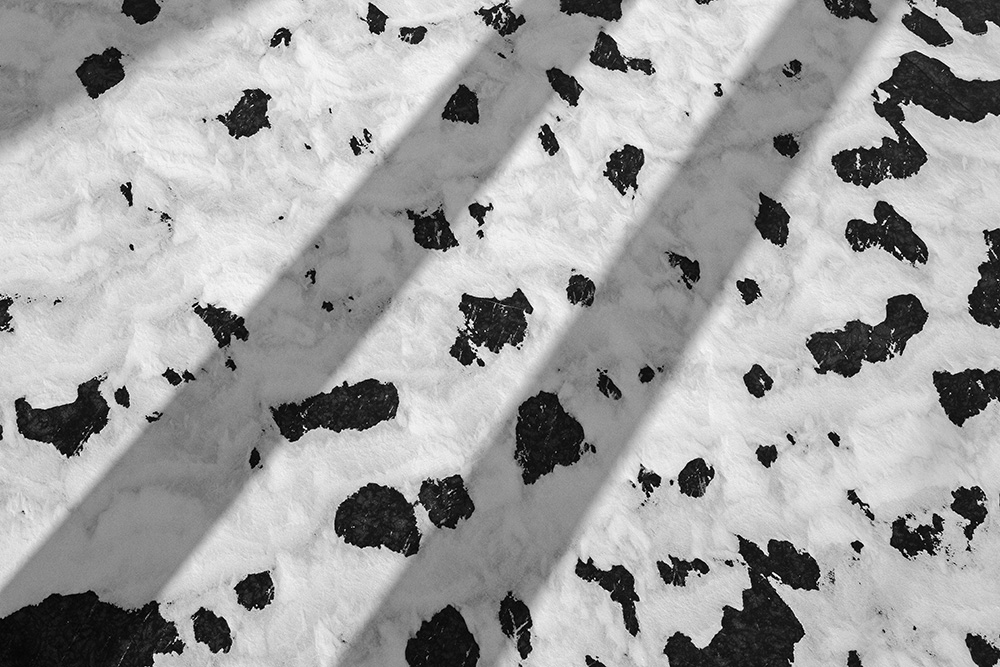
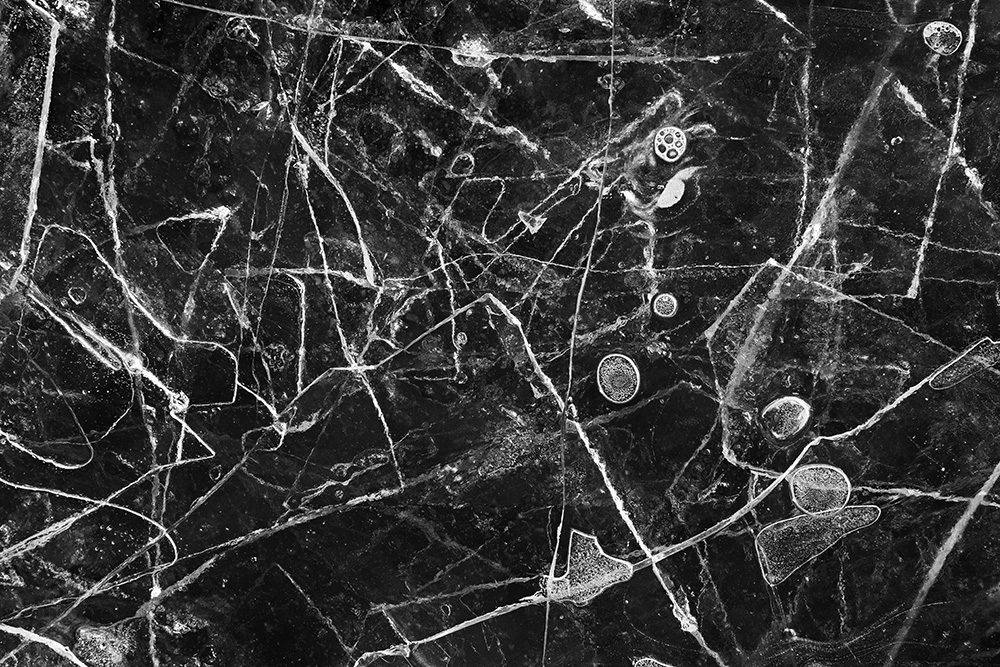
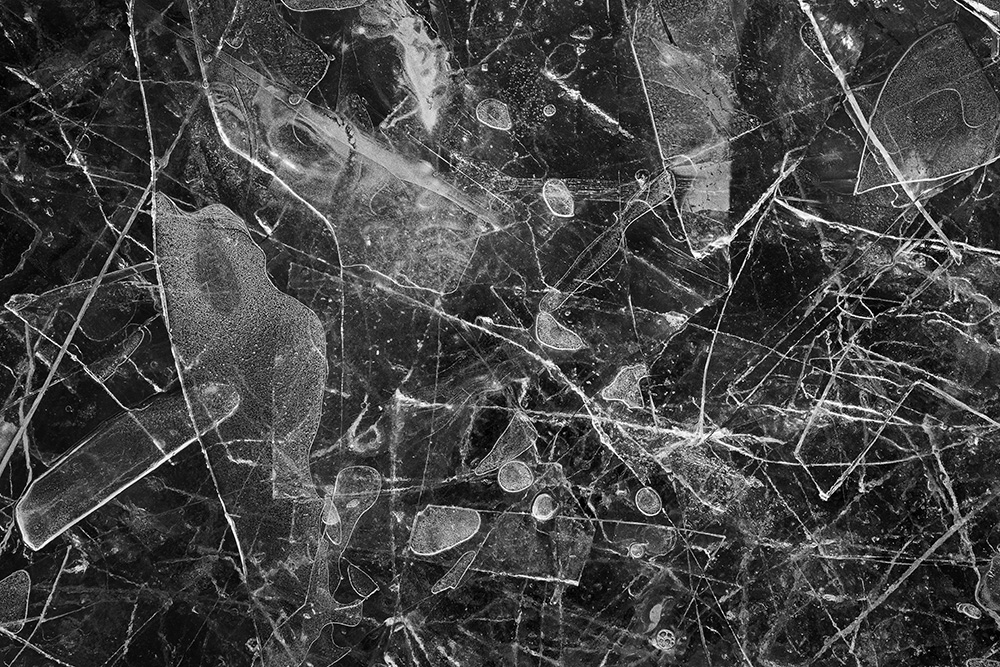
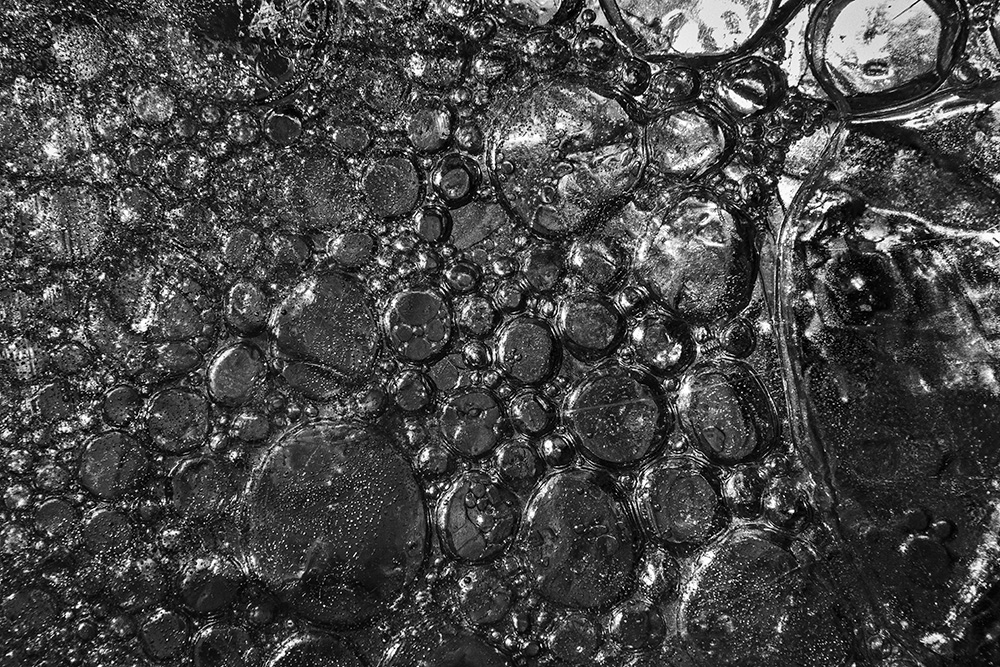
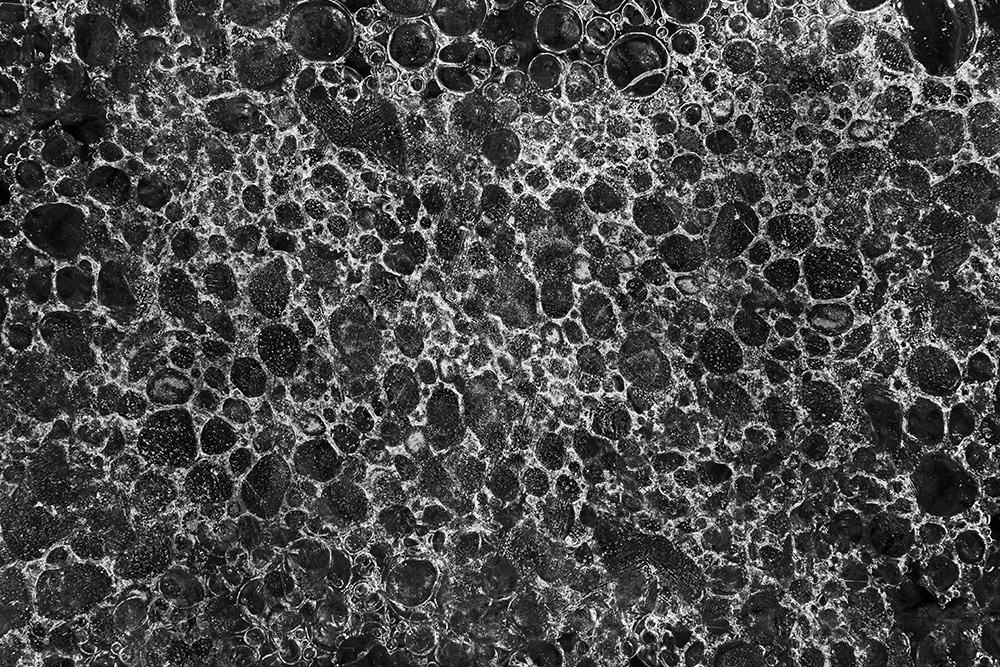
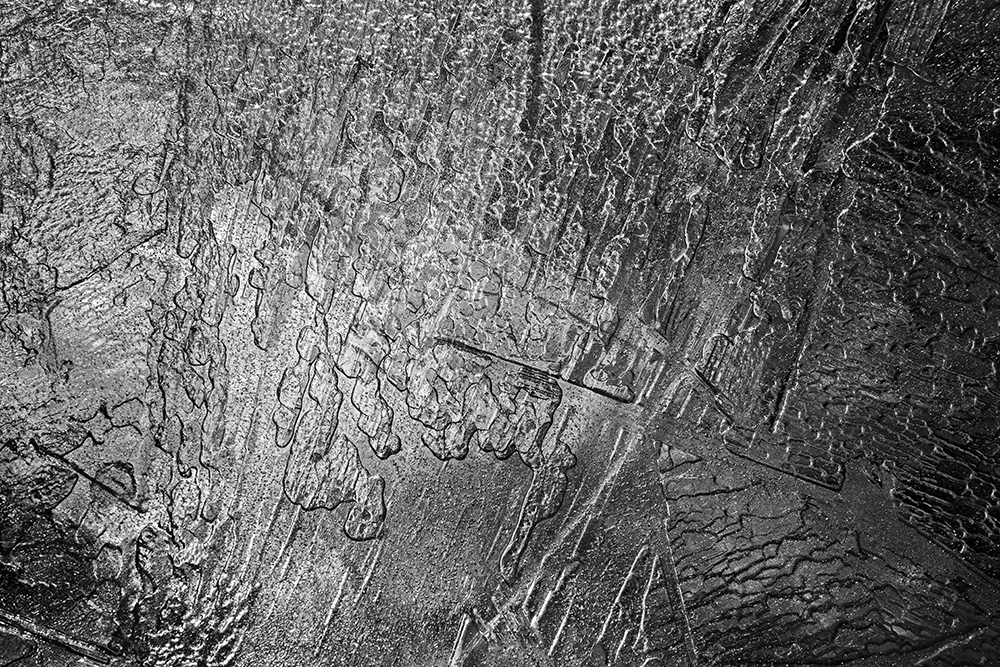
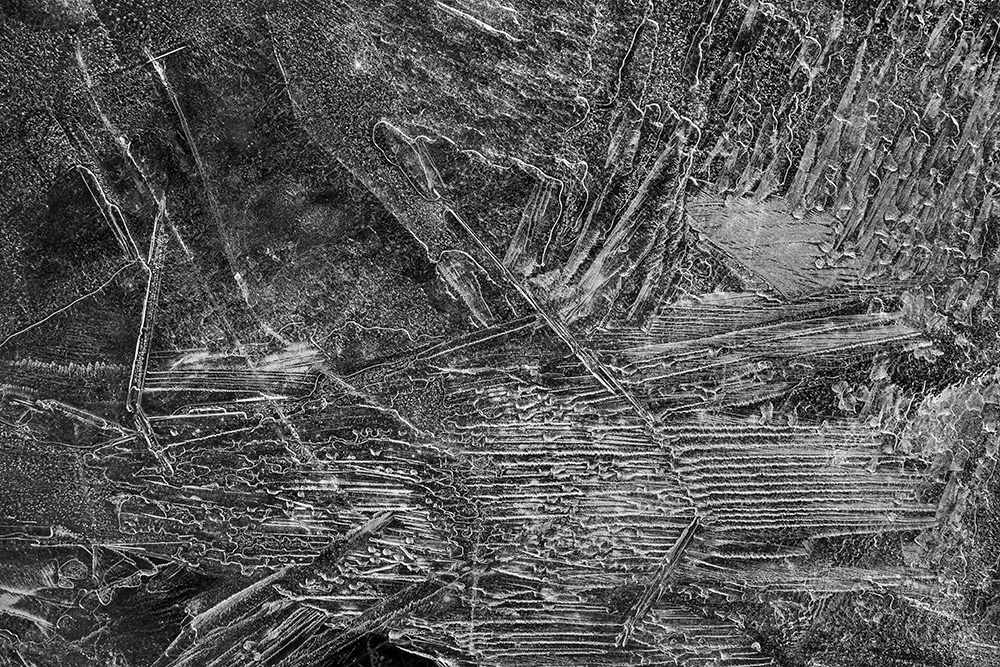
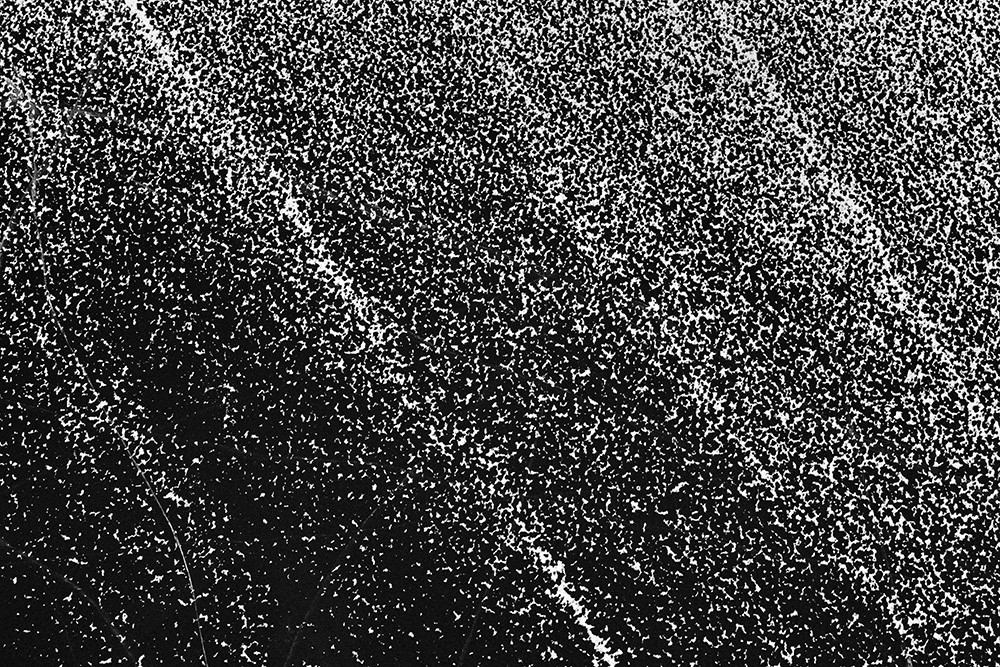
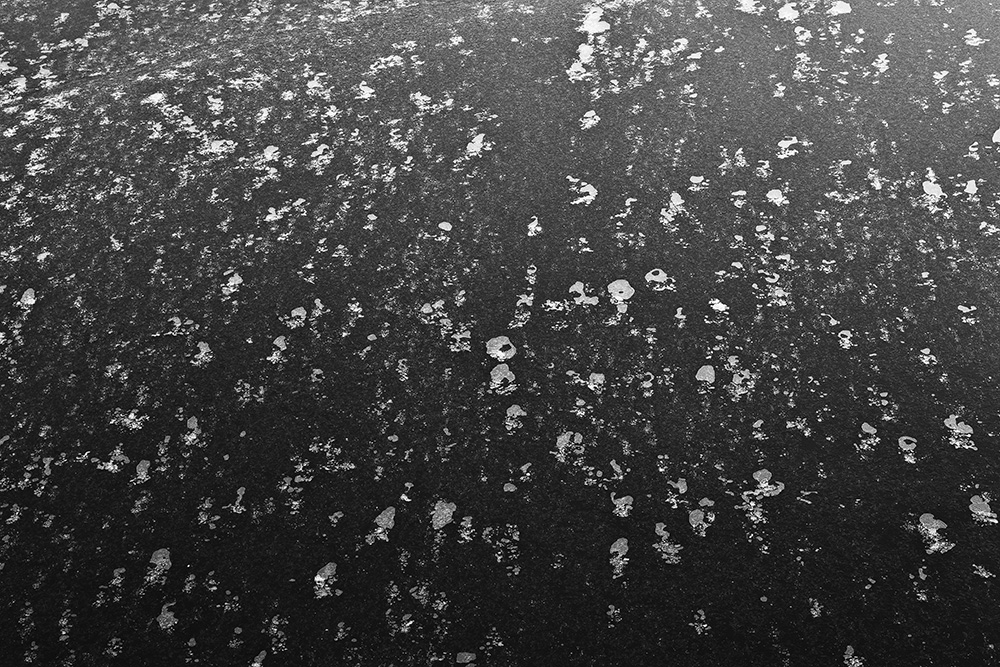
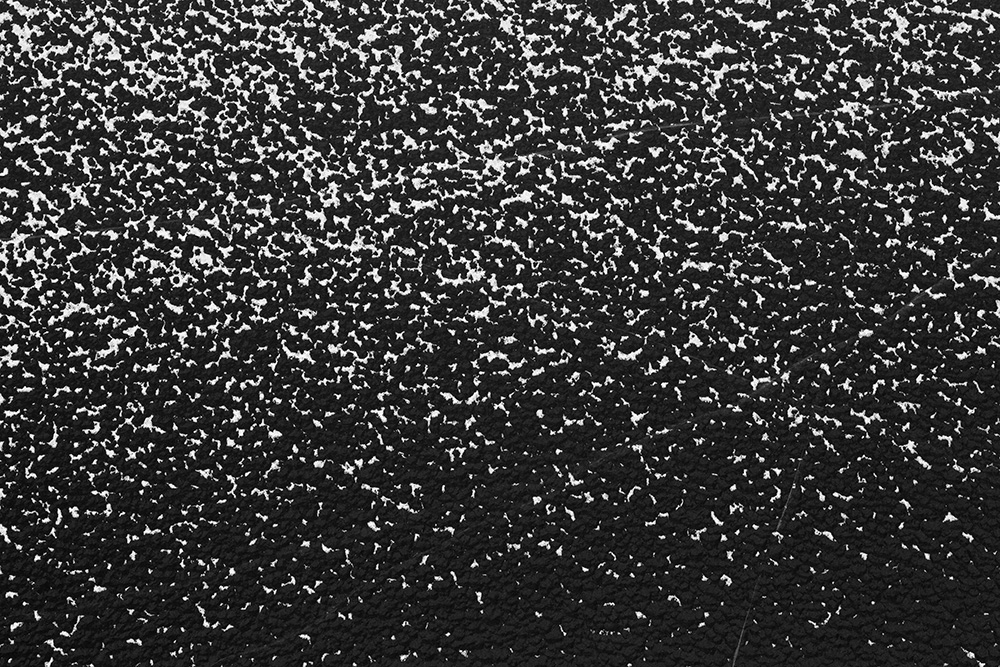
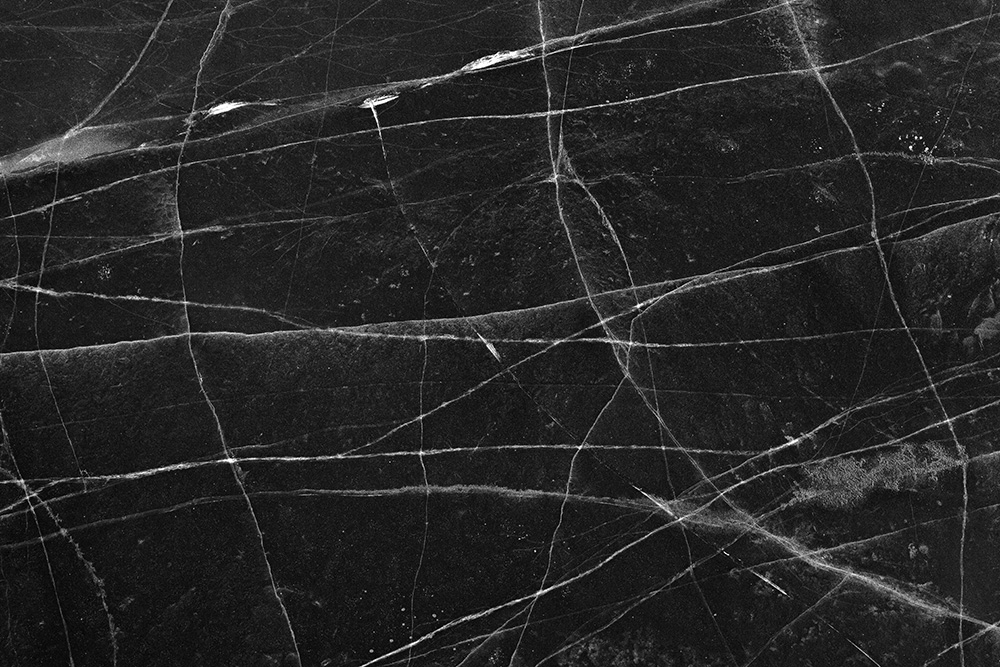
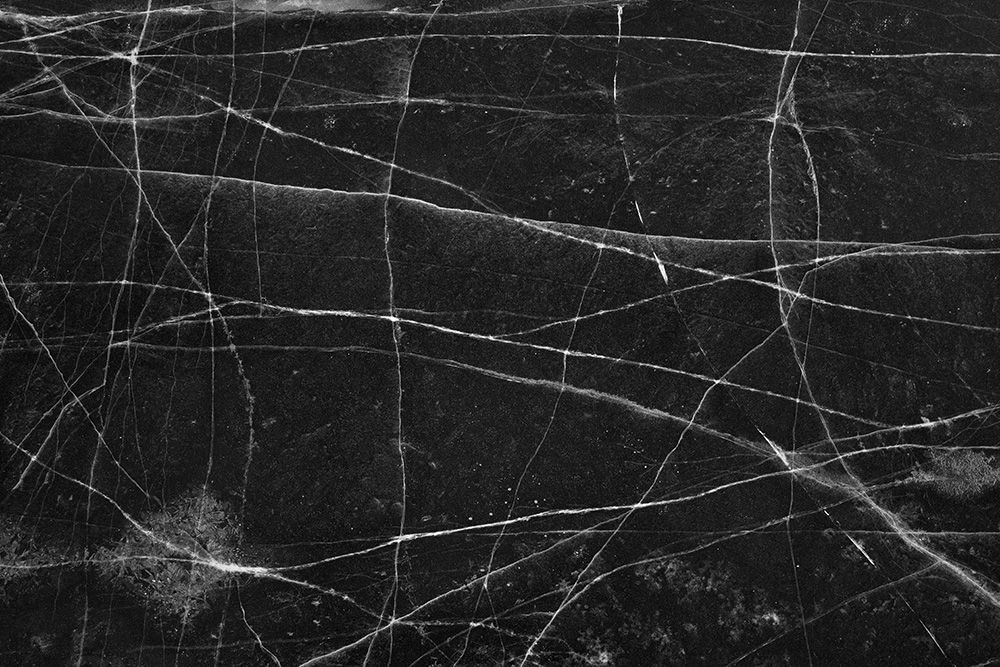
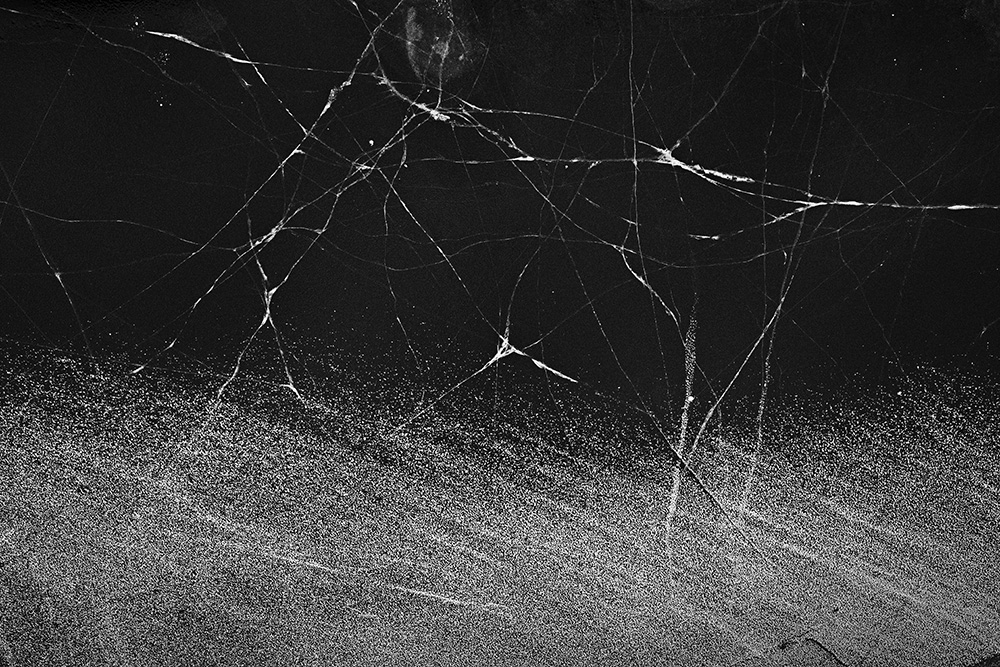
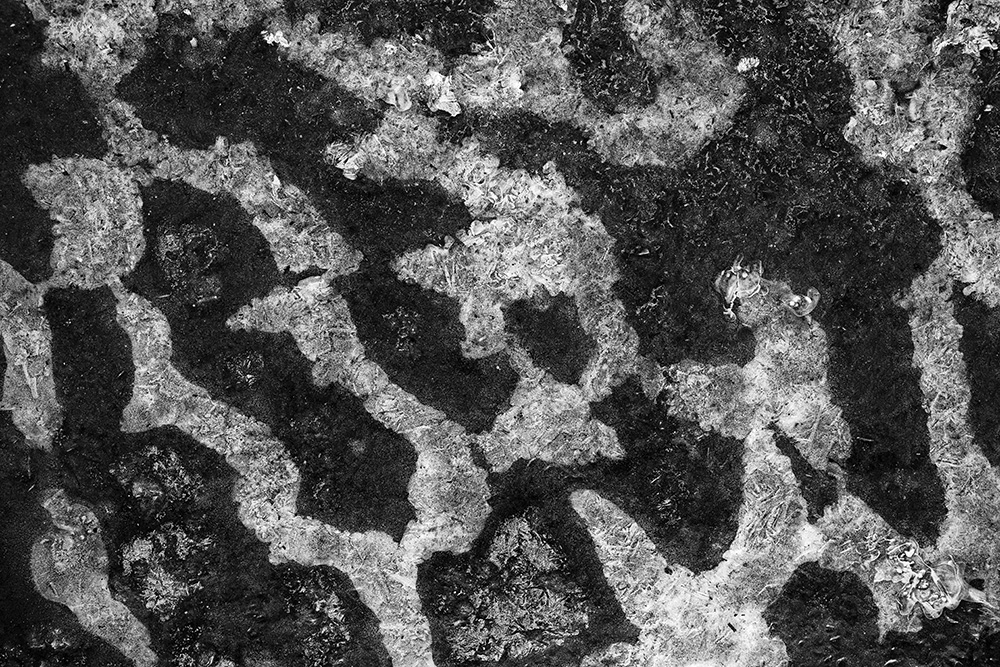
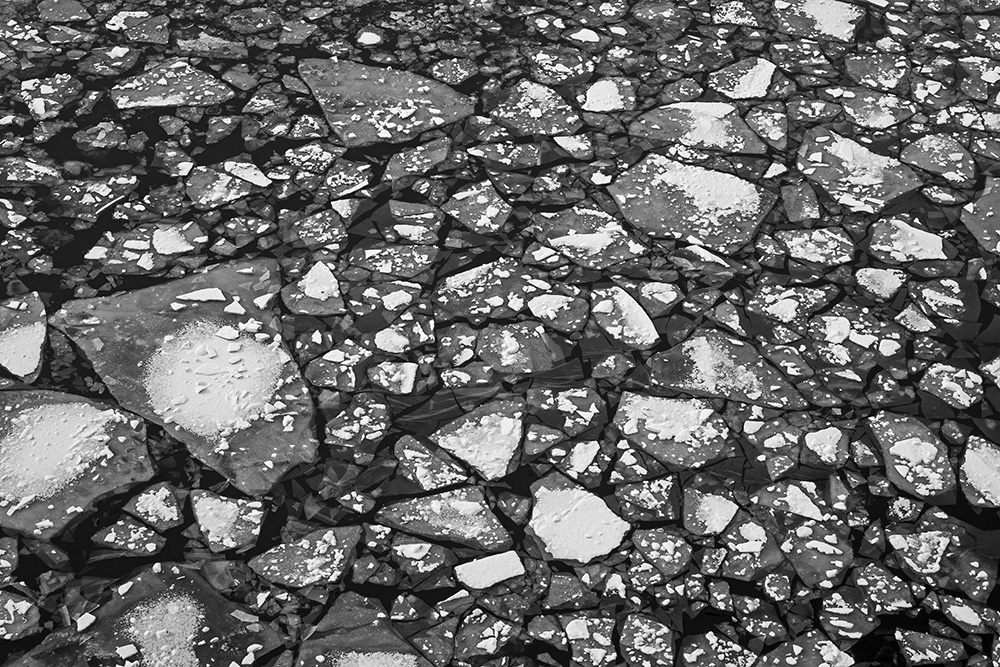
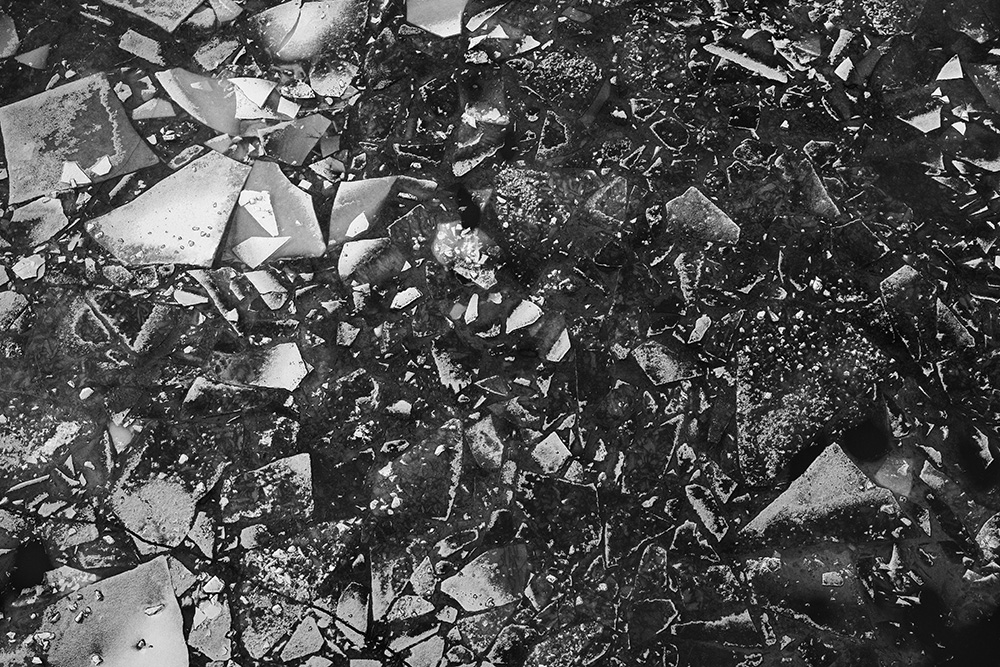
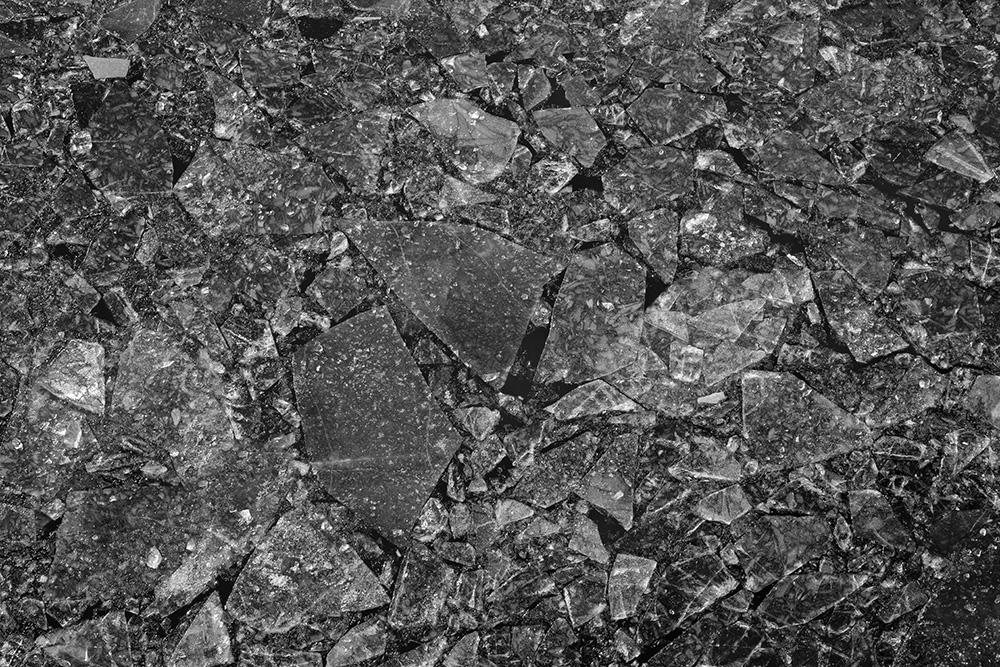
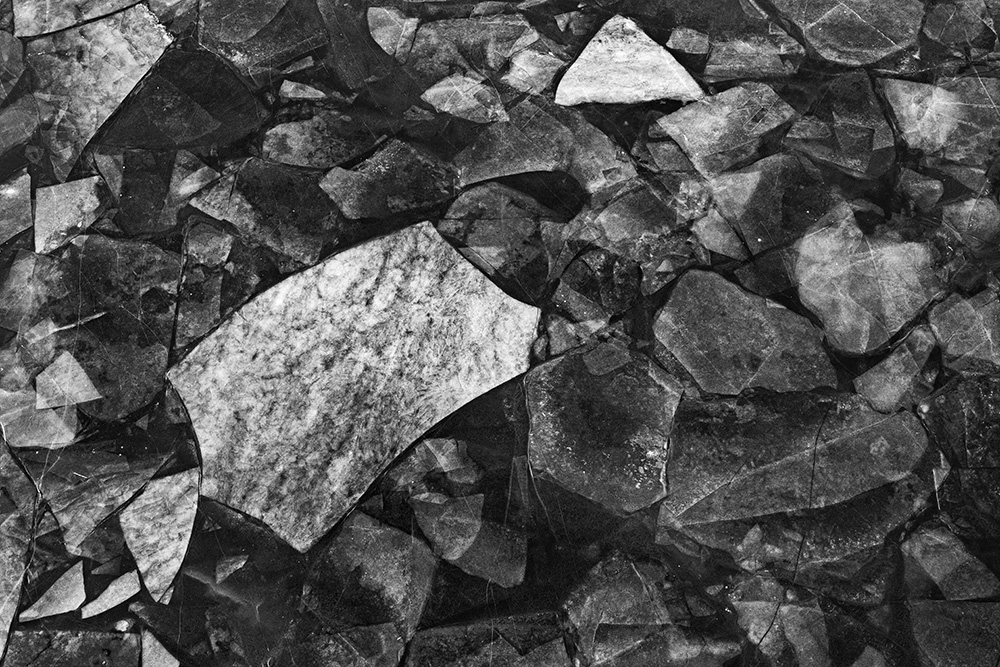
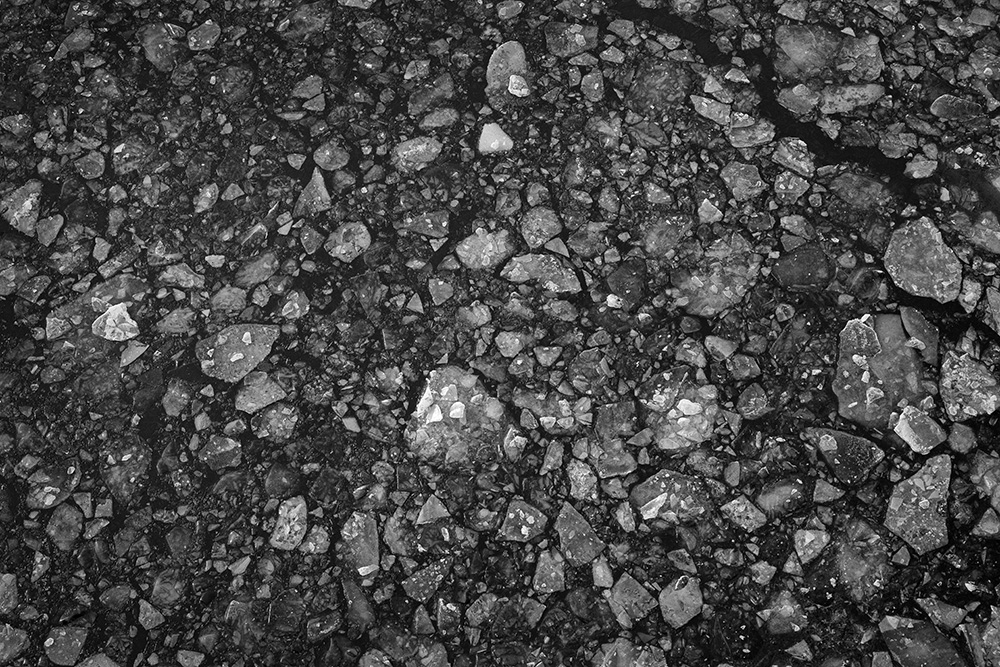
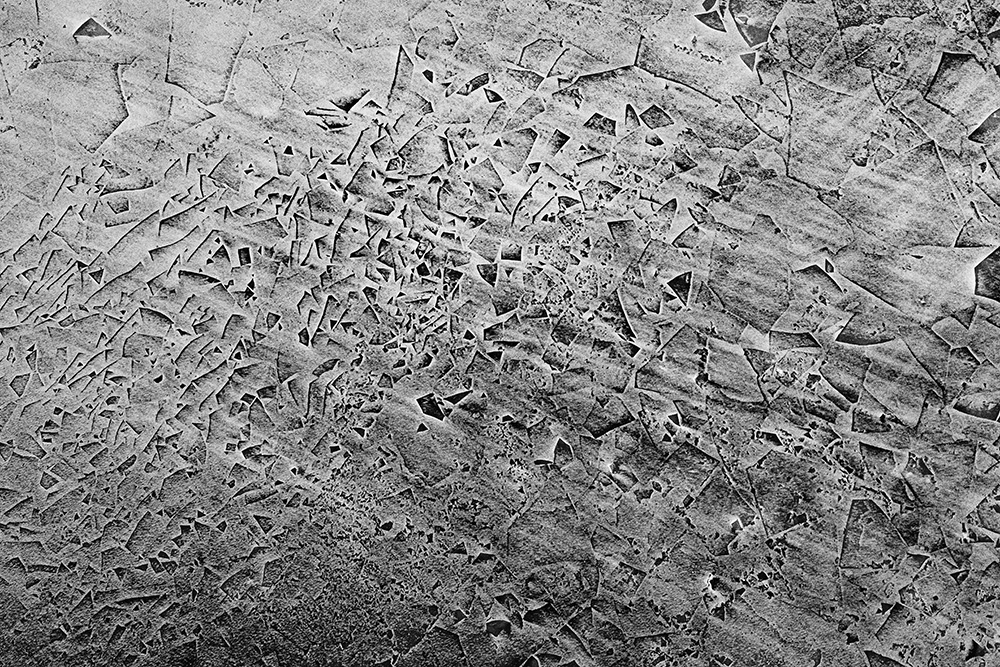
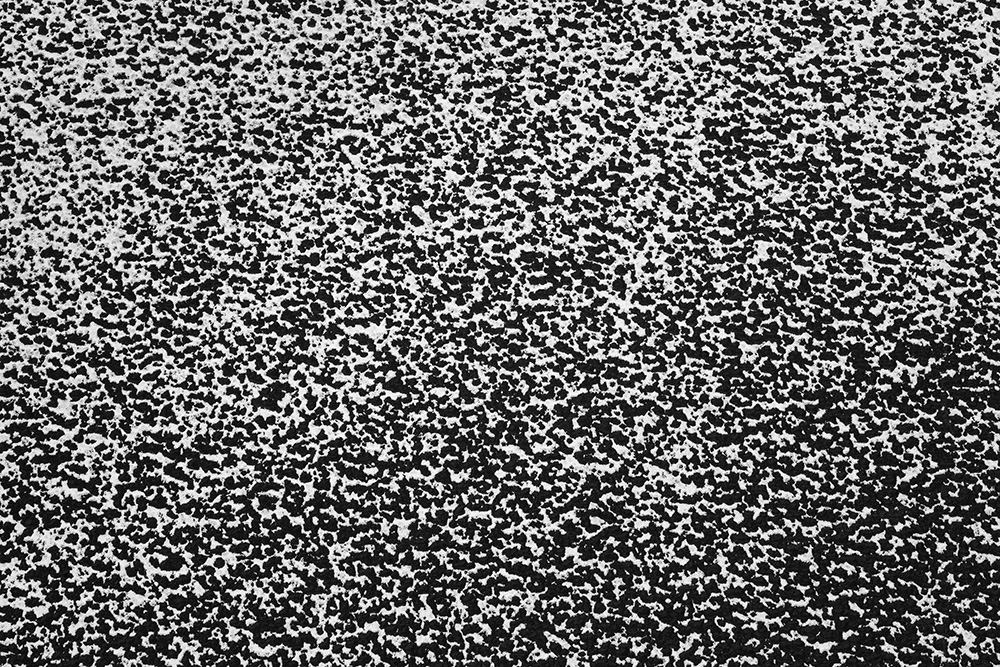
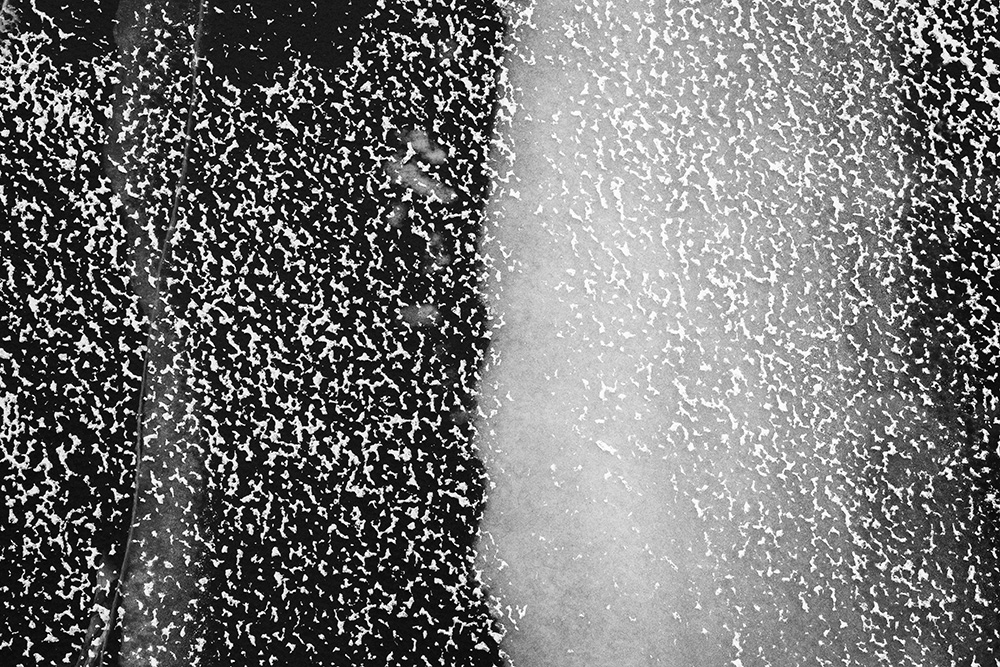
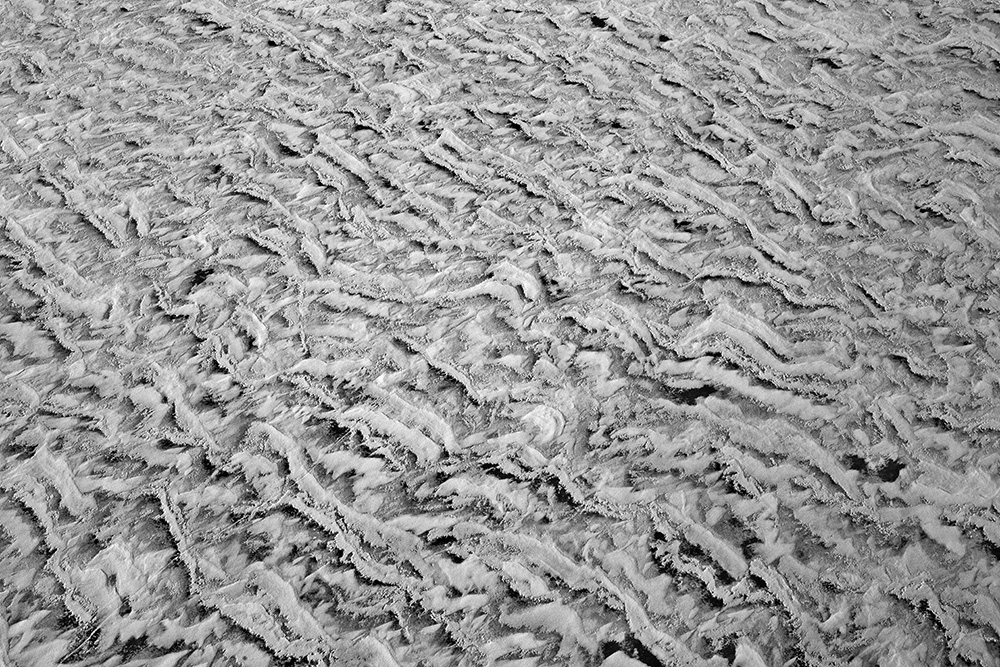
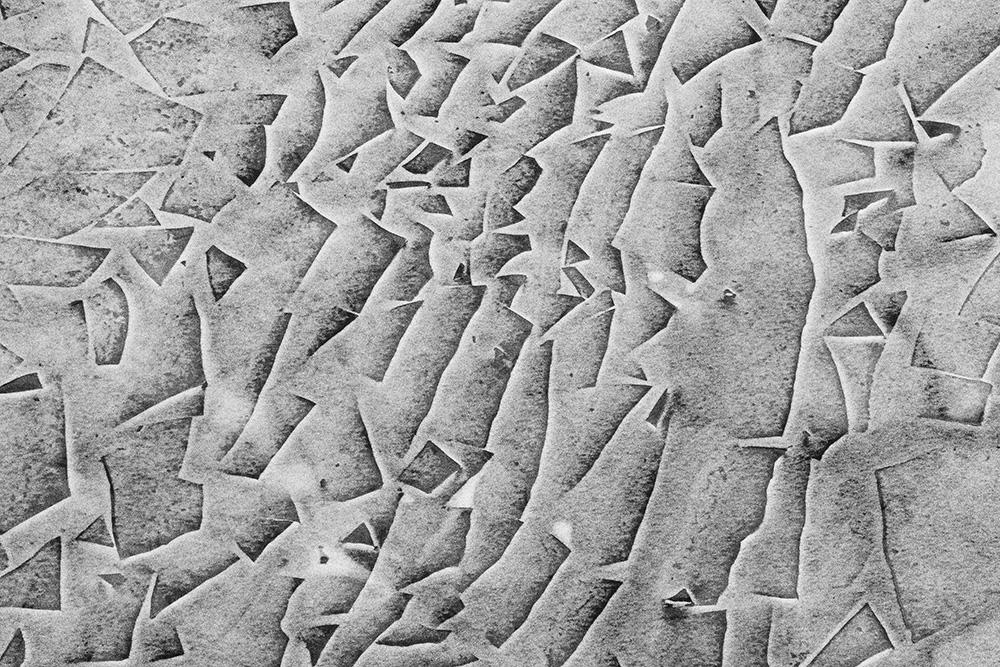
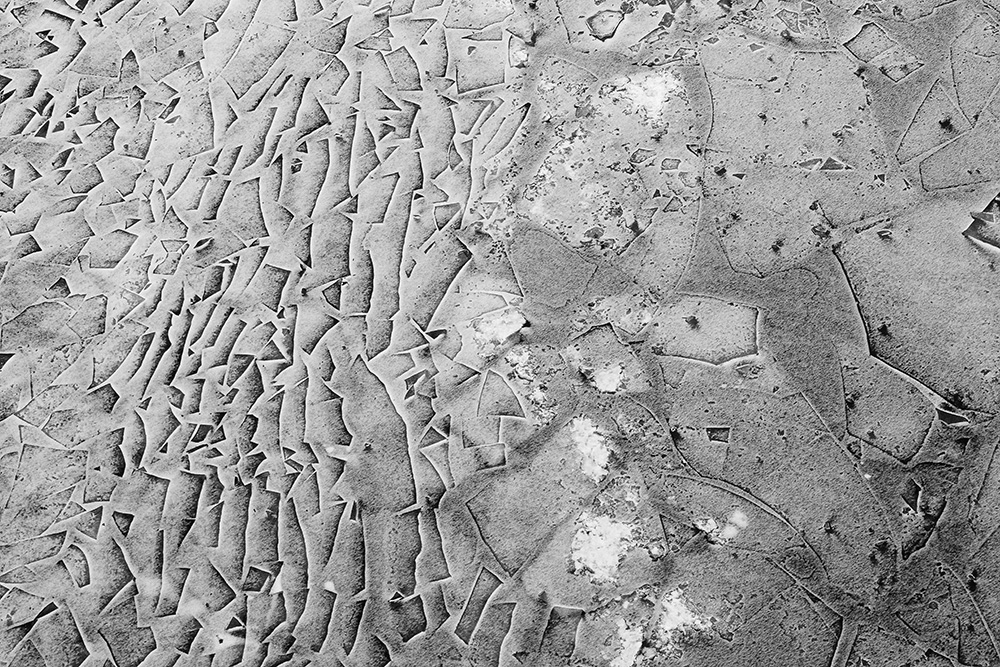
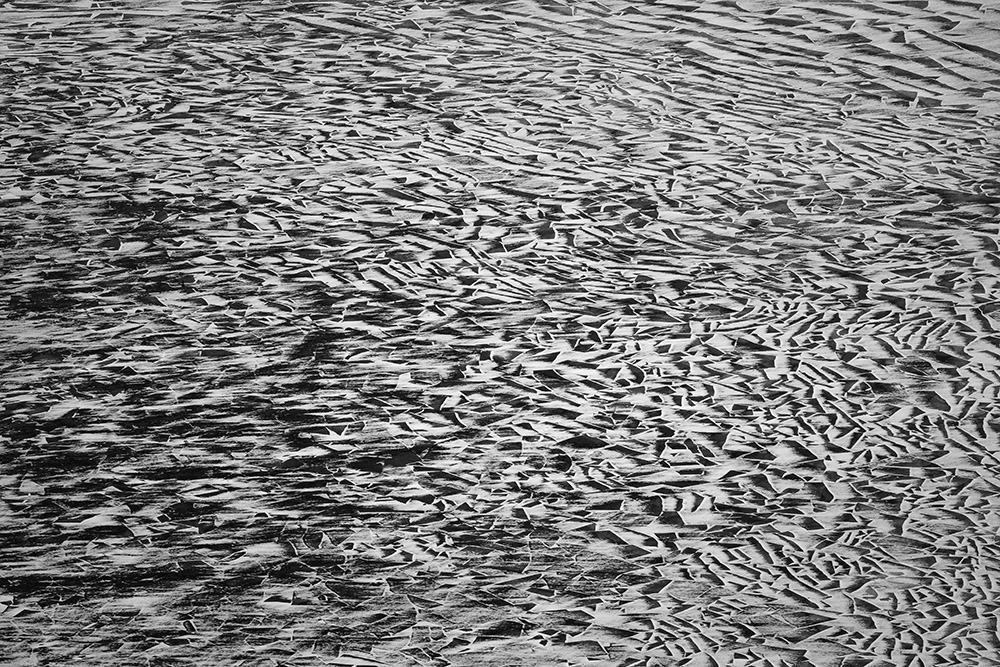
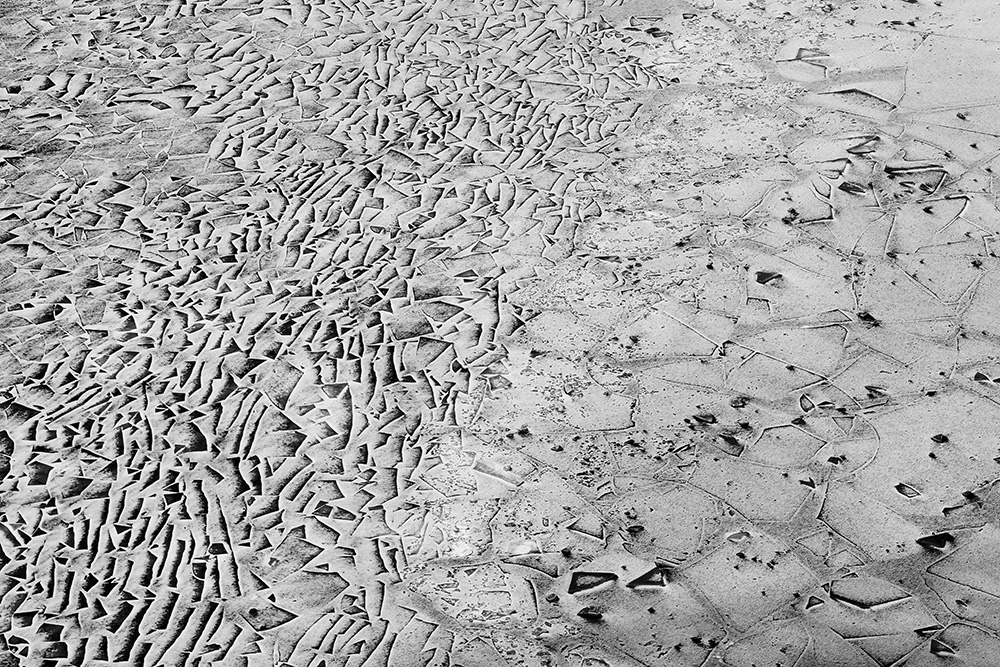
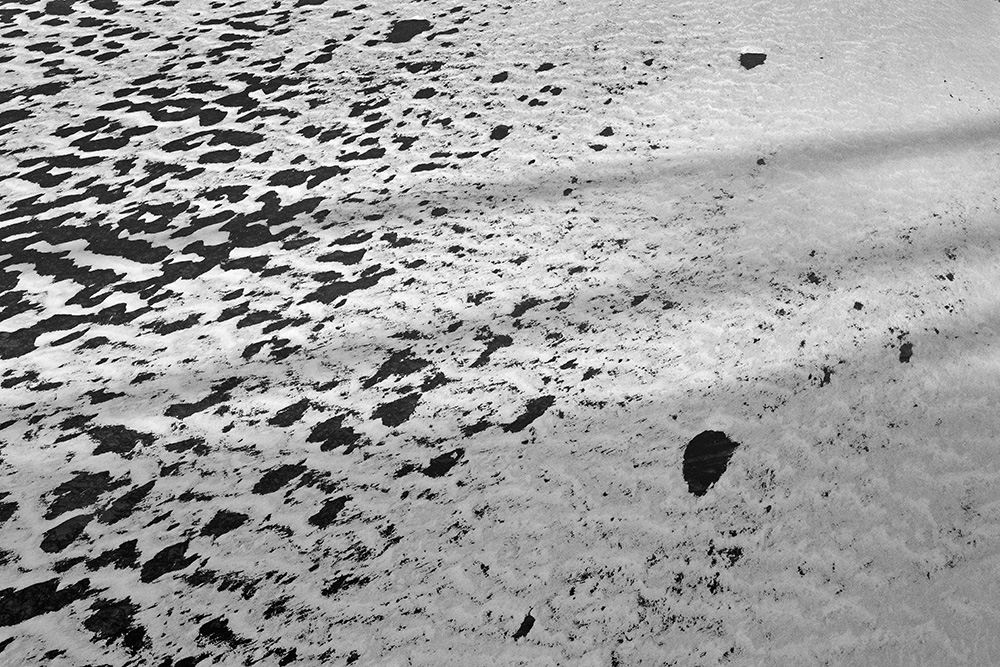
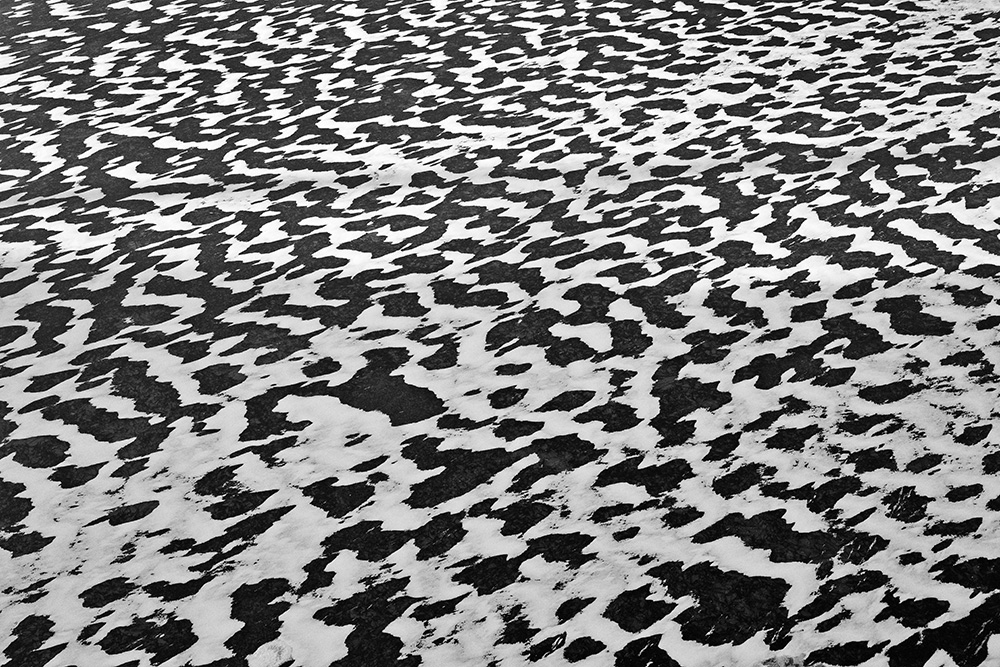
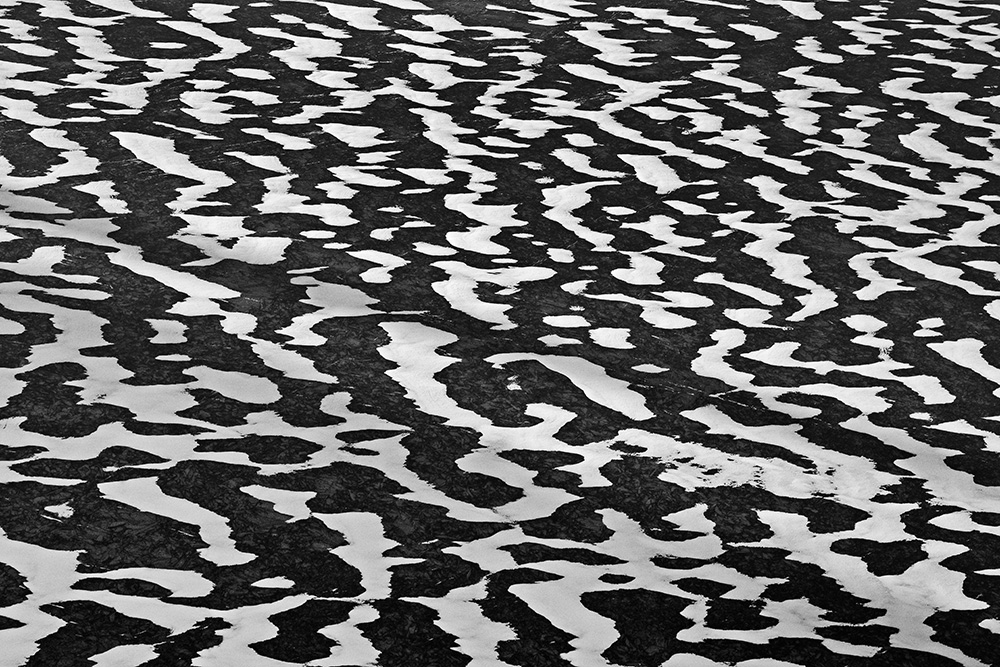
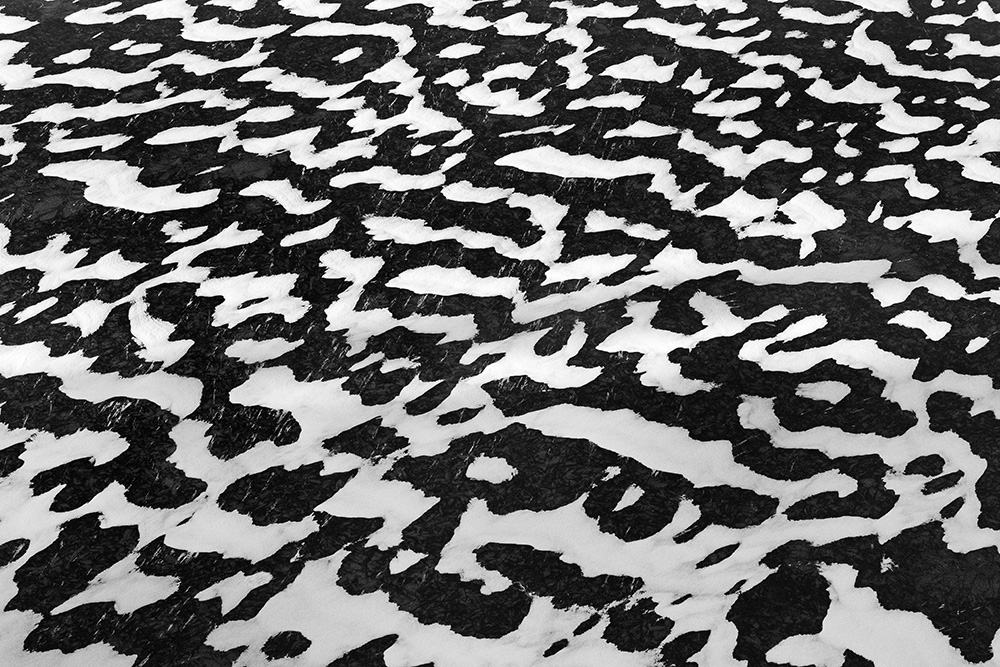
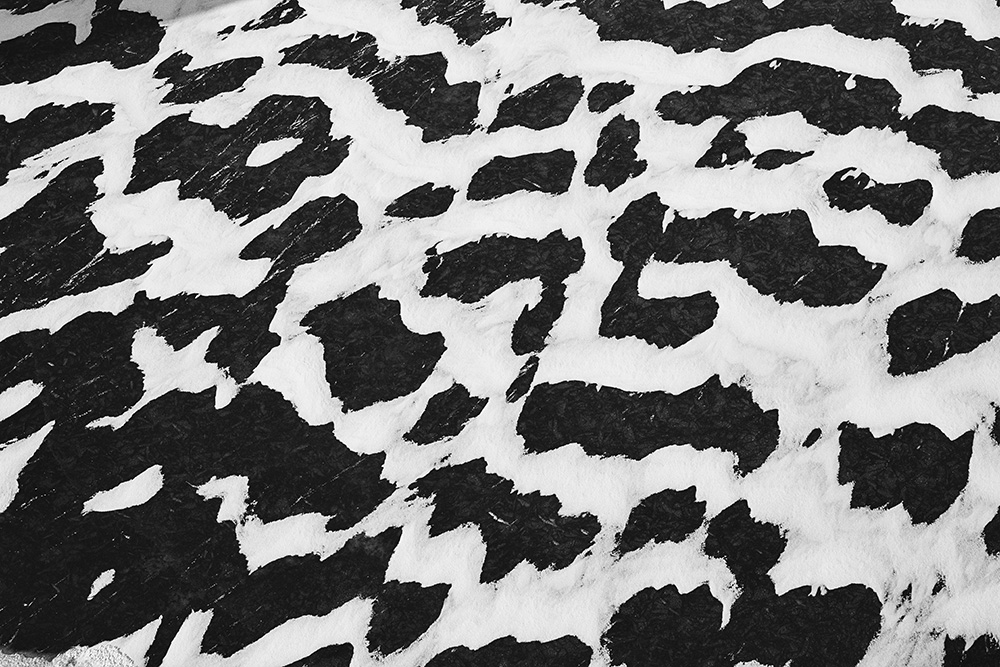
사진 속 하얗고 검은 기하학적 패턴들은 모두 얼어붙은 한강의 단면이다. 다리 위에서 수면을 부감(俯瞰)으로 촬영해, 강이 스스로 만들어낸 거대한 추상화를 프레임 안에 담았다. 눈이 쌓인 곳은 순백으로, 눈이 녹거나 거친 얼음이 드러난 곳은 짙은 검은색으로 나타난다. 늘 흐르던 강물이 유려한 선을 보여준다면, 깊은 겨울 결빙된 강물은 단단하고 정적인 면과 패턴을 드러낸다.
시간이 지나 강이 풀리면 이 흑백의 풍경은 흔적도 없이 사라진다. 오직 겨울에만 잠시 나타나는 자연의 캔버스다.
냉장고가 없던 시절, 한강은 얼음을 공급하던 중요한 장소였다. 겨울이면 강에서 얼음을 일정한 크기로 잘라 운반해 창고에 보관했다. 강북에는 동쪽의 동빙고와 서쪽의 서빙고가 있었고, 지명에 얼음 ‘빙(氷)’ 자가 남아 있는 곳은 대부분 얼음과 관련된 장소들이다. 조선시대 한양이 강의 북쪽에 있었기 때문에 빙고 또한 강북에 자리했다.
혹독한 겨울에 얼음을 채취하는 노동이 얼마나 힘들었는지, 인부들이 도망갔다는 기록도 남아 있다. 이 사실을 알고 나니 다리 위에서 마주하는 얼음의 무늬가 예전처럼 마냥 아름답게만 보이지는 않는다. 갈라진 틈과 새들의 발자국이 마치 그들이 남긴 흔적처럼 느껴지기도 한다.
자본이 우선인 사회에서 일하는 사람과 누리는 사람이 다른 현실은 예나 지금이나 크게 다르지 않다. 다만 생활은 분명 나아졌다. 지금은 누구나 냉동실에서 얼음을 쉽게 꺼내 사용할 수 있다.
한겨울 다리 위에서 오래 바라보며 기록한 이 장면들은, 잠시 멈춰 선 강물이 만들어내는 낯설고도 아름다운 조형의 순간들이다. 얼어붙은 한강의 수면은 단순한 풍경을 넘어 도시와 자연, 그리고 시간이 함께 남긴 겨울의 기록이다.
From a bridge in midwinter, I look down at the frozen Han River.
The Han River is a place where human life overlaps with the vast flow of nature. Because of warm wastewater and the heat of the city, the river rarely comes to a complete stop even in winter; it repeatedly freezes and melts. As a result, while the upper reaches or the estuary may freeze, the section flowing through central Seoul seldom does. If the river in the city were to freeze completely, that winter would likely be remembered as a season of severe cold.
When ice forms on the surface, I stand on a bridge and look straight down at the river. The traces left by passing boats or the marks where birds briefly land appear like signals or symbols sent from the sky.
The white and black geometric patterns in these photographs are fragments of the frozen Han River. Shot from above in a bird’s-eye view, the images capture a vast abstract painting created by the river itself. Areas covered with snow appear pure white, while places where the snow has melted or rough ice remains appear deep black. If the river in its usual state reveals graceful lines through its flow, the frozen river of deep winter exposes solid and static planes and patterns.
As time passes and the river thaws, this black-and-white landscape disappears without a trace. It is a natural canvas that exists only briefly in winter.
Before refrigerators existed, the Han River was an important source of ice. During winter, blocks of ice were cut from the frozen river to standardized sizes, transported, and stored in ice warehouses. On the northern side of the river stood Dongbinggo in the east and Seobinggo in the west. Place names that contain the character for ice, “bing (氷),” usually refer to these historical sites. Since Hanyang during the Joseon Dynasty was located north of the river, these ice warehouses were also built along the northern bank.
Records even show that some workers fled their jobs, revealing how harsh the labor of harvesting ice must have been in the severe winter. Knowing this history, the patterns on the frozen river no longer appear purely beautiful. The cracks in the ice and the footprints of birds sometimes feel like traces left by those laborers.
In a society where capital often determines who labors and who enjoys the results, the difference between the two has not changed much over time. What has changed, however, is everyday life. Today, ice can easily be taken from a freezer by anyone.
These scenes, recorded while standing on bridges and observing the river for long hours in winter, capture moments of unfamiliar yet beautiful forms created by a river that has temporarily come to rest. The frozen surface of the Han River is more than a simple landscape; it is a winter record shaped together by the city, nature, and time.
Info
伐氷歌
君不見
國之大事在藏氷
用之元祀頒在位
海年江漢二之日
水渴不流氷大至
于是斬氷萬夫出
斲之如山江上置
江上兩氷庫
相望十許里
벌빙가
그대들은 보지 못했는가
나라의 큰일이 얼음 저장하는 일인 것을
나라의 제사에 쓰고 관료들에게 반포한다오
매년 한강은 12월이 되면
물이 말라 흐르지 않아 얼음이 크게 얼고
이때 많은 인부가 얼음을 잘라내어
산처럼 깎아내어 강 위에 쌓아두니
강 위의 두 빙고는
서로 십여 리 정도 이어진다
조선 후기 김창흡(金昌翕), 벌빙가(伐氷歌), 삼연집(三淵集)
빙고(氷庫)
1950년대까지 한강의 얼음과 사람들의 삶은 밀접한 관계가 있었으며, 얼음을 보관하고 사용하는 방식은 빙고를 짓는 일이었고, 조선시대 수도 한양에는 4곳의 빙고가 존재했으며 서빙고(西氷庫) 1곳, 동빙고(東氷庫) 1곳, 내빙고(內氷庫) 2곳에서 각각 국가의 제사, 왕실과 궁중, 환자, 죄수 등에게 사용할 수 있도록 음력 10월까지 공급했다.
한강의 얼음을 채취하여 보관하는 일은 국책사업이었으며 매우 고되고 힘든 작업으로 그 과정은 벌빙(伐氷)-운빙(運氷)-장빙(藏氷)-반빙(頒氷)의 과정으로 이루어지며 엄청난 비용과 인력이 소요되었다. 나중에 도시화가 진행되면서 공급이 부족해지자 민간 업자들이 생겨나 한강 근처에만 30여 개 이상의 사빙고(私氷庫)가 생겨났고, 현재는 모두 사라지고 없다.
伐氷 벌빙: 간직해 두었다가 쓰려고 강이나 못 따위에서 얼음장을 떠냄
運氷 운빙: 얼음을 옮기다
藏氷 장빙: 겨울에 얼음을 떠서 곳집에 넣어 둠
頒氷 반빙: 얼음을 나누어 줌
한강 결빙 관측 지점
1906년부터 한강대교 남단 두 번째와 네 번째 교각 상류 100m 부근에 남북으로 결빙이 발생하면 기상청 직원이 눈으로 직접 확인하고 한강 결빙 판정을 내린다. 다른 곳이 얼어도 이곳이 얼지 않으면 결빙 판정을 받을 수 없다.
伐氷歌
君不見
國之大事在藏氷
用之元祀頒在位
海年江漢二之日
水渴不流氷大至
于是斬氷萬夫出
斲之如山江上置
江上兩氷庫
相望十許里
Song of Harvesting Ice
Have you not seen it?
Storing ice is a great affair of the state.
It is used for state rituals and distributed to officials.
Every year, when December arrives at the Hangang River,
The water runs low and stops flowing, freezing solidly.
At this time, countless laborers come out to cut the ice,
Carving and piling it upon the river like a mountain.
The two ice houses on the river
Stand facing each other, about ten li (approx. 2.5 miles) apart.
金昌翕 (Kim Chang-heup), 伐氷歌 (Song of Harvesting Ice), 三淵集 (Samyeonjip)
氷庫 (Binggo / Ice House)
Until the 1950s, the ice of the Hangang River was closely tied to people’s daily lives, and the method of storing and utilizing this ice was to build binggo (ice houses). In Hanyang, the capital during the Joseon Dynasty, there were four royal ice houses: one Seobinggo (West Ice House), one Dongbinggo (East Ice House), and two Naebinggo (Inner Ice Houses). These facilities supplied ice for state rituals, the royal court, the sick, and prisoners, with stored supplies lasting until the following autumn (around November).
Harvesting and storing ice from the Hangang River was an extremely grueling state project. The labor-intensive process consisted of Beolbing, Unbing, Jangbing, and Banbing, requiring immense cost and manpower. Later, as urbanization progressed and supply fell short, private businesses emerged, leading to the creation of over 30 sabinggo (private ice houses) near the Hangang River alone. Today, all of them have disappeared.
伐氷 (Beolbing)
Harvesting ice; cutting blocks of ice from a river or pond to store for later use.
運氷 (Unbing)
Transporting the harvested ice.
藏氷 (Jangbing)
Storing the winter ice in an ice house.
頒氷 (Banbing)
Distributing the stored ice.
Hangang River Freezing Observation Point
Since 1906, the Korea Meteorological Administration officially declares the “freezing of the Hangang River” only when an official visually confirms that a band of ice has formed from north to south, about 100 meters (approx. 330 feet) upstream between the second and fourth piers from the southern end of the Hangang Bridge. Even if other parts of the river freeze, it is not officially recognized unless this specific location freezes over.