검룡소(儉龍沼) – 국가 지정 명승 제73호
Geomryongso – National Scenic Site No. 73
Concept
發 · 源 · 根 · 胎 · 動 · 湧 · 泉 · 水
發 필 발 · 源 근원 원 · 根 뿌리 근 · 胎 아이 밸 태 · 動 움직일 동 · 湧 솟을 용 · 泉 샘 천 · 水 물 수
發 Beginning · 源 Origin · 根 Root · 胎 Womb · 動 Movement · 湧 Gush · 泉 Spring · 水 Water
發源 발원 Origin
모든 흐름이 시작되는 지점
根源 근원 Source
물줄기가 나오기 시작하는 곳
胎動 태동 Quickening
어떤 일이 생기려는 기운
湧泉水 용천수 Gushing Spring
거침없이 솟아오르는 물
Note
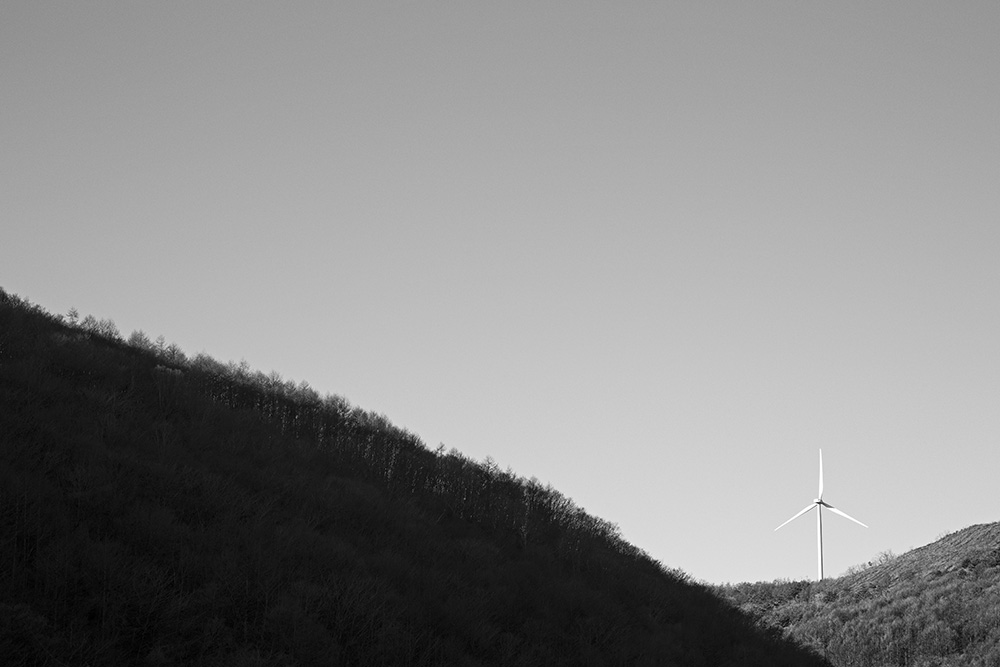
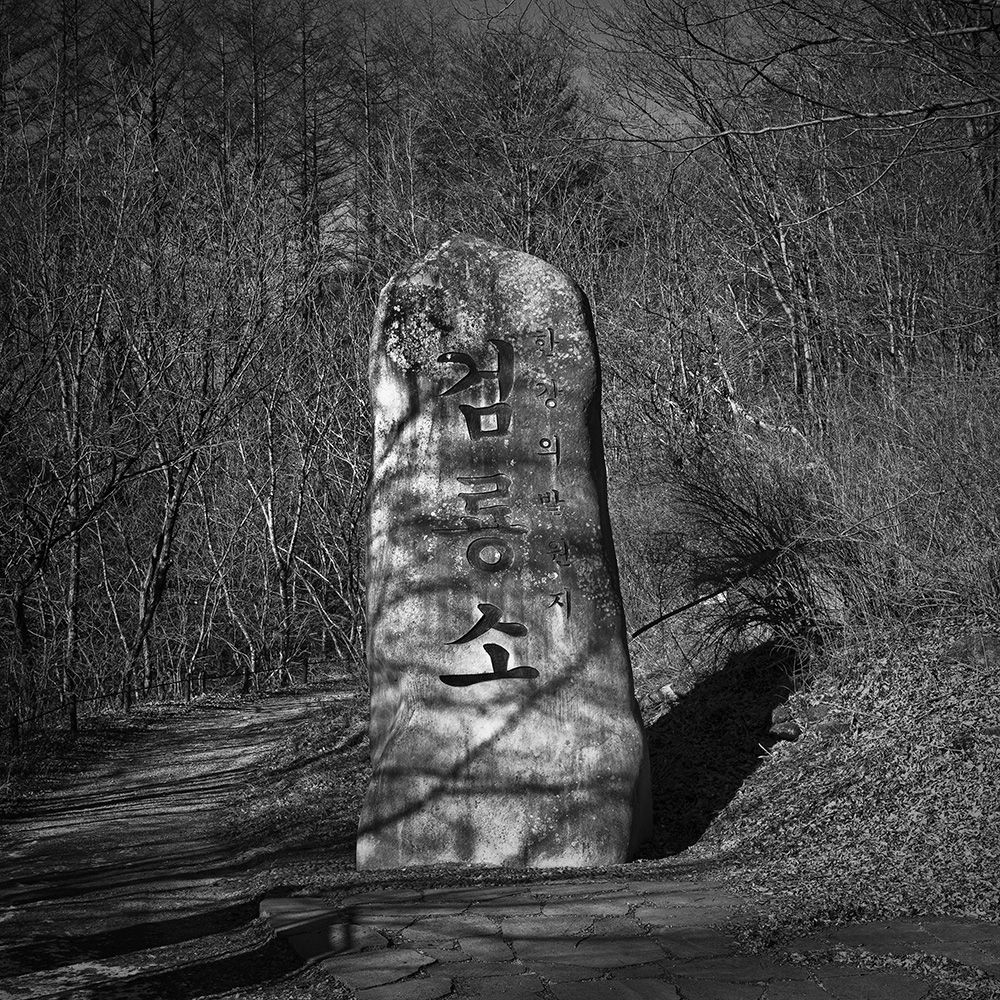
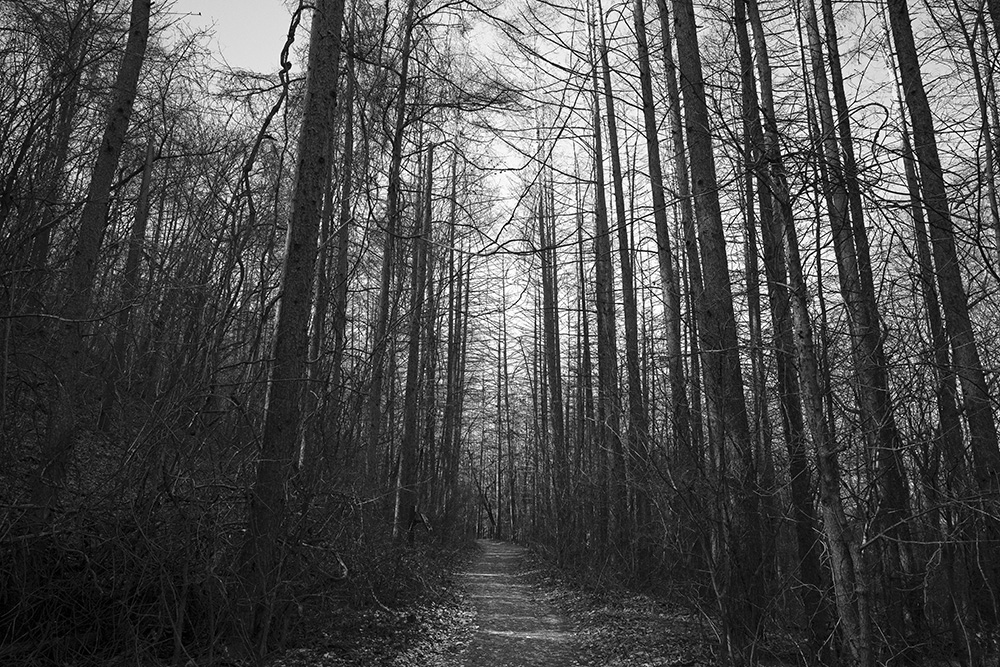
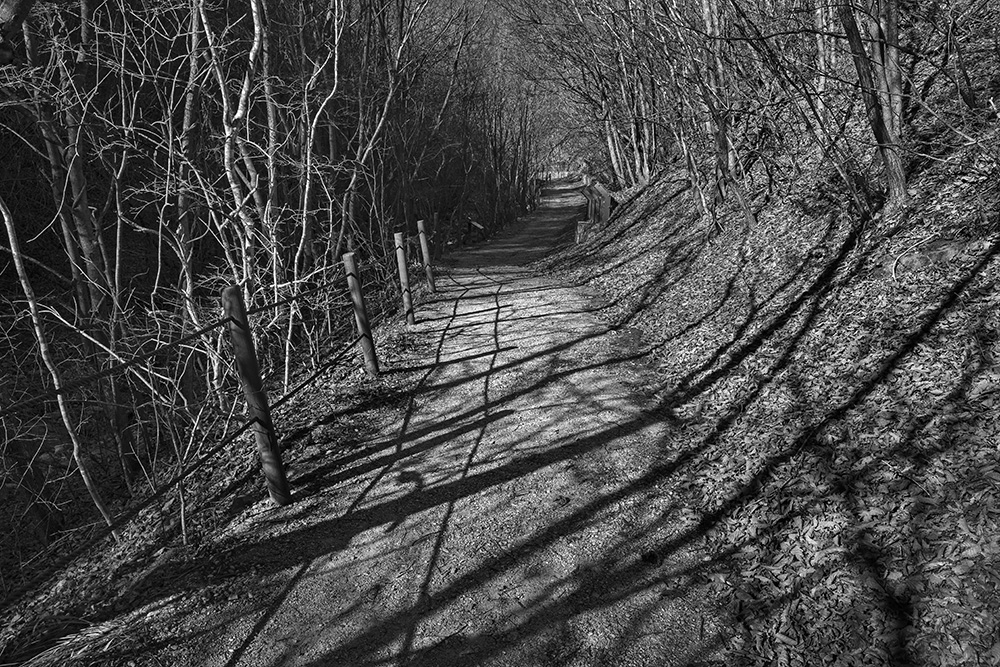
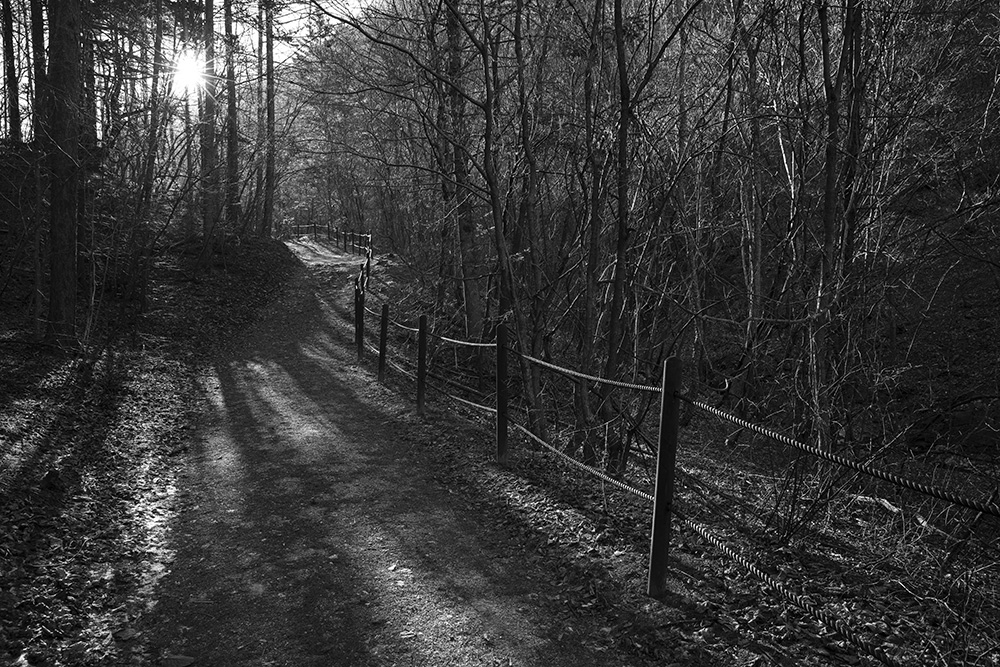
발원지를 찾는 일은 자연의 품으로 들어가는 것이다. 검룡소 입구에 다다르면 고랭지 배추밭의 목가적인 풍경 사이로 능선 위 풍력발전기가 겹쳐 보이고, 도시와 멀어졌음을 비로소 실감하게 된다. 입구에서 태백산 국립공원 검룡분소 소장님과 우연히 마주쳐 이곳과 주변에 대한 이야기를 듣고 한강에 대해서 얘기를 나눴다. 거대한 강의 시작을 지키는 사람의 모습을 기록으로 남기고 싶어 검룡소 표지석 앞에서 소장님의 사진을 촬영했고, 다시 숲길을 따라 발원지로 향했다.
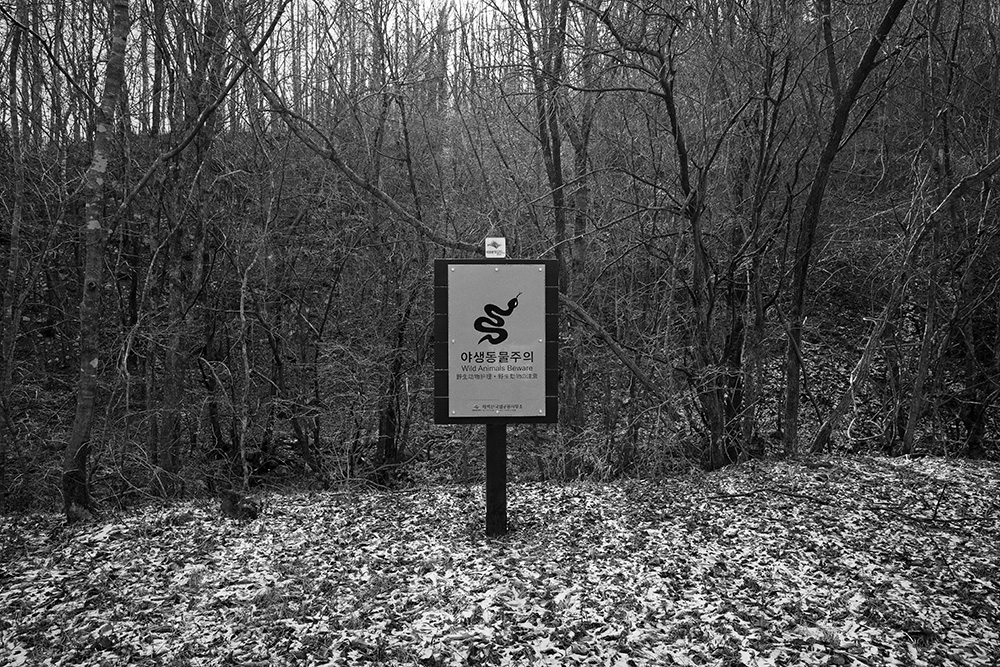
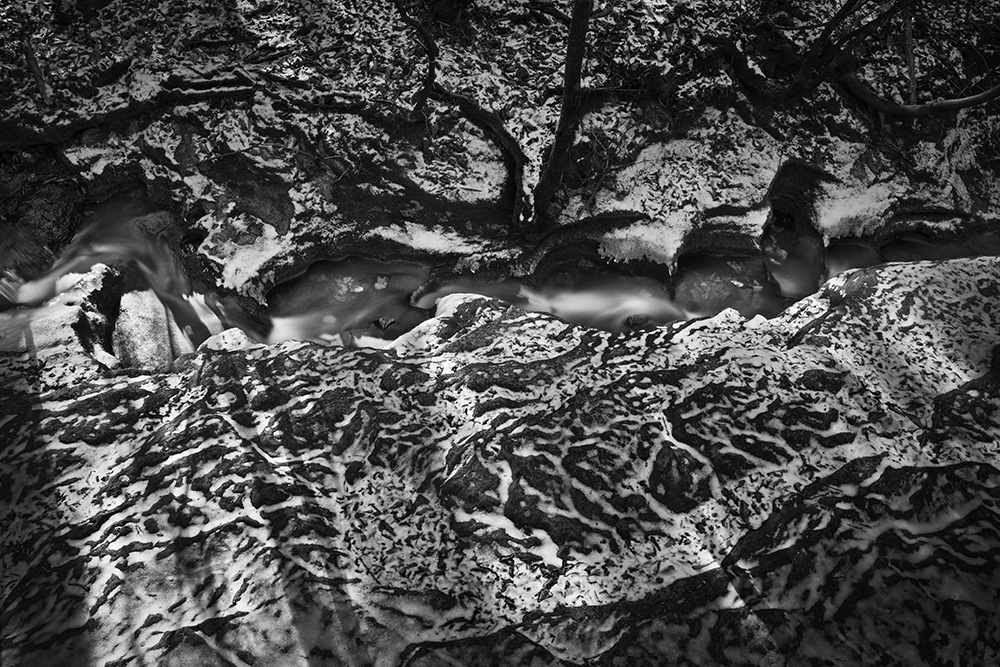
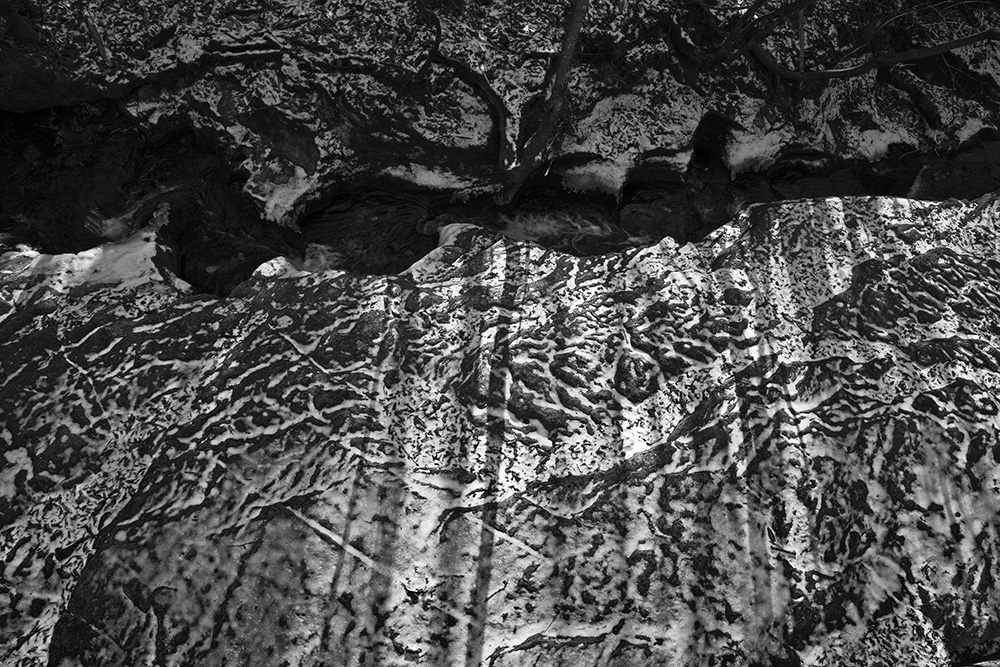
숲을 따라 올라가는 길에 뱀을 조심하라는 팻말이 눈에 들어왔다. 검은 뱀 형상의 픽토그램을 보는 순간, 서해에서 거슬러 올라와 끝내 용이 되지 못했다는 이무기의 설화가 떠올랐다. 한강의 종착지인 김포 보구곶리 유도에도 뱀이 많다는 이야기를 들은 적이 있어, 그 설화가 사실일지도 모른다는 생각이 스쳤다. 오랜 세월 석회암을 파고든 물길을 마주하자 그 생각은 더 또렷해졌다. 그 모습은 마치 용이 되기 위해 몸부림친 흔적처럼 보였다.
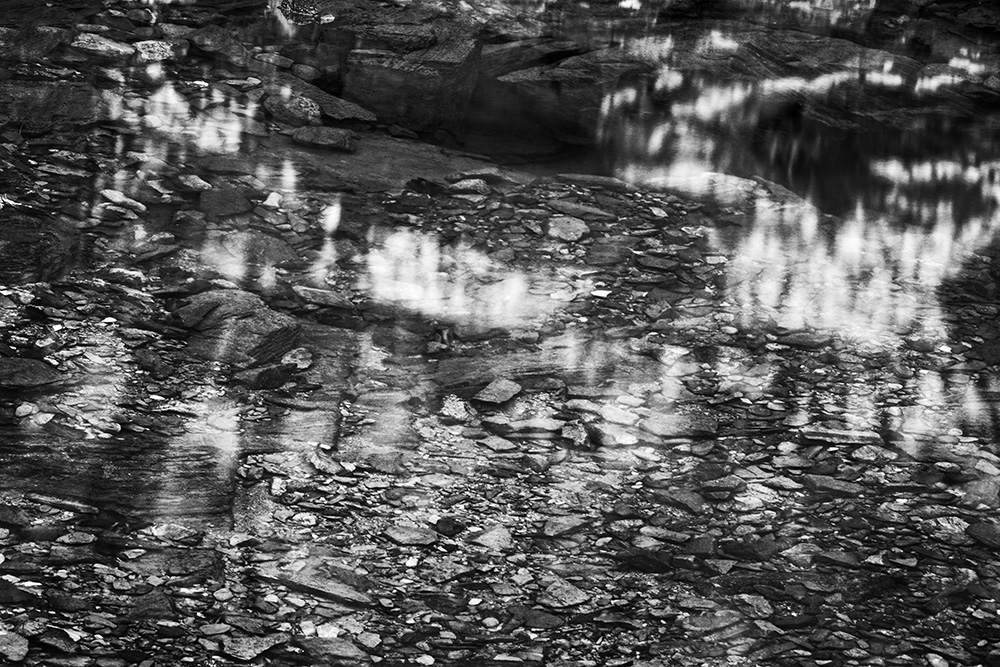
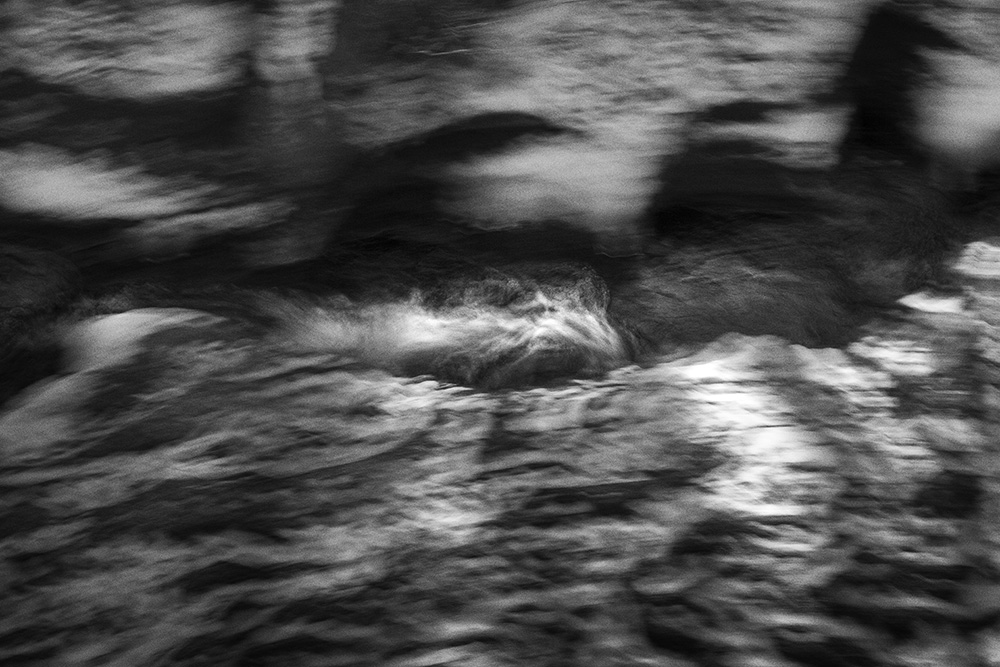
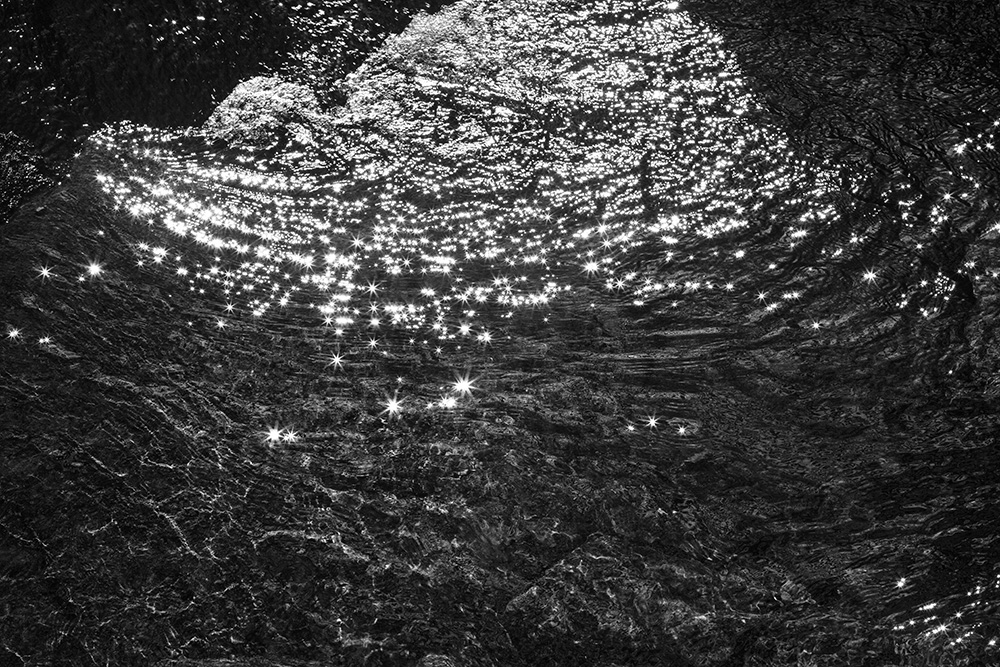
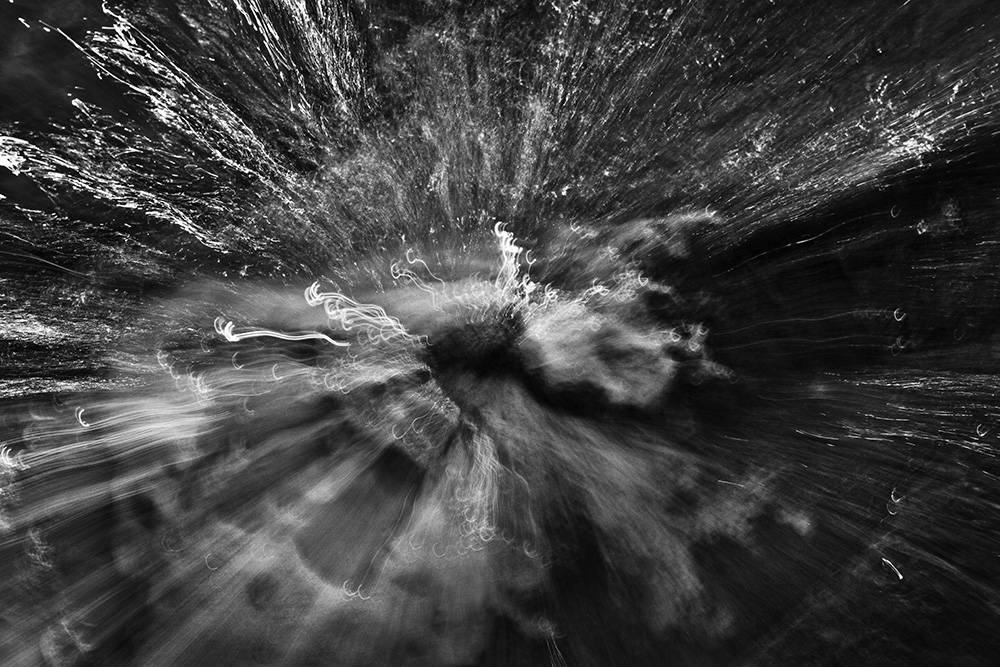
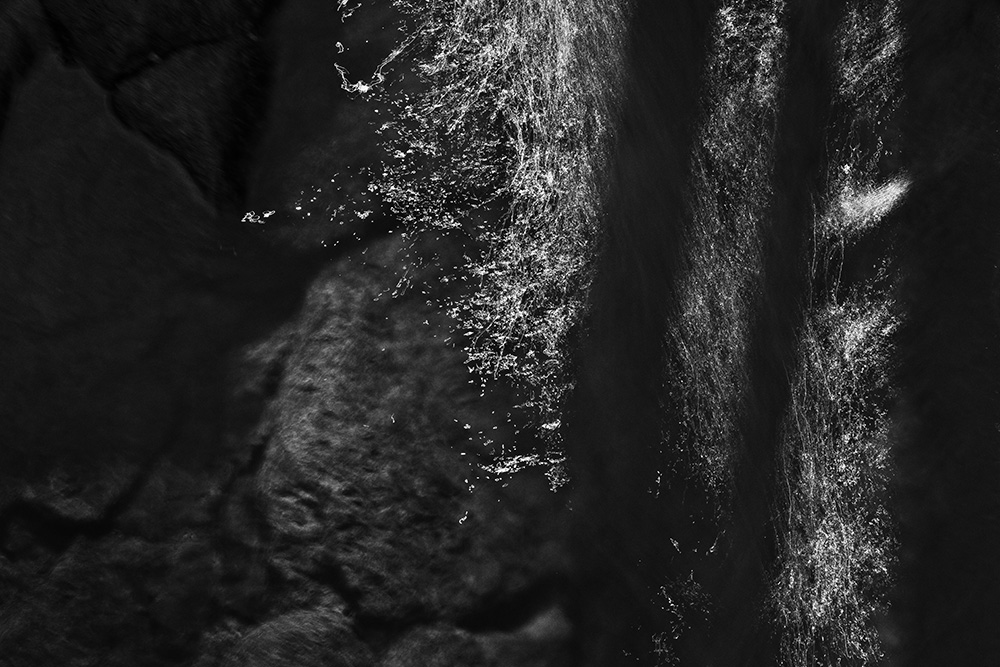
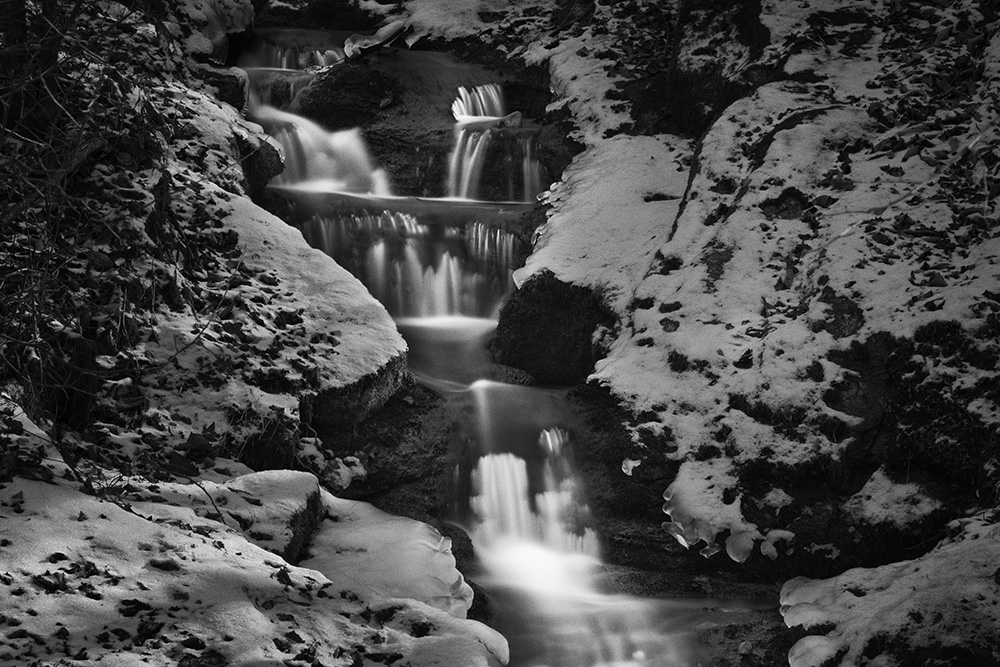
검룡소에서 솟아나는 용출수는 겉으로는 고요하지만, 그 아래에서는 하루 이삼천 톤에 이르는 물이 암반을 뚫고 끊임없이 솟아오른다. 아래로 거세게 흘러나가는 물줄기만 보아도 그 힘을 느낄 수 있다. 눈이 내려앉은 겨울의 석회암은 빛을 받아 용의 비늘처럼 반짝였고, 인적이 드문 산속은 물의 움직임에 온전히 집중할 수 있게 했다.
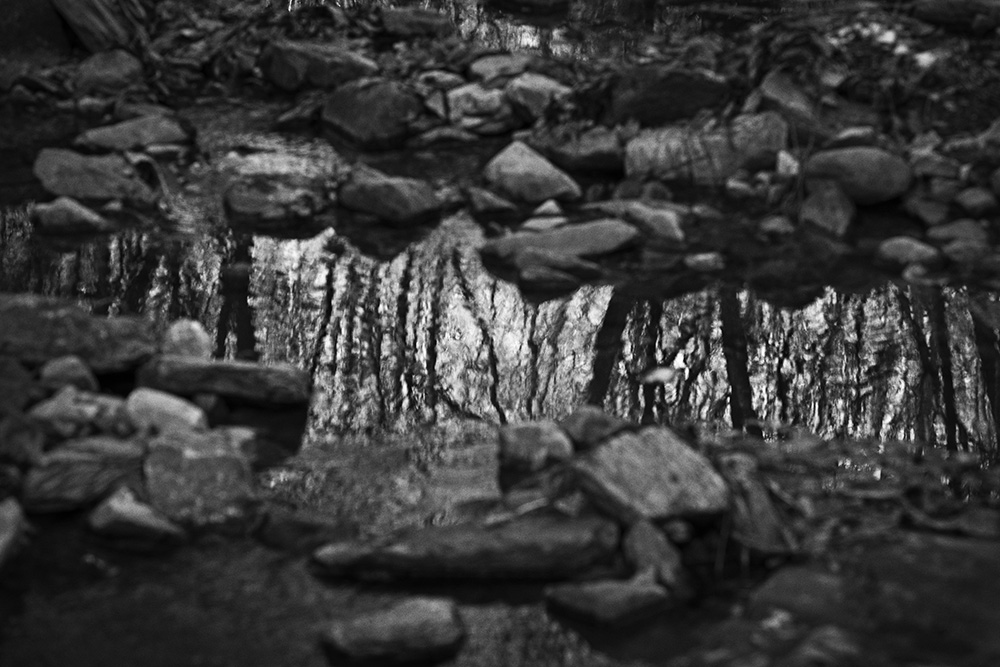
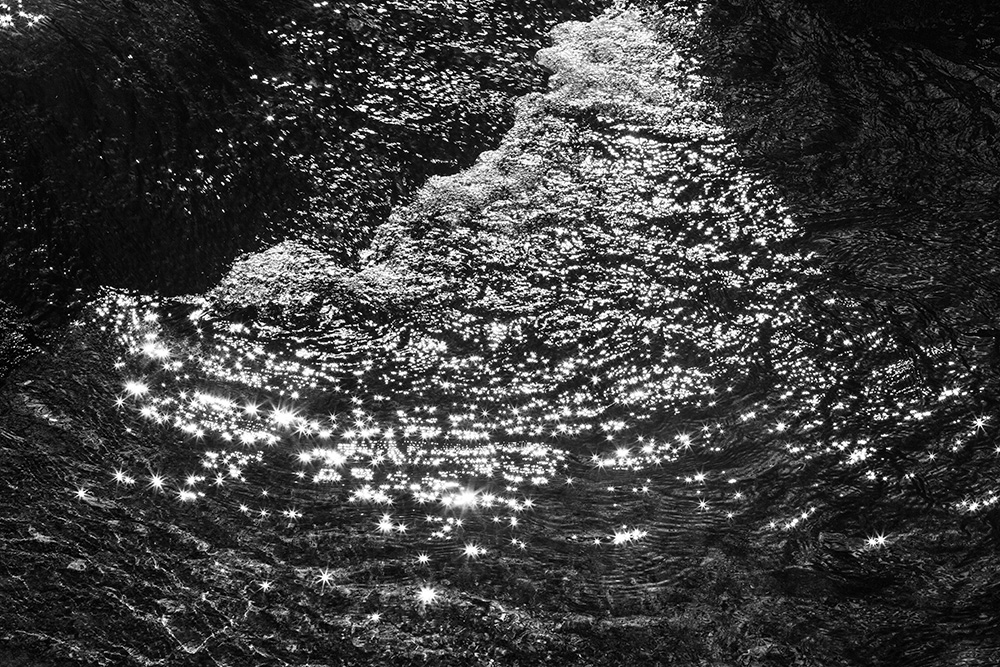
이곳에서 본 물의 형상은 생명이 태어나기 전 들여다보는 초음파 영상처럼 느껴졌다. 쉼 없이 이어지는 흐름 속에서 묵직한 태동을 보았다. 이곳은 단순한 시작점이 아니라, 한강이라는 거대한 생명을 잉태하는 모태였다.
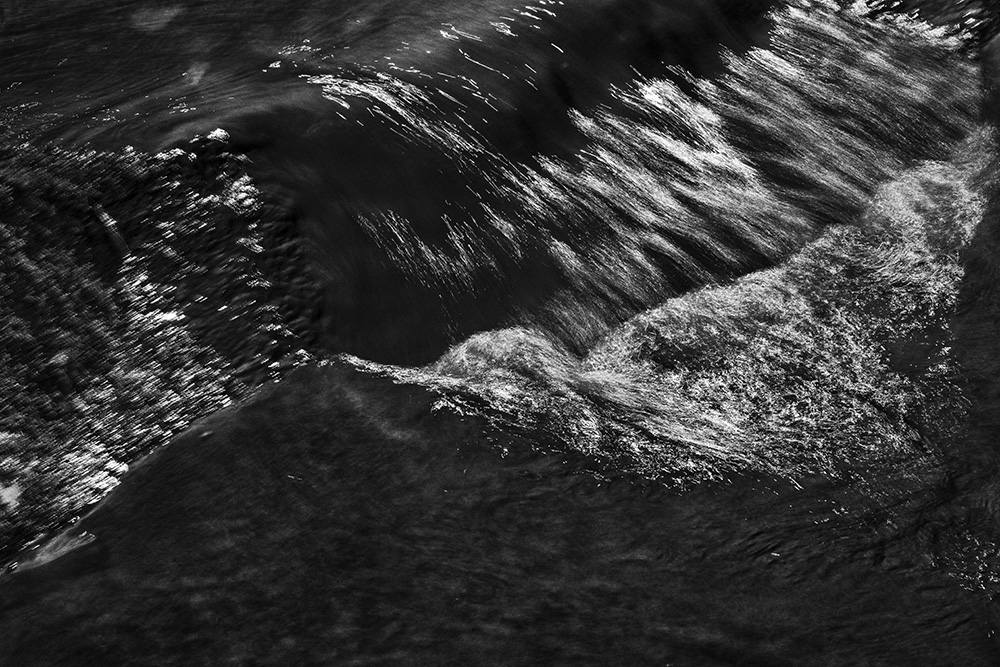
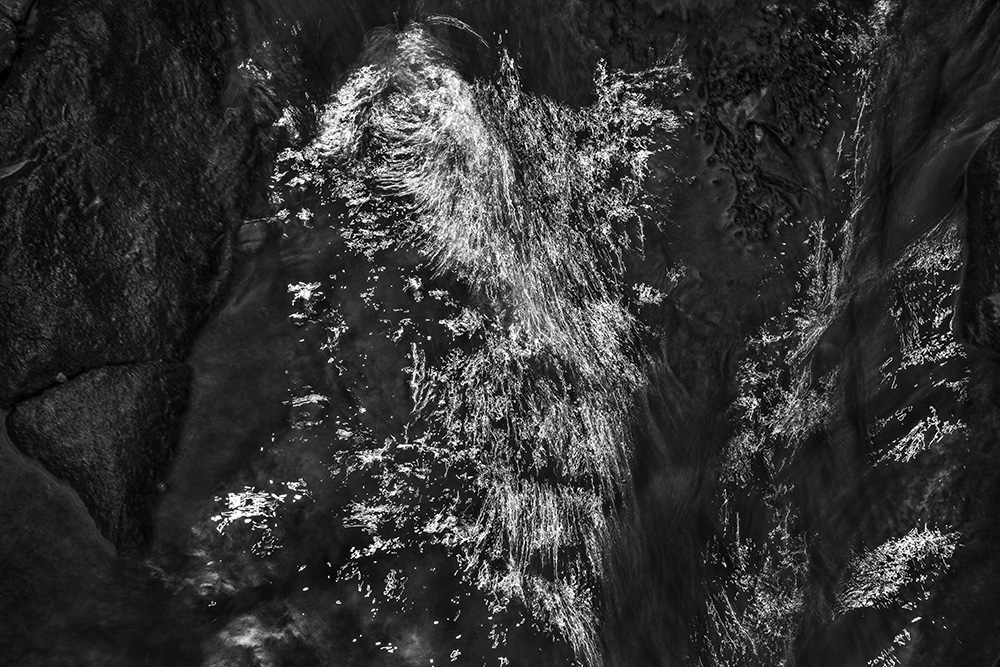
그 흐름을 따라 조금 내려오면 물이 계단처럼 부서지며 떨어지는 장면이 펼쳐진다. 위에서 아래로 흐르는 자연의 섭리가 바로 앞에 있다.
촬영을 마치고 내려오는 길에 순찰 중인 공단 직원을 만났다. 겨울이면 이곳에 많은 눈이 내린다는 이야기를 들었다. 고요해 보이는 이 공간은 한강의 공식 발원지로서, 지금 이 순간에도 멈추지 않고 본류를 향해 물을 흘려보낸다. 나는 그 현장을 바라보며 한강을 단순한 물길이 아닌 하나의 생명으로 마주했다.
Finding the source of the river is a journey into the heart of nature. Upon reaching the entrance to Geomnyongso Spring, the sight of wind turbines atop the ridges, framed by the pastoral landscape of highland cabbage fields, makes me truly realize how far I have come from the city. At the entrance, I happened to meet the Director of the Taebaeksan National Park Office, and we shared stories about the area and the Hangang River. Wishing to record the presence of the man who guards the very beginning of this great river, I took his portrait in front of the Geomnyongso Spring stone marker before heading back up the forest trail toward the source.
Walking along the forest trail, a sign warning to beware of snakes caught my eye. The moment I saw the black snake pictogram, the legend of a giant snake that swam up from the West Sea but ultimately failed to become a dragon came to mind. Having heard that Yudo, an island in Bogugot ri in Gimpo at the terminus of the Hangang River, also has many snakes, the thought flashed across my mind that the legend might actually be true. Facing the limestone that the water had carved out as it flowed over many years made that thought even clearer. That appearance looked like traces of a giant snake struggling to become a dragon.
The spring water rising at Geomnyongso appears calm on the surface, but underneath, two to three thousand tons of water continuously erupt daily through the bedrock. Just looking at the water stream flowing powerfully downwards allows one to feel that strength. The limestone in winter covered in snow sparkled like dragon scales in the light, and the remote mountain sparse with people allowed me to focus entirely on the movement of the water.
The form of water seen here felt like looking at an ultrasound image before life is born. Within the flow that continues without pause, I saw a heavy quickening. This place was not merely a starting point but a womb conceiving the vast life of the Hangang River.
Following that flow down a bit, a scene unfolds where water breaks and falls like stairs. The providence of nature flowing from top to bottom is right in front of me.
On my way down after finishing the shoot, I met a patrolling park ranger. I heard that a lot of snow falls here in winter. This space which appears quiet is the official source of the Hangang River, and even at this moment it continues to flow water towards the main stream without stopping. Gazing at that scene, I faced the Hangang not merely as a waterway but as a single life.
Info
검룡소(儉龍沼) – 국가 지정 명승 제73호
Geomryongso – National Scenic Site No. 73
검룡소 Geomnyongso
한강의 발원지로 알려진 검룡소는 1억 5,000만 년 전 백악기(白堊紀)에 형성되어, 석회암 지대를 뚫고 나오는 냉천(冷泉)이 석회암을 용식 하여 독특한 모양을 이루고 있다.
일일 수량 2,000~3,000톤, 수온은 항시 9°C를 유지하고, 20m 이상 계단상 폭포를 이루고 있다. 오랜 세월 흐른 물줄기로 인해 깊이 1~1.5m, 폭 1~2m 암반이 파여 흐르는 모습이 용이 용트림을 하는 형상으로 보인다.
검룡소 주변은 자연성을 유지하고 있으며, 특이하고 아름다운 지형적, 지질학적 경관과 희귀한 동식물 상이 있다. 전설에 의하면, 서해에 사는 이무기가 용이 되려고 거슬러 올라온 흔적은 용틀임 폭포가 되고, 연못을 오른 이무기가 똬리를 틀고 수양한 곳이 검룡소라고 전해진다.
1985년에 발굴되어, 국립지리원의 도상 실측을 거쳐 우통수보다 곡선 거리 약 32km 더 긴 것으로 확인되어, 1987년 한강의 발원지로 공식 지정되었다.
Geomnyongso, known as the source of the Hangang River, was formed during the Cretaceous period approximately 150 million years ago. A cold spring emerging through limestone bedrock has dissolved the rock over time, creating its distinctive geological formations.
The spring yields 2,000–3,000 tons of water per day and maintains a constant temperature of 9°C (48°F) throughout the year. The water cascades down in a stepped waterfall of more than 20 meters. Over long periods, the continuous flow has carved the bedrock to a depth of 1–1.5 meters and a width of 1–2 meters. The eroded channel resembles the twisting motion of a dragon rising toward the sky.
The surrounding area preserves its natural state, featuring unique and beautiful geological landscapes as well as rare flora and fauna. According to legend, an Imugi—a mythical serpent said to become a dragon—once ascended from the West Sea in its quest for transformation. The traces of its upward struggle became the “Dragon-Twisting Waterfall,” and the pond where it coiled and cultivated its strength is believed to be Geomnyongso.
Discovered in 1985, the site was surveyed by the National Geographic Institute. Measurements confirmed that its curved distance to the estuary is approximately 32 kilometers longer than that of Utongso. In 1987, it was officially designated as the source of the Hangang River.