우통수(于筒水) 강원도 기념물 제88호
Utongsu Gangwon-do Monument No. 88
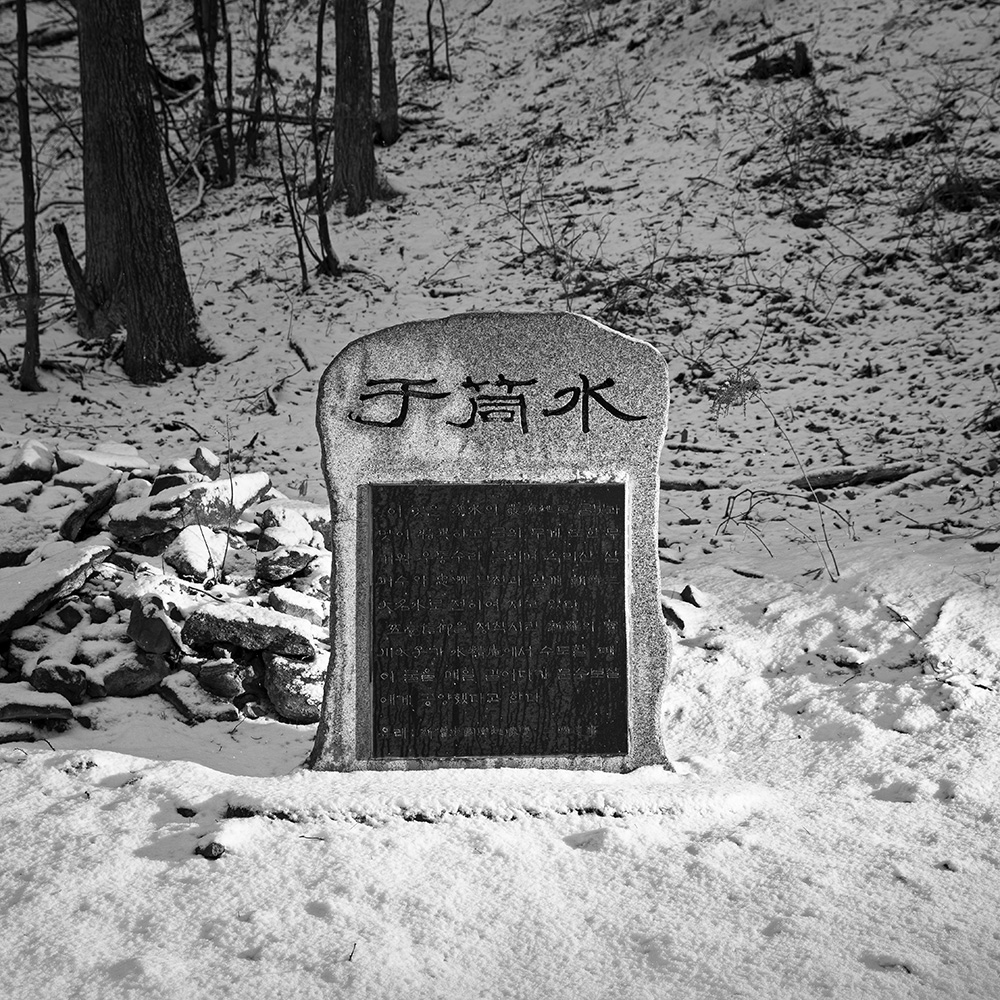
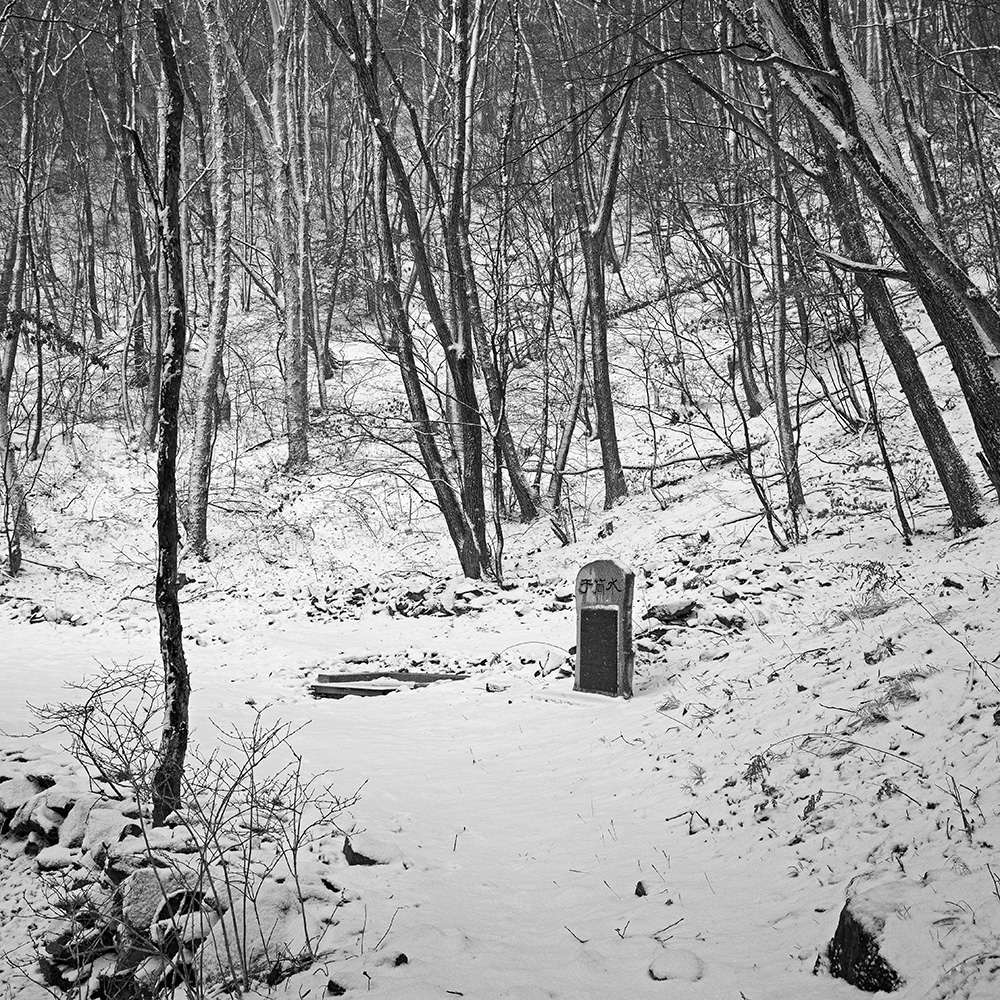
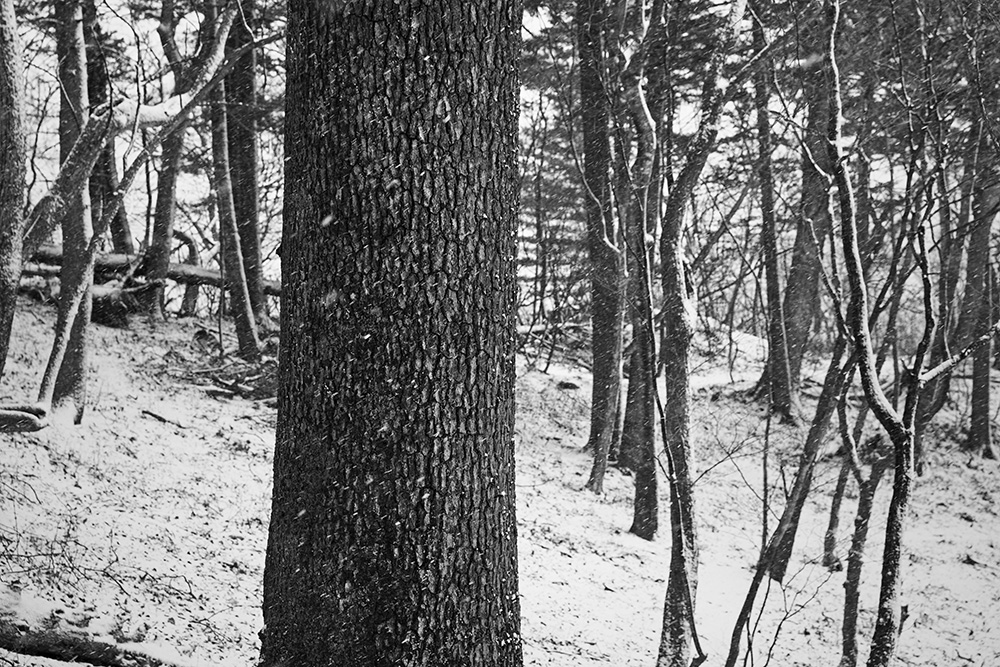
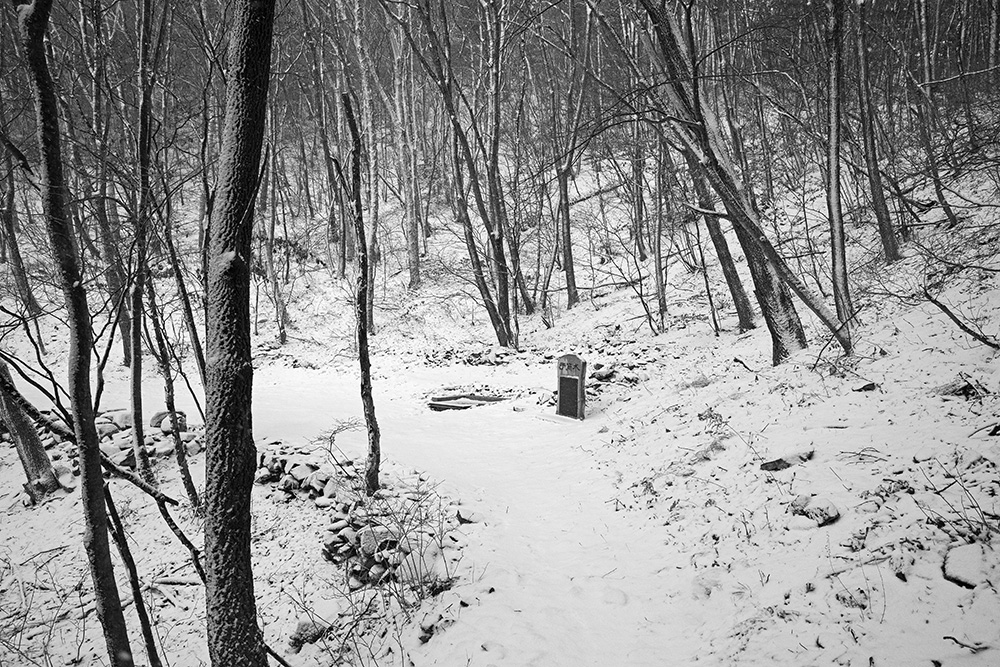
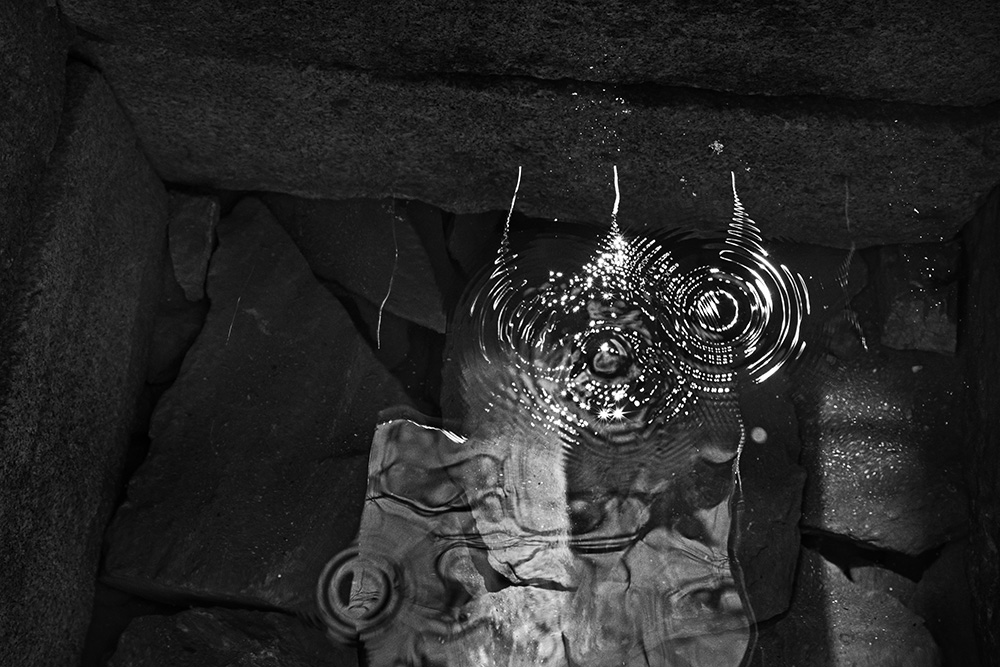
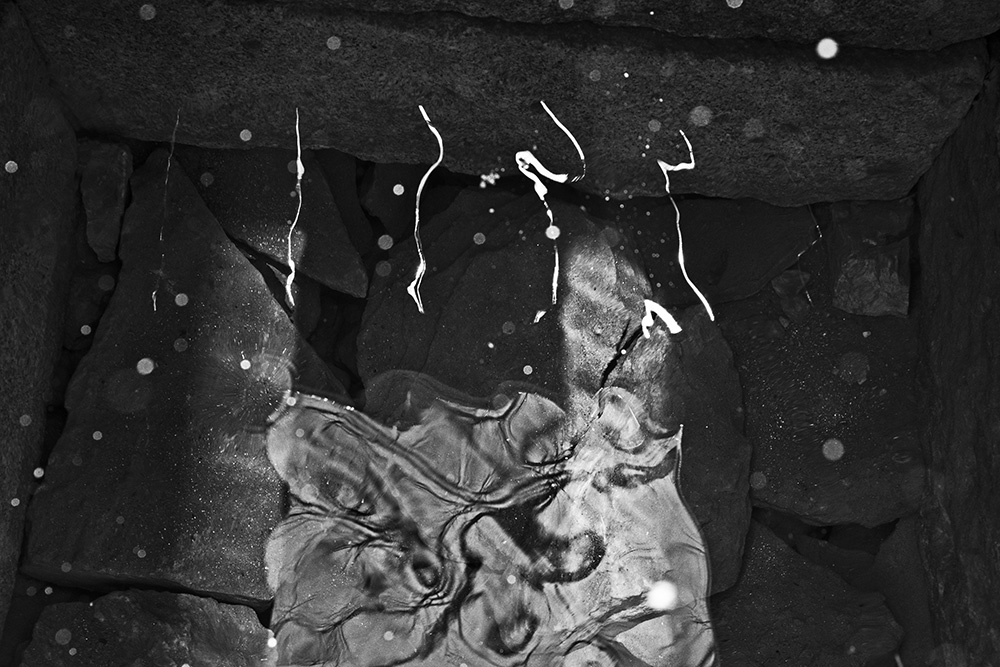
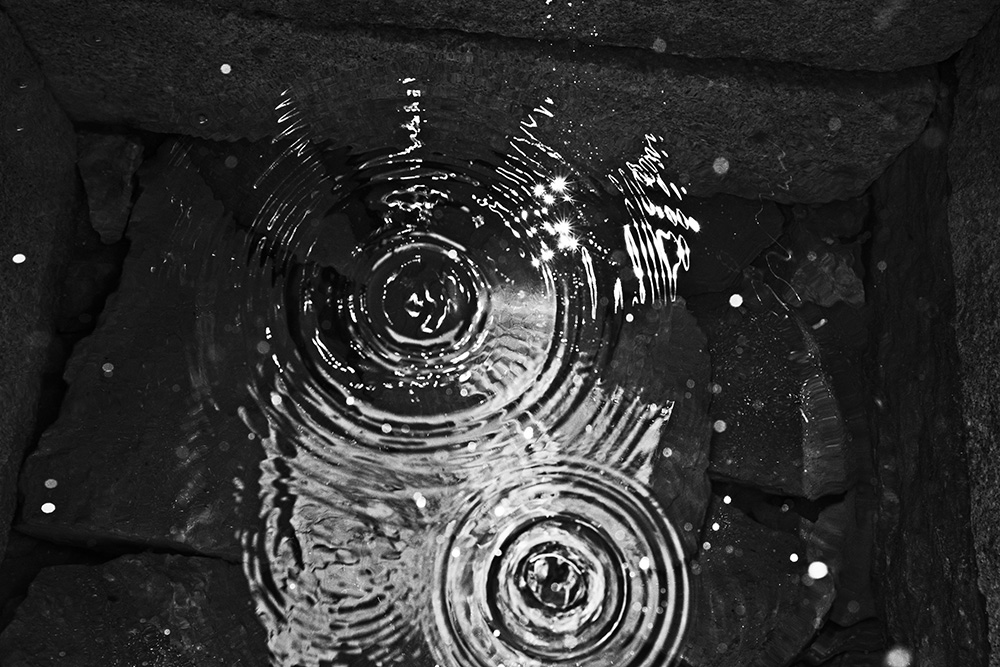
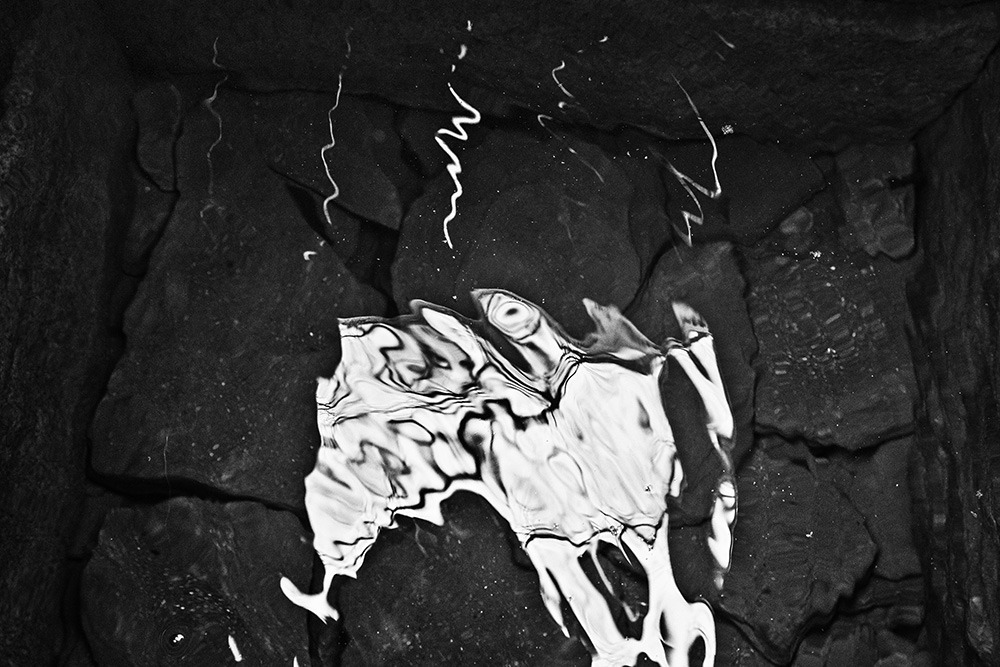
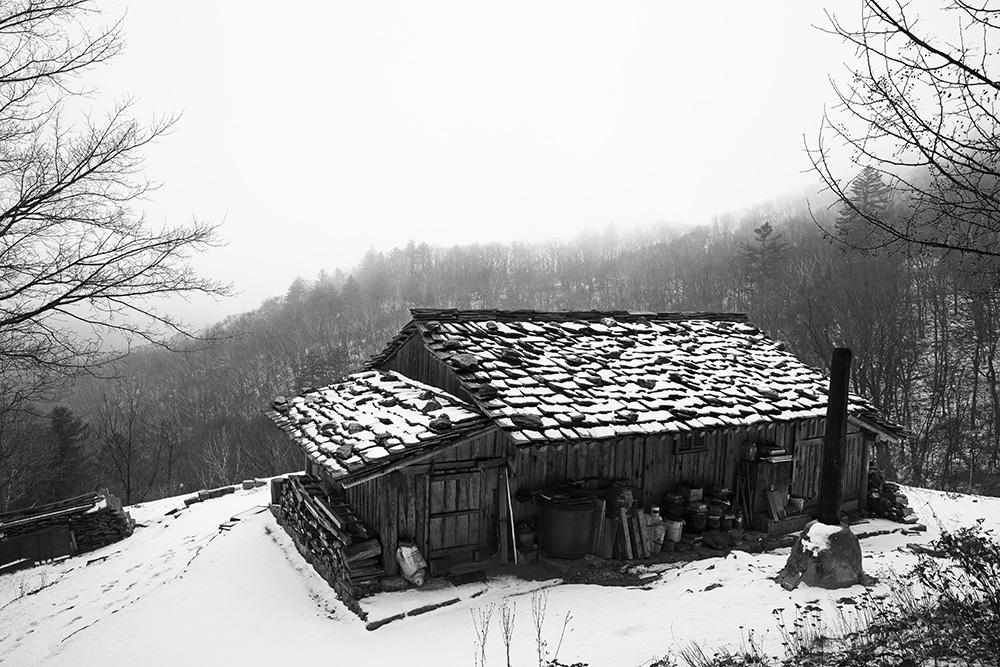
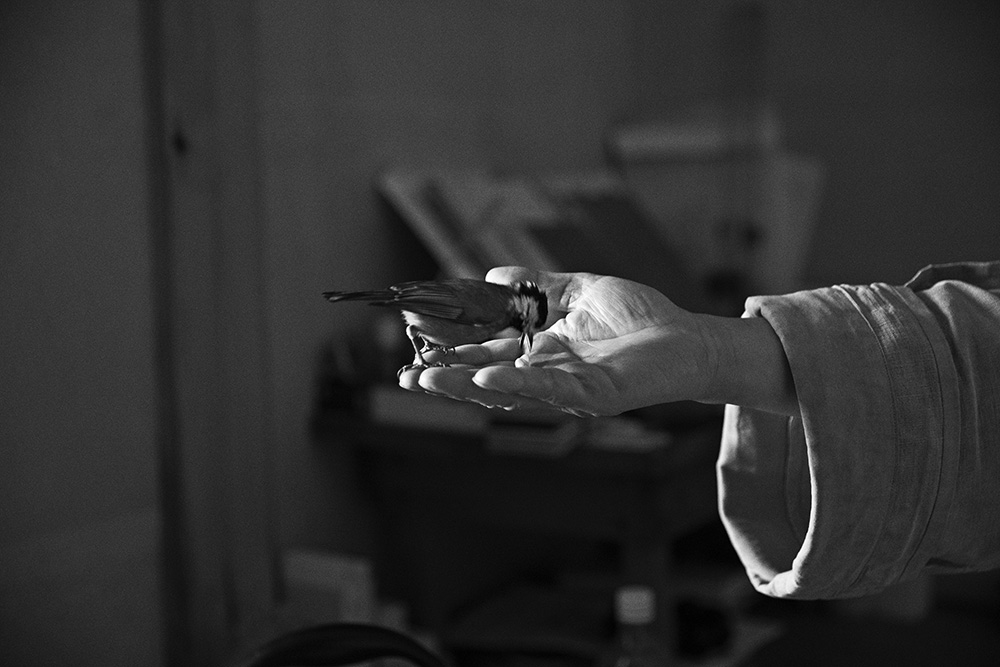
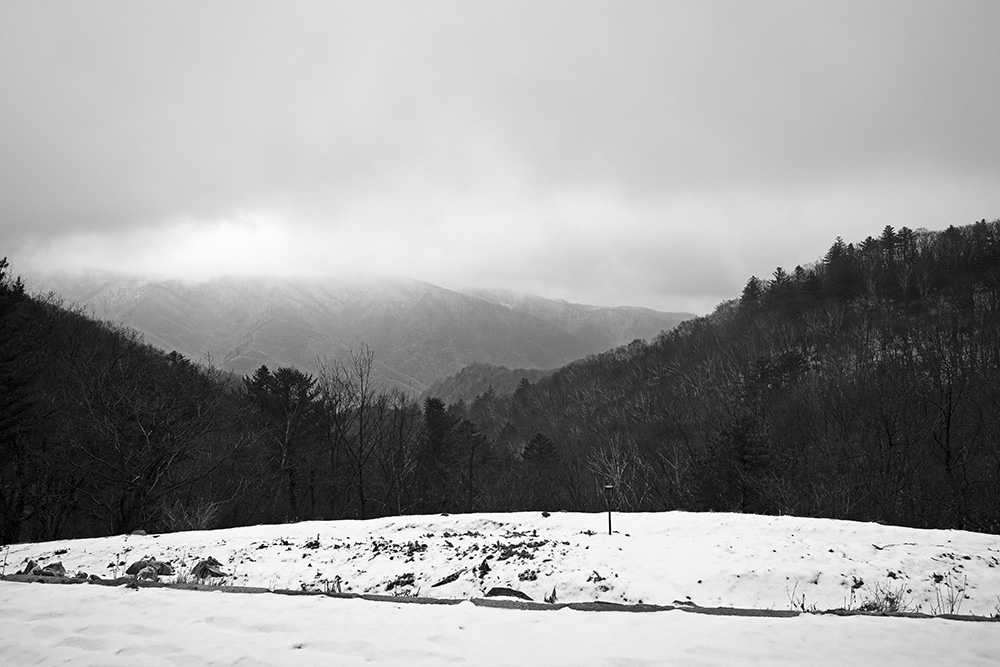
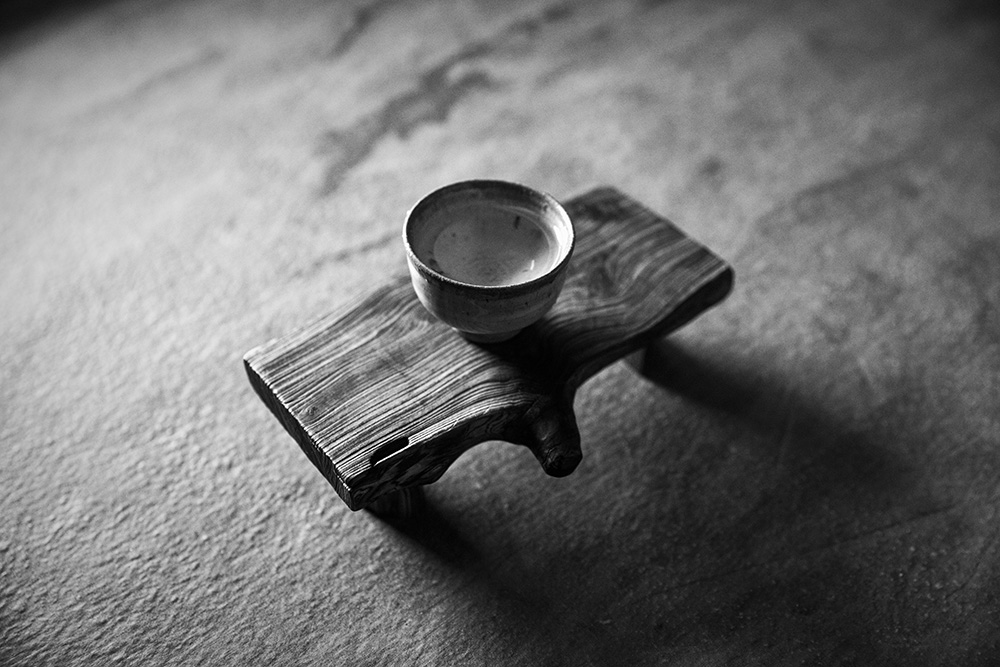
한강의 역사적 발원지로 알려진 오대산 우통수에서 발원한 샘물은 지하로 스며들었다가 금강연(金剛淵)에서 나오는 용출수와 만나 오대천이 되어 흐른다. 우통수에 관한 기록은 고려 충렬왕 7년(1281) 삼국유사(三國遺事)에 의해 처음 등장하며, 조선왕조실록(朝鮮王朝實錄),
신증동국여지승람(新增東國輿地勝覽), 택리지(擇里志), 대동지지(大東地志), 세종실록지리지(世宗實錄地理志) 등 조선시대 대표적 지리지(地理誌)들은 모두 한강의 발원지를 우통수라고 기록하였다.
삼국유사에서도 신라 태자들이 머물며 문수보살에게 매일 차를 달여 공양을 올렸다는 신령스러운 물로 기록이 되어 있다. 조선 초기 학자 권근은 기문(記文)에 우통수는 빛과 맛이 특이하고 물의 무게 또한 다른 샘물보다 무거워 다른 물과 섞이지 않고 그 색과 맛이 변하지 않아서 중국 양쯔강의 중령(中泠)이라고 불렀다고 기록한다.
우통수(于筒水)는 속리산 삼타수(三陀水), 충주 달천(達川水)과 함께 조선삼대명수(朝鮮三大名水)로 전해진다.
At Utongso of Odaesan, historically regarded as the source of the Hangang River, the spring water seeps underground before emerging again at Geumgangyeon, where it joins an artesian outflow to form the Odaecheon Stream.
Records of Utongso first appear in the Samguk Yusa (Memorabilia of the Three Kingdoms) in the 7th year of King Chungnyeol of Goryeo (1281). Major geographical and historical texts of the Joseon Dynasty—including the Annals of the Joseon Dynasty, Sinjeung Dongguk Yeoji Seungnam (Revised and Augmented Survey of the Geography of Korea), Taekriji, Daedong Jiji, and Sejong Sillok Jiriji—all identify Utongso as the source of the Hangang River.
In the Samguk Yusa, the spring is described as sacred water where princes of Silla once stayed and offered daily tea to the Bodhisattva Manjusri.
In the early Joseon period, the scholar Gwon Geun wrote in an inscription that the water of Utongso possessed a unique clarity and flavor, and that its density was greater than that of other springs. Because it did not easily mix with other waters and retained its color and taste, he compared it to Zhongling of China’s Yangtze River.
Utongso, together with Samtasu of Songnisan and Dalcheon of Chungju, has traditionally been regarded as one of the Three Great Springs of Joseon.