고요 Stillness
Concept
寂 · 寞 · 幽 · 景 · 勝 · 風
寂 고요할 적 · 寞 고요할 막 · 幽 그윽할 유 · 景 볕 경 / 경치 · 勝 이길 승 · 風 바람 풍
寂 Stillness · 寞 Silence · 幽 Deep · 景 Scenery · 勝 Excellence · 風 Wind / Style
寂寞 적막 Silence
적적하고 고요함
幽寂 유적 Deep Stillness
깊숙하고 고요함
景勝 경승 Scenic Beauty
경치가 좋은 곳
風景 풍경 Landscape
자연의 경치


























Note
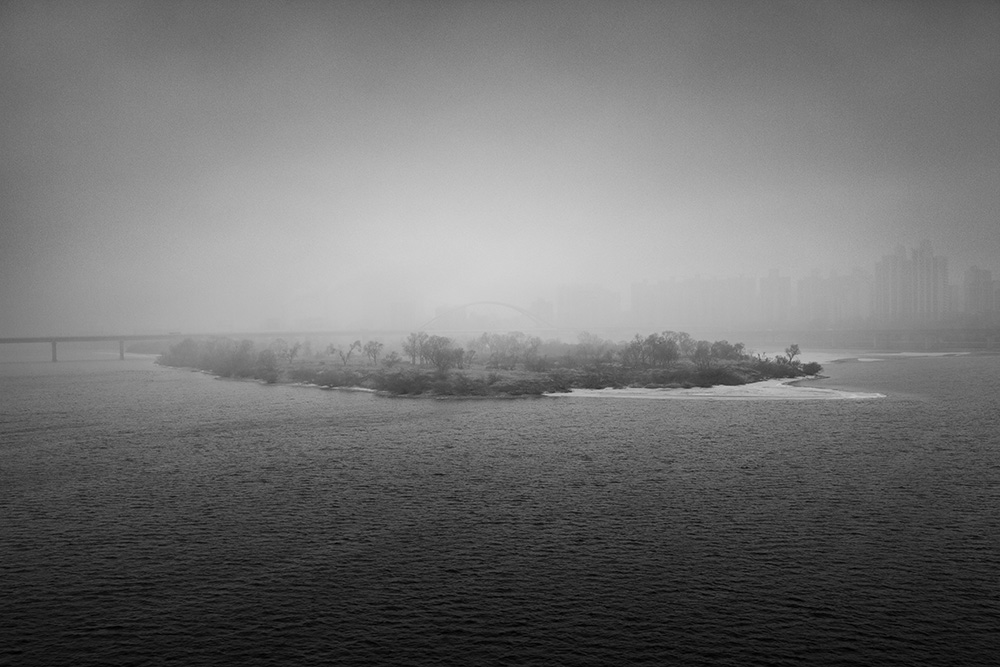
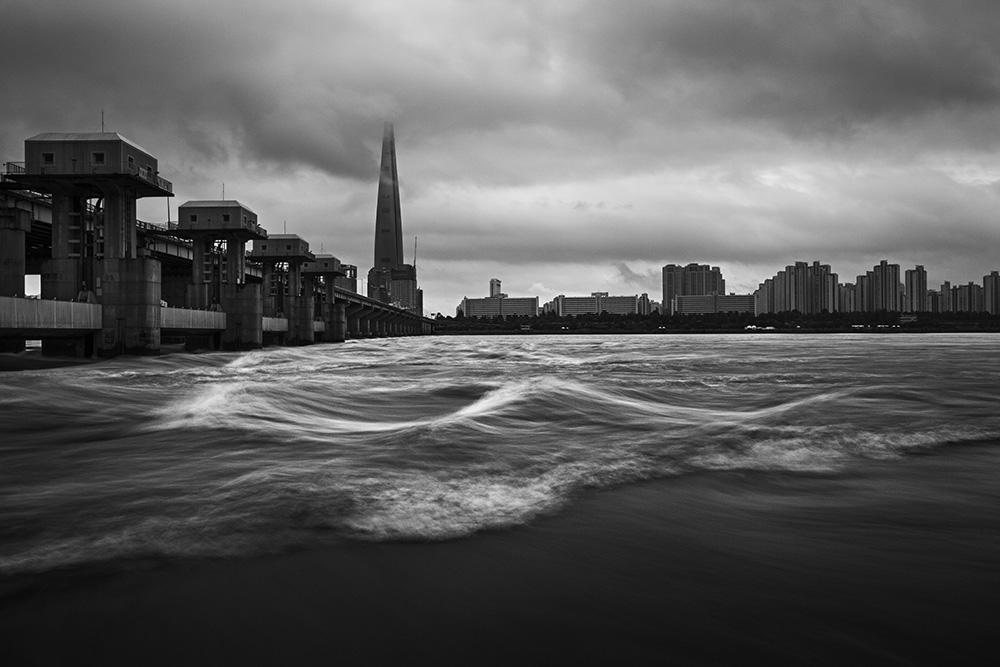
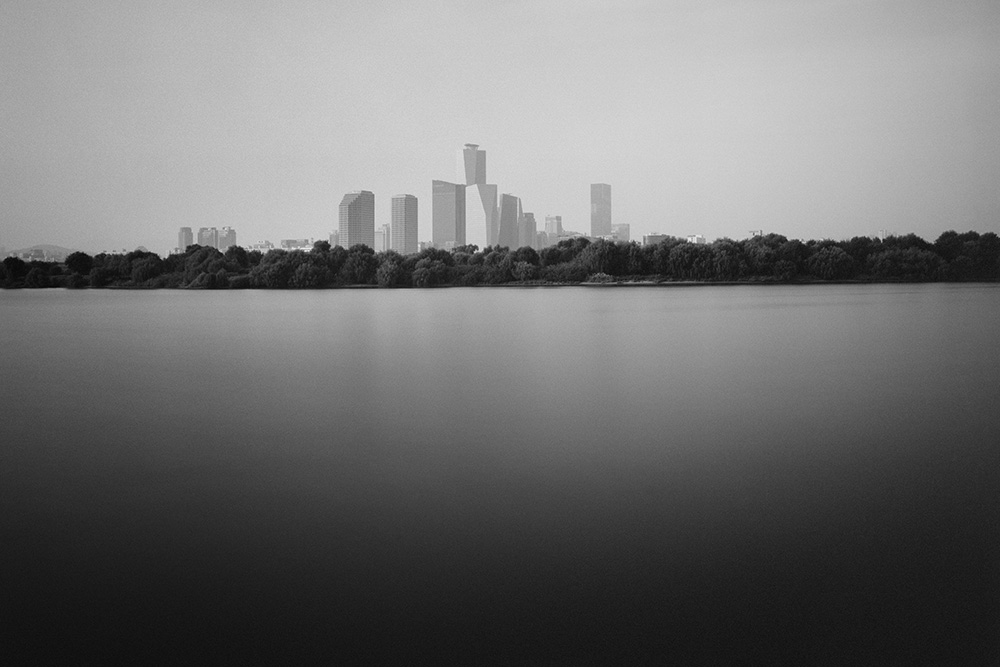
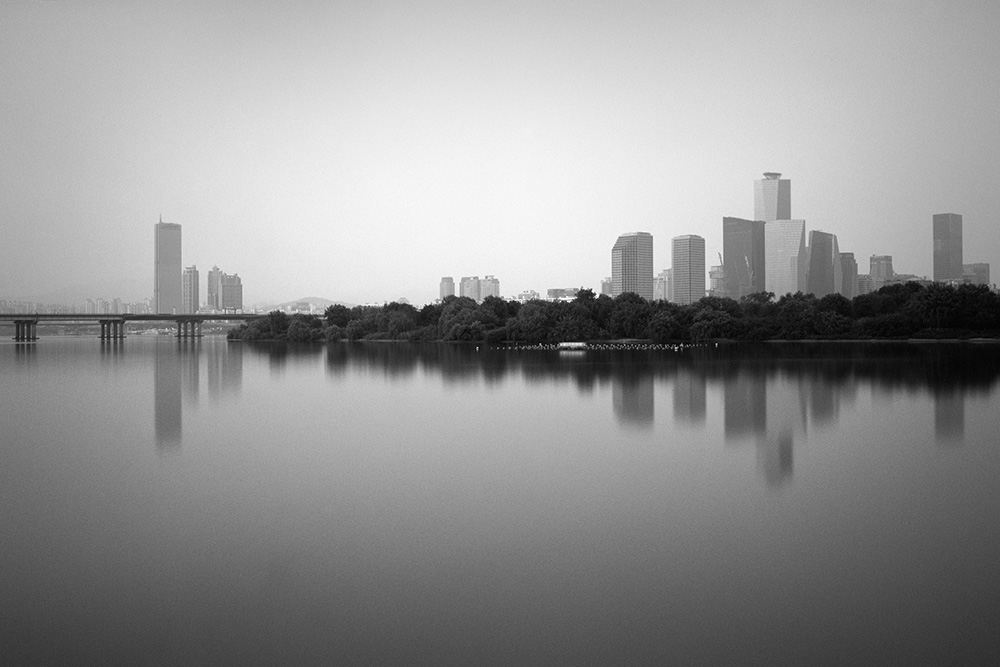
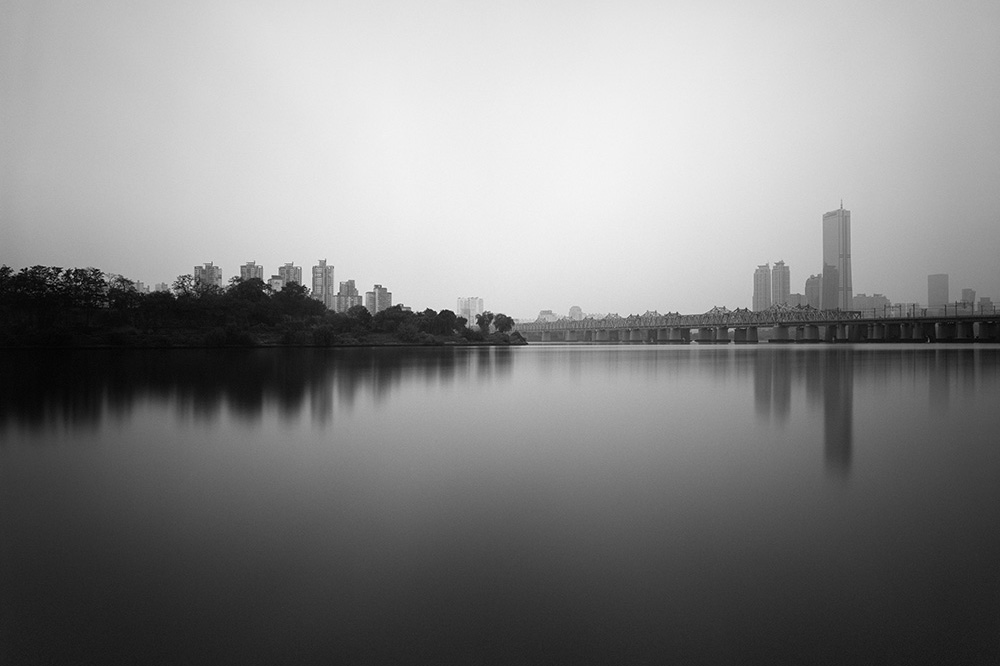
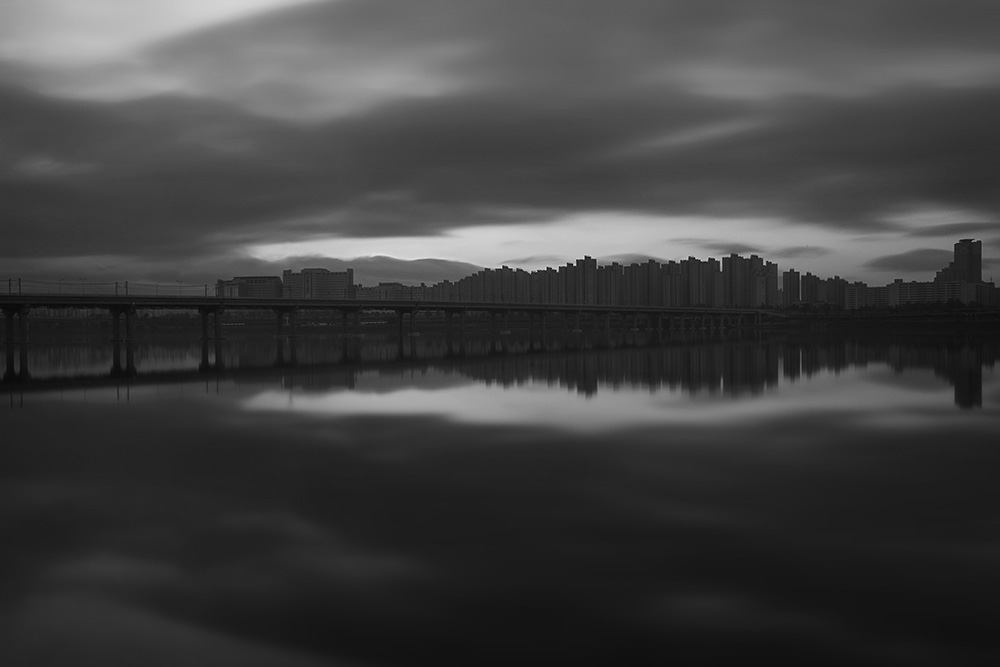
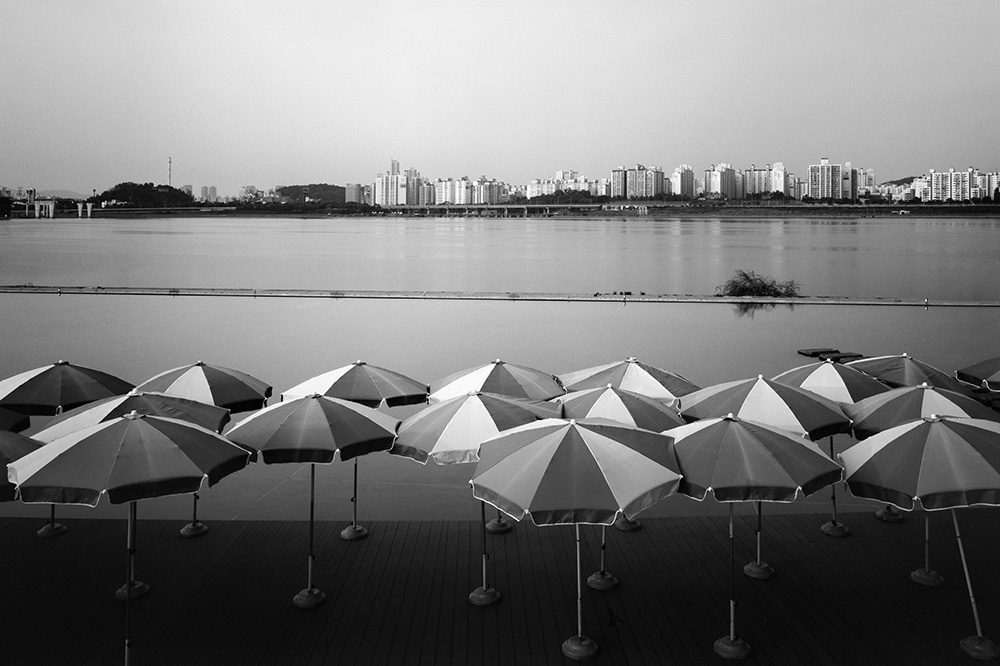
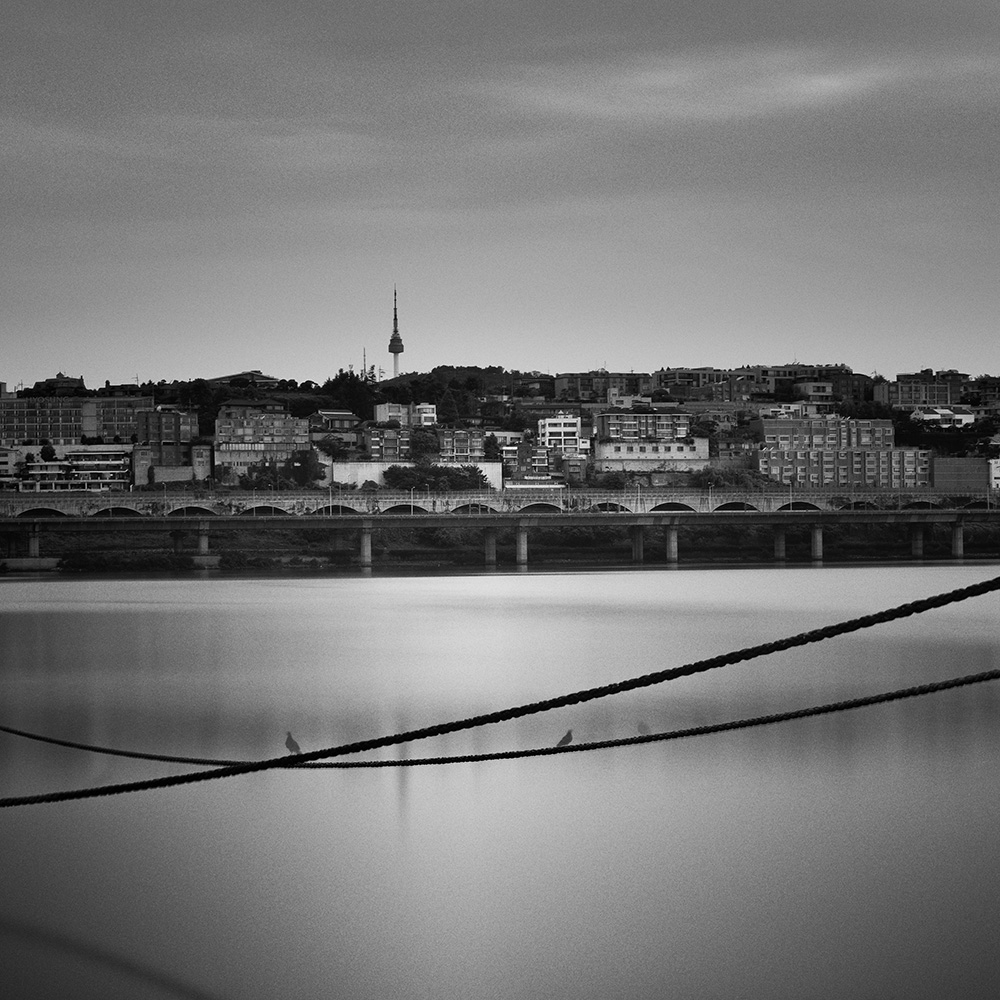
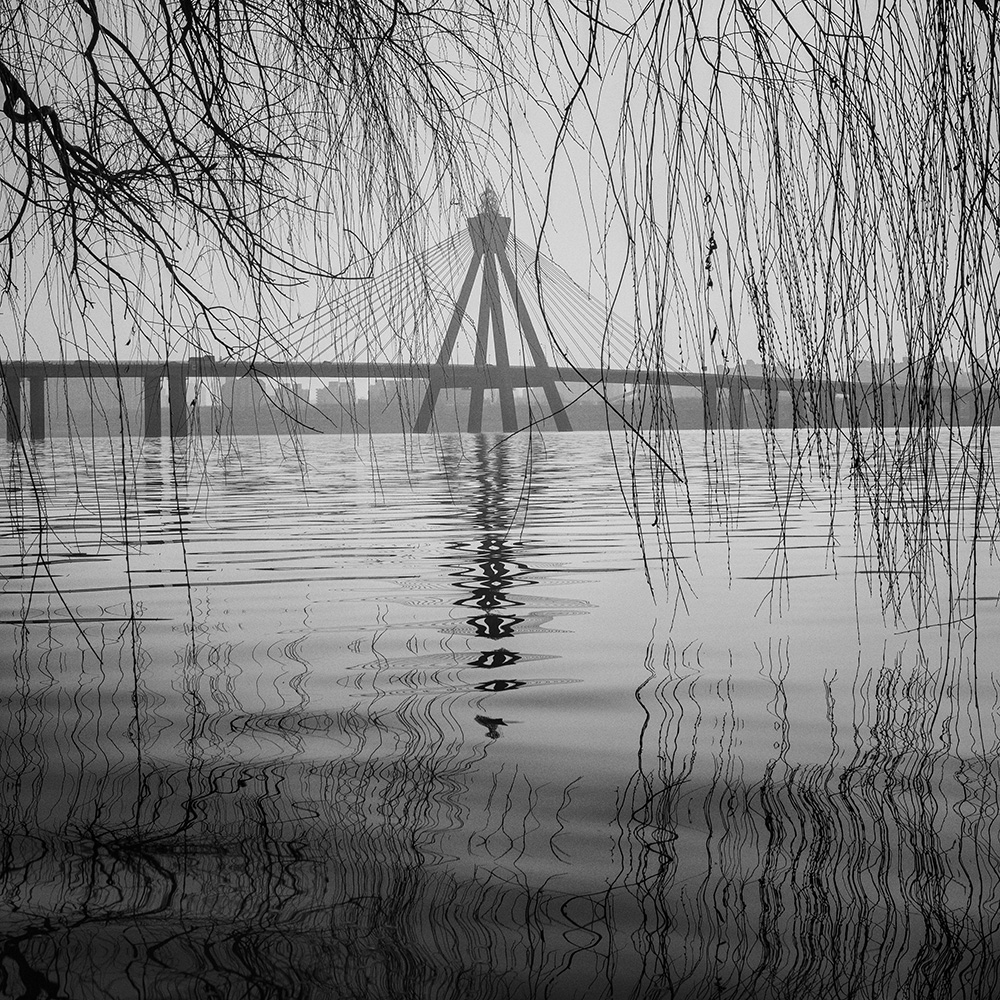
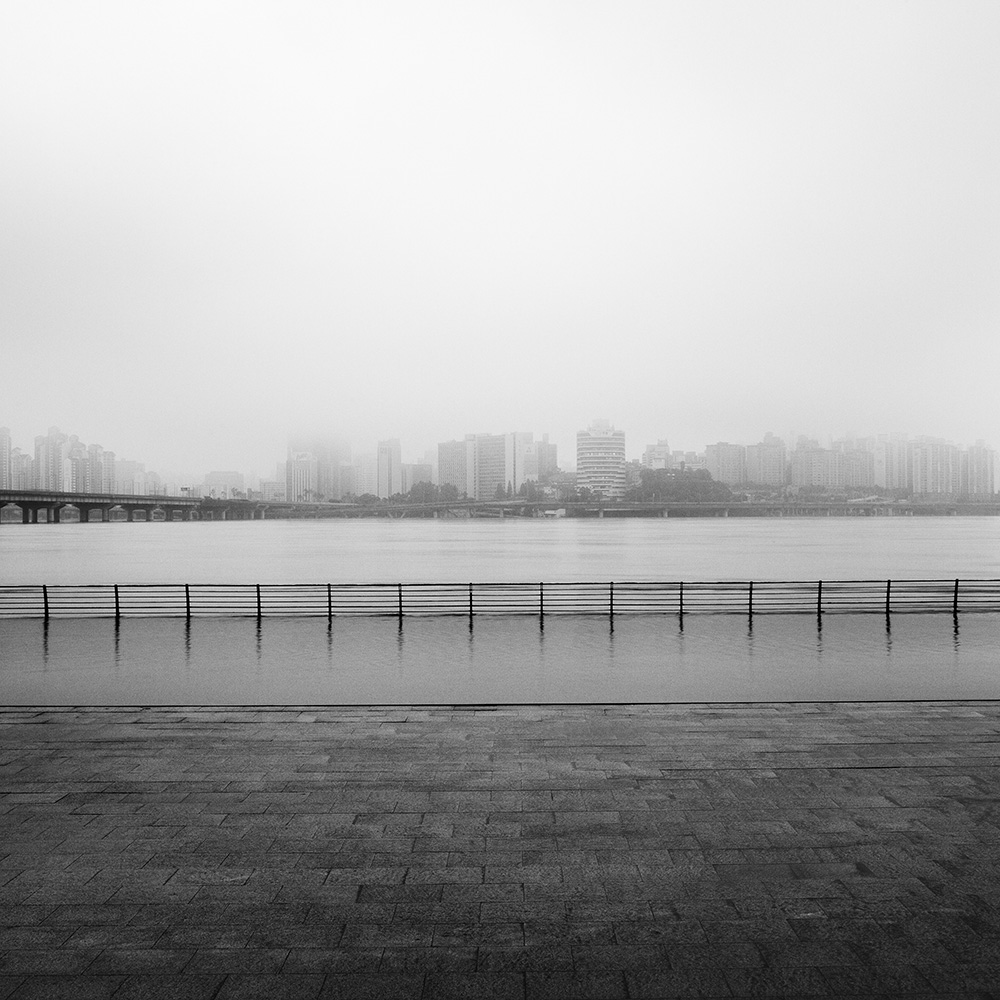
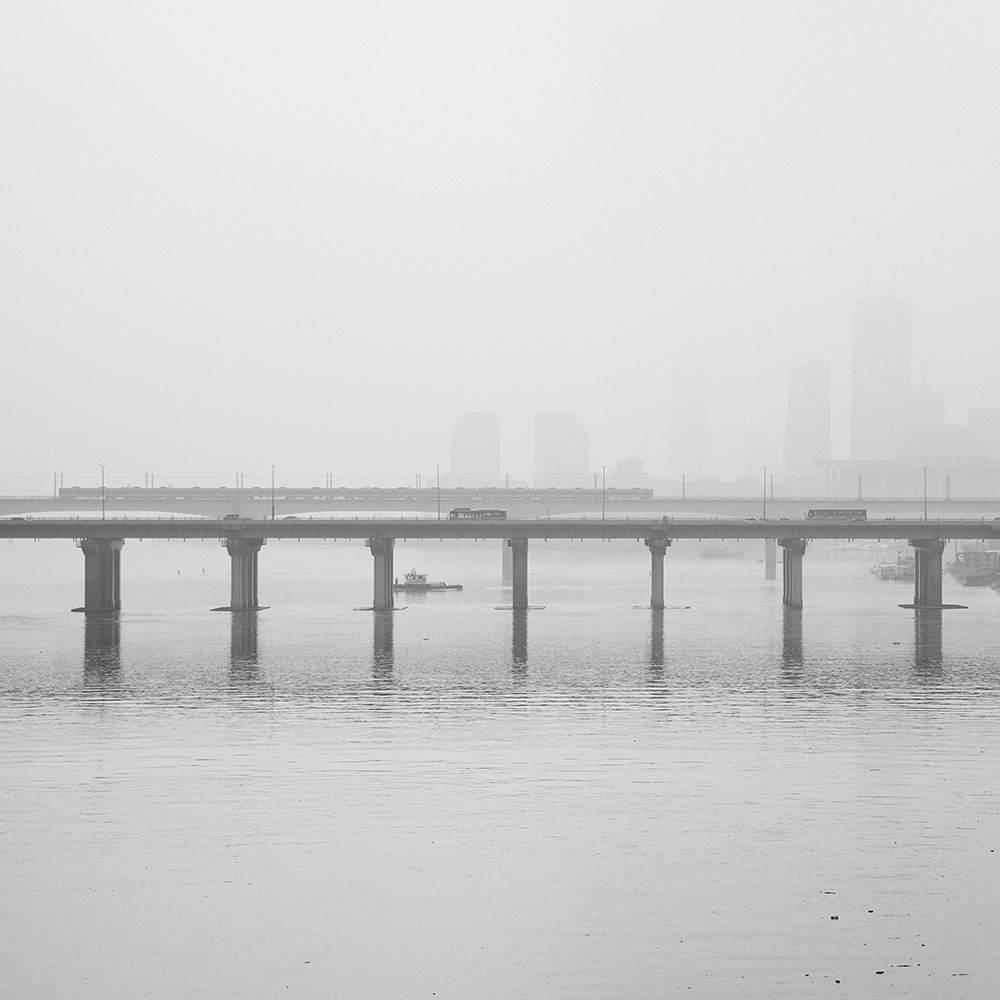
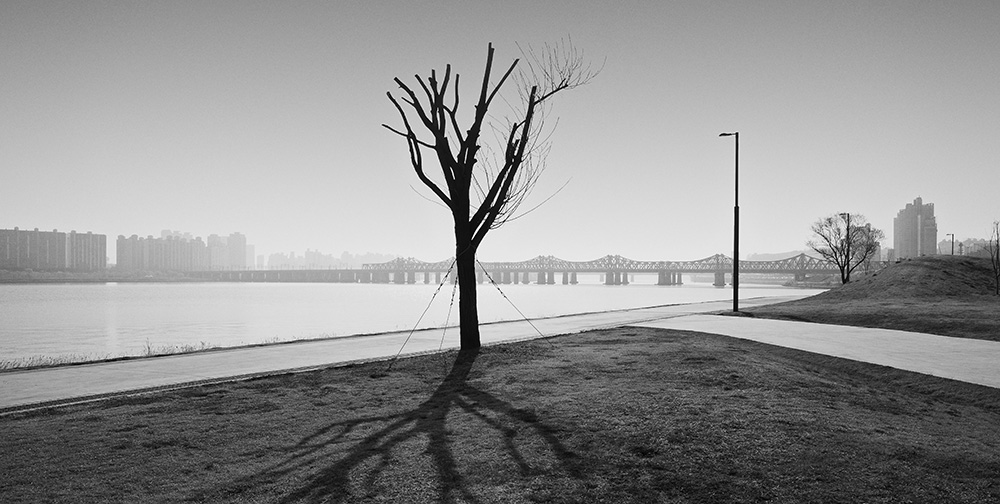
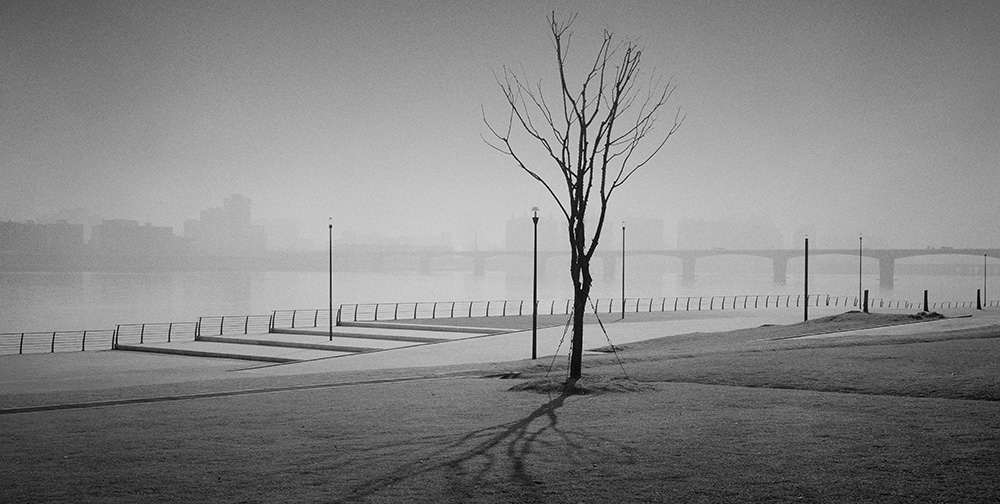
도심 속 한강 주변은 늘 분주하지만, 한강의 중심은 늘 고요하다. 출퇴근 시간 수많은 도로와 교각 위로 자동차들이 넘쳐흘러 강을 포위하듯 움직여도, 강물은 그 중심에서 묵묵히 흘러갈 뿐이다.
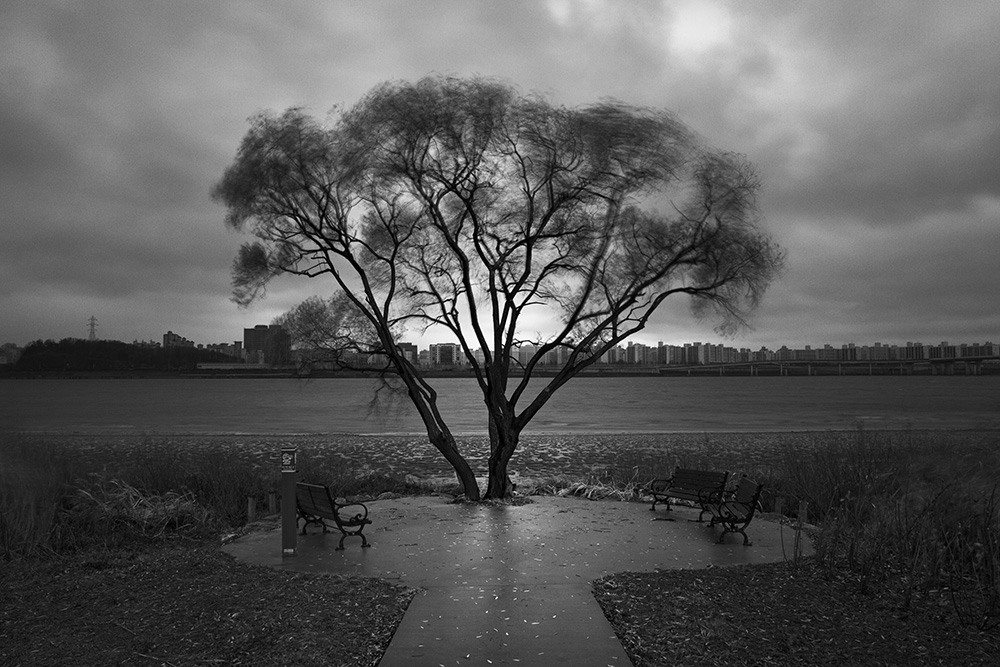
어느 순간 한강은 일상의 소음과 번잡함을 걷어내고 본연의 모습을 드러낸다. 강 주변의 모든 요소가 잠시 멈춘 듯 정적인 순간을 만들어내며, 평범한 도시의 풍경은 어느새 사색과 명상의 공간으로 변한다. 거친 콘크리트 구조물과 부드러운 물결의 대비는 도시와 자연이 공존하는 한강의 이중적인 풍경을 드러낸다. 그 사이에서 강이 건네는 고요한 위로를 마주하게 된다.
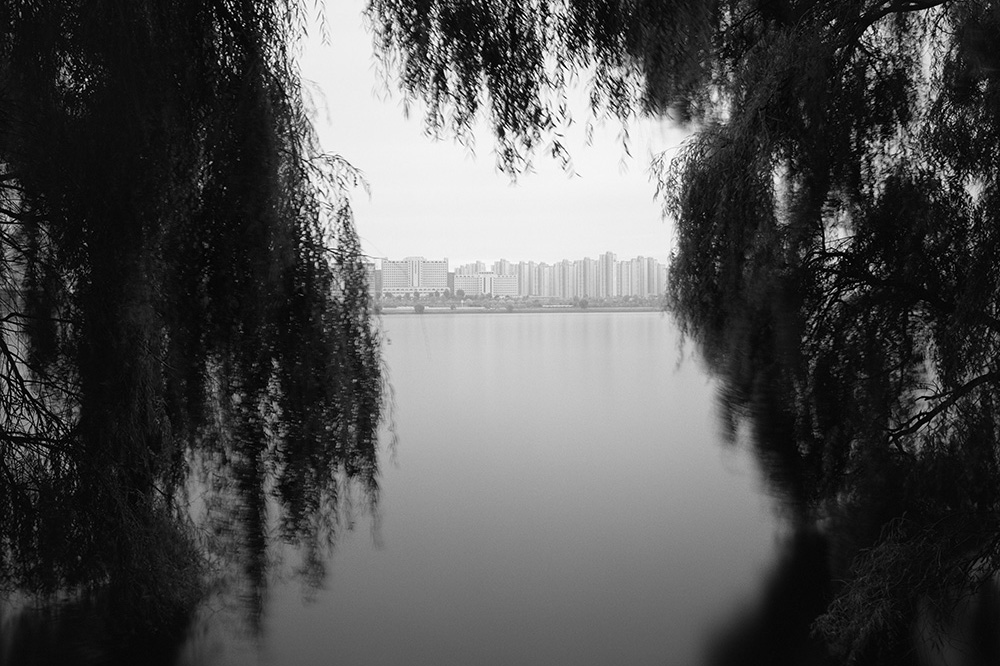
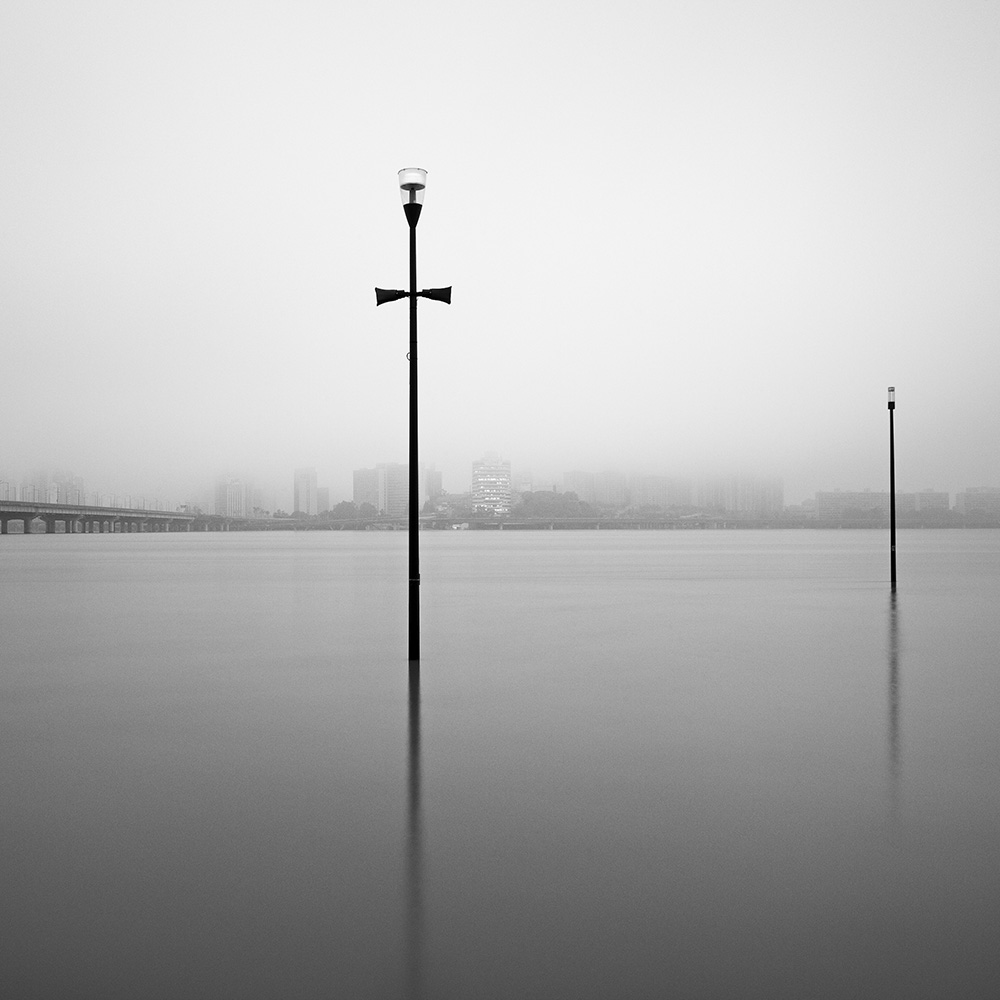
나는 한강의 중심에서 흐르는 물을 바라본다. 강물이 품고 있는 깊이 속에서 잠시 멈춰 서서, 도시 속에 숨겨진 한강의 또 다른 서정을 발견한다.
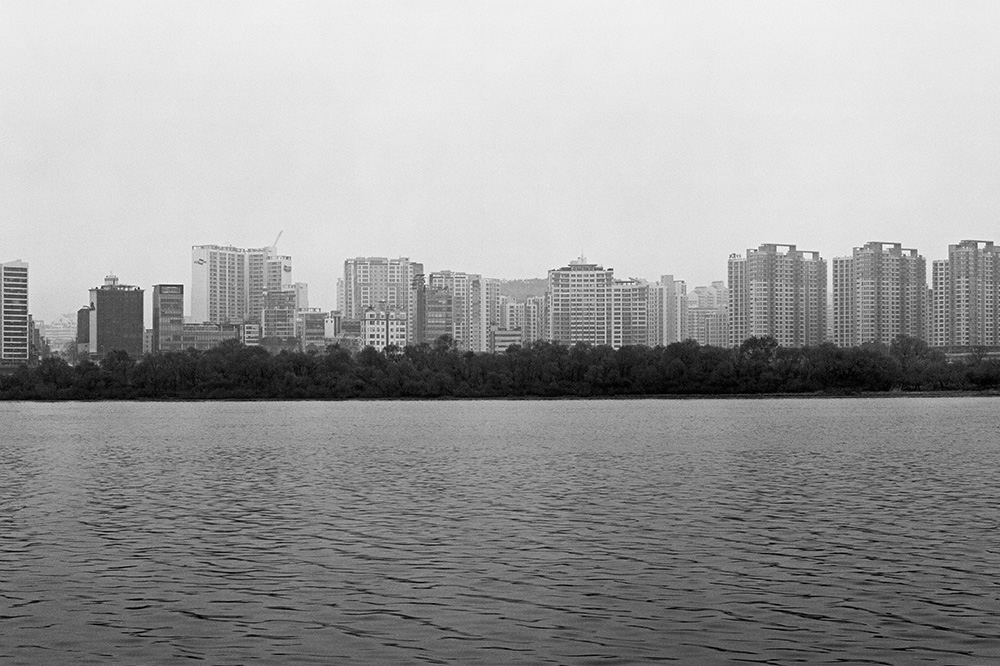
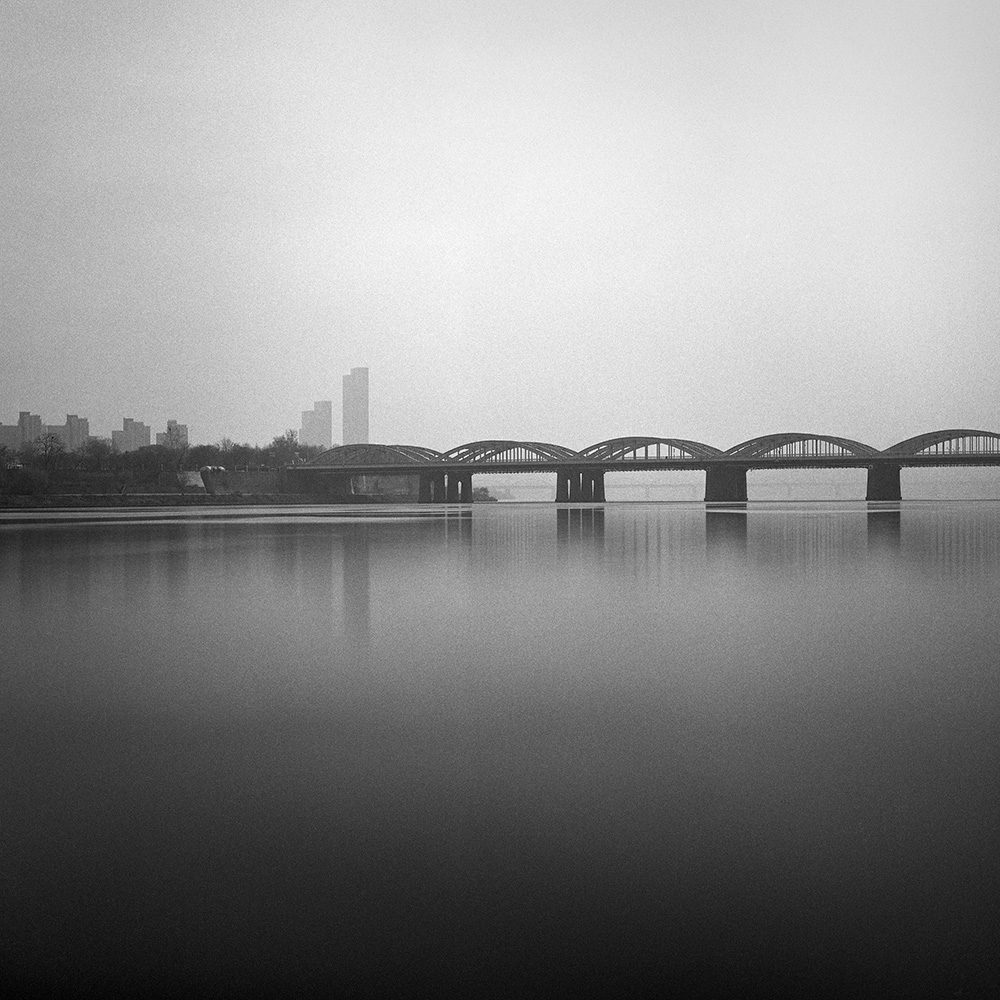
과거의 아름다웠던 한강의 풍경은 대부분 사라졌다. 그러나 현재의 모습을 바라본다면, 도시가 만들어낸 또 다른 풍경과 매력을 발견할 수 있다. 변화한 환경 속에서도 강은 여전히 흐르고, 그 흐름 속에서 새로운 풍경이 만들어진다.
조선 초기 학자 서거정(徐居正)은 광나루에서 바라본 한강의 풍경을 다음과 같이 노래했다.
乾坤納納一江湖
千里渾成水墨圖
白鳥去邊水明滅
青天盡處山有無
천지의 풍경이 강호에 담기고
천 리의 경치가 한 폭의 수묵화처럼 펼쳐진다.
새가 날아가는 자리마다 물빛이 밝았다 어두워지고
푸른 하늘 끝에는 산이 보일 듯 말 듯하다.
수백 년이 지난 지금도 한강은 여전히 흐르고 있다. 나는 그 흐름 속에서, 도시와 자연 사이에 남아 있는 한강의 고요한 풍경을 바라본다.
Even though the areas surrounding the Hangang River are always busy, the center of the river remains quiet. During rush hour, countless cars fill the roads and bridges that cross the river, surrounding it with the restless energy of the city. Yet at its center, the river simply flows on in silence.
At certain moments, the Hangang sheds the noise and distractions of everyday life and reveals its inherent beauty. Everything around the river seems to pause, creating a still and contemplative scene. What appears to be an ordinary urban landscape gradually transforms into a space for reflection and meditation. The contrast between the rough texture of concrete structures and the gentle movement of water captures the dual character of the Hangang, where the city and nature coexist.
Standing before the flowing water, I pause for a moment and look into the depth of the river. In that quiet space, another poetic dimension of the Hangang emerges—one that is often hidden within the city.
Many of the beautiful landscapes of the Hangang from the past have disappeared. Yet when we look closely at the present, we begin to discover a different kind of beauty shaped by the city itself. Even within this transformed environment, the river continues to flow, quietly forming new landscapes.
In the early Joseon dynasty, the scholar Seo Geo-jeong (徐居正) described the scenery of the Hangang at Gwangnaru in the following poem:
乾坤納納一江湖
千里渾成水墨圖
白鳥去邊水明滅
青天盡處山有無
He wrote of a vast landscape gathered within a single river,
where the view stretched for miles like an unfolding ink painting.
As white birds flew across the sky, the water shimmered in light and shadow,
and distant mountains appeared and disappeared at the edge of the blue sky.
Centuries later, the Hangang continues to flow. Within that flow, I observe the quiet landscapes that remain between the city and nature.